


Rocket Lab Neutron Targets Q4 2026 Debut, Space Brief 9 May 2026
Rocket Lab Neutron's first launch is targeted for Q4 2026 after a tank test failure, backed by a new 5-launch deal. Plus Globalstar's 1,410 km refresh.



Launch Date
May 26, 1976
Launch Site
PLMSC
Launch Pad
LC43/3
Launch Vehicle
Voskhod 11A57
NORAD ID
08864
International Designator
1976-048C
Decay Date
6/2/1976
Name
SL-4 DEB
Alternative Name
Sensor cover
Type
Status
Owner
GUKOSR
Country
USSR
Constellation
N/A
Related Satellites
Major Events
N/A
Length
0
Diameter
0
Span
0
Dry Mass
0
Launch Mass
0
Shape
N/A
Radar Cross Section
Unknown
Visual Magnitude
Unknown
Color
Unknown
Material Composition
Unknown
Payload
Zenit-4MK sensor cover
Purpose
Unknown
Mission
Unknown
Manufacturer
TSSKB
Life Expectancy
Unknown
Bus
Zenit deb
Configuration
Unknown
Motor
Unknown
Equipment
Unknown
Power System
Unknown
ADCS
Unknown
Transmitter Frequency
Unknown
Learn more about satellites and other related topics.
Rocket Lab Neutron's first launch is targeted for Q4 2026 after a tank test failure, backed by a new 5-launch deal. Plus Globalstar's 1,410 km refresh.
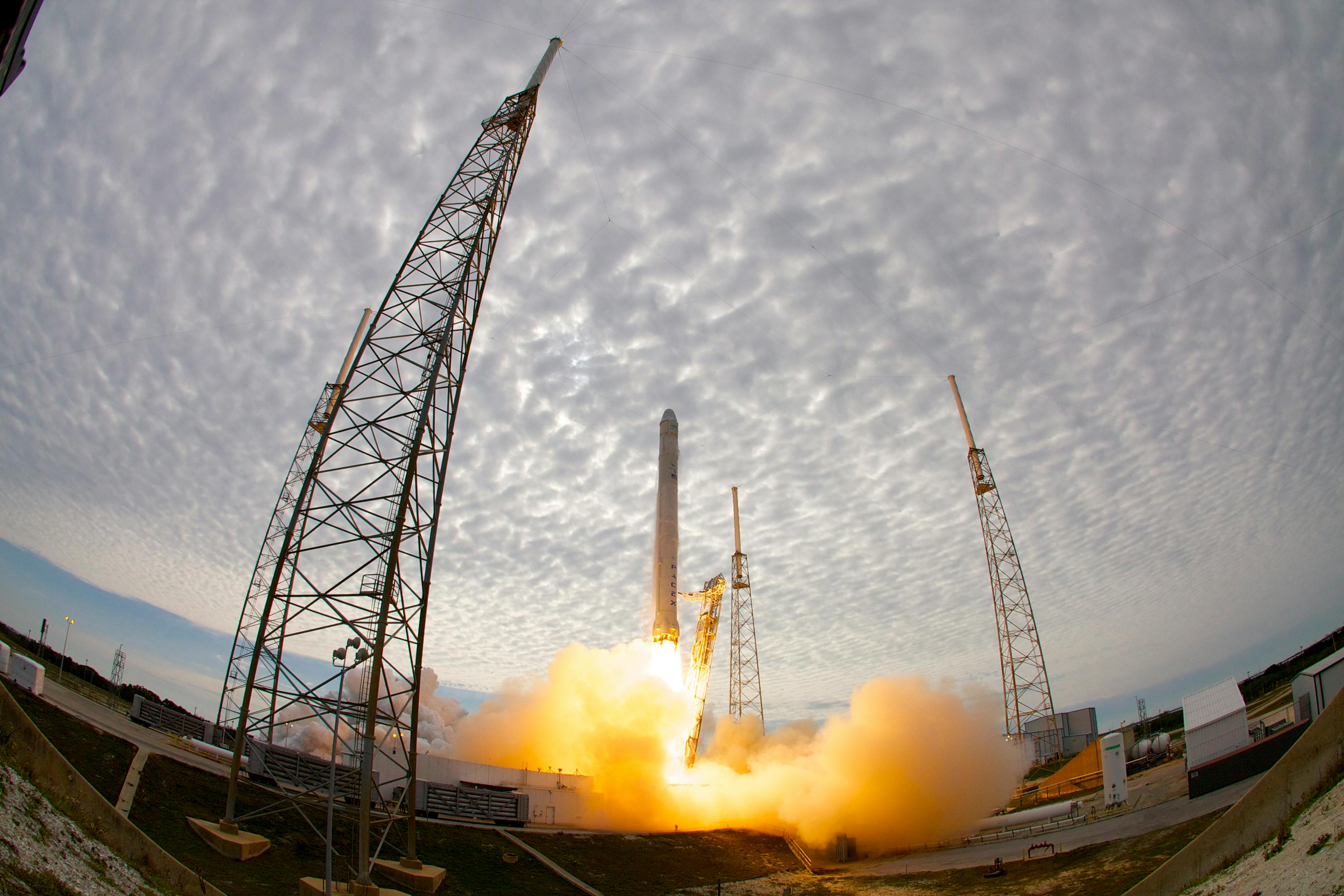
Starlink satellite count 2026: SpaceX tops 10,000 active satellites, 10,037 working of 11,558 launched, under seven years after first launch.
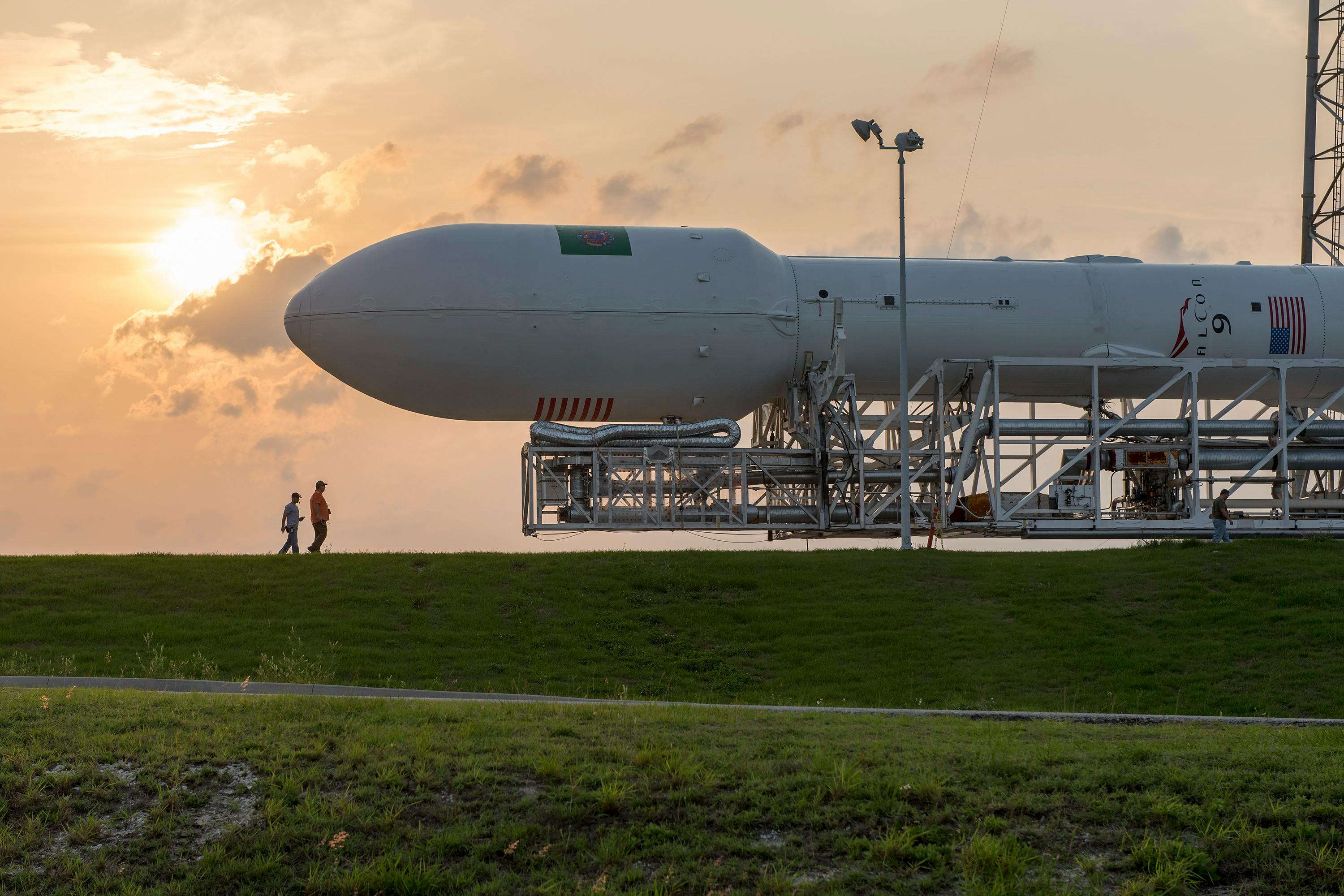
Key developments include the launch of Starshield satellites for the NRO and updates on Starlink launches and NASA access concerns involving Elon Musk's team.

Today's highlights include SpaceX's 300th Starlink launch, NASA re-establishing contact with a TRACERS satellite, and budget concerns impacting the commercial remote sensing industry.
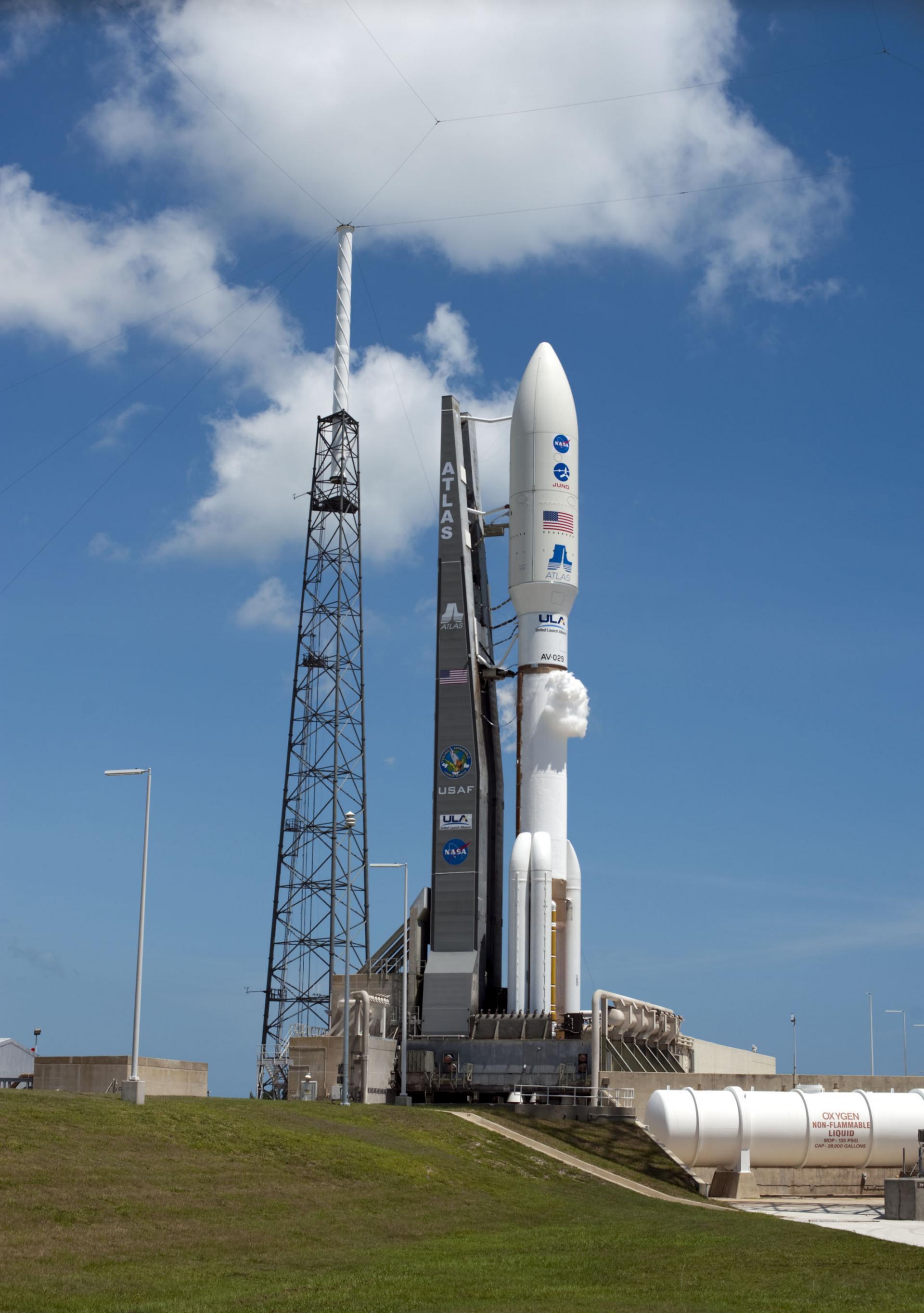
Today's brief covers a significant GPS satellite launch by SpaceX, China's classified satellite mission, and Rocket Lab's strategic steps in the defense sector.
Blue Origin launch pad rebuild begins at Cape Canaveral after the New Glenn explosion, targeting return to flight by end of 2026. SpaceX flies NROL-179.

As humanity increasingly relies on satellites, the escalating space junk problem poses a dire threat to our space-based infrastructure. With debris counts reaching alarming levels, urgent action is needed to prevent a cascade of collisions that could make key orbits unusable.

What happens when space objects come home: the fiery physics of returning from orbit and why predicting where debris lands is so difficult