


X Report 21 Nov 2024
SpaceX's Starship gains military attention, a feather-light achievement, and a busy week for Falcon 9.


Launch Date
May 26, 1976
Launch Site
PLMSC
Launch Pad
LC43/3
Launch Vehicle
Voskhod 11A57
NORAD ID
08862
International Designator
1976-048A
Decay Date
6/8/1976
Name
COSMOS 821
Alternative Name
Kosmos-821
Type
Status
Owner
GUKOSR
Country
USSR
Constellation
N/A
Related Satellites
Major Events
N/A
Apologies, there is no summary for this satellite yet. I am working to generate these for every object in the catalog, but it is going to take time.
Length
6
Diameter
2.2
Span
6
Dry Mass
2310
Launch Mass
2310
Shape
Sphere + DCone
Radar Cross Section
Unknown
Visual Magnitude
Unknown
Color
Unknown
Material Composition
Unknown
Payload
Germes No. 59L
Purpose
Unknown
Mission
Unknown
Manufacturer
TSSKB
Life Expectancy
Unknown
Bus
Zenit-4MK
Configuration
Unknown
Motor
Unknown
Equipment
Unknown
Power System
Unknown
ADCS
Unknown
Transmitter Frequency
Unknown
Learn more about satellites and other related topics.
SpaceX's Starship gains military attention, a feather-light achievement, and a busy week for Falcon 9.
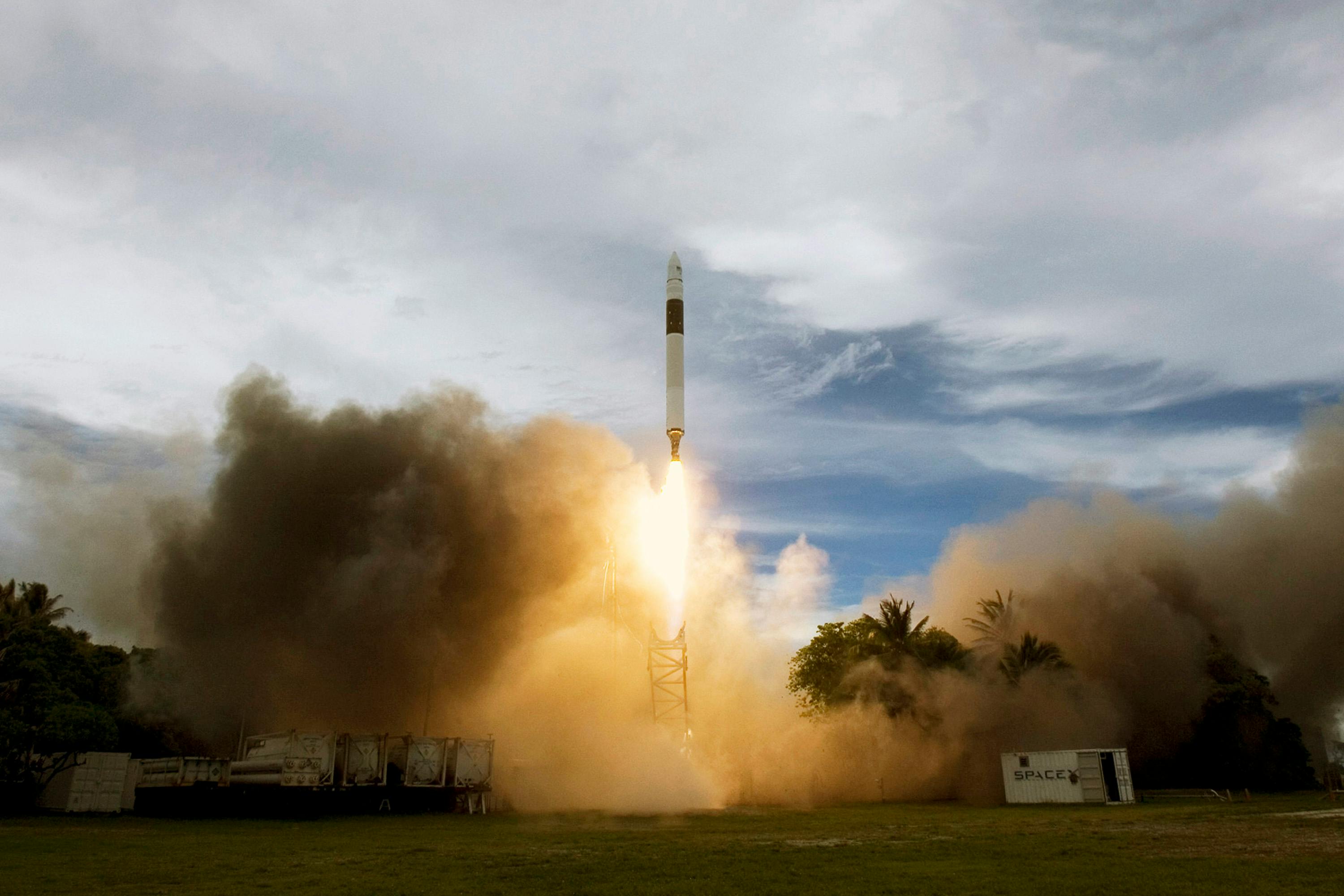
A Falcon 9 lifted off from SLC-40 at 6:50 a.m. EDT carrying Starlink satellites and Besxar Space Industries semiconductor test pods.
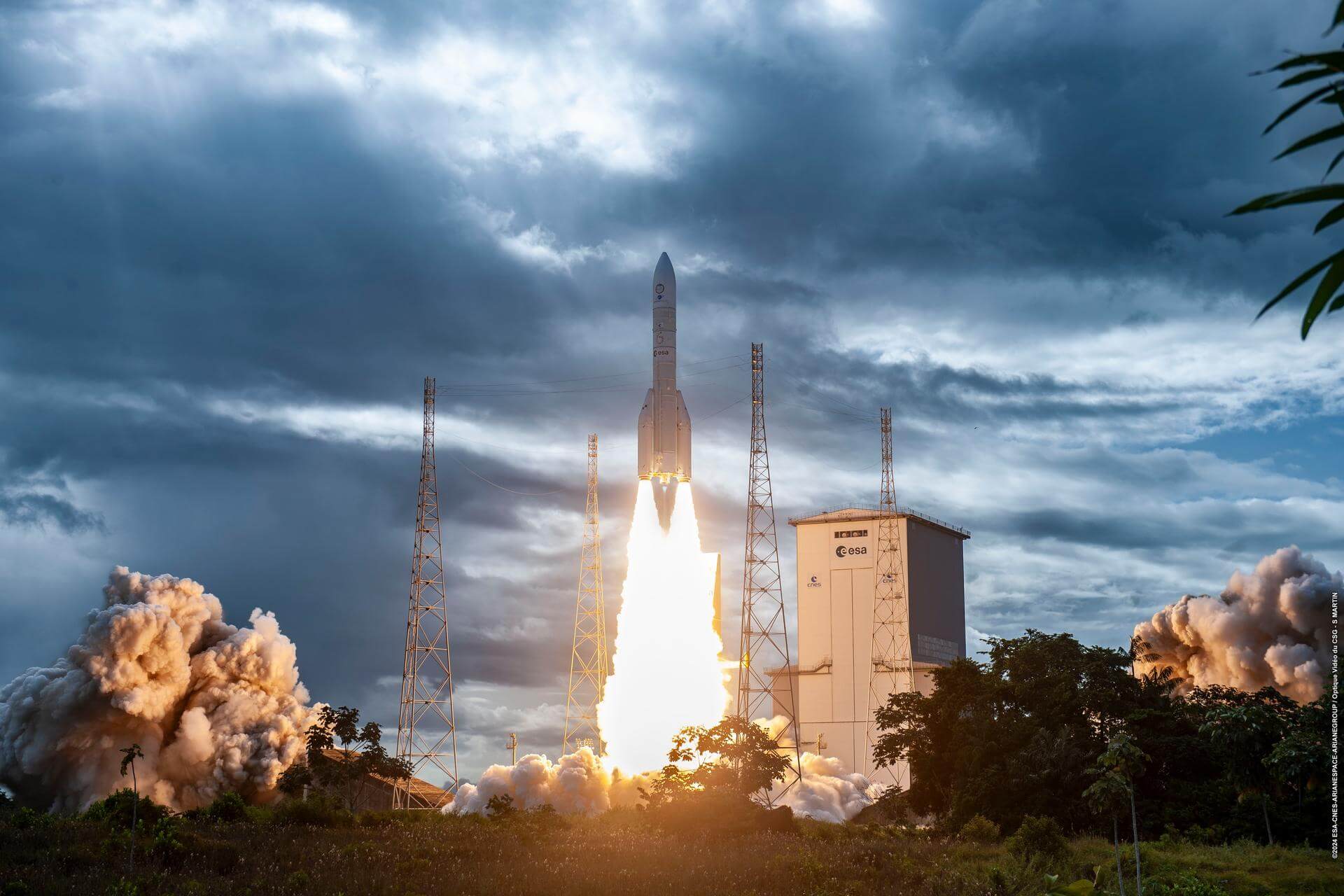
Highlights include US military astronaut rescue drills, China's commercial involvement in lunar missions, ESA's budget proposals, global opposition to space advertising, and NASA lunar landers.
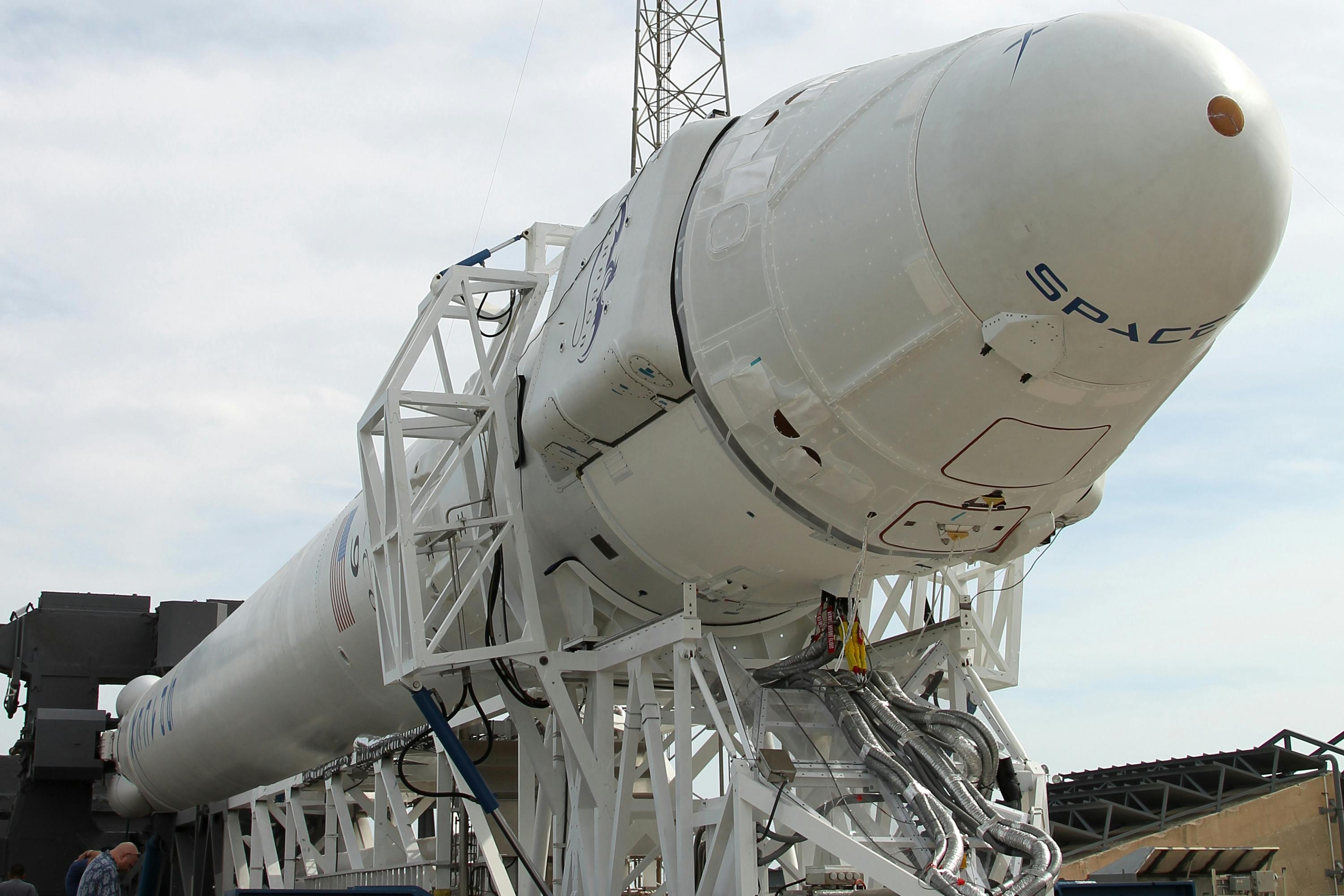
SpaceX targets July 16 for Starship Flight 13 from Starbase, aiming to fix Flight 12 issues and deploy working Starlink satellites.

Today's coverage includes the cancellation of DARPA's DRACO nuclear propulsion project, global shifts in Earth observation strategy, and new developments in satellite technology and military collaborations.

SpaceX successfully launched the historic Axiom-4 mission to the ISS, marking a significant milestone in private space travel, while also expanding Starlink's reach into Vietnam's healthcare sector.
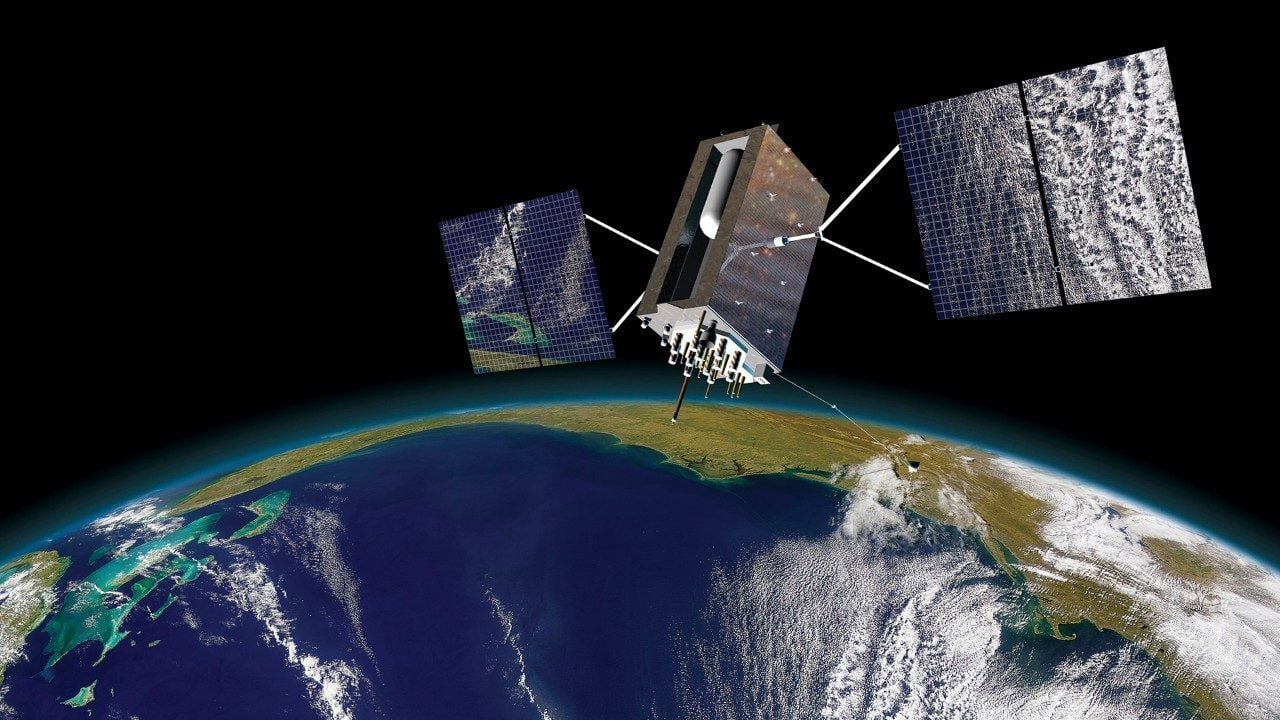
On April 17, 2026, the U.S. Space Force officially cancelled the Next Generation Operational Control System after sixteen years of development, cost overruns, and testing failures. The $8 billion program was supposed to unlock the military's encrypted GPS signal. Instead, the satellites are flying with capabilities the ground can't command.

Today's Space Brief covers China's Haiyang-4 satellite launch, Intuitive Machines' Artemis infrastructure proposals, deployment of the GREMLIN sensor suite, and more.