


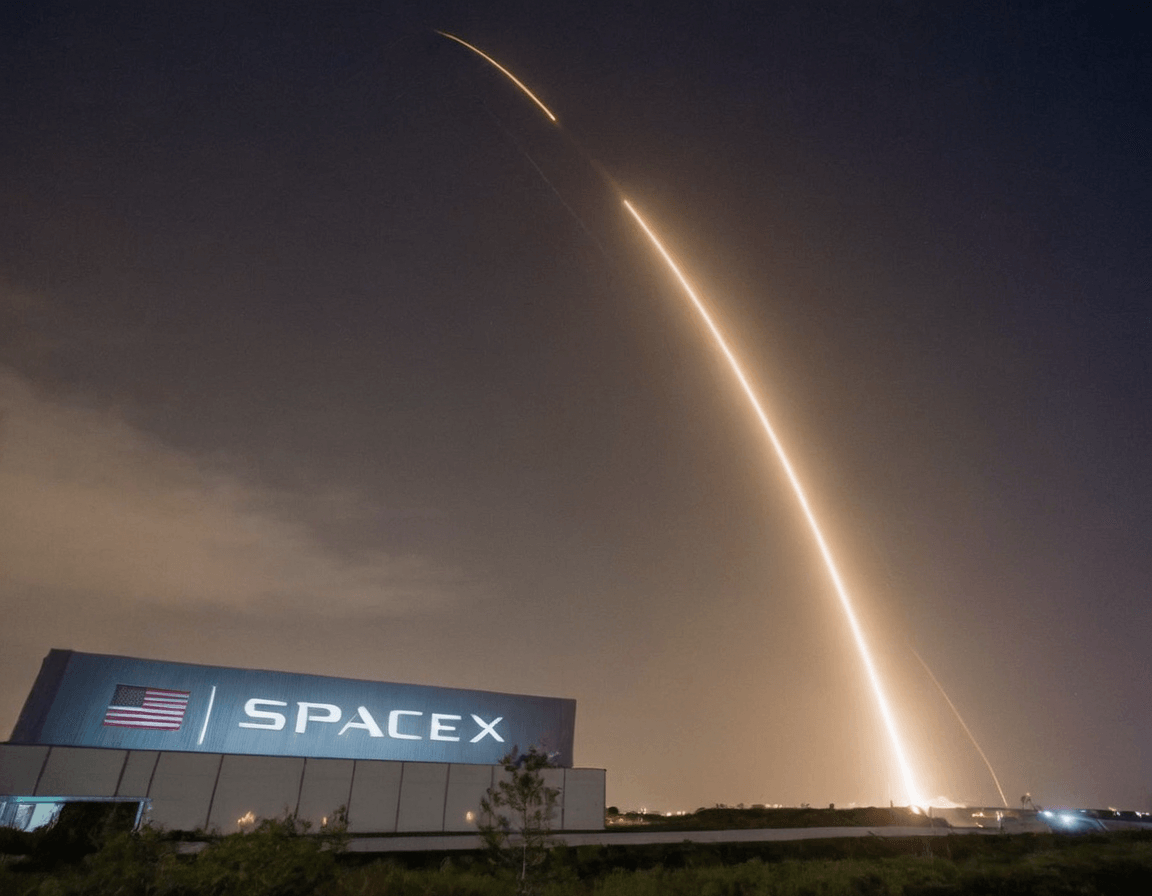
SpaceX Resumes Falcon 9 Launches After Investigating Upper Stage Anomaly
SpaceX successfully returns to flight with a Starlink mission, detailing the cause of the July 11 anomaly and implementing fixes to prevent future incidents.


Launch Date
February 29, 1976
Launch Site
TANSC
Launch Pad
N
Launch Vehicle
N-1
NORAD ID
08710
International Designator
1976-019B
Epoch
Sat, 04 Jul 2026 05:56:44 GMT
Apogee
Calculating...
Perigee
Calculating...
Inclination
69.67°
Right Ascension
176.85°
Eccentricity
Calculating...
Argument of Perigee
296.81°
Period
105.11 min
Mean Motion
13.70 rev/day
Latitude
Calculating...
Longitude
Calculating...
Altitude
Calculating...
Velocity
Calculating...
Name
N-1 R/B
Alternative Name
N-I-2F Stage 3
Type
Status
Owner
NASDA
Country
Japan
Constellation
N/A
Related Satellites
Major Events
N/A
1 08710U 76019B 26185.24773844 -.00000047 00000-0 56643-5 0 9991
2 08710 69.6747 176.8506 0015431 296.8144 75.1170 13.69996531517419
Source: Celestrak
Length
1.8
Diameter
1.2
Span
1.8
Dry Mass
105
Launch Mass
669
Shape
Sphere + Cone
Radar Cross Section
1.4641
Visual Magnitude
Unknown
Color
Unknown
Material Composition
Unknown
Payload
Star 37N S/N 14003
Purpose
Unknown
Mission
Unknown
Manufacturer
THKE
Life Expectancy
Unknown
Bus
Star 37
Configuration
Unknown
Motor
Unknown
Equipment
Unknown
Power System
Unknown
ADCS
Unknown
Transmitter Frequency
Unknown
Learn more about satellites and other related topics.
SpaceX successfully returns to flight with a Starlink mission, detailing the cause of the July 11 anomaly and implementing fixes to prevent future incidents.
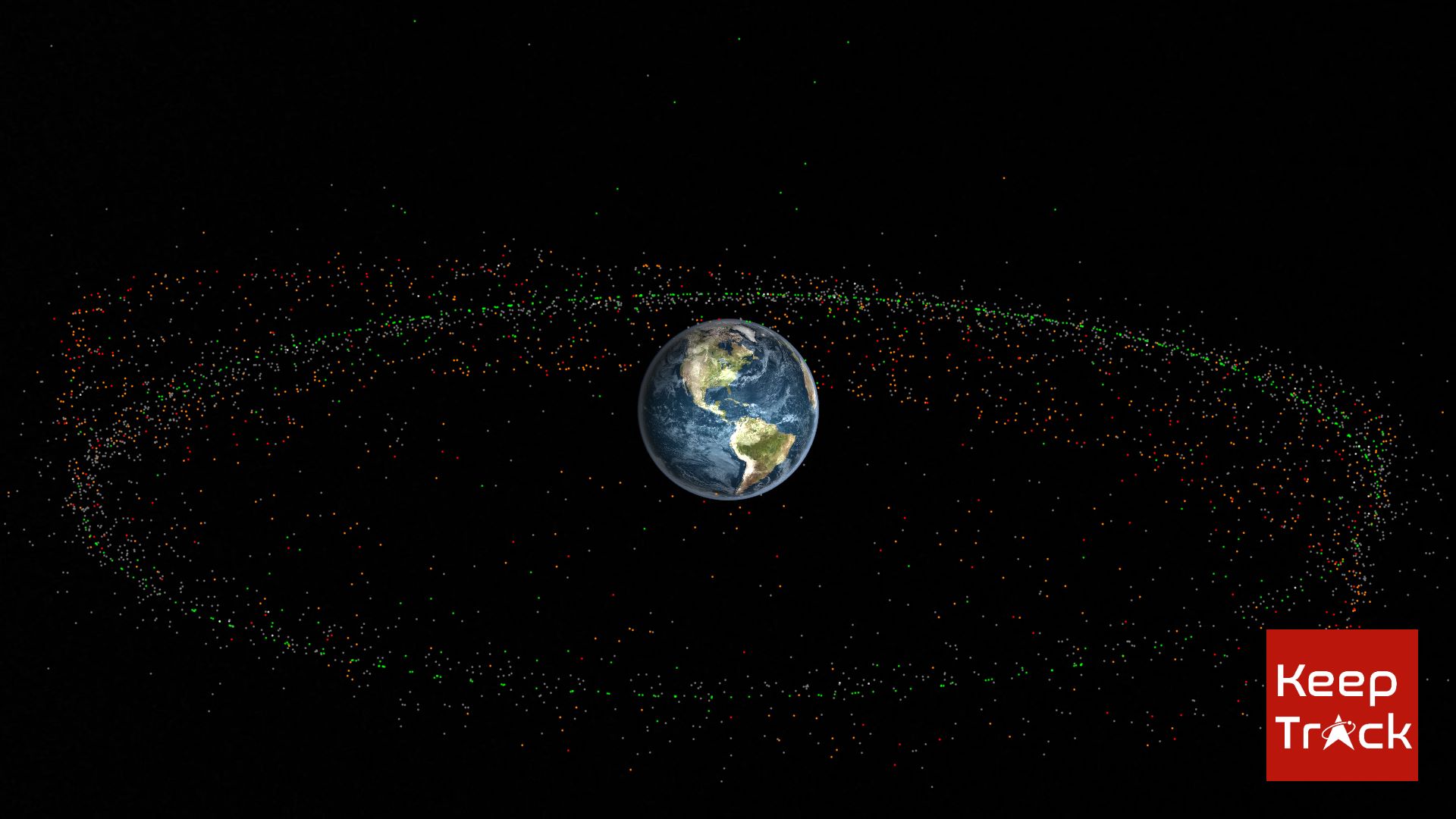
Understanding the unique orbital sweet spot that keeps satellites perfectly positioned above Earth
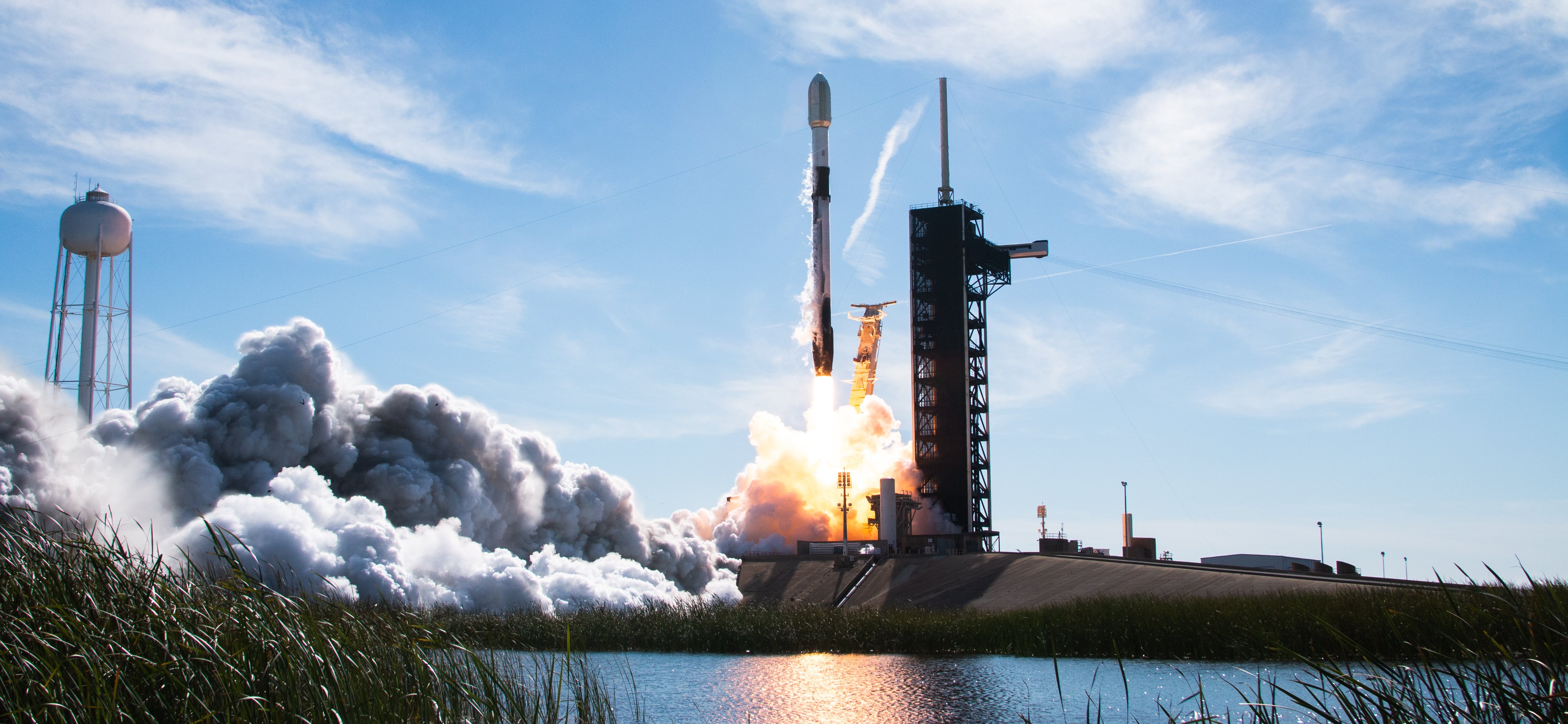
NASA's $4.3B Nancy Grace Roman Space Telescope arrived at Kennedy Space Center for 70 days of prelaunch processing ahead of its August 30 Falcon Heavy launch.

Key developments include Redwire's contract for a US Space Force mission, UK's steps toward its first orbital launch, and a detailed military satellite spotlight.

Over 27,000 high-speed pieces of space junk now threaten vital satellites, requiring sophisticated tracking and urgent innovation of orbital debris removal methods like harpoons and nets.
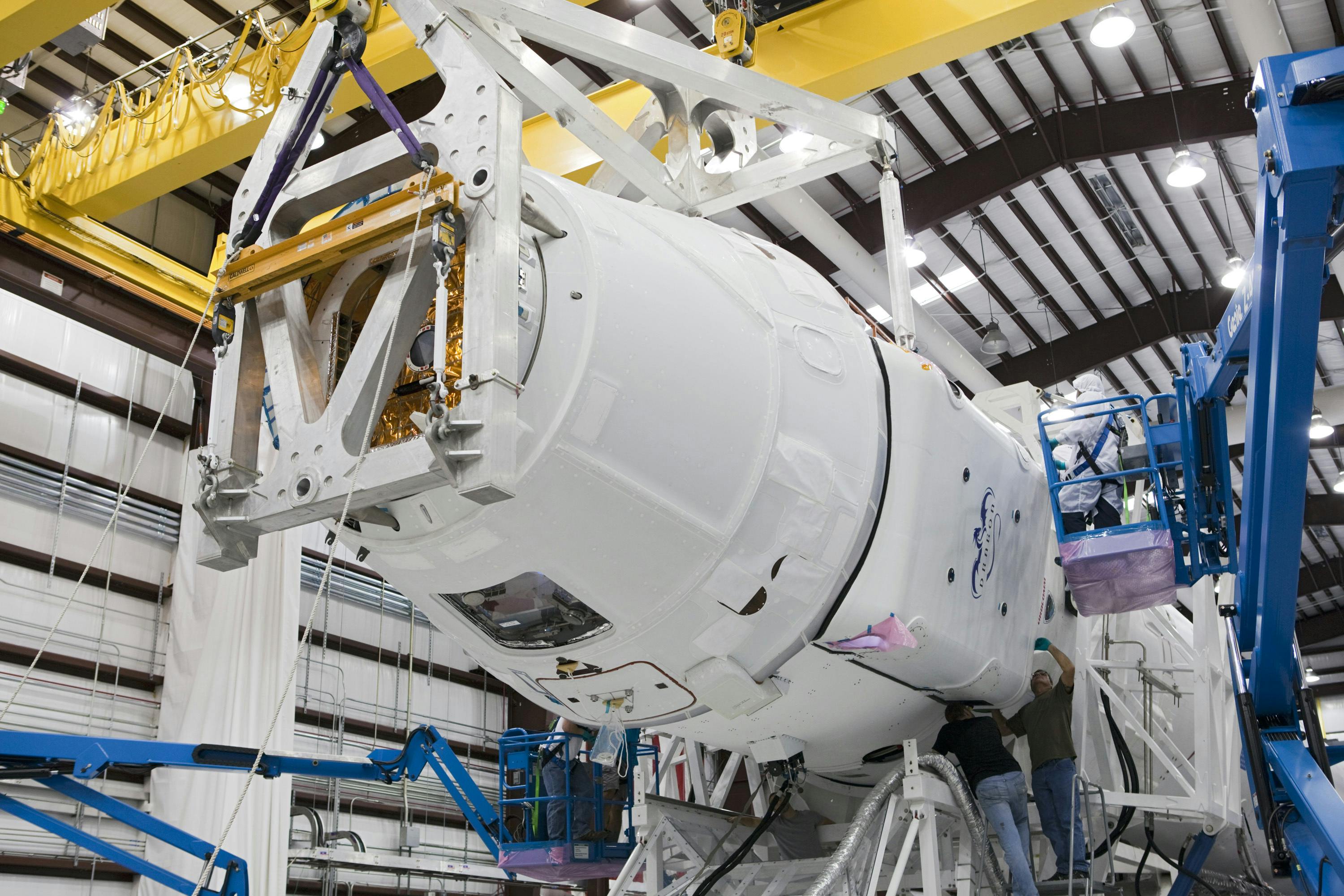
SpaceX completed two launches June 28, orbiting the 15,000-lb SXM-11 satellite and 24 Starlink V2 craft from Vandenberg.
U.S. GSSAP satellites execute coordinated GEO maneuvers for continuous surveillance of Chinese Shijian-29 spacecraft. Handoff approach maintains coverage with zero gaps.

SpaceX delays the launch of 23 Starlink satellites due to geomagnetic storm concerns, adjusting the schedule for an upcoming Falcon 9 mission.