EXPLORER 20 (00870)

COSPAR: 1964-051A | Alt Name: Explorer 20

Image
EXPLORER 20 Satellite Image
Additional Sources
Launch Details

Launch Date

August 25, 1964

Launch Site

AFWTR

Launch Pad

PALC-D

Launch Vehicle

Scout X-4

Orbital Elements

NORAD ID

00870

International Designator

1964-051A

Epoch

Sat, 04 Jul 2026 04:58:00 GMT

Apogee

Calculating...

Perigee

Calculating...

Inclination

79.90°

Right Ascension

260.22°

Eccentricity

Calculating...

Argument of Perigee

238.49°

Period

103.46 min

Mean Motion

13.92 rev/day

Latitude

Calculating...

Longitude

Calculating...

Altitude

Calculating...

Velocity

Calculating...

Polar Plot
3D Visualization
Basic Satellite Info

Name

EXPLORER 20

Alternative Name

Explorer 20

Type

Payload

Status

Unknown

Owner

GSFC

Country

United States

Constellation

N/A

Related Satellites

Major Events

N/A

Latest TLEs
1 00870U 64051A   26185.20694656  .00000143  00000-0  10327-3 0  9995
2 00870  79.8978 260.2185 0096331 238.4874 120.6845 13.91794230135809

Source: Celestrak

Summary

Apologies, there is no summary for this satellite yet. I am working to generate these for every object in the catalog, but it is going to take time.

Physical Characteristics

Length

0.8

Diameter

0.7

Span

37

Dry Mass

44

Launch Mass

44

Shape

DCone + 6 Ant

Radar Cross Section

0.4927

Visual Magnitude

Unknown

Color

Unknown

Material Composition

Unknown

Technical Details

Payload

NASA S-48

Purpose

Research

Mission

Research

Manufacturer

CHAIL

Life Expectancy

Unknown

Bus

S-48

Configuration

Unknown

Motor

None

Equipment

Fixed-Frequency Ionosonde, Spherical Ion-Mass Spectrometer, six sounding antennas

Power System

Solar cells, batteries

ADCS

Unknown

Transmitter Frequency

Unknown

Map
This tool will help you track the satellite's position and predict its upcoming passes over your location. Simply input the coordinates or click the geolocation button to get started.
Next Pass
Azimuth Elevation Time (Local)
Start Azimuth
Max Elevation
Stop Azimuth
Time Until
Pass Duration

Satellite Articles

View All Posts »

Learn more about satellites and other related topics.

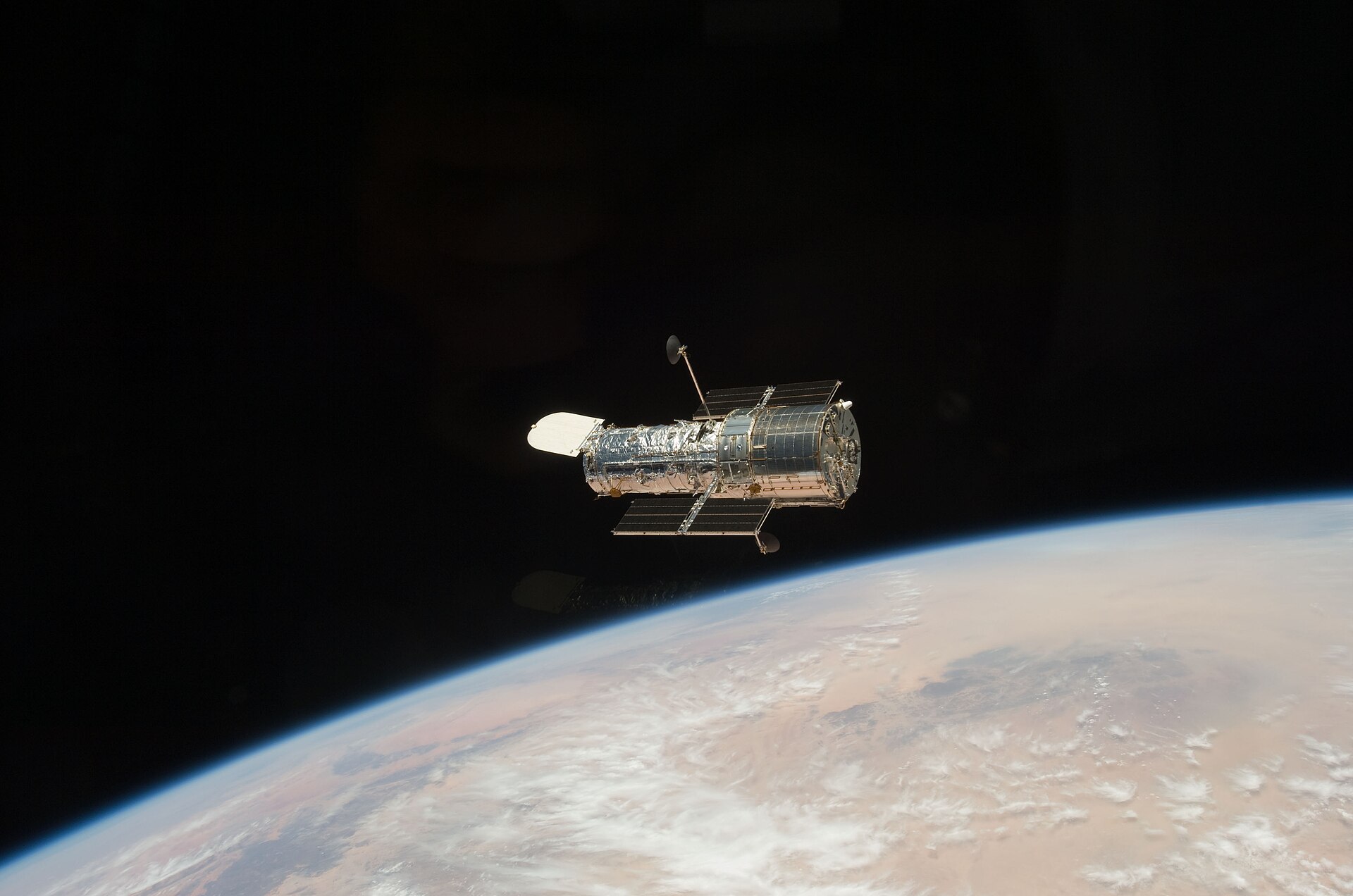
The Telescope That Needed Glasses

The Telescope That Needed Glasses

On April 25, 1990, the Space Shuttle Discovery's robotic arm lifted a 11,110-kilogram barrel of mirrors and instruments out of the payload bay and released it into orbit. Six weeks later, the first images came back badly out of focus. The Hubble Space Telescope had been ground to the wrong prescription, and America had just spent $2.5 billion on what the press was calling a 'technoturkey.'
X Report 20 Sep 2025

X Report 20 Sep 2025

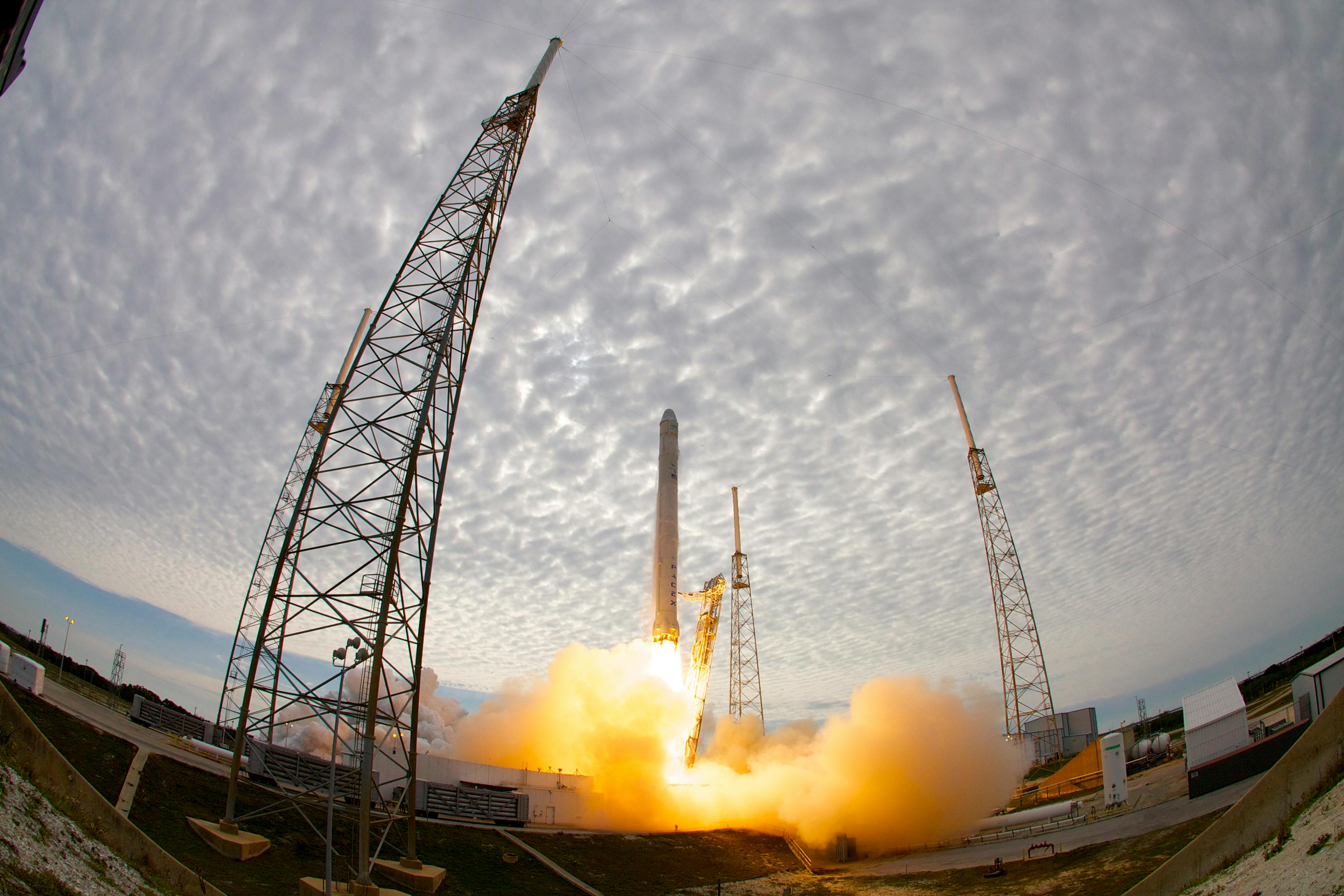
SpaceX successfully launched 24 Starlink satellites from California, enhancing its global internet coverage as the company continues to dominate the satellite communications market.

X Report 5 May 2025

X Report 5 May 2025

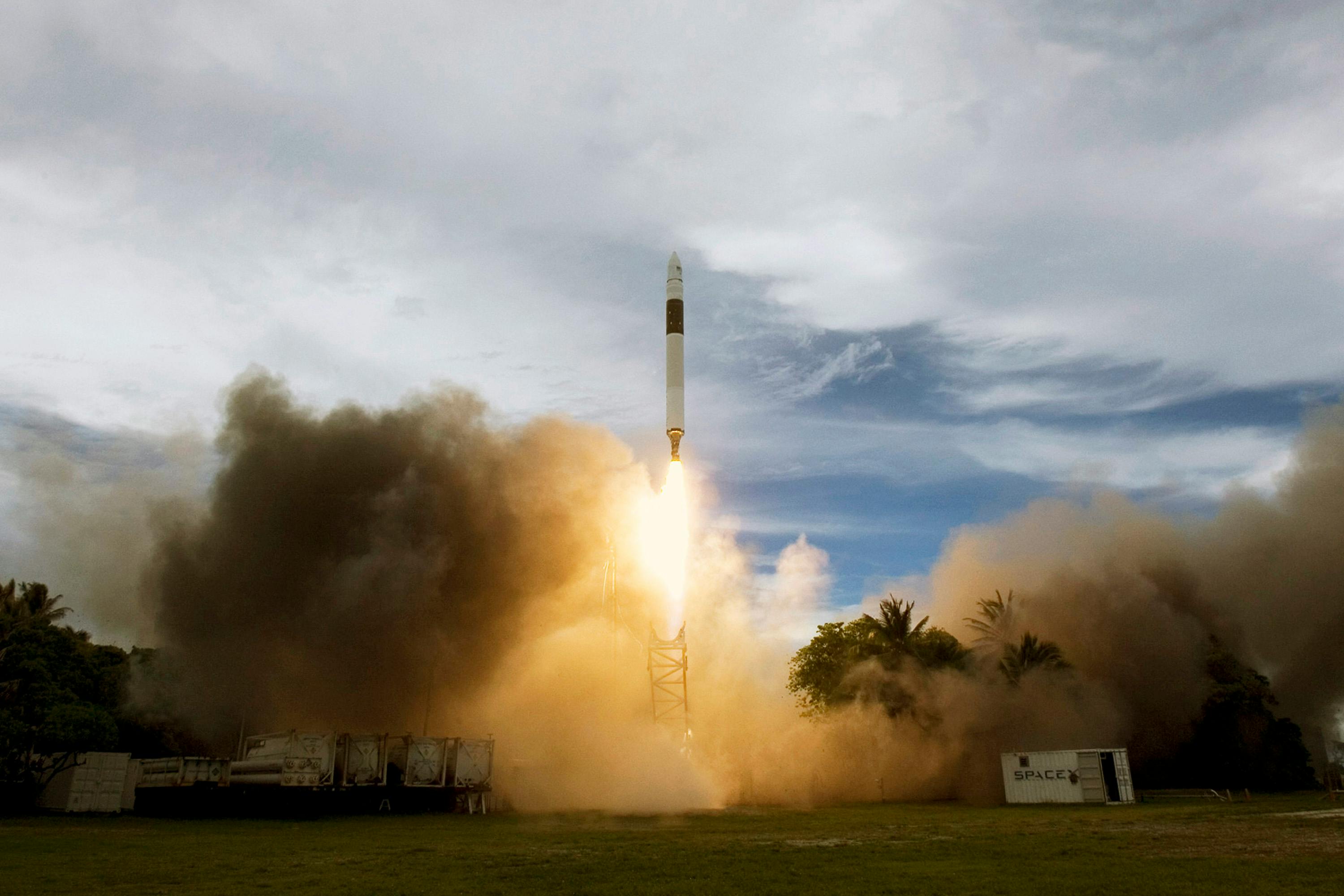
SpaceX celebrated Star Wars Day with a successful launch of Starlink satellites, furthering its mission to enhance global internet access. Lego also revealed a new collectible set tied to the franchise.

The Morning a Supply Ship Tore Open Mir

The Morning a Supply Ship Tore Open Mir

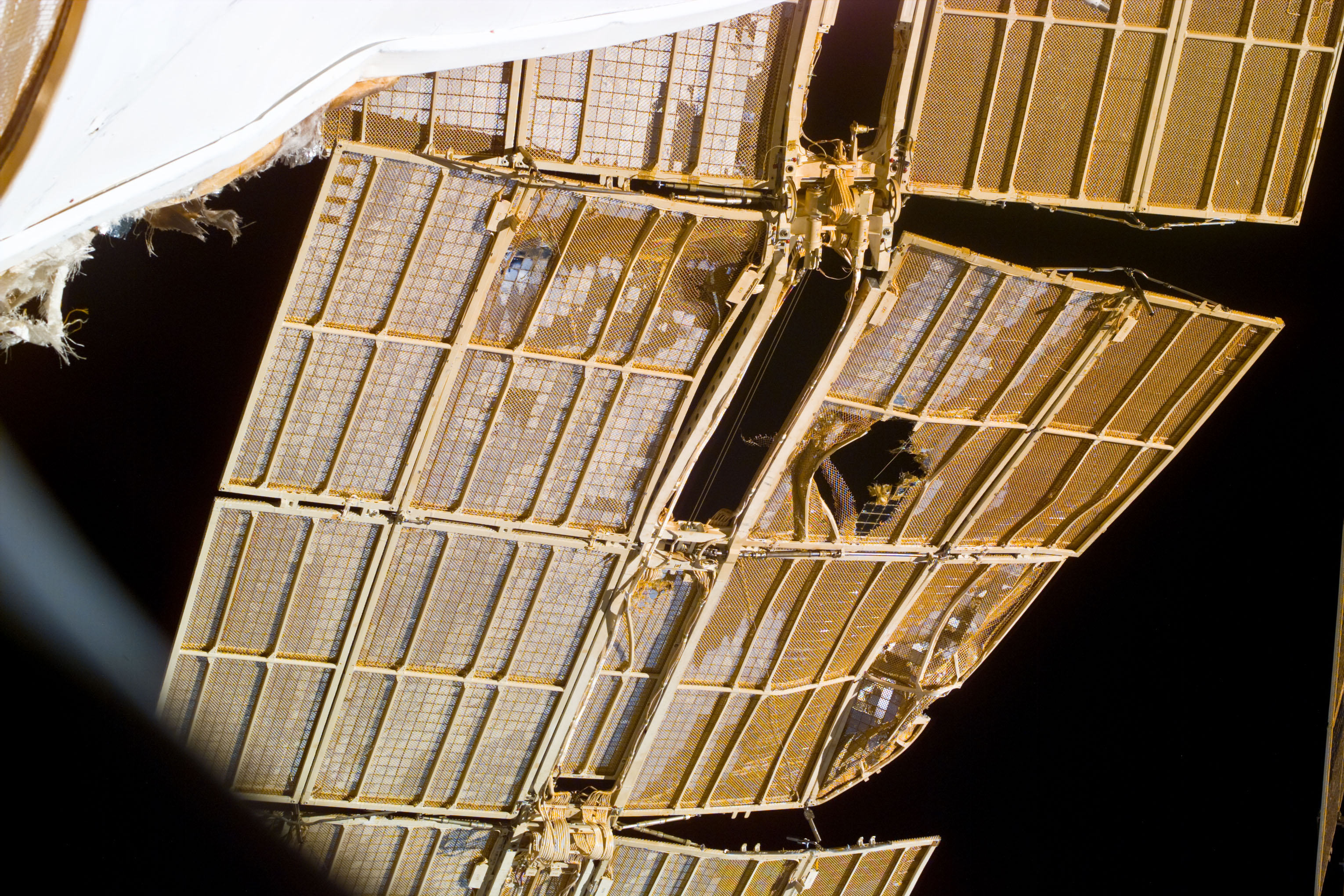
On 25 June 1997, a seven-ton cargo ship under hand control drifted into Mir's Spektr module, breached the hull, and left three crew members listening to their air hiss into space. It remains the worst collision in the history of human spaceflight.

GPS III SV10 | The Last of Its Kind, and the First of What Comes Next

GPS III SV10 | The Last of Its Kind, and the First of What Comes Next

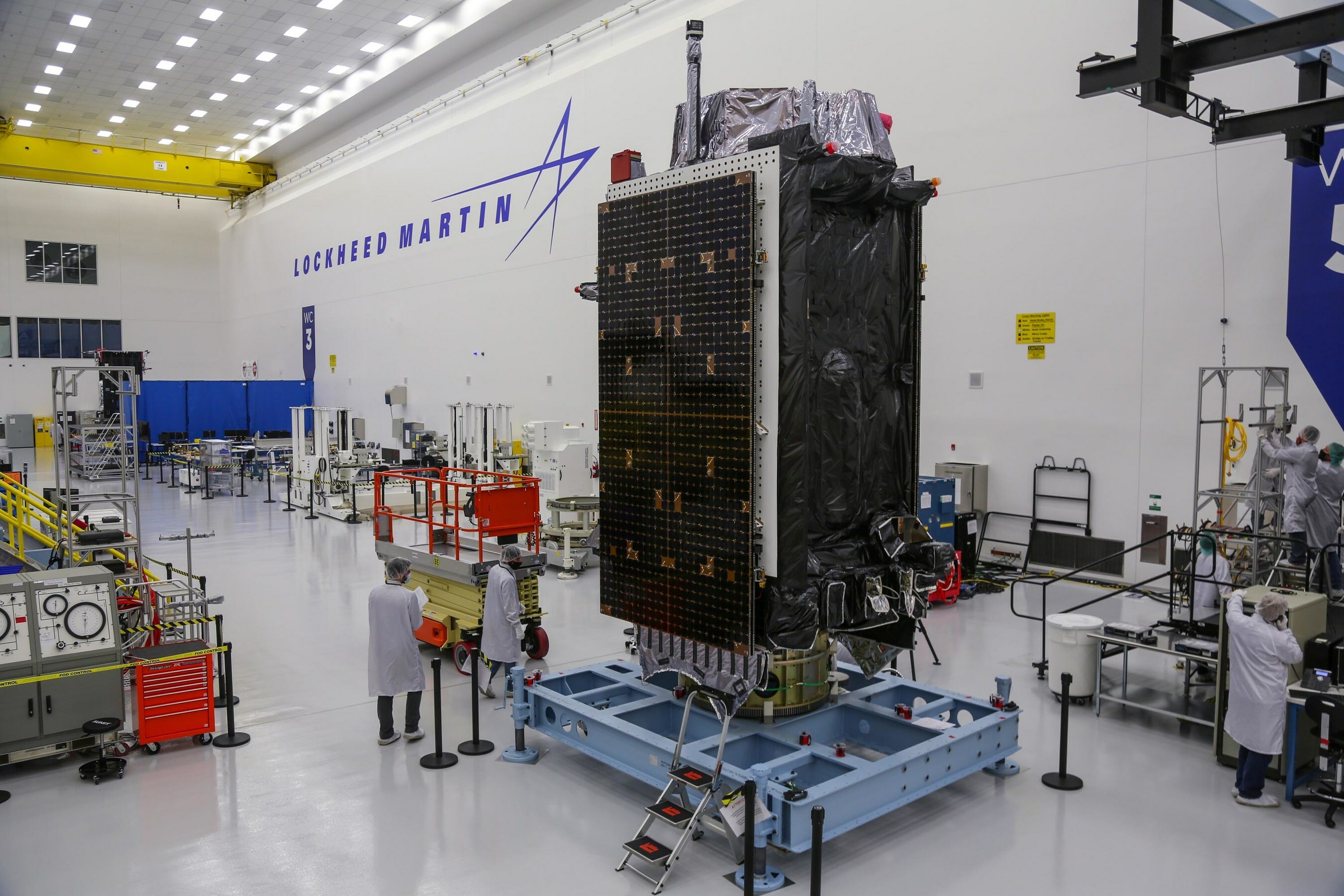
On April 21, 2026, the tenth and final GPS Block III satellite reached medium Earth orbit aboard a SpaceX Falcon 9. Named for Hedy Lamarr, the actress whose 1942 frequency-hopping patent underpins modern GPS, SV10 closes a procurement that took eight years to deliver hardware and opens the optical-crosslink era that will define the constellation's next decade.

Project Vanguard

Project Vanguard

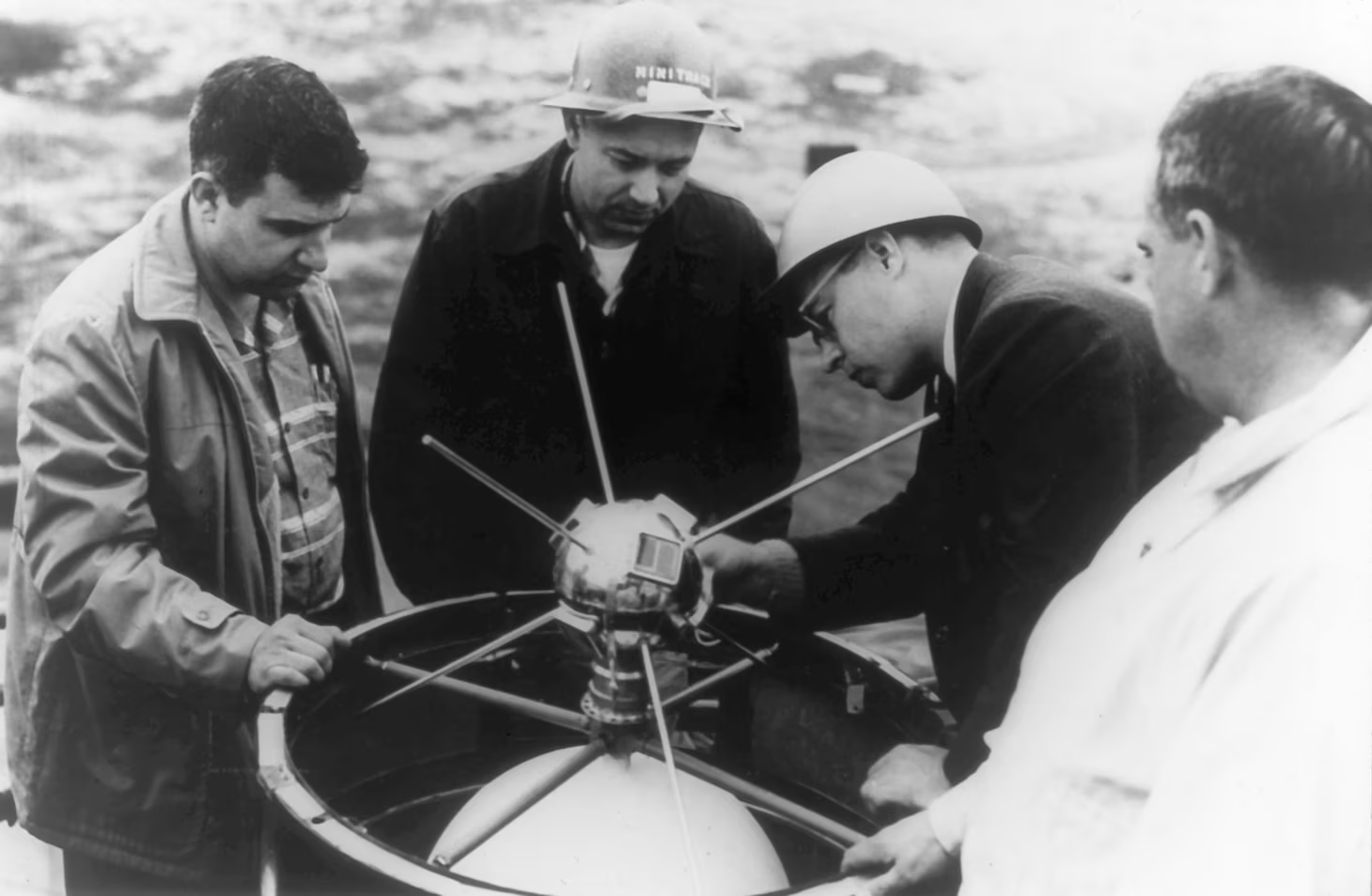
How the U.S. Navy's Vanguard rocket became a Cold War icon, launched the world's oldest satellite still in orbit, and laid the groundwork for NASA's space exploration efforts.

Artemis 2 Crew Arrives for April 1 Lunar Flyby Launch | KeepTrack Space Brief

Artemis 2 Crew Arrives for April 1 Lunar Flyby Launch | KeepTrack Space Brief

Artemis 2 astronauts arrive at KSC for April 1 launch. Four-person crew will fly lunar free-return trajectory, first crewed lunar mission since Apollo 17 in 1972.

New Glenn Achieves First Booster Reuse on Mission 3 | KeepTrack Space Brief

New Glenn Achieves First Booster Reuse on Mission 3 | KeepTrack Space Brief

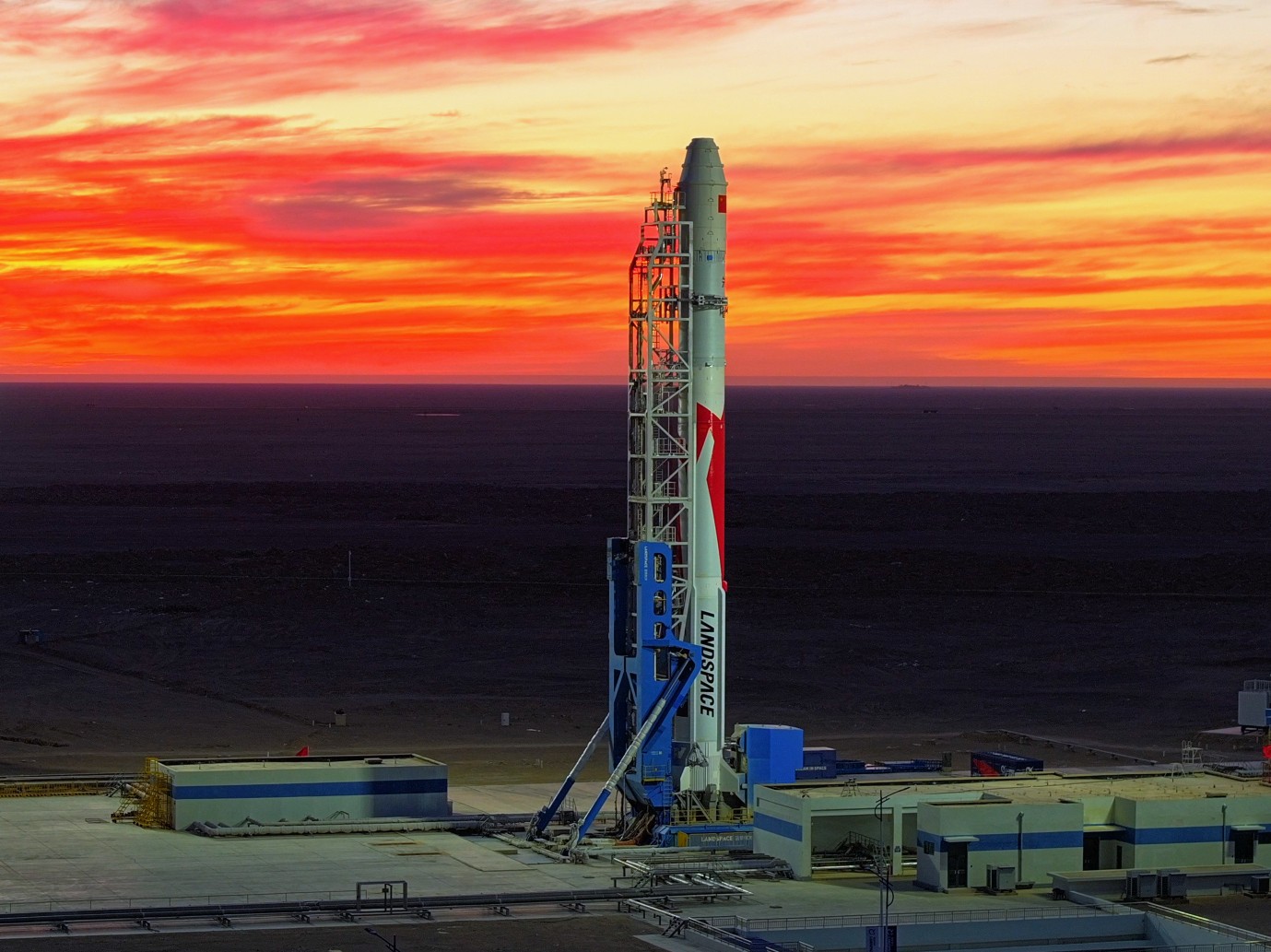
Blue Origin's New Glenn successfully reused its first stage booster for the first time on Mission 3, launching April 19. Booster reuse accelerates operational tempo.