


X Report 29 Jan 2025
Key developments include political attention on SpaceX's ISS crew return and competition forecasts between SpaceX and ULA for national security missions.


Launch Date
January 17, 1976
Launch Site
Launch Pad
LC17B
Launch Vehicle
Delta 2914
NORAD ID
08586
International Designator
1976-004B
Decay Date
2/14/1976
Name
DELTA 1 R/B(1)
Alternative Name
Delta 119
Type
Status
Owner
GSFC
Country
United States
Constellation
N/A
Related Satellites
Major Events
N/A
Length
6
Diameter
1.4
Span
6
Dry Mass
845
Launch Mass
845
Shape
Cyl + Skirt + Nozzle
Radar Cross Section
Unknown
Visual Magnitude
Unknown
Color
Unknown
Material Composition
Unknown
Payload
Delta SSPU DSV-3P-4
Purpose
Unknown
Mission
Unknown
Manufacturer
MDAC
Life Expectancy
Unknown
Bus
Delta/TR-201
Configuration
Unknown
Motor
Unknown
Equipment
Unknown
Power System
Unknown
ADCS
Unknown
Transmitter Frequency
Unknown
Learn more about satellites and other related topics.
Key developments include political attention on SpaceX's ISS crew return and competition forecasts between SpaceX and ULA for national security missions.

Today's Space Brief highlights Innospace's upcoming orbital launch, SpaceX's record-setting Starlink mission, China's Thousand Sails constellation, Atomic-6's new space armor, and developments in SpaceX's West Coast facilities.
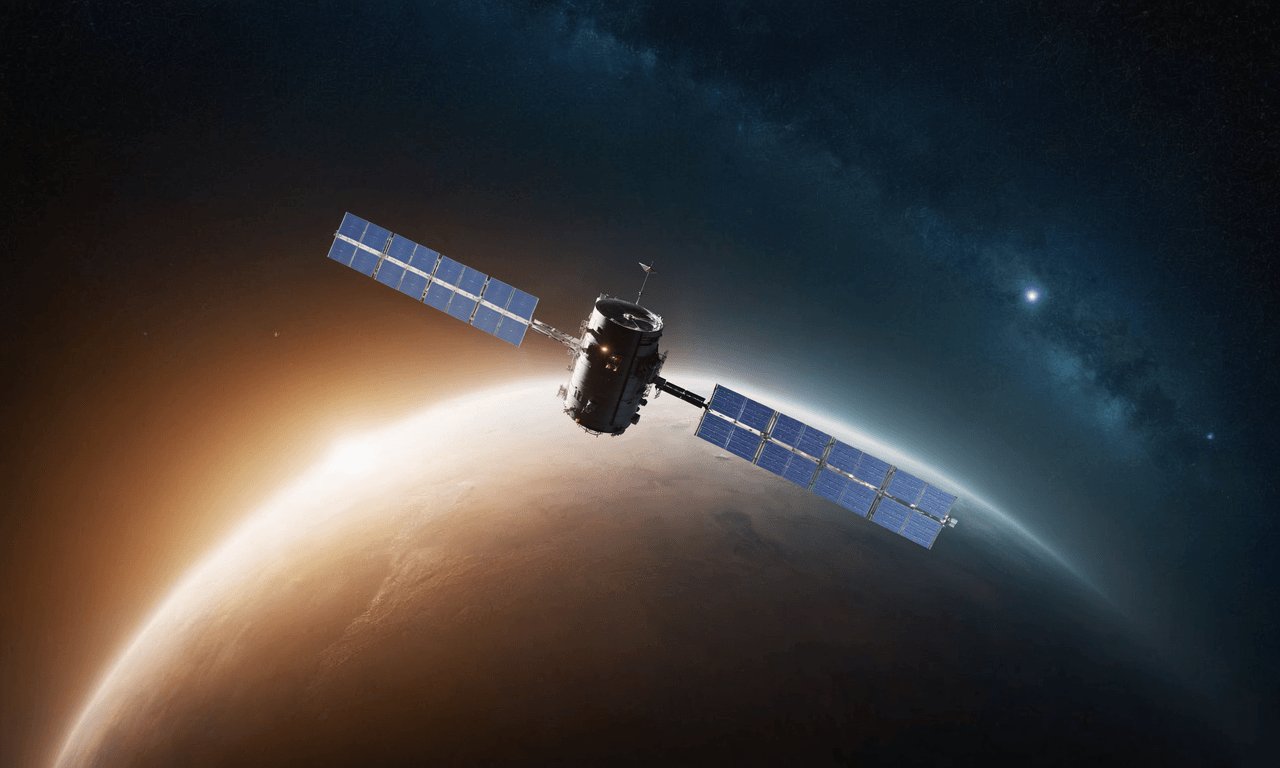
Today's brief highlights SpaceX's Starlink launch, the sale of Telesat's remote communications services, advancements in hypersonic missile tracking, and more on satellite imagery from the NGA.

Congress passes FY2026 spending bill reinstating NASA funding. Slingshot Aerospace wins $27M Space Force contract for AI satellite training. Portal Space selects Atomic-6 debris shield for 2026 mission.
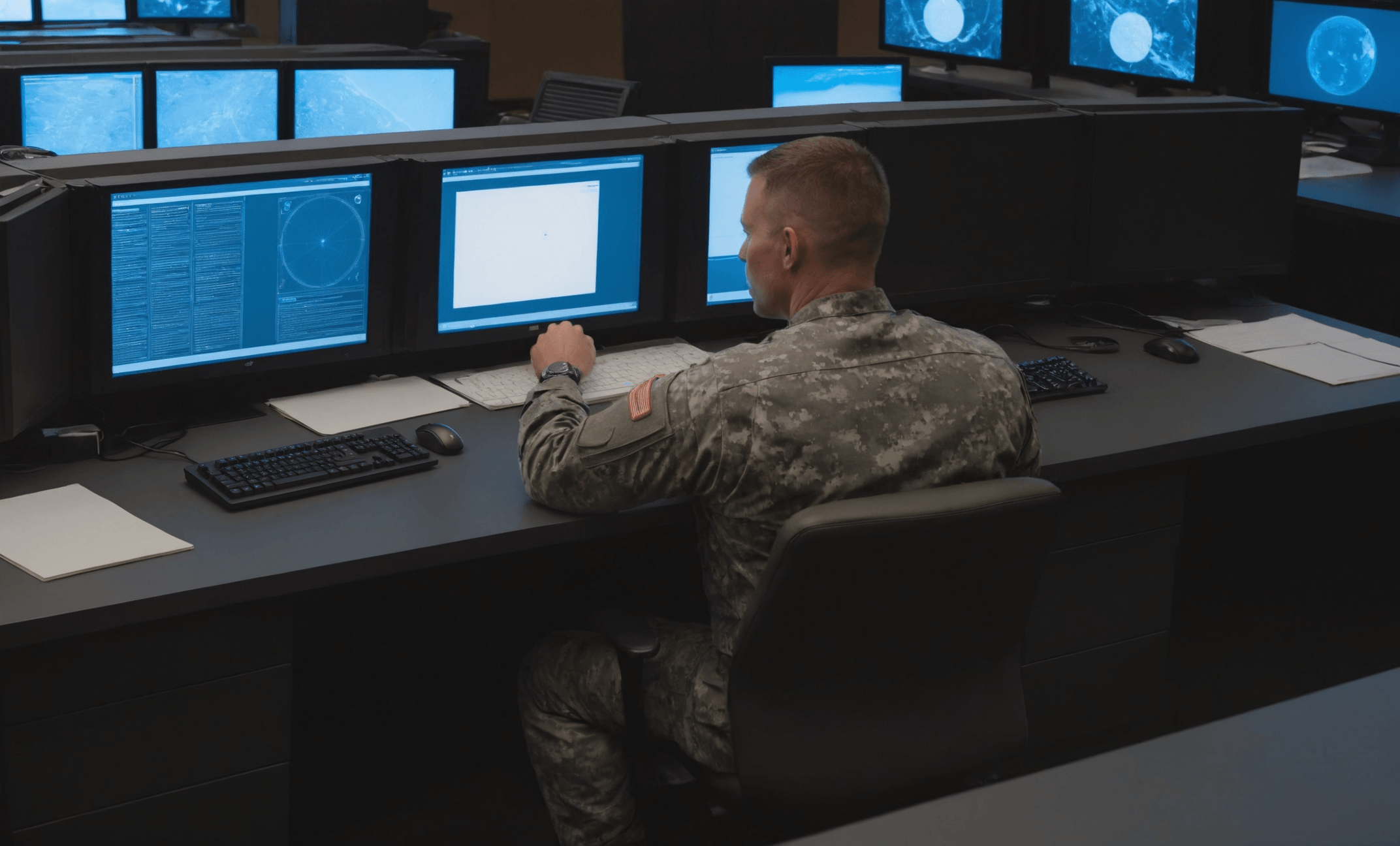
Today's highlights include the destruction of ABL Space Systems' rocket due to engine leaks, Firefly Aerospace's lunar lander pre-launch tests, and insights on U.S. military's space domain awareness enhancements.

Today's highlights include China's launch of classified TJS-14 satellite, Boeing's defense program losses, and the fourth batch launch of Thousand Sails satellites.
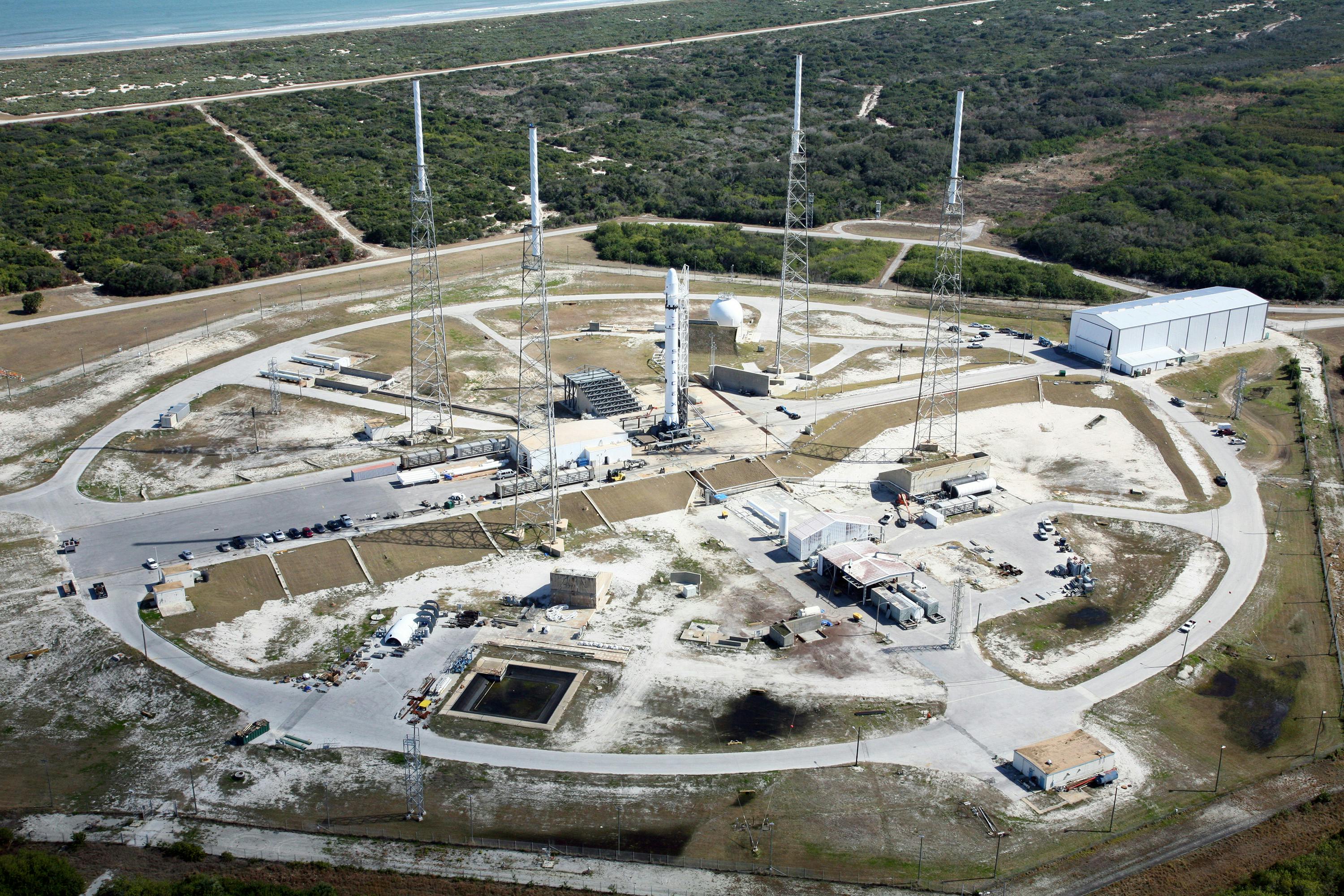
SpaceX's Transporter-17 rideshare carried 81 payloads including history's first nuclear-powered commercial satellite on July 7.

Space debris poses a mounting threat to both satellites and space missions. As we send more objects into orbit, the likelihood of collisions and subsequent breakups producing dangerous space debris increases. Recognizing the major events that have generated this dangerous space junk is pivotal in ensuring the safety of future space missions.