THORAD DELTA 1 DEB (08565)

COSPAR: 1974-089DC | Alt Name: deb Delta 104
DECAYED

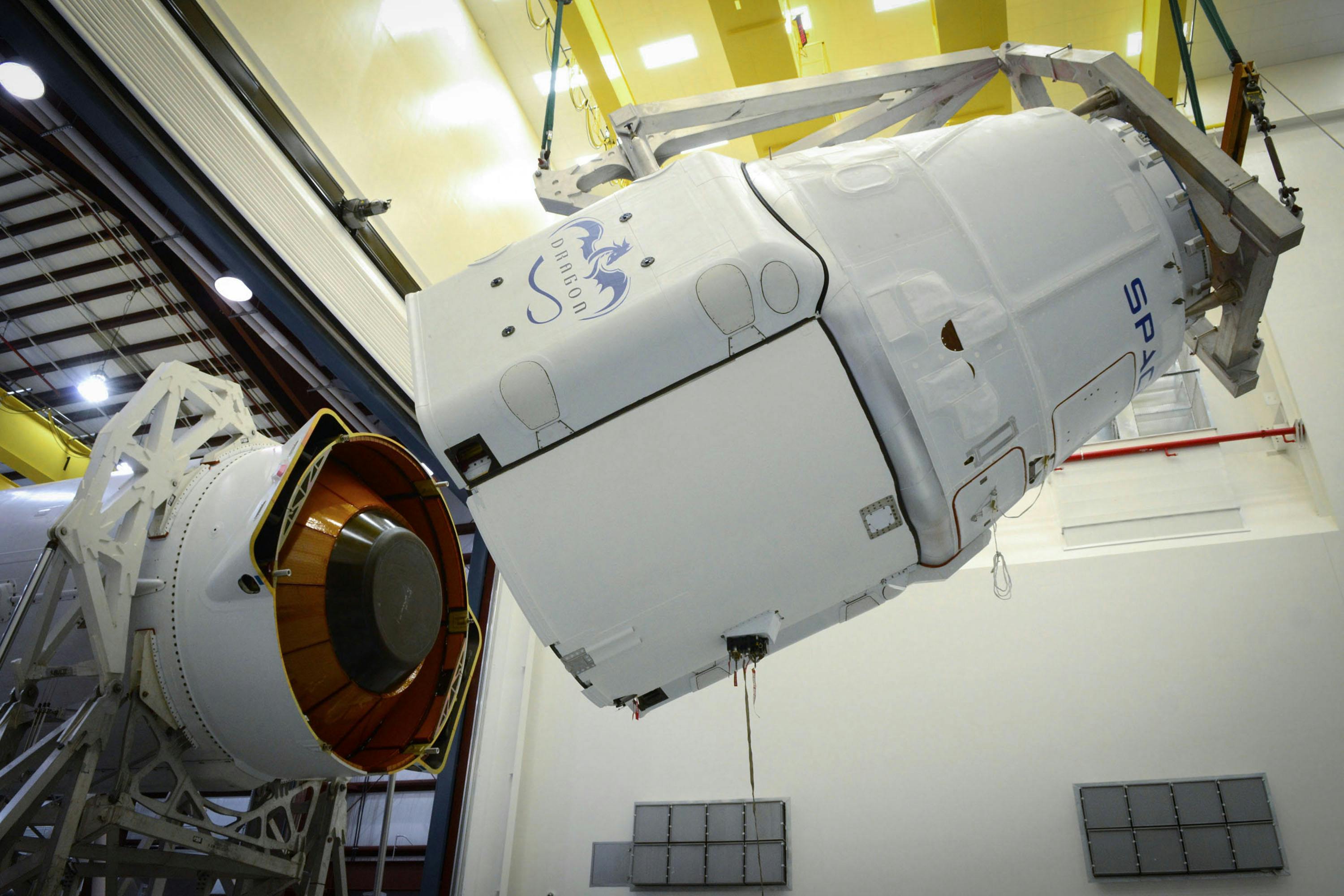
Image
THORAD DELTA 1 DEB Satellite Image
Additional Sources
Launch Details

Launch Date

November 15, 1974

Launch Site

AFWTR

Launch Pad

SLC2W

Launch Vehicle

Delta 2310

Orbital Elements

NORAD ID

08565

International Designator

1974-089DC

Decay Date

5/16/1988

Basic Satellite Info

Name

THORAD DELTA 1 DEB

Alternative Name

deb Delta 104

Type

Debris

Status

Space Junk

Owner

GSFC

Country

United States

Constellation

N/A

Related Satellites

Major Events

N/A

Summary
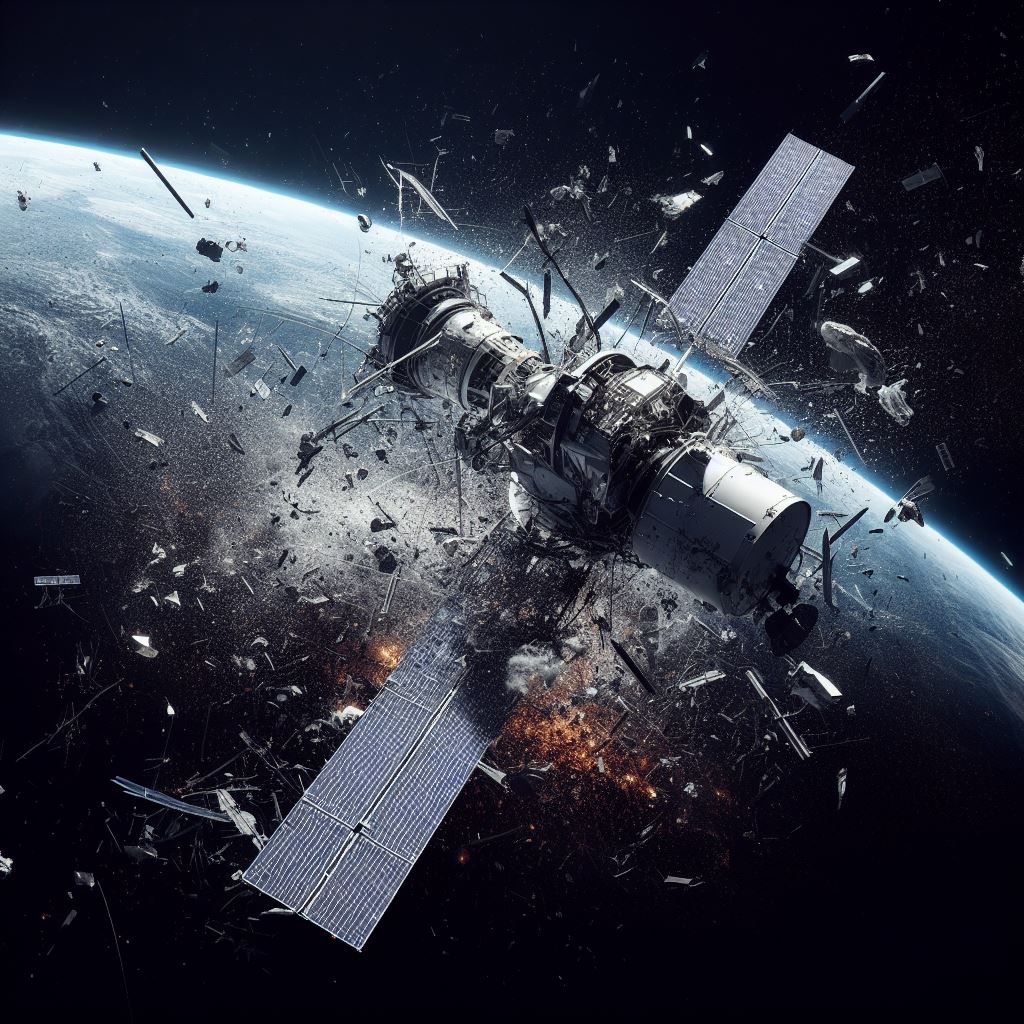
Space debris, also known as space junk, encompasses all non-functional objects orbiting Earth such as defunct satellites, spent rocket stages, and fragments from collisions or disintegrations. Over time, this debris can accumulate and create an increasingly hazardous environment in orbit. Even tiny fragments, traveling at extremely high velocities, can inflict significant damage on operational satellites and spacecraft. If left unmanaged, the density of debris raises the risk of catastrophic collisions and further fragmentation, compounding the problem and threatening the safety and sustainability of space activities.
Physical Characteristics

Length

0

Diameter

0

Span

0

Dry Mass

0

Launch Mass

0

Shape

N/A

Radar Cross Section

0.2121

Visual Magnitude

Unknown

Color

Unknown

Material Composition

Unknown

Technical Details

Payload

Unknown

Purpose

Unknown

Mission

Unknown

Manufacturer

Unknown

Life Expectancy

Unknown

Bus

Unknown

Configuration

Unknown

Motor

Unknown

Equipment

Unknown

Power System

Unknown

ADCS

Unknown

Transmitter Frequency

Unknown

Satellite Articles

View All Posts »

Learn more about satellites and other related topics.

Trump Seeks Starlink for Iran Internet, China Plans 200,000-Satellite Constellation | KeepTrack Space Brief

Trump Seeks Starlink for Iran Internet, China Plans 200,000-Satellite Constellation | KeepTrack Space Brief

Trump seeks Musk's help to restore internet in Iran via Starlink. China files for 200,000-satellite constellation. Sweden allocates $1.6B for air defense and $140M for space capabilities.

The Day That Humans Discovered Rocket Fuel

The Day That Humans Discovered Rocket Fuel

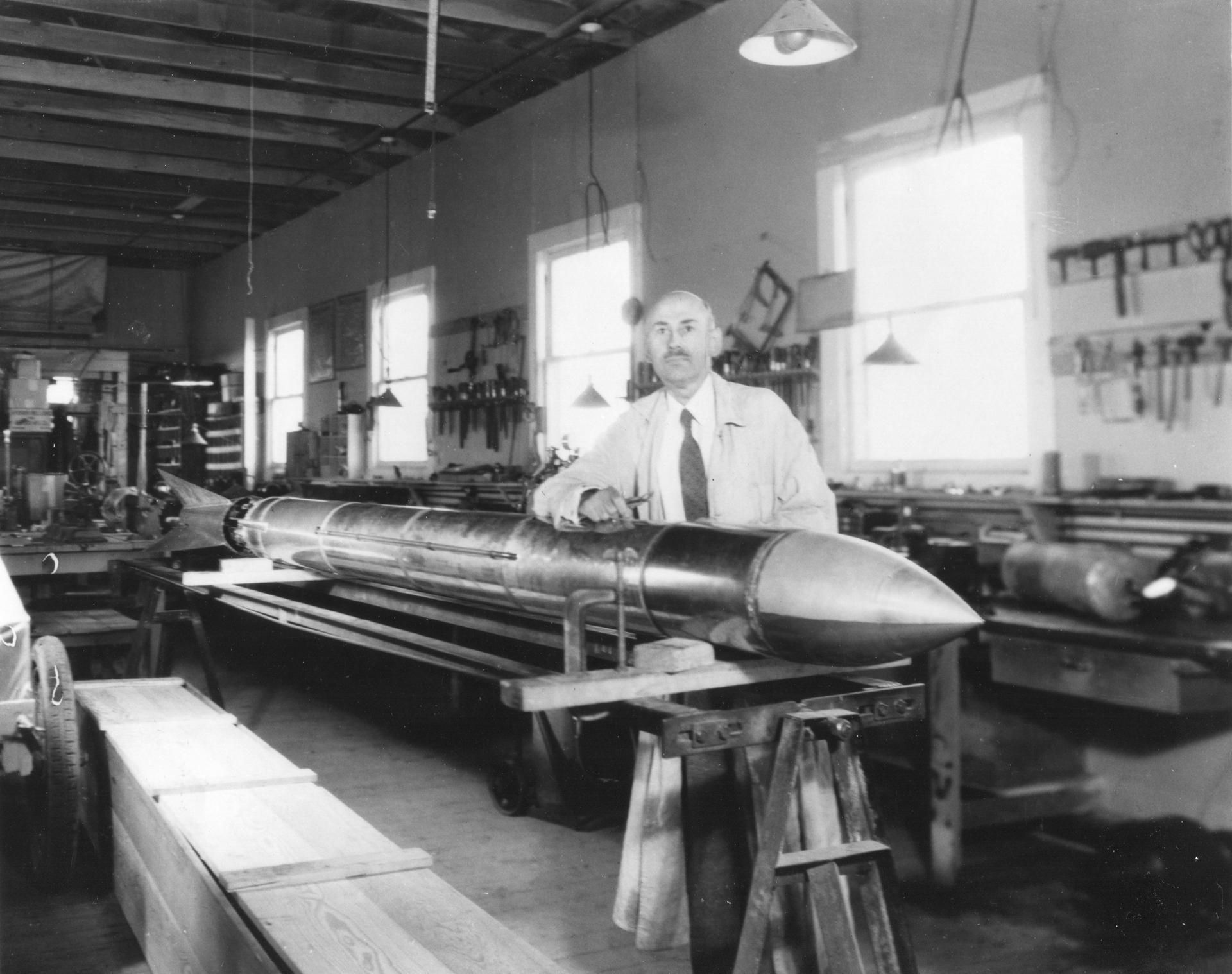
On February 2, 1909, Robert Goddard made a revolutionary breakthrough in his notebook: liquid oxygen and liquid hydrogen could achieve 50% efficiency in converting heat energy to kinetic energy for rocket propulsion

Space Brief 7 May 2025

Space Brief 7 May 2025

Today's briefing focuses on key developments in military space activities, technological advancements, and strategic challenges faced by the U.S. in space dominance. Notably, the Space Force is expanding its missile warning capabilities, and significant funding discussions are underway.

Space Brief 3 Feb 2025

Space Brief 3 Feb 2025

Today's brief covers SpaceX's continued Starlink expansions, Japan's successful Michibiki satellite launch, and challenges faced by India's navigation satellite. Stay updated on crucial satellite events and launches.

X Report 4 Oct 2025

X Report 4 Oct 2025

SpaceX continues to push forward with significant milestones, including the launch of additional Starlink satellites and progress on spectrum acquisitions.

ESA-China SMILE Mission Reaches Orbit After 10-Year Push | KeepTrack Space Brief

ESA-China SMILE Mission Reaches Orbit After 10-Year Push | KeepTrack Space Brief

ESA-China SMILE spacecraft successfully launched from Kourou to image Earth's magnetosphere. First continuous global views of solar wind interaction now in orbit.

Falling Space Debris Risk to Aircraft Grows, North Korea Tests Hypersonic Missiles | KeepTrack Space Brief

Falling Space Debris Risk to Aircraft Grows, North Korea Tests Hypersonic Missiles | KeepTrack Space Brief

Experts warn falling space debris risk to aircraft is increasing. North Korea tests advanced hypersonic missiles. Space Force seeks launch providers for Cape Canaveral and Vandenberg pads.

X Report 28 Nov 2024

X Report 28 Nov 2024

SpaceX advances with Starship, gains FCC approval for new services, and predicts a future shift in spacecraft dominance.