


X Report 20 May 2025
SpaceX gears up for new Starlink shell deployment and secures updated licensing for Starship, amidst ongoing preparations for Falcon 9 launches.


Launch Date
January 6, 1976
Launch Site
PLMSC
Launch Pad
LC132/1
Launch Vehicle
Kosmos 11K65M
NORAD ID
08531
International Designator
1976-001B
Decay Date
3/15/1981
Name
SL-8 R/B
Alternative Name
Kosmos-3M 31-269 Stage 2
Type
Status
Owner
RVSN
Country
USSR
Constellation
N/A
Related Satellites
Major Events
N/A
Length
4.2
Diameter
2.4
Span
4.2
Dry Mass
1434
Launch Mass
1434
Shape
Cyl
Radar Cross Section
17.09
Visual Magnitude
Unknown
Color
Unknown
Material Composition
Unknown
Payload
S3M
Purpose
Unknown
Mission
Unknown
Manufacturer
OAZ
Life Expectancy
Unknown
Bus
S3
Configuration
Unknown
Motor
Unknown
Equipment
Unknown
Power System
Unknown
ADCS
Unknown
Transmitter Frequency
Unknown
Learn more about satellites and other related topics.
SpaceX gears up for new Starlink shell deployment and secures updated licensing for Starship, amidst ongoing preparations for Falcon 9 launches.

Boeing opens new facility to boost missile-tracking sensor production for military satellites. Tory Bruno joins Blue Origin for national security projects. 25 Starlink sats launched.
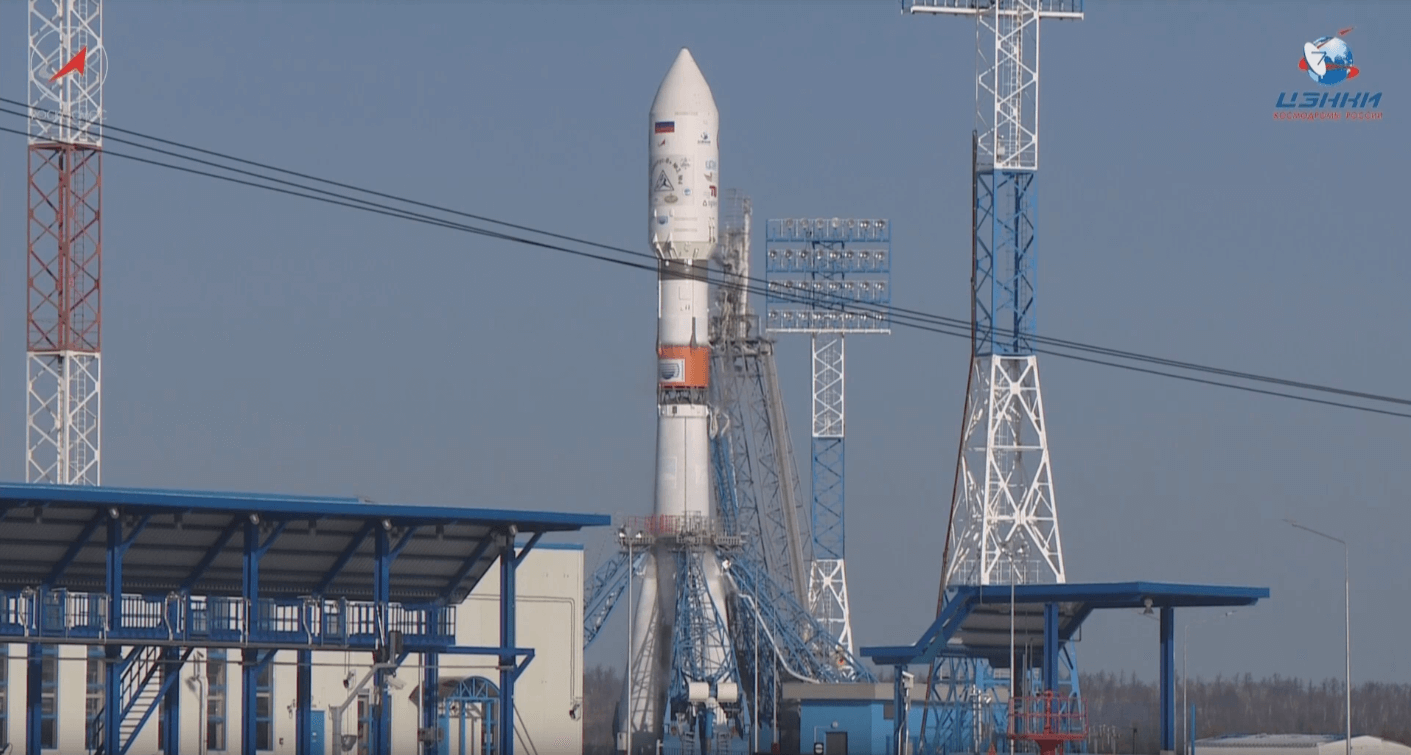
Today's highlights include Canada's and Australia's investment in hypersonic defense, China's successful test of an inflatable space module, and Sweden's support of Ukrainian missile and drone production.

SpaceX bids farewell to LZ-1 while continuing its mission towards advancements in satellite technology and the ongoing Starlink project.

Key developments in the space sector include new partnerships for satellite surveillance, strategic shifts from the Defense Department impacting weather forecasting, and the Space Force's focus on agile satellite technologies.
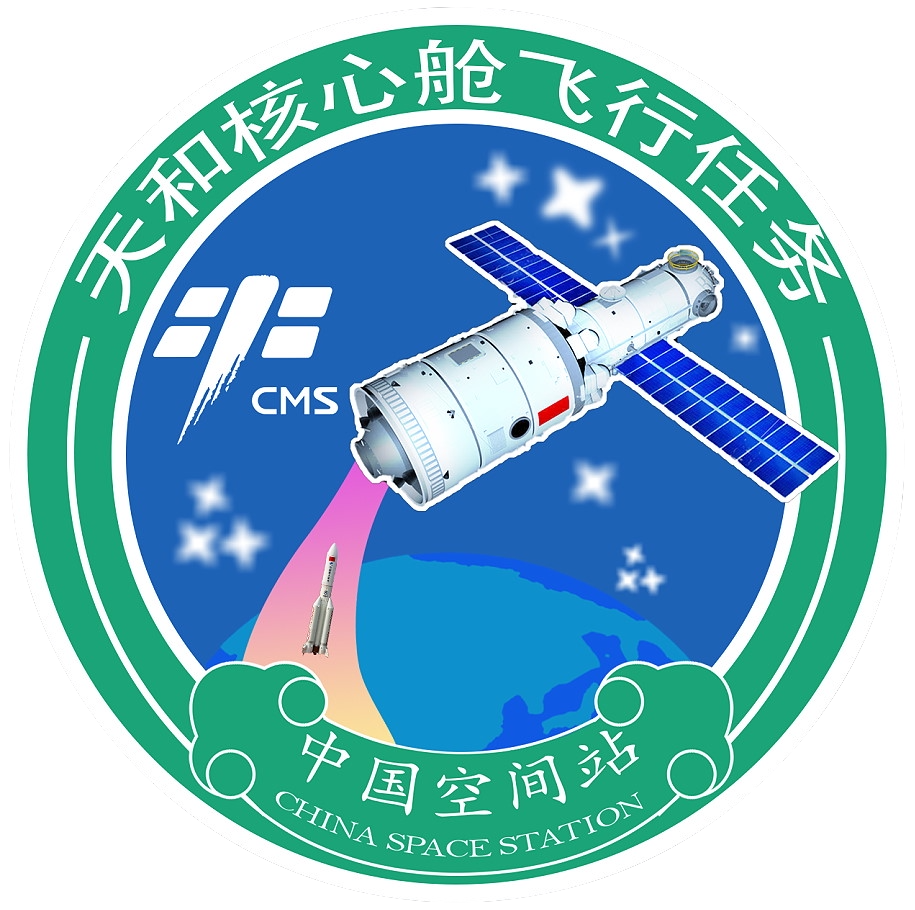
Today's highlights include the cancellation of Starship landing plans, Planet Labs' defense expansion, and cutting-edge radiation-hardened tech for space and defense.
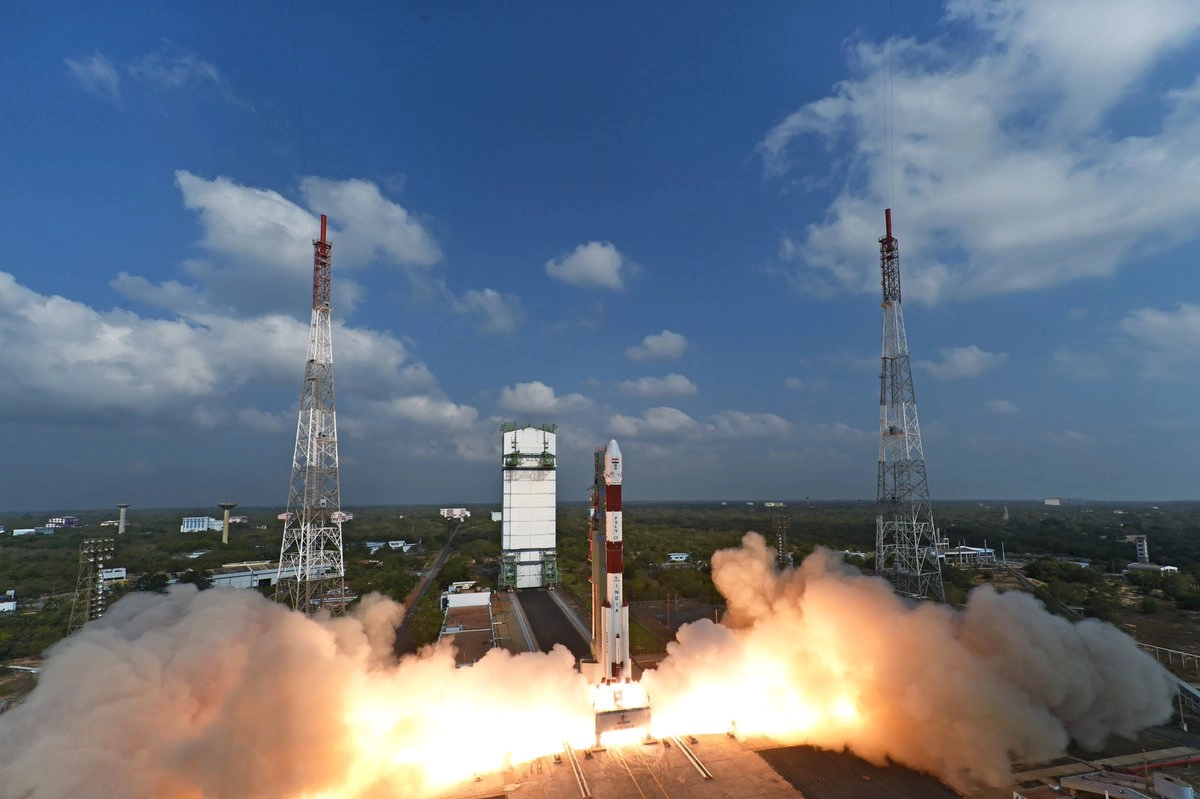
Eight years ago, a single Indian rocket launched 104 satellites into orbit, marking a pivotal moment when space tracking professionals realized the dawn of a new, congested era in orbital operations
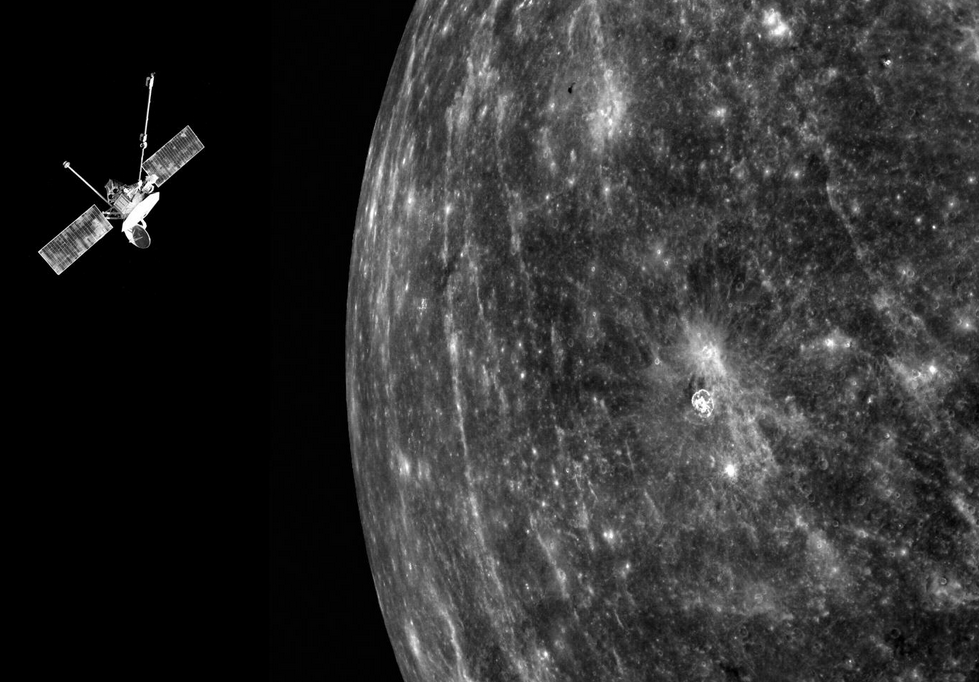
Fifty-one years ago, Mariner 10 revolutionized space exploration by executing the first-ever planetary gravity assist at Venus, pioneering a technique that would transform how we explore the solar system