COSMOS 38 (00853)

COSPAR: 1964-046A | Alt Name: Kosmos-38
DECAYED

Image
COSMOS 38 Satellite Image
Additional Sources
Launch Details

Launch Date

August 18, 1964

Launch Pad

LC41/15

Launch Vehicle

Kosmos 65S3

Orbital Elements

NORAD ID

00853

International Designator

1964-046A

Decay Date

11/8/1964

Basic Satellite Info

Name

COSMOS 38

Alternative Name

Kosmos-38

Type

Payload

Status

Decayed

Owner

OKB10

Country

USSR

Constellation

N/A

Related Satellites

Major Events

N/A

Summary

Apologies, there is no summary for this satellite yet. I am working to generate these for every object in the catalog, but it is going to take time.

Physical Characteristics

Length

0.8

Diameter

0.8

Span

0.8

Dry Mass

50

Launch Mass

50

Shape

Poly

Radar Cross Section

Unknown

Visual Magnitude

Unknown

Color

Unknown

Material Composition

Unknown

Technical Details

Payload

Strela-1 GVM No. 02L

Purpose

Unknown

Mission

Unknown

Manufacturer

OKB10

Life Expectancy

Unknown

Bus

Strela-1 11F610

Configuration

Unknown

Motor

Unknown

Equipment

Unknown

Power System

Unknown

ADCS

Unknown

Transmitter Frequency

Unknown

Satellite Articles

View All Posts »

Learn more about satellites and other related topics.

Crew-11 Astronauts Arrive in Houston After Historic ISS Evacuation | KeepTrack X Report

Crew-11 Astronauts Arrive in Houston After Historic ISS Evacuation | KeepTrack X Report

Crew-11 astronauts arrive in Houston following first-ever ISS medical evacuation. Starlink continues robust satellite deployment schedule with ongoing constellation expansion.

The Day Superpowers Shared Space

The Day Superpowers Shared Space

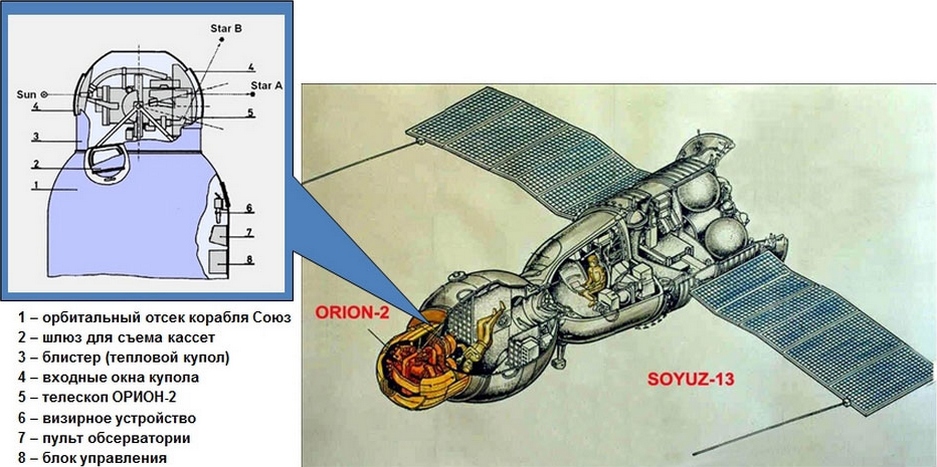
Exactly 52 years ago today, the Soviet Union launched Soyuz 13 - a scientific mission that marked the first time American astronauts and Soviet cosmonauts orbited Earth simultaneously. Armed with a revolutionary ultraviolet telescope, Pyotr Klimuk and Valentin Lebedev would discover elements never before seen in distant nebulae.

The Looming Crisis of Orbital Debris

The Looming Crisis of Orbital Debris

As humanity increasingly relies on satellites, the escalating space junk problem poses a dire threat to our space-based infrastructure. With debris counts reaching alarming levels, urgent action is needed to prevent a cascade of collisions that could make key orbits unusable.

Starlink Satellites Dominate Earth's Orbit

Starlink Satellites Dominate Earth's Orbit

SpaceX's Starlink constellation has grown at an astonishing rate, now accounting for over 20% of all trackable objects in orbit. With plans for tens of thousands more, Starlink is on the cusp of forever changing the landscape of Earth's near-space environment.

Space Brief 9 Jul 2025

Space Brief 9 Jul 2025

Today's brief covers the U.S. Space Force's new international strategy, Northrop Grumman's Golden Dome project, and ULA's Vulcan launches, alongside military budget priorities.

SpaceX Launches Twilight Rideshare With 40 Payloads Including NASA Pandora | KeepTrack X Report

SpaceX Launches Twilight Rideshare With 40 Payloads Including NASA Pandora | KeepTrack X Report

SpaceX launches Twilight rideshare from Vandenberg carrying ~40 payloads including NASA's Pandora satellite. Kepler debuts 10 optical data relay satellites. OroraTech thermal sensors integrated.

The Day Two Satellites Said Hello at 26,000 Miles Per Hour

The Day Two Satellites Said Hello at 26,000 Miles Per Hour

Seventeen years ago today, an operational American communications satellite and a dead Russian military relay crossed paths over Siberia. What happened next created more than 2,000 pieces of trackable debris - and fundamentally changed how the world thinks about space traffic.

X Report 9 Nov 2025

X Report 9 Nov 2025

SpaceX successfully launched 29 new Starlink satellites today, further expanding its satellite internet constellation amidst growing competition in the space broadband market.