

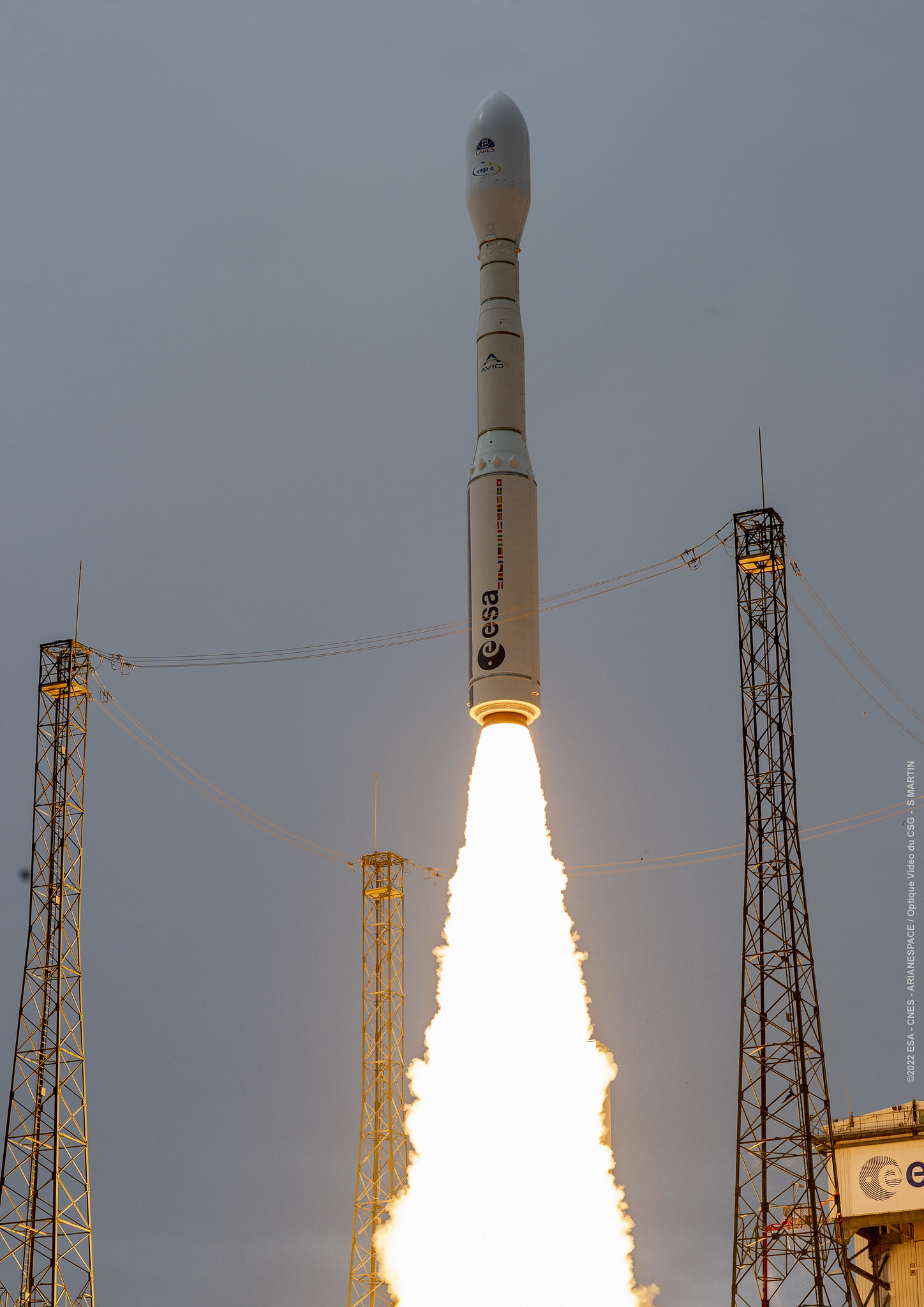
Space Brief 23 Nov 2025
Today's highlights include a space debris incident involving China's spacecraft, development advancements for military space missions, and a notable setback for SpaceX's Starship booster.


Launch Date
August 14, 1964
Launch Site
Launch Pad
LC31
Launch Vehicle
Vostok 8A92
NORAD ID
00848
International Designator
1964-044A
Decay Date
8/22/1964
Name
COSMOS 37
Alternative Name
Kosmos-37
Type
Status
Owner
GURVO
Country
USSR
Constellation
N/A
Related Satellites
Major Events
N/A
Apologies, there is no summary for this satellite yet. I am working to generate these for every object in the catalog, but it is going to take time.
Length
6.5
Diameter
2.4
Span
6.5
Dry Mass
2100
Launch Mass
2100
Shape
Sphere + DCone
Radar Cross Section
Unknown
Visual Magnitude
Unknown
Color
Unknown
Material Composition
Unknown
Payload
Zenit-2 No. 22L
Purpose
Unknown
Mission
Unknown
Manufacturer
OKB1F3
Life Expectancy
Unknown
Bus
Zenit-2
Configuration
Unknown
Motor
Unknown
Equipment
Unknown
Power System
Unknown
ADCS
Unknown
Transmitter Frequency
Unknown
Learn more about satellites and other related topics.
Today's highlights include a space debris incident involving China's spacecraft, development advancements for military space missions, and a notable setback for SpaceX's Starship booster.

Today's space news features major US Space Force satellite launches, regulatory changes supporting private space initiatives, and updates on SpaceX's Starship advances.
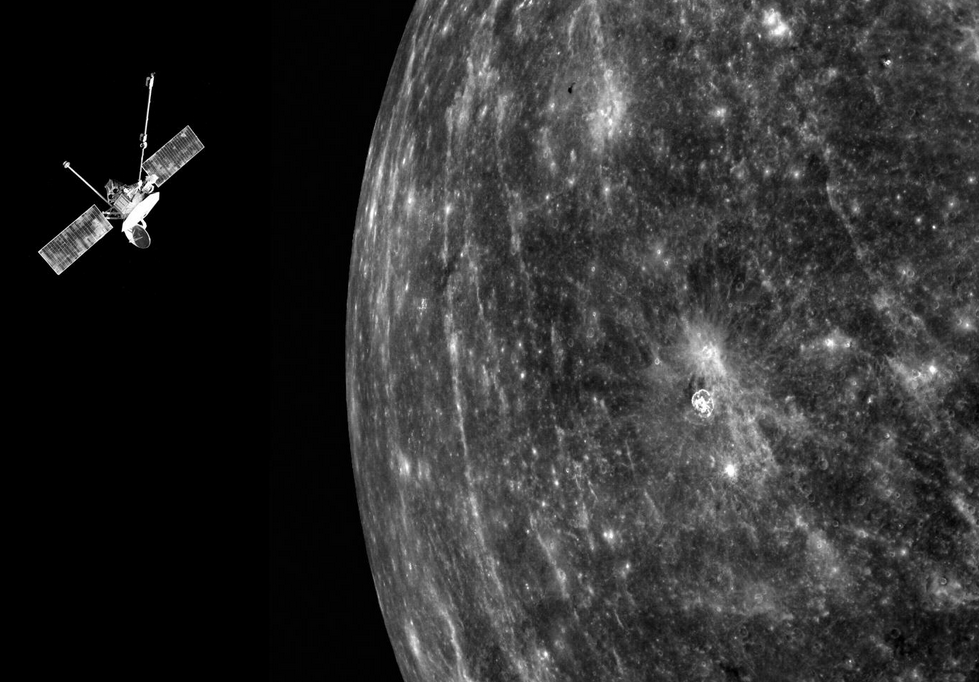
Fifty-one years ago, Mariner 10 revolutionized space exploration by executing the first-ever planetary gravity assist at Venus, pioneering a technique that would transform how we explore the solar system
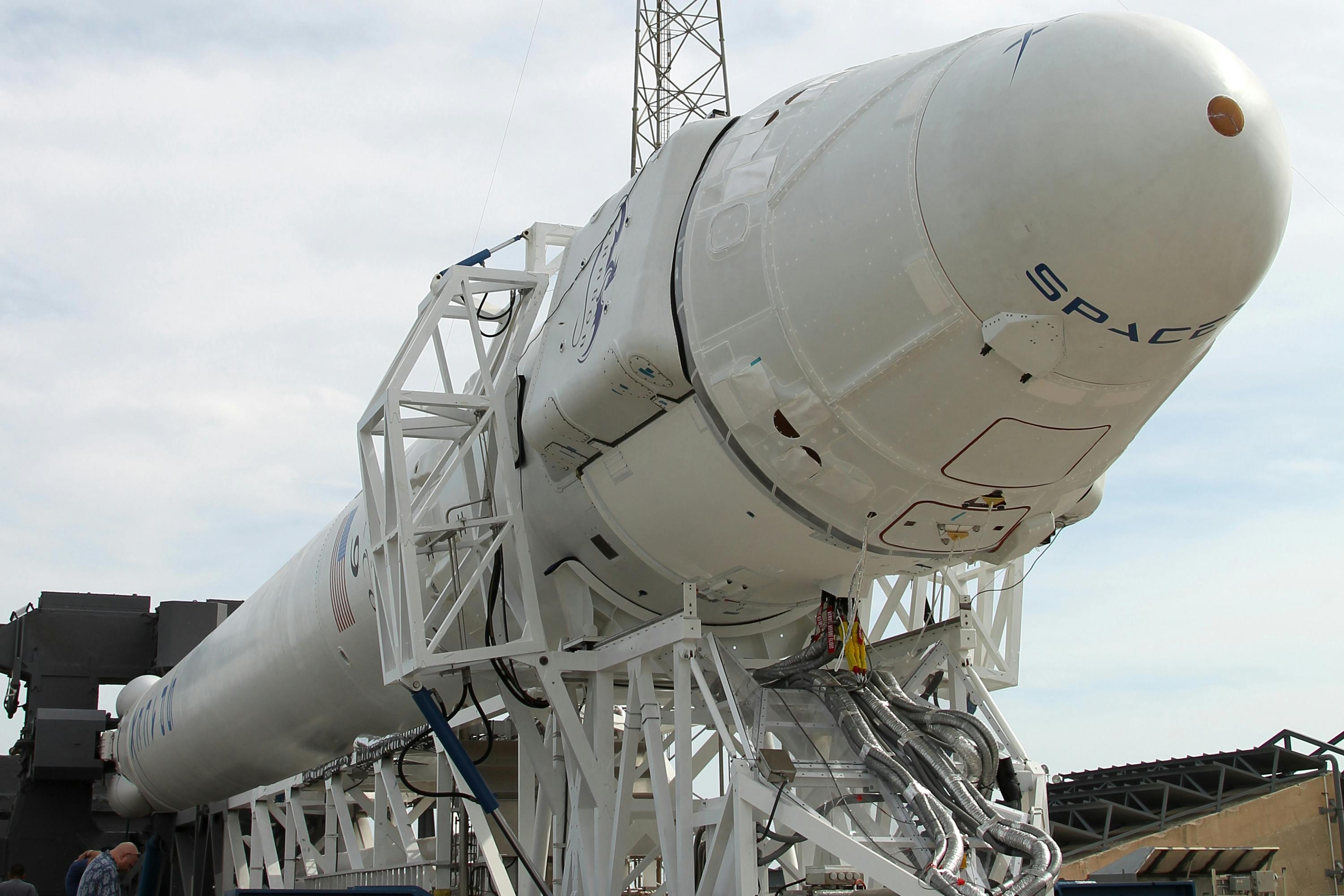
SpaceX targets July 16 for Starship Flight 13 from Starbase, aiming to fix Flight 12 issues and deploy working Starlink satellites.
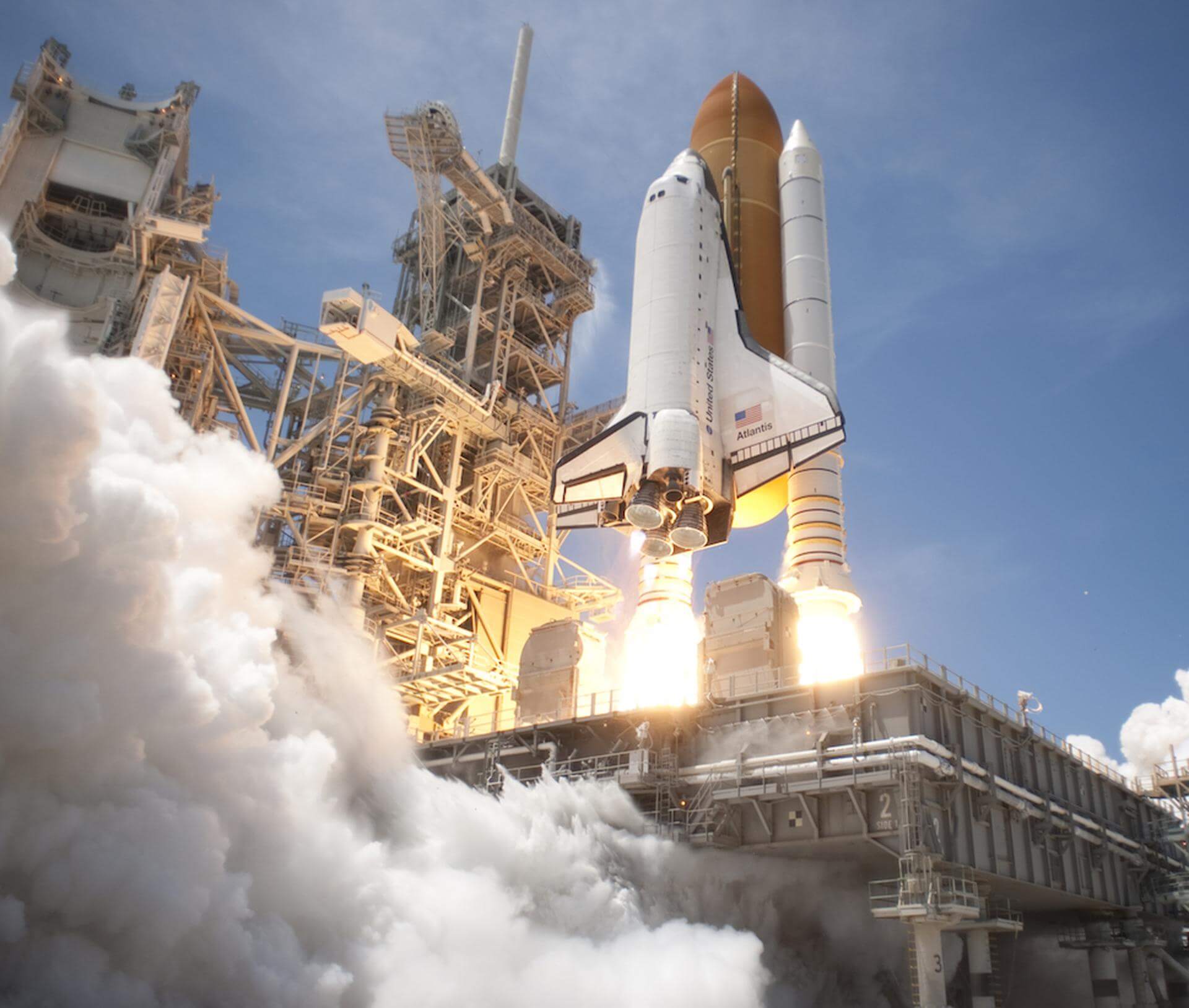
Artemis II crew surpassed Apollo 13's distance record during April 6 lunar flyby. Orion carried 4 astronauts—including Canadian Jeremy Hansen—farther from Earth than any humans.

U.S. Space Force executes first tactical orbital intercept under Victus Haze mission using commercial spacecraft. Rendezvous and proximity operations now operationally demonstrated.
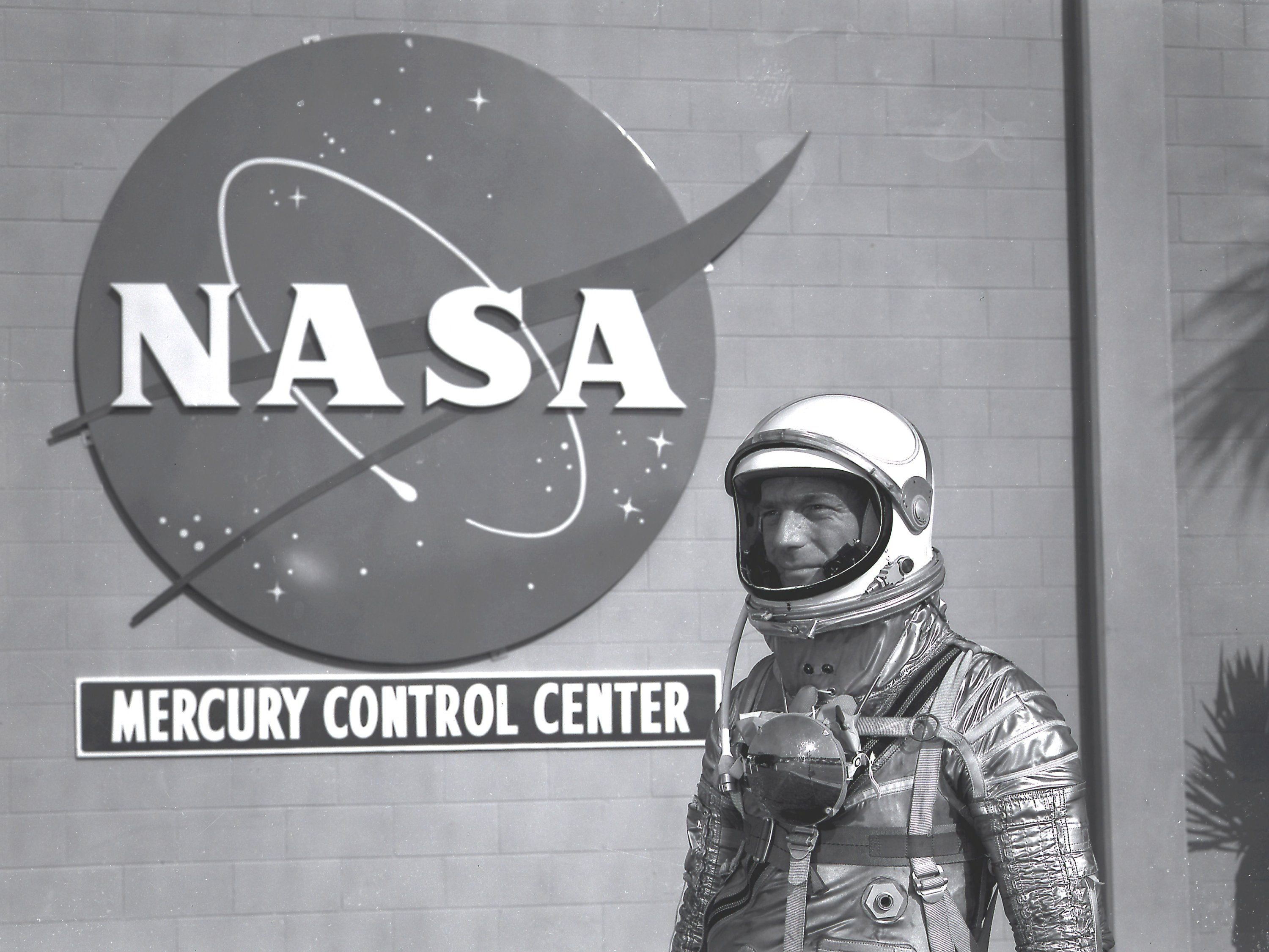
Exactly 64 years ago today, Scott Carpenter became the fourth American to orbit the Earth aboard Aurora 7. His five-hour flight produced new science, a tense reentry, and 39 minutes of silence in which the country wondered if it had just lost its astronaut.
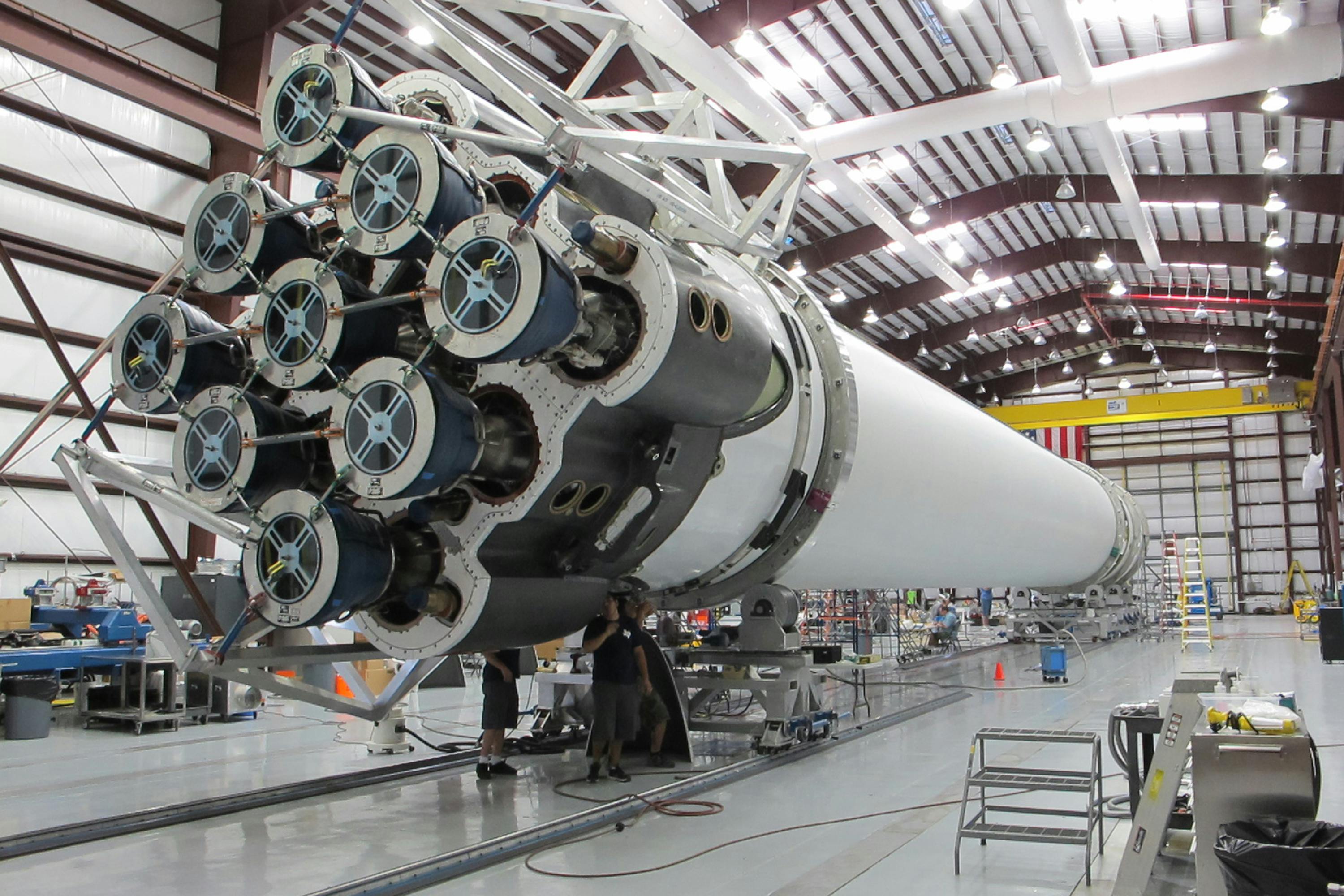
SpaceX makes strides with United States national security satellites, securing substantial spectrum for Starlink's direct-to-cell services, and preparing for future Starship developments.