


Space Brief 21 May 2025
Today's Space Brief covers significant events including a high-stakes missile defense program, recent Chinese satellite launches, military defense initiatives, and key profiles in defense leadership.


Launch Date
August 22, 1975
Launch Site
PLMSC
Launch Pad
LC41/1
Launch Vehicle
Vostok 8A92M
NORAD ID
08127
International Designator
1975-076A
Decay Date
11/5/1992
Name
COSMOS 756
Alternative Name
Kosmos-756
Type
Status
Owner
TSN108
Country
USSR
Constellation
N/A
Related Satellites
Major Events
N/A
Apologies, there is no summary for this satellite yet. I am working to generate these for every object in the catalog, but it is going to take time.
Length
3.2
Diameter
1.3
Span
13.1
Dry Mass
1750
Launch Mass
1750
Shape
Cyl + Ant
Radar Cross Section
20.1
Visual Magnitude
Unknown
Color
Unknown
Material Composition
Unknown
Payload
Ikar No. 3L
Purpose
Unknown
Mission
Unknown
Manufacturer
YUZH
Life Expectancy
Unknown
Bus
Tselina-D
Configuration
Unknown
Motor
Unknown
Equipment
Unknown
Power System
Unknown
ADCS
Unknown
Transmitter Frequency
Unknown
Learn more about satellites and other related topics.
Today's Space Brief covers significant events including a high-stakes missile defense program, recent Chinese satellite launches, military defense initiatives, and key profiles in defense leadership.
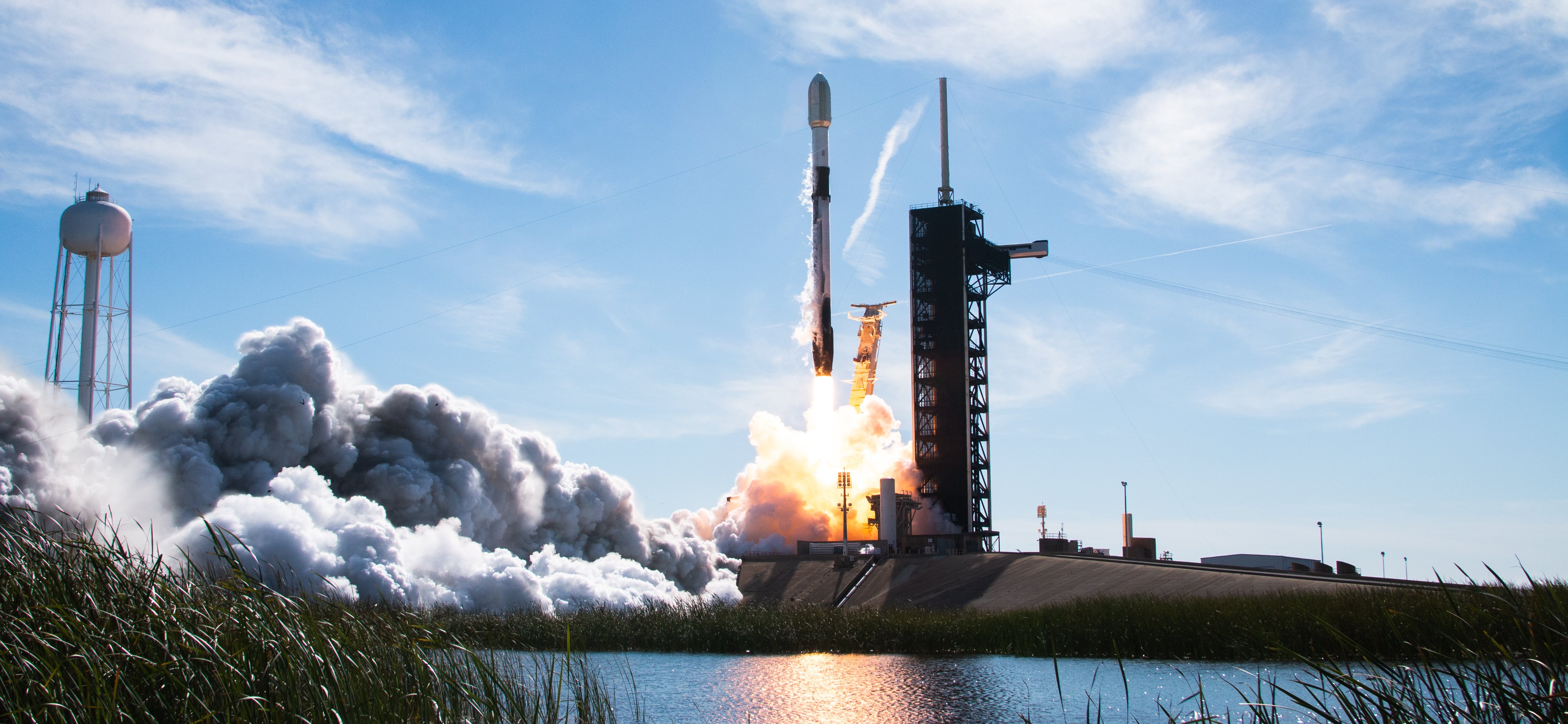
Today's highlights include China's lunar collaboration with Russia, new insights from Magellan's Venus mission, and stunning 8K images of the sun.
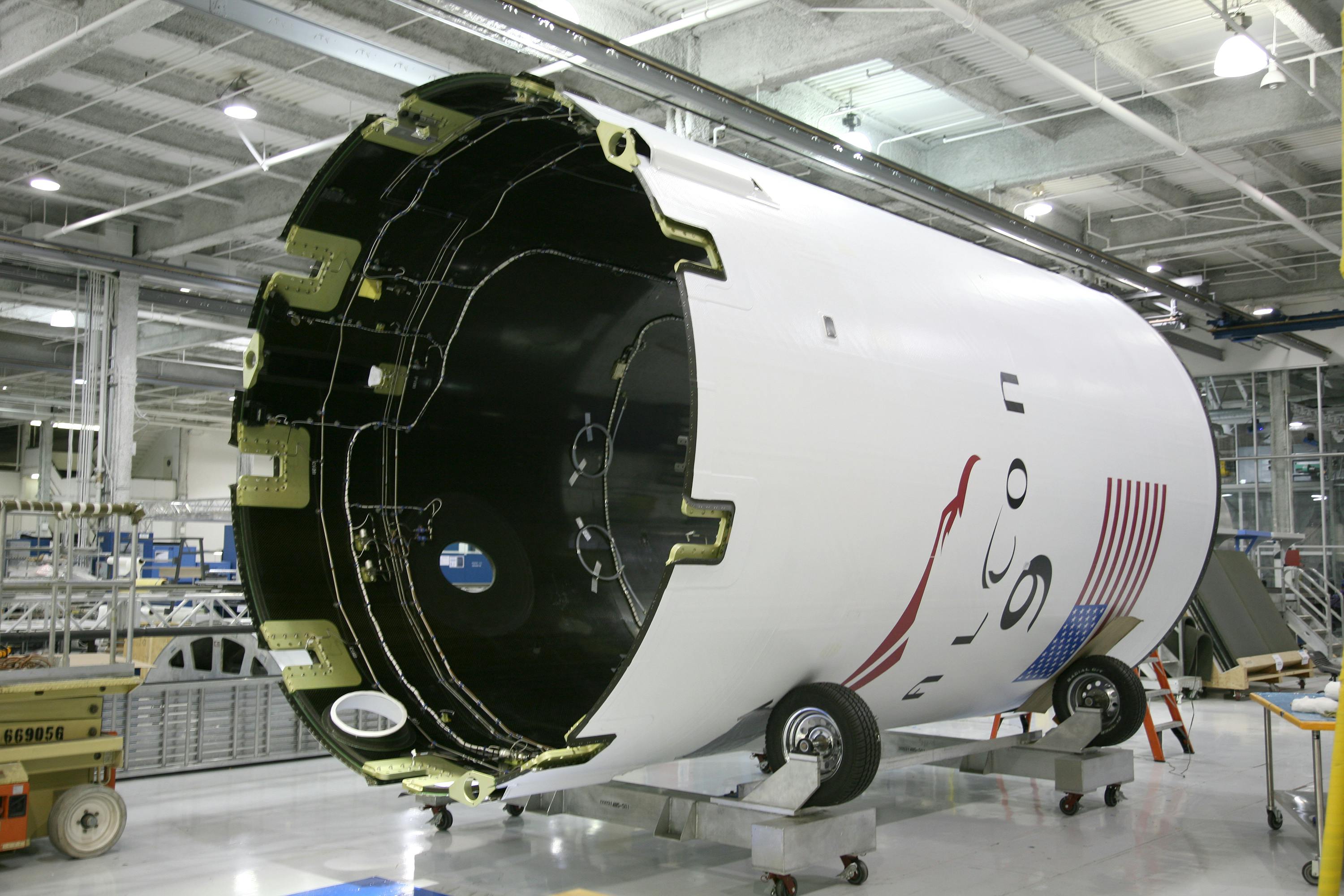
SpaceX gears up for distinctive Starship tests and milestone Starlink deployments as the new year takes off.

SpaceX continues to ramp up its operations with the launch of 29 more Starlink satellites, while significant upgrades at its Starbase facility signify ambitious future plans.
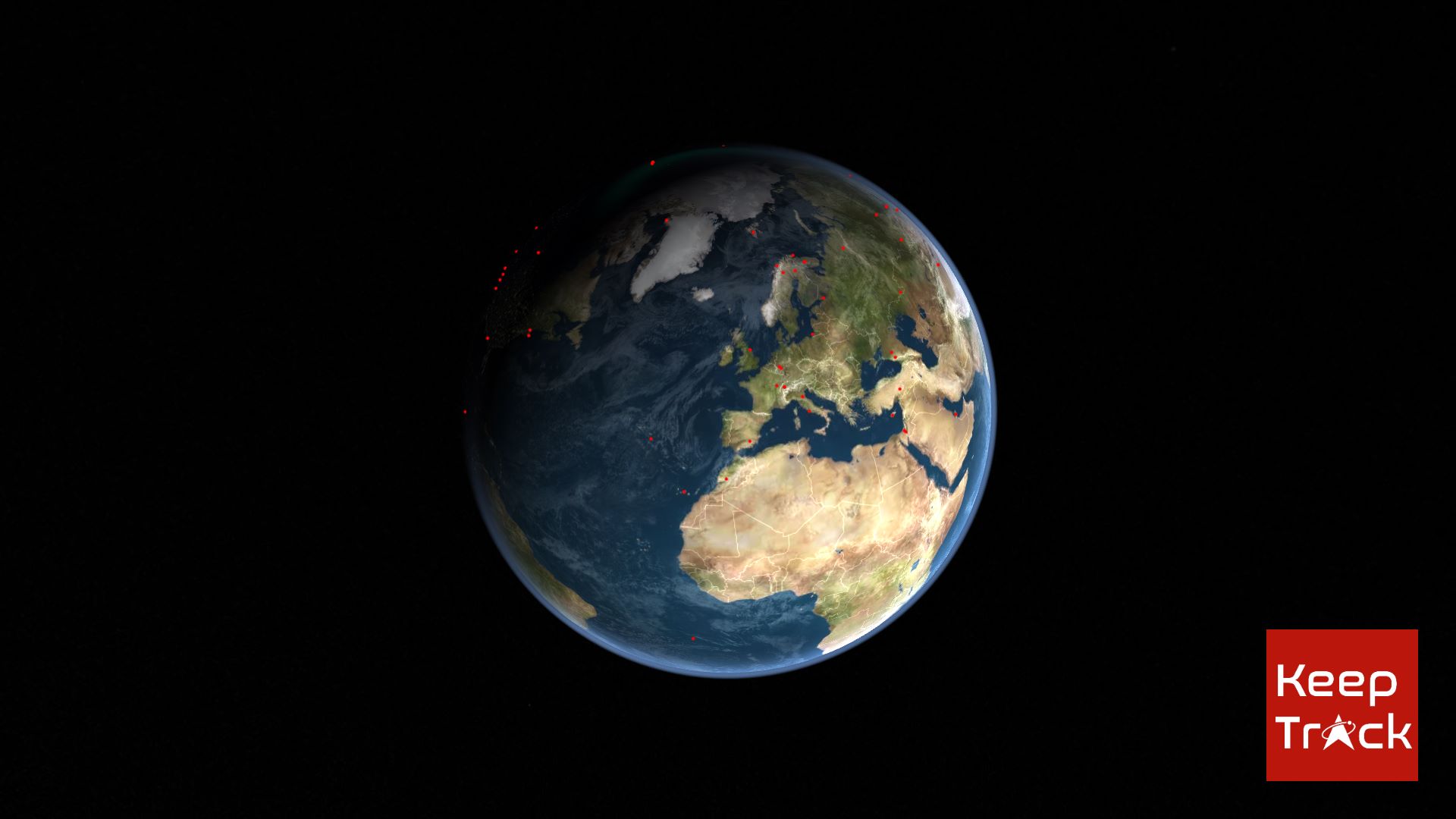
How our ability to track and predict objects in orbit has become the foundation of space safety in an increasingly crowded cosmic neighborhood
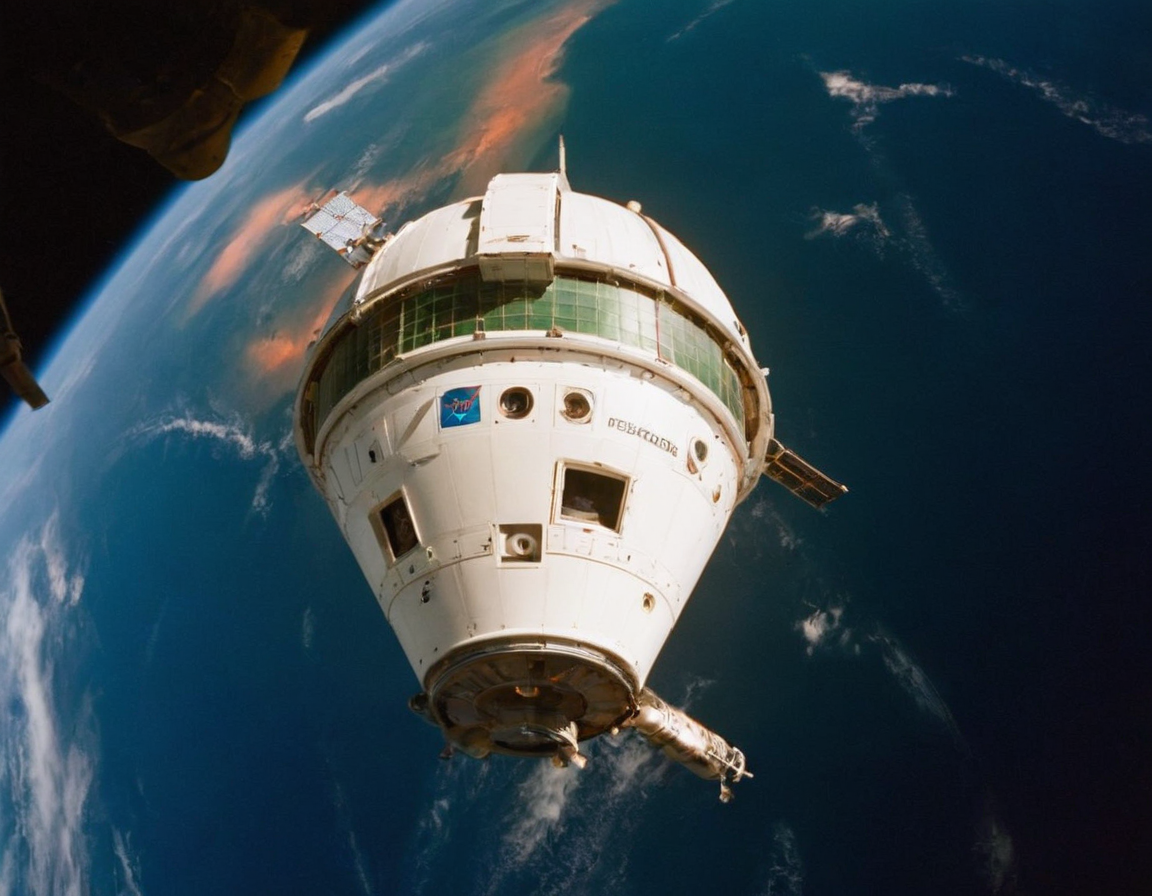
Boeing's Starliner spacecraft encounters thruster problems and helium leaks during its first crewed mission, potentially delaying the return of NASA astronauts from the International Space Station.

The Kessler Syndrome threatens humanity's future in space as cascading satellite collisions create exponential debris growth. With 36,000+ tracked objects and recent incidents accelerating risks, we face a critical juncture: implement solutions now or potentially lose access to low Earth orbit forever.

Today's highlights include the successes and setbacks in recent rocket launches, a notable satellite anomaly, and a significant expansion announcement from ESA.