


Space Brief 19 Dec 2025
Today's brief highlights significant developments in space defense, innovation fund challenges, and international defense agreements impacting satellite utilities.


Launch Date
August 20, 1975
Launch Site
Launch Pad
Unknown
Launch Vehicle
Unknown
NORAD ID
08111
International Designator
N/A
Decay Date
Unknown
Name
TITAN 3E CENTAUR R/B
Alternative Name
Centaur TC-4
Type
Status
Owner
LERC
Country
United States
Constellation
N/A
Related Satellites
Major Events
N/A
Length
9.6
Diameter
3.1
Span
9.6
Dry Mass
2630
Launch Mass
2630
Shape
Cyl + Truss
Radar Cross Section
Unknown
Visual Magnitude
Unknown
Color
Unknown
Material Composition
Unknown
Payload
Centaur D-1T TC-4
Purpose
Unknown
Mission
Unknown
Manufacturer
GDCKM
Life Expectancy
Unknown
Bus
Centaur D-1T
Configuration
Unknown
Motor
Unknown
Equipment
Unknown
Power System
Unknown
ADCS
Unknown
Transmitter Frequency
Unknown
Learn more about satellites and other related topics.
Today's brief highlights significant developments in space defense, innovation fund challenges, and international defense agreements impacting satellite utilities.

Today's highlights include Rocket Lab joining the US Space Force's national security launch program, SpaceX's upcoming Starlink deployment, China's successful EVA, and intriguing science aboard SpaceX's Fram2 mission.
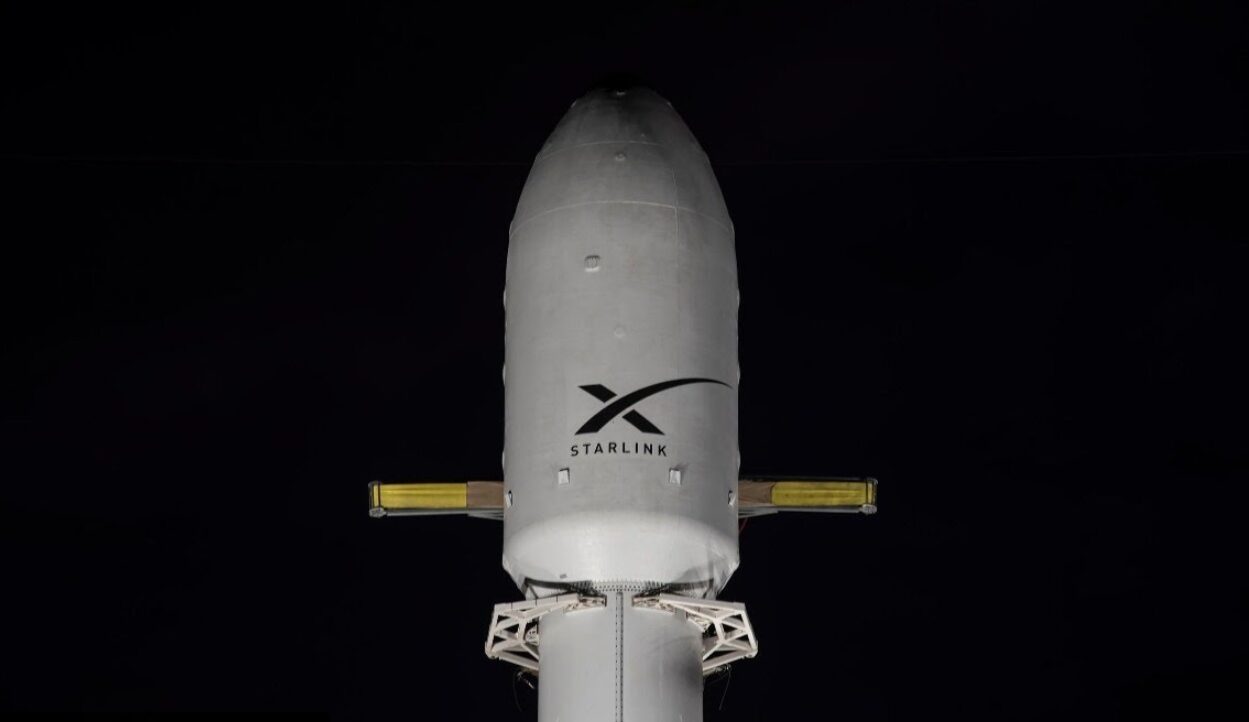
FCC clears Reflect Orbital's first satellite to bounce sunlight into nighttime zones, despite pushback from astronomers concerned about orbital streaking and wildlife impacts.
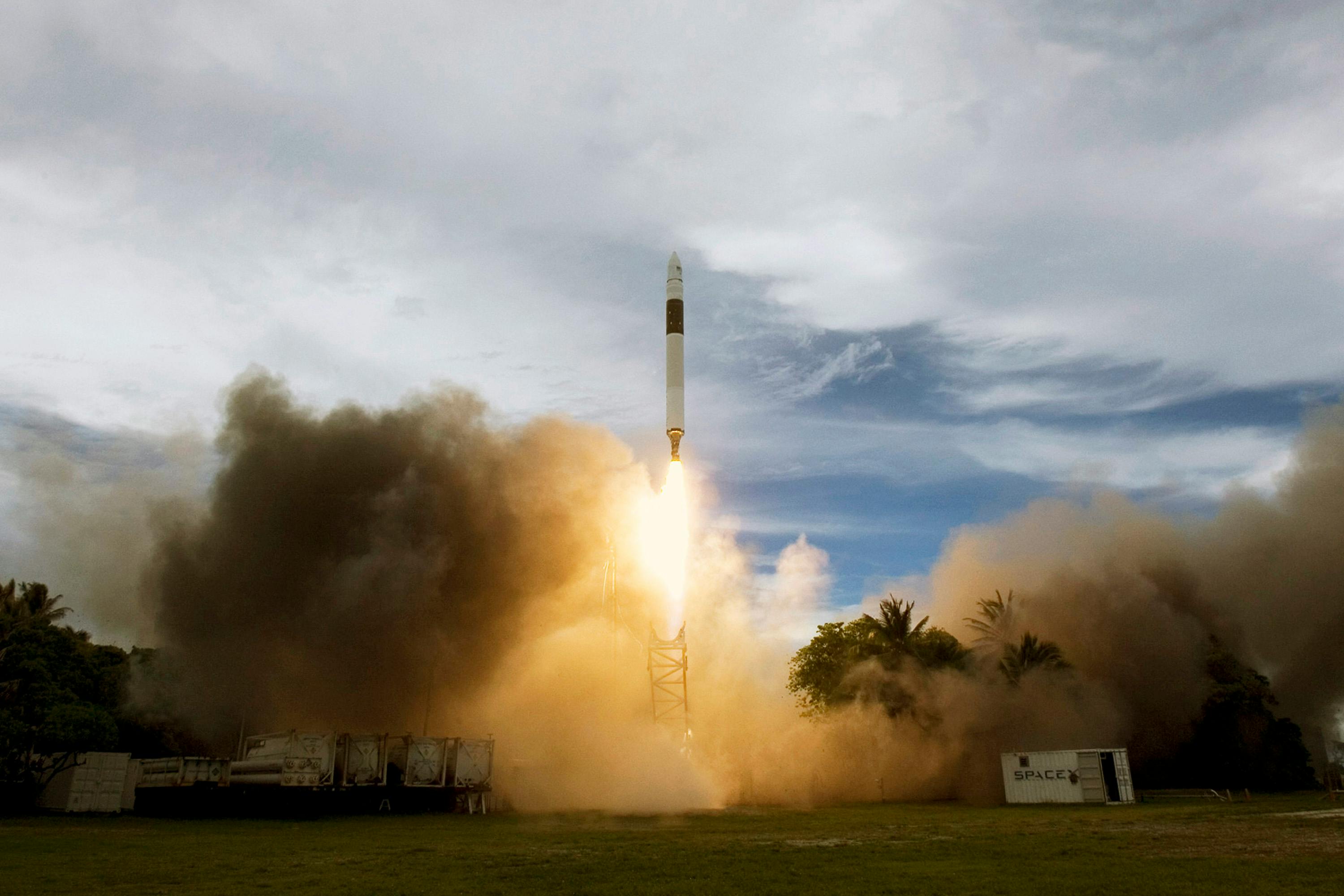
SpaceX celebrated Star Wars Day with a successful launch of Starlink satellites, furthering its mission to enhance global internet access. Lego also revealed a new collectible set tied to the franchise.
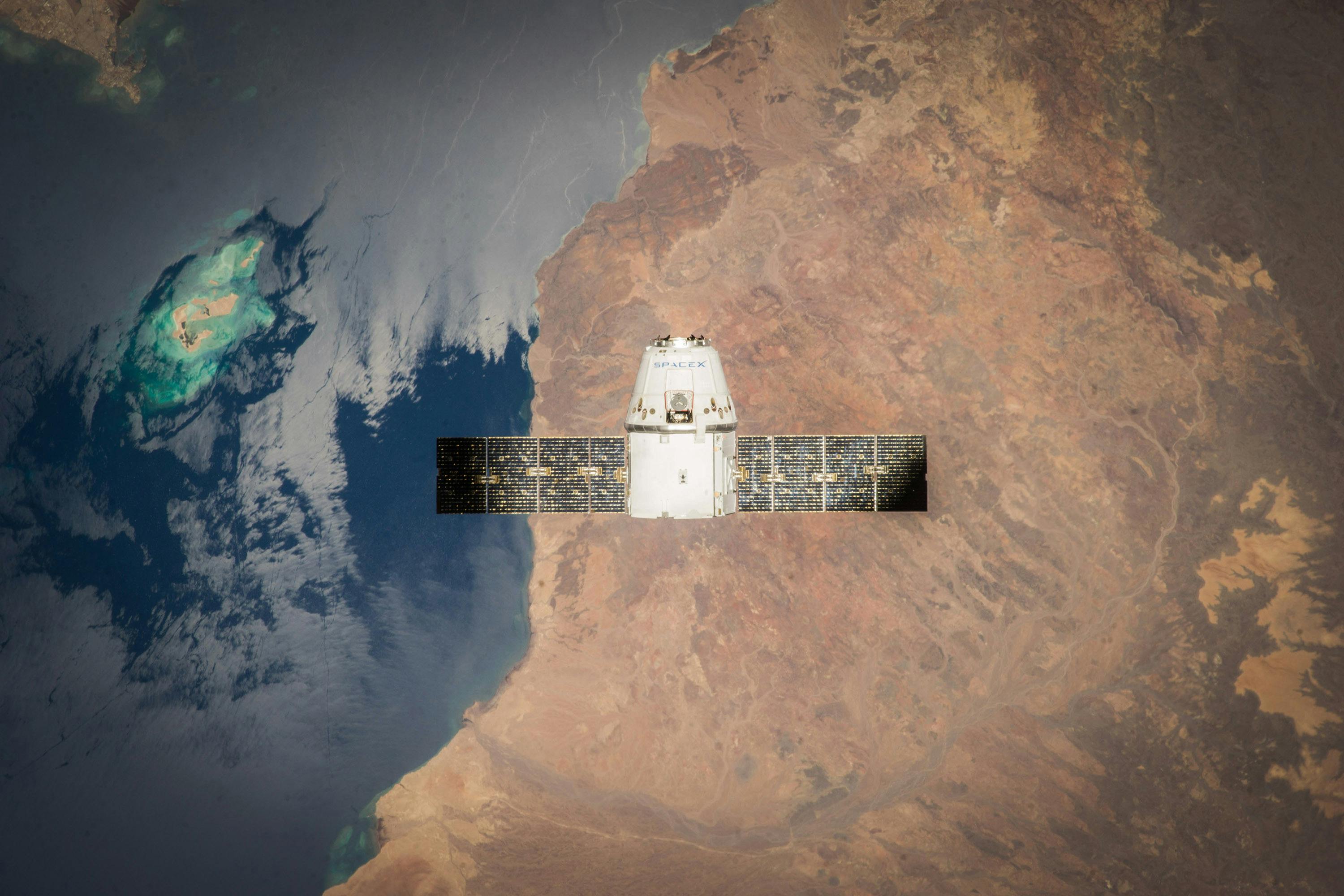
Wall Street analyst Dan Ives predicts a Tesla-SpaceX merger by 2027, while a quantum magnetometer launches March 30 on Falcon 9 rideshare.
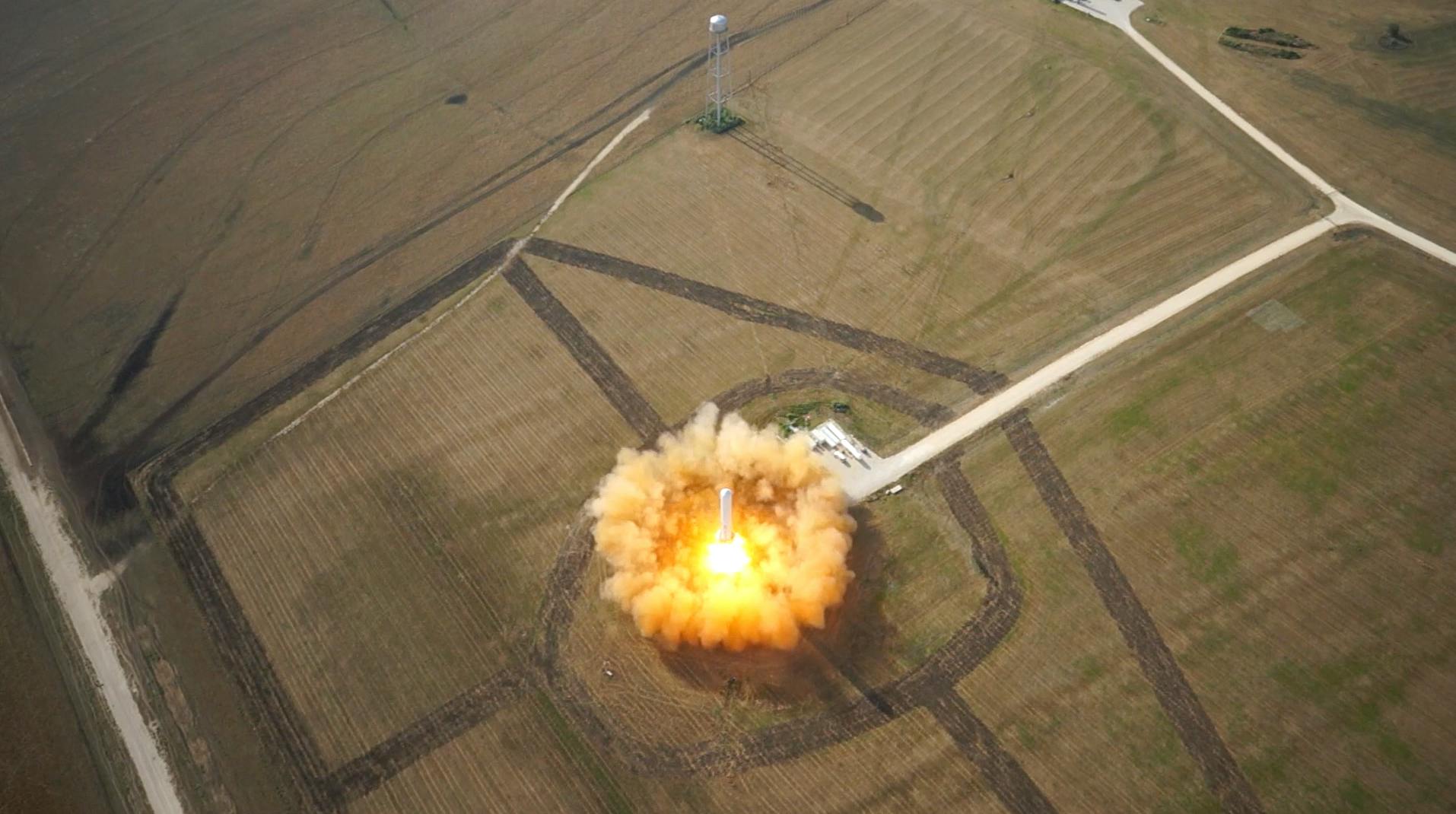
SpaceX progresses with plans for Starship launches from a ULA site while continuing its Starlink expansion. New satellite tracking update enhances user engagement.
A HIGH-risk conjunction between STARLINK-4621 and the defunct SL-18 rocket body leads the July 11 safety picture, with eight Starlink satellites set to reenter through July 14.
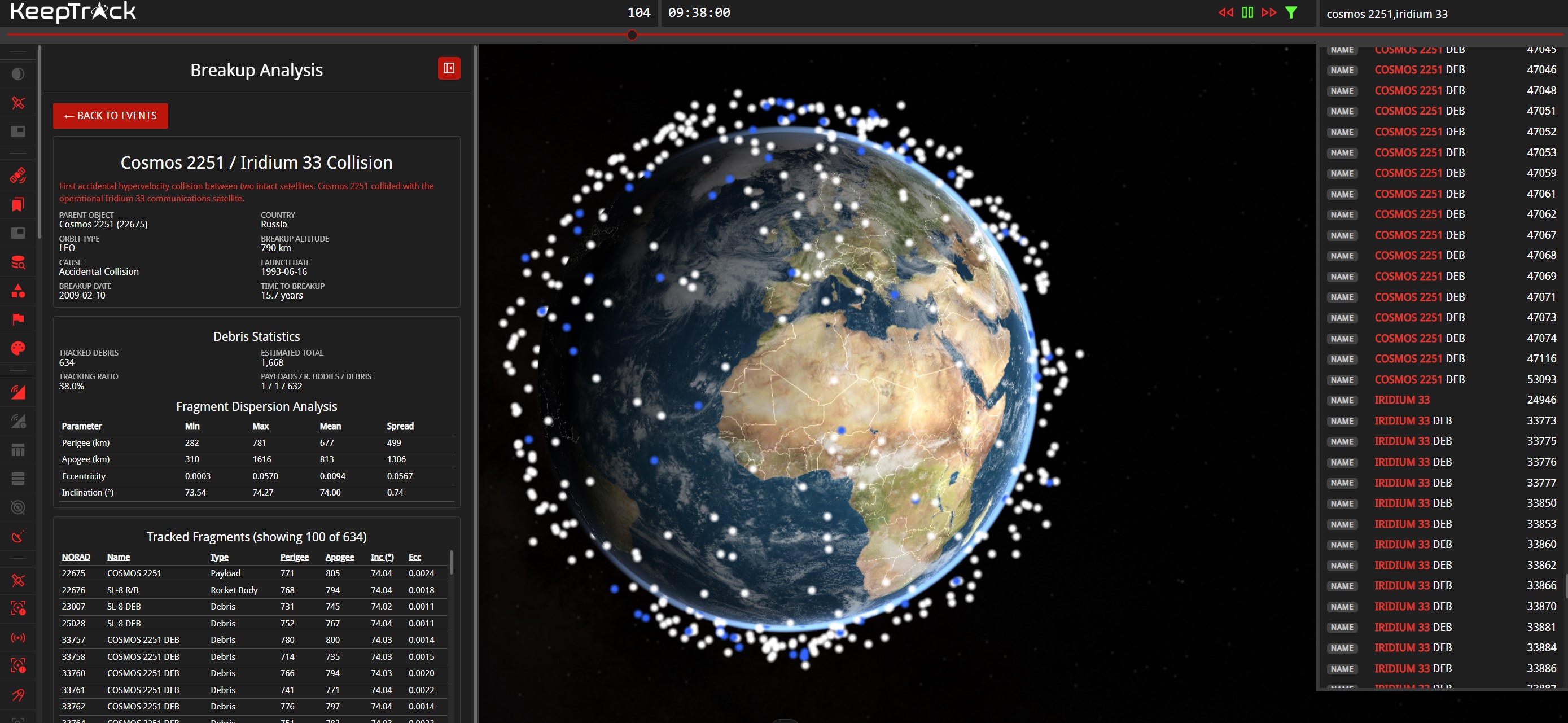
On February 10, 2009, an active Iridium communications satellite and a derelict Soviet military spacecraft slammed into each other 789 kilometers above Siberia. The collision produced more than 2,300 pieces of trackable debris that are still up there. Seventeen years later, the Iridium-Cosmos collision remains the event that made space debris a policy problem the world could no longer ignore.