

X Report 24 Sep 2025
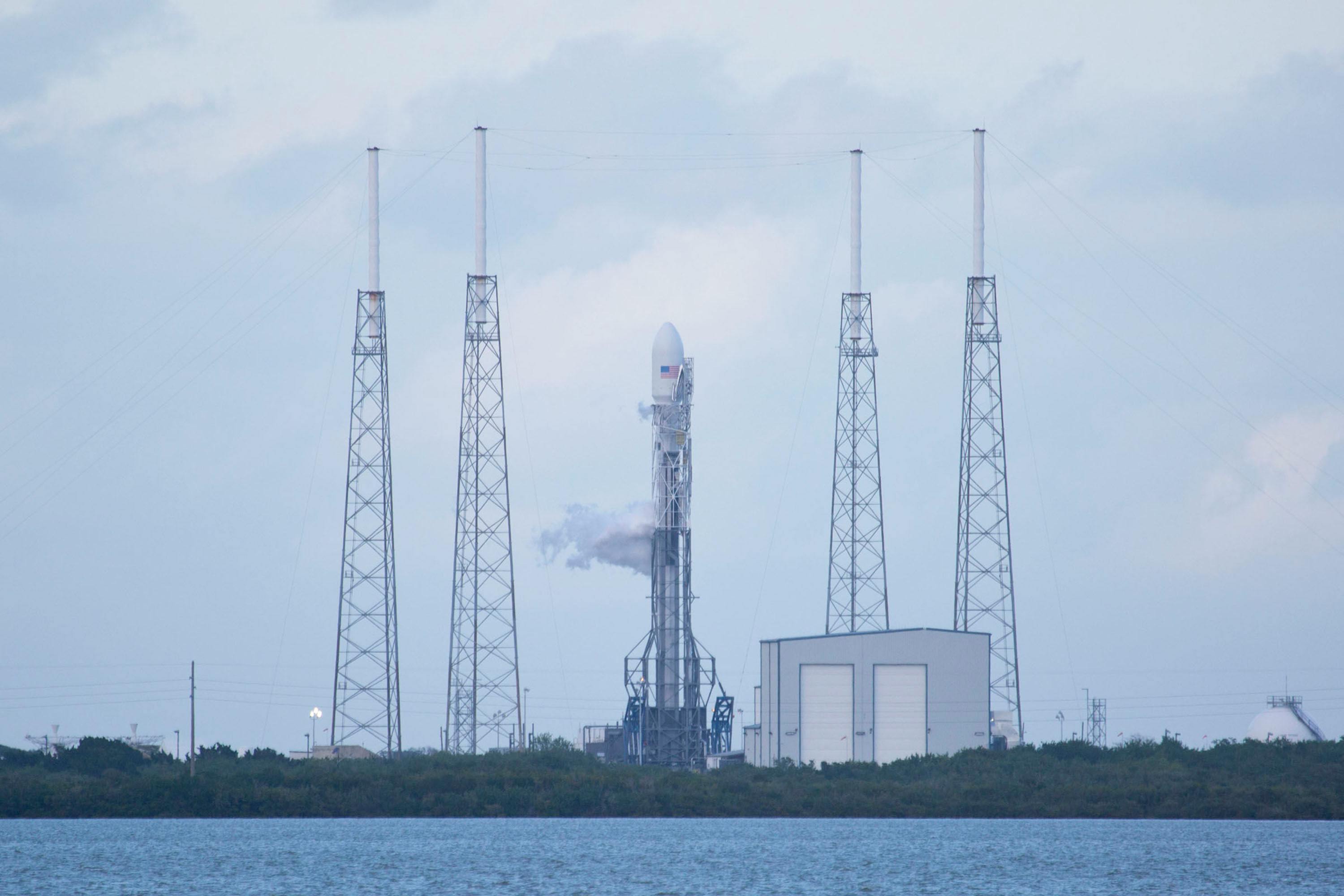
SpaceX prepares for the launch of significant NASA and NOAA missions, while Starship's 11th test flight edges closer.


Launch Date
July 17, 1975
Launch Site
PLMSC
Launch Pad
LC133/3
Launch Vehicle
Kosmos 11K63
NORAD ID
08037
International Designator
1975-067B
Decay Date
11/17/1976
Name
SL-7 R/B
Alternative Name
Kosmos-2 (N120) Stage 2
Type
Status
Owner
RVSN
Country
USSR
Constellation
N/A
Related Satellites
Major Events
N/A
Length
8
Diameter
1.6
Span
8
Dry Mass
840
Launch Mass
840
Shape
Cyl
Radar Cross Section
Unknown
Visual Magnitude
Unknown
Color
Unknown
Material Composition
Unknown
Payload
S1M
Purpose
Unknown
Mission
Unknown
Manufacturer
YUZH
Life Expectancy
Unknown
Bus
S1
Configuration
Unknown
Motor
Unknown
Equipment
Unknown
Power System
Unknown
ADCS
Unknown
Transmitter Frequency
Unknown
Learn more about satellites and other related topics.
SpaceX prepares for the launch of significant NASA and NOAA missions, while Starship's 11th test flight edges closer.

Space Force projects 30,000-satellite orbital architecture by 2040 amid combat integration revelations. Gen. Saltzman confirms space operations were critical in Iran conflict.

SpaceX celebrates significant milestones in satellite launches and contemplates a historic IPO while actively participating in the competitive landscape of space technology and services.

Today's brief covers key industry movements in space logistics and satellite production, including Rocket Lab's new U.S. Air Force contract, Sierra Space's strides in GPS technology, and more.

Today's brief covers NASA's collaboration with India for a new Earth-tracking satellite, China's expansion of its satellite internet network, and a groundbreaking cosmic shield for solar cells. Also highlighted are EchoStar's ambitious satellite order and Roscosmos' recent diplomatic moves.

Notable space events as the year closes: China's record orbital launches, Vandenberg's new launch site, Rocket Lab's achievements, and urgent MAVEN recovery efforts.
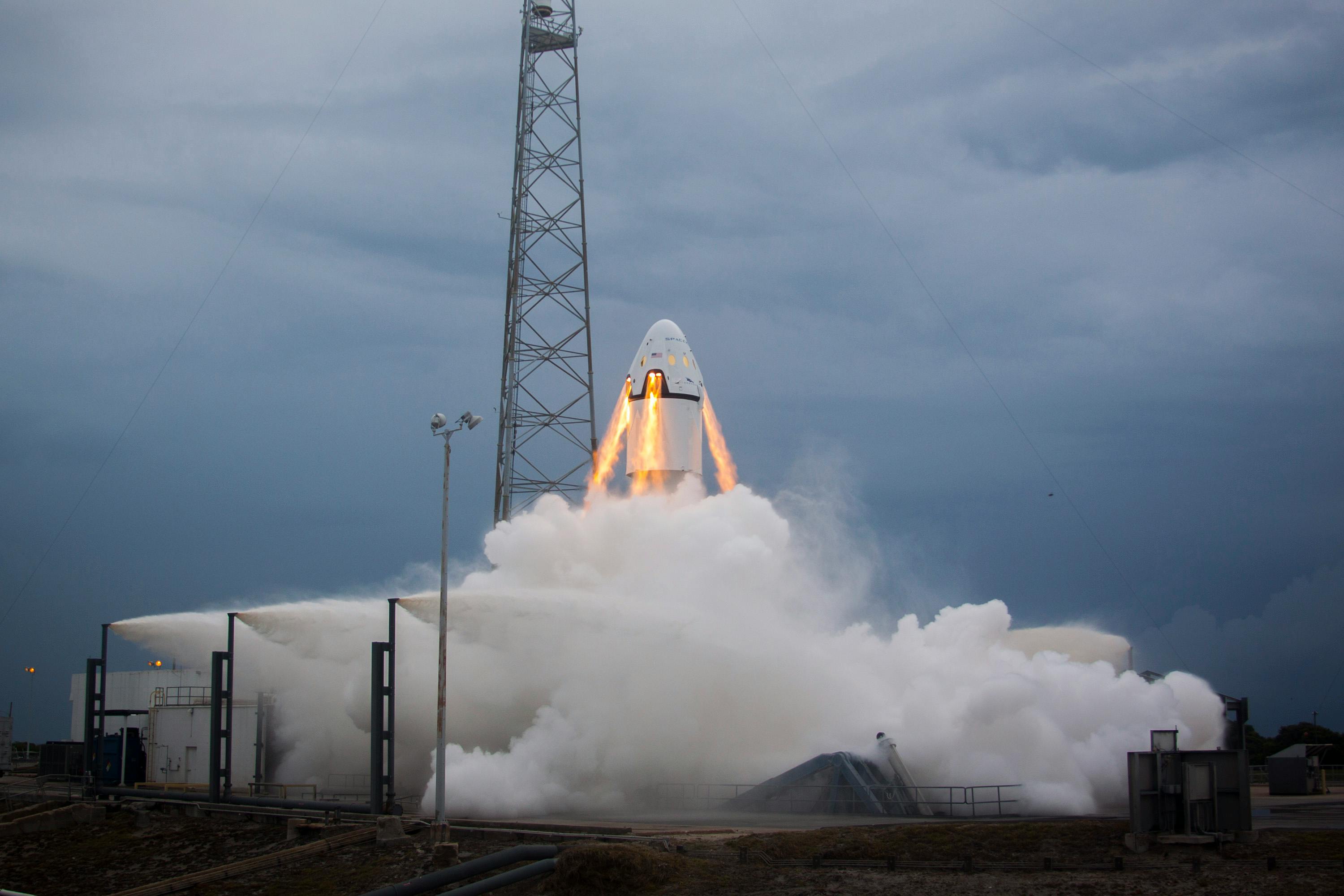
SpaceX secured a $178.5M Space Force contract to launch missile-tracking satellites from 2027, backing the Missile Track Custody threat-tracking layer.
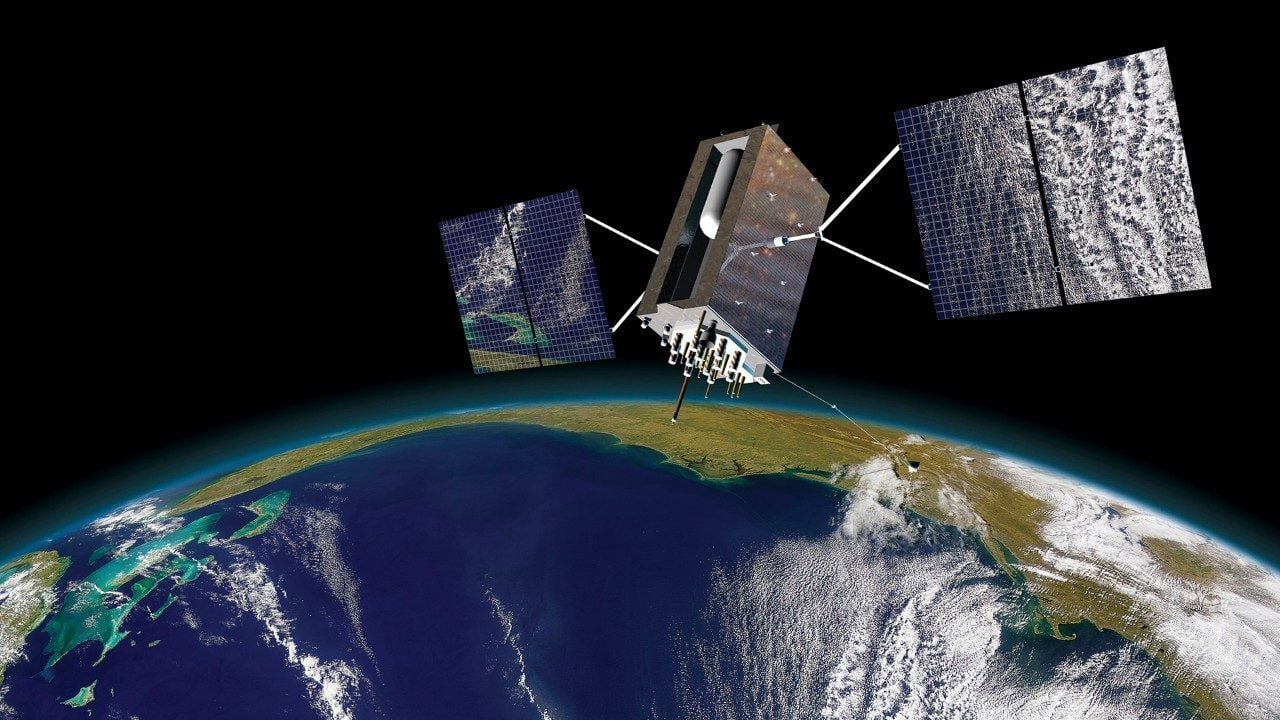
On April 17, 2026, the U.S. Space Force officially cancelled the Next Generation Operational Control System after sixteen years of development, cost overruns, and testing failures. The $8 billion program was supposed to unlock the military's encrypted GPS signal. Instead, the satellites are flying with capabilities the ground can't command.