


X Report 27 Nov 2024
SpaceX secures FCC nod for Starlink's direct-to-phone connectivity, lands NASA's Dragonfly mission, and sees new competition with the ZhuQue-2E launch.



Launch Date
July 23, 1972
Launch Site
AFWTR
Launch Pad
SLC2W
Launch Vehicle
Delta 0900
NORAD ID
07966
International Designator
1972-058CS
Decay Date
12/5/1981
Name
DELTA 1 DEB
Alternative Name
deb Delta 89
Type
Status
Owner
GSFC
Country
United States
Constellation
N/A
Related Satellites
Major Events
N/A
Length
0
Diameter
0
Span
0
Dry Mass
0
Launch Mass
0
Shape
N/A
Radar Cross Section
0.046
Visual Magnitude
Unknown
Color
Unknown
Material Composition
Unknown
Payload
Unknown
Purpose
Unknown
Mission
Unknown
Manufacturer
Unknown
Life Expectancy
Unknown
Bus
Unknown
Configuration
Unknown
Motor
Unknown
Equipment
Unknown
Power System
Unknown
ADCS
Unknown
Transmitter Frequency
Unknown
Learn more about satellites and other related topics.
SpaceX secures FCC nod for Starlink's direct-to-phone connectivity, lands NASA's Dragonfly mission, and sees new competition with the ZhuQue-2E launch.

SpaceX successfully launched another batch of Starlink satellites while marking a significant milestone with the 500th Falcon 9 mission. Additionally, the company is preparing for further testing of its Starship system and has begun collaborating with Amazon on their Project Kuiper constellation.
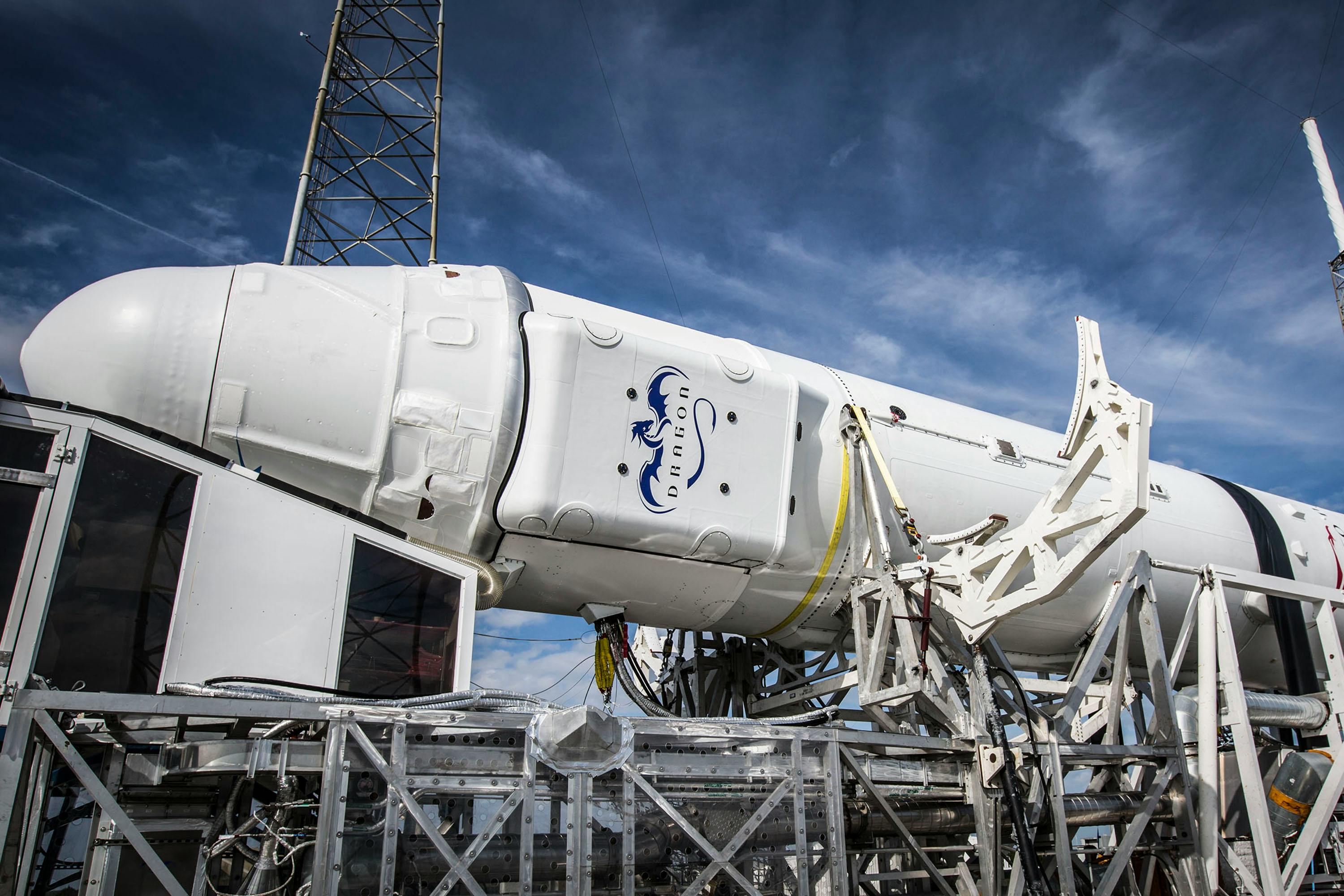
Today's brief highlights the need for better space debris management, multiple SpaceX Starlink launches, and NASA's upcoming lunar cargo delivery plans.
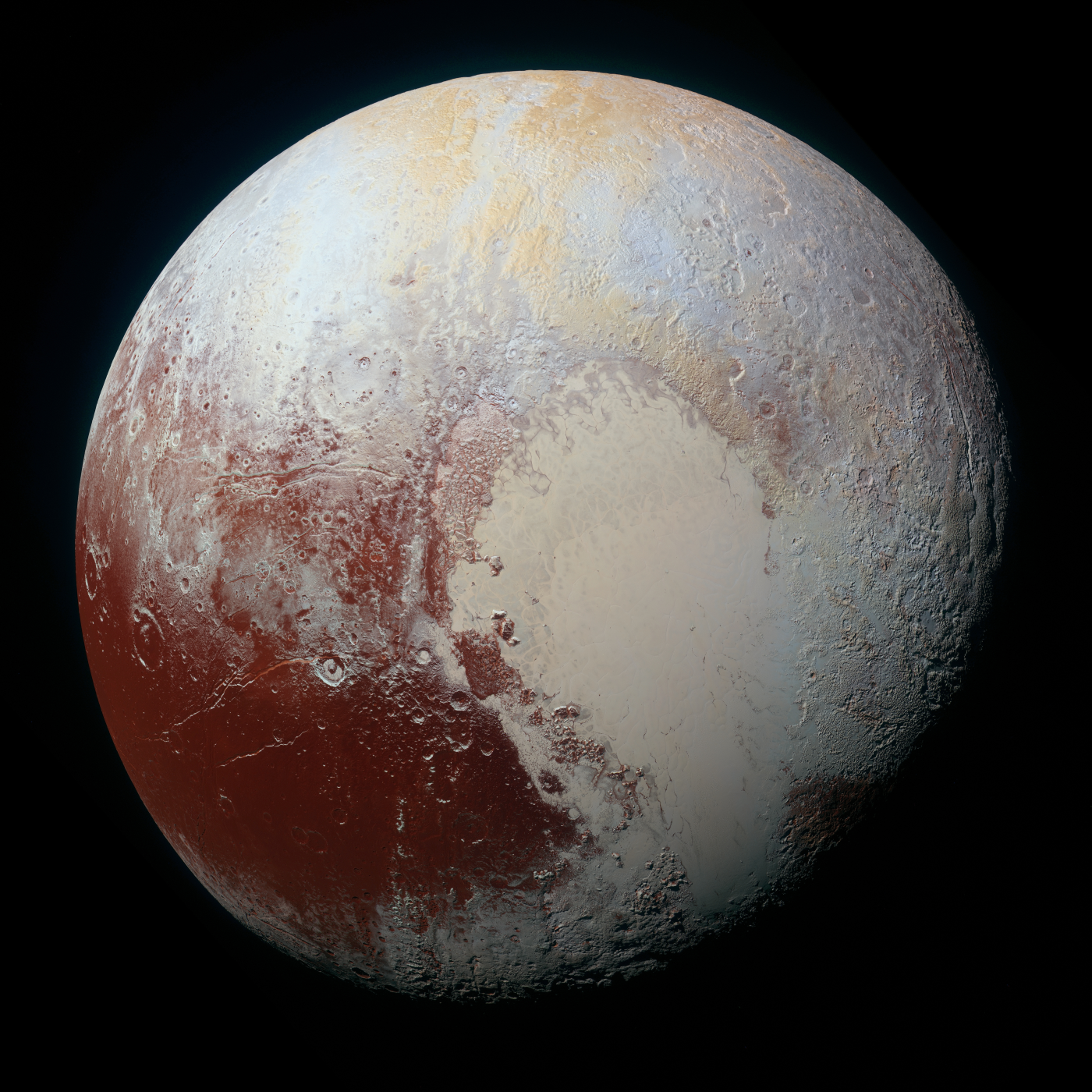
Ninety-five years ago, a 24-year-old astronomer with no college degree made one of astronomy's most remarkable discoveries, finding a new planet that would challenge our understanding of the solar system

The Kessler Syndrome threatens humanity's future in space as cascading satellite collisions create exponential debris growth. With 36,000+ tracked objects and recent incidents accelerating risks, we face a critical juncture: implement solutions now or potentially lose access to low Earth orbit forever.

Today's highlights include significant data release from NASA's Atmospheric Waves Experiment, SpaceX's dual launches of Crew-10 and Starlink satellites, and intriguing findings from the arctic ice studies.
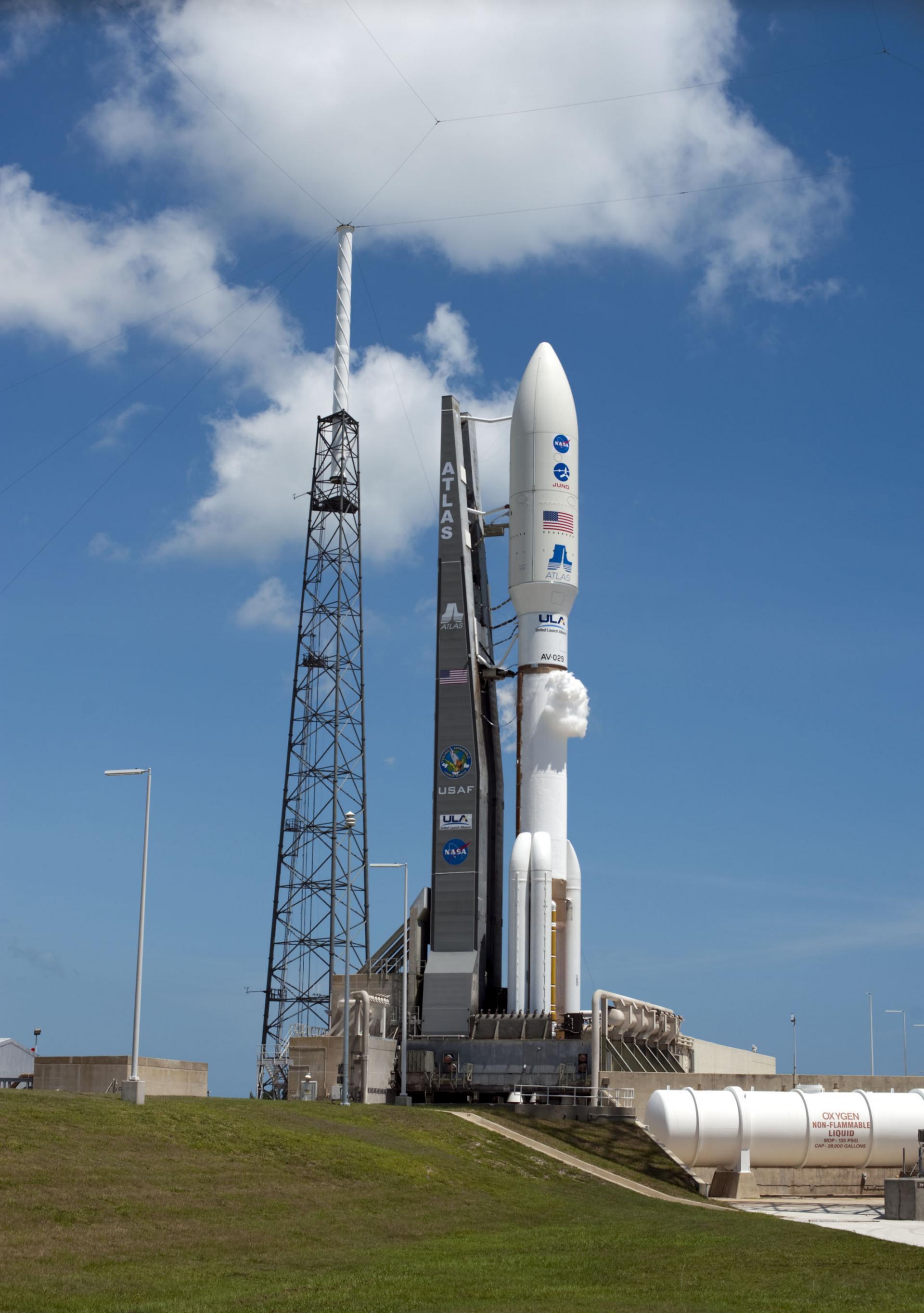
Today's coverage includes China's recent satellite launch, the Space Force's challenges with current tracking capabilities, and advancements in nuclear propulsion from Ohio State.
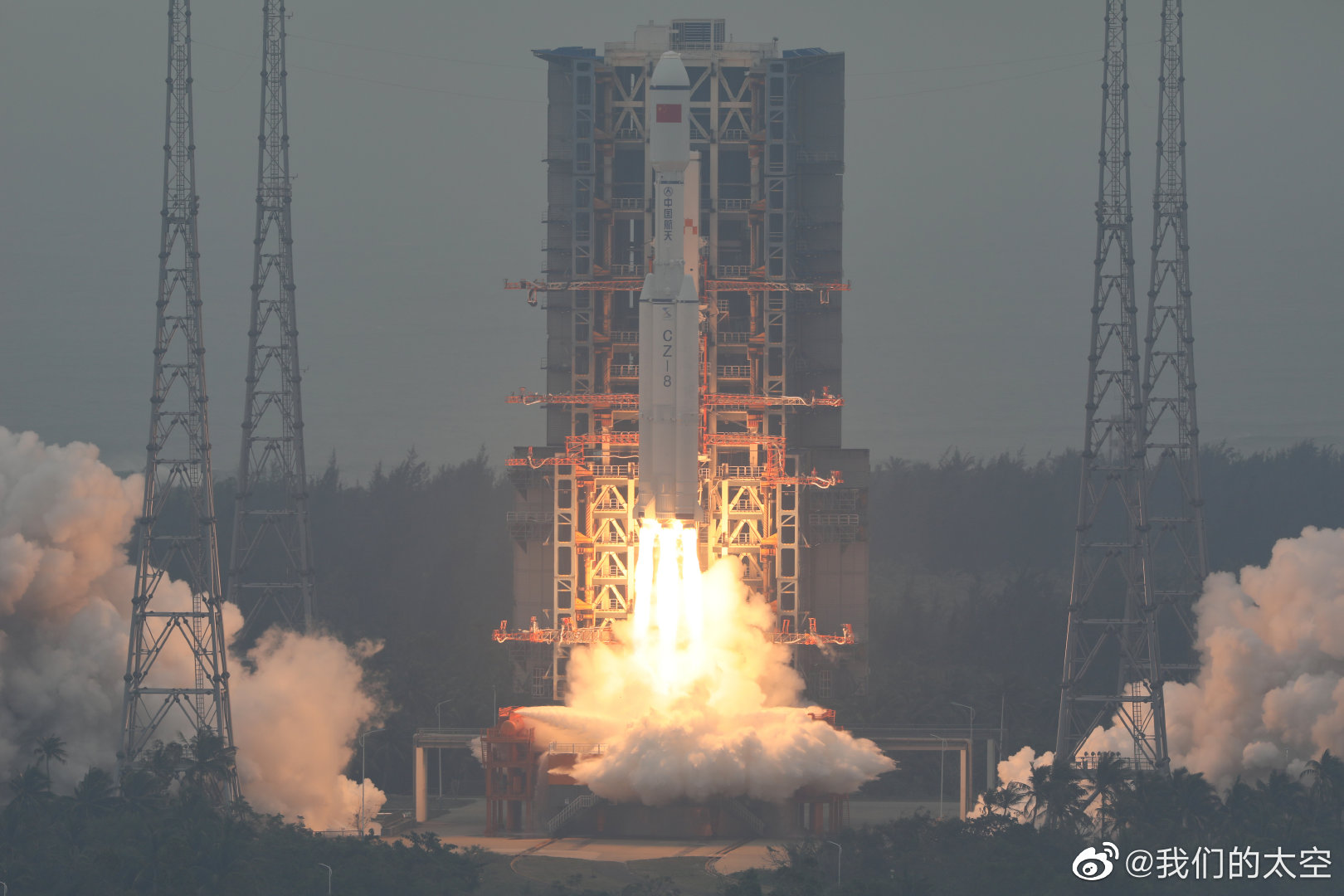
In today's brief: high-profile personnel changes in the Space Force, the inclusion of Space Force in historical political events, and strategic shifts in defense highlighted with a focus on satellite applications.