


X Report 20 Jan 2025
SpaceX continues to push forward with its ambitious plans as the FAA investigates Starship debris reports, while Starlink maintains robust satellite operations.


Launch Date
February 28, 1975
Launch Site
PLMSC
Launch Pad
LC132/2
Launch Vehicle
Kosmos 11K65M
NORAD ID
07681
International Designator
1975-016D
Epoch
Sat, 04 Jul 2026 07:01:31 GMT
Apogee
Calculating...
Perigee
Calculating...
Inclination
74.01°
Right Ascension
293.56°
Eccentricity
Calculating...
Argument of Perigee
122.05°
Period
115.26 min
Mean Motion
12.49 rev/day
Latitude
Calculating...
Longitude
Calculating...
Altitude
Calculating...
Velocity
Calculating...
Name
COSMOS 714
Alternative Name
Kosmos-714
Type
Status
Owner
GUKOSR
Country
USSR
Constellation
N/A
Related Satellites
Major Events
N/A
1 07681U 75016D 26185.29273059 .00000002 00000-0 11774-3 0 9995
2 07681 74.0051 293.5635 0029182 122.0454 267.1253 12.49303519341667
Source: Celestrak
Apologies, there is no summary for this satellite yet. I am working to generate these for every object in the catalog, but it is going to take time.
Length
0.8
Diameter
0.8
Span
0.8
Dry Mass
60
Launch Mass
60
Shape
Poly
Radar Cross Section
0.6792
Visual Magnitude
Unknown
Color
Unknown
Material Composition
Unknown
Payload
Strela-1M Blok 11 No. 4
Purpose
Military Communication
Mission
Military Communication
Manufacturer
OKB10
Life Expectancy
6 months
Bus
Strela-1 11F625
Configuration
Unknown
Motor
Unknown
Equipment
Unknown
Power System
Solar cells, batteries
ADCS
Unknown
Transmitter Frequency
Unknown
Learn more about satellites and other related topics.
SpaceX continues to push forward with its ambitious plans as the FAA investigates Starship debris reports, while Starlink maintains robust satellite operations.
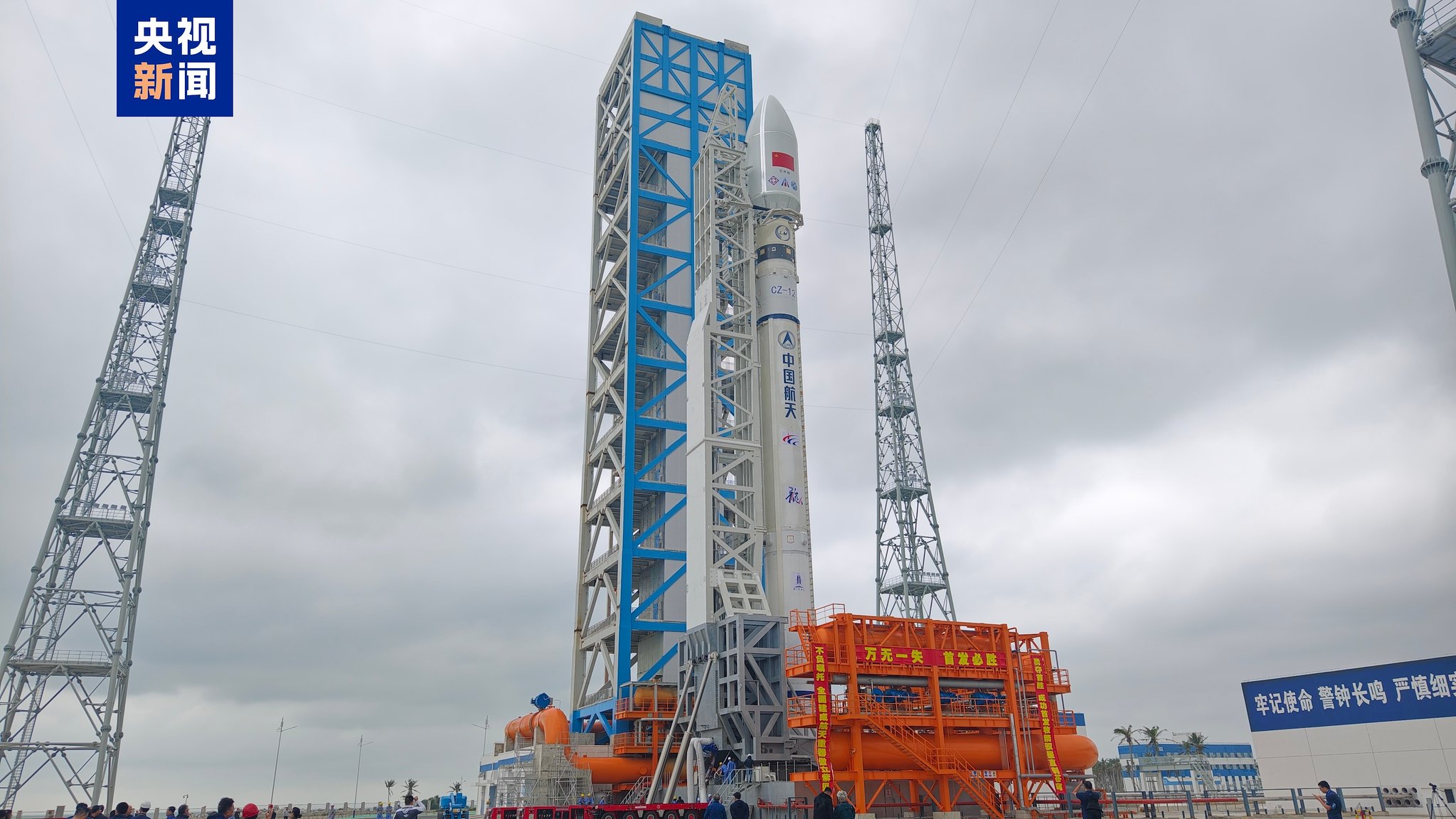
Today's top space events include a new military satellite launch by York Space, advancements in phased array antennas by Space Force, and the debut of Denmark's Arctic satellite. Also covered are developments in Starlink's services in Vietnam.
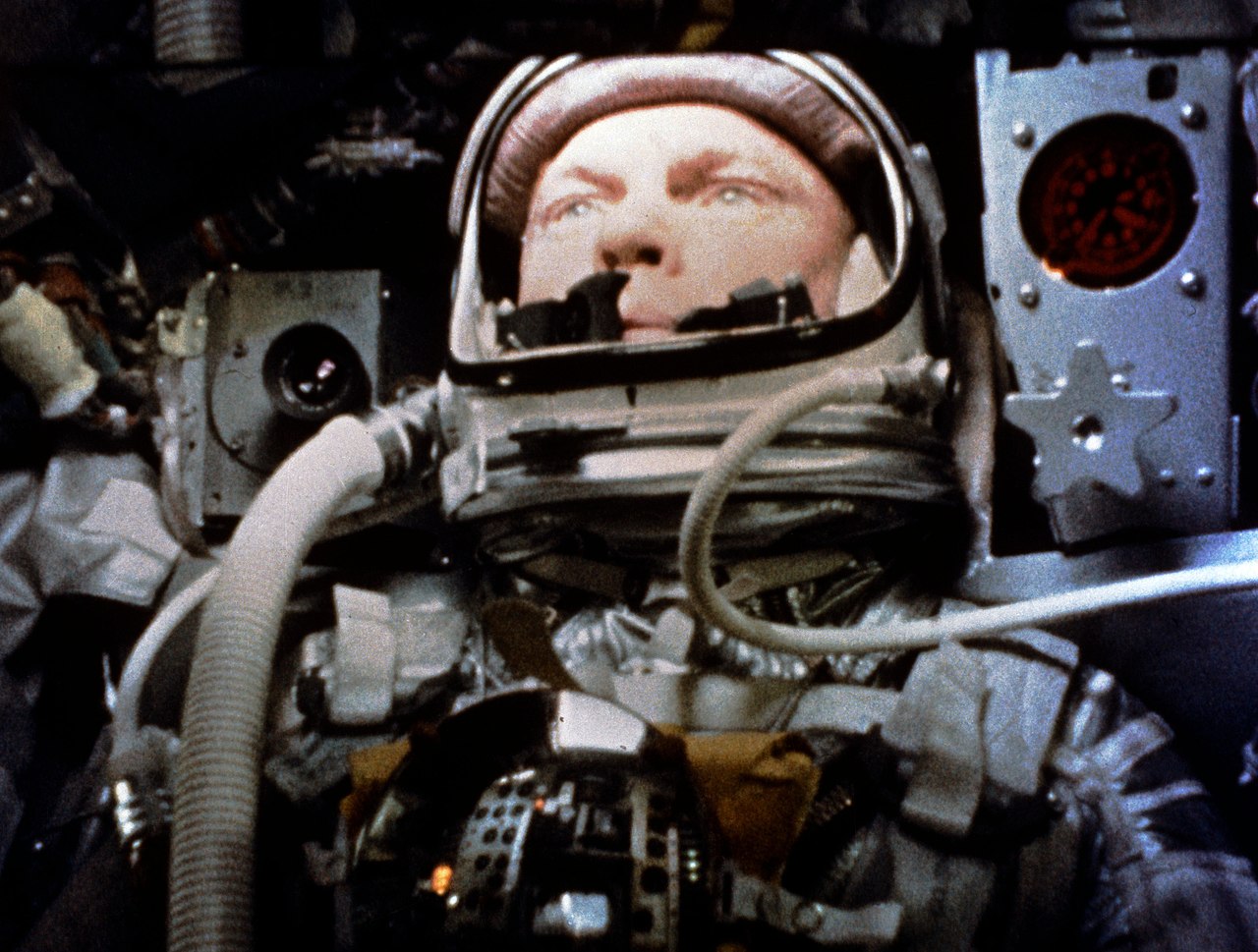
Sixty-three years ago, John Glenn became the first American to orbit Earth, piloting Friendship 7 through three historic orbits that transformed the Space Race
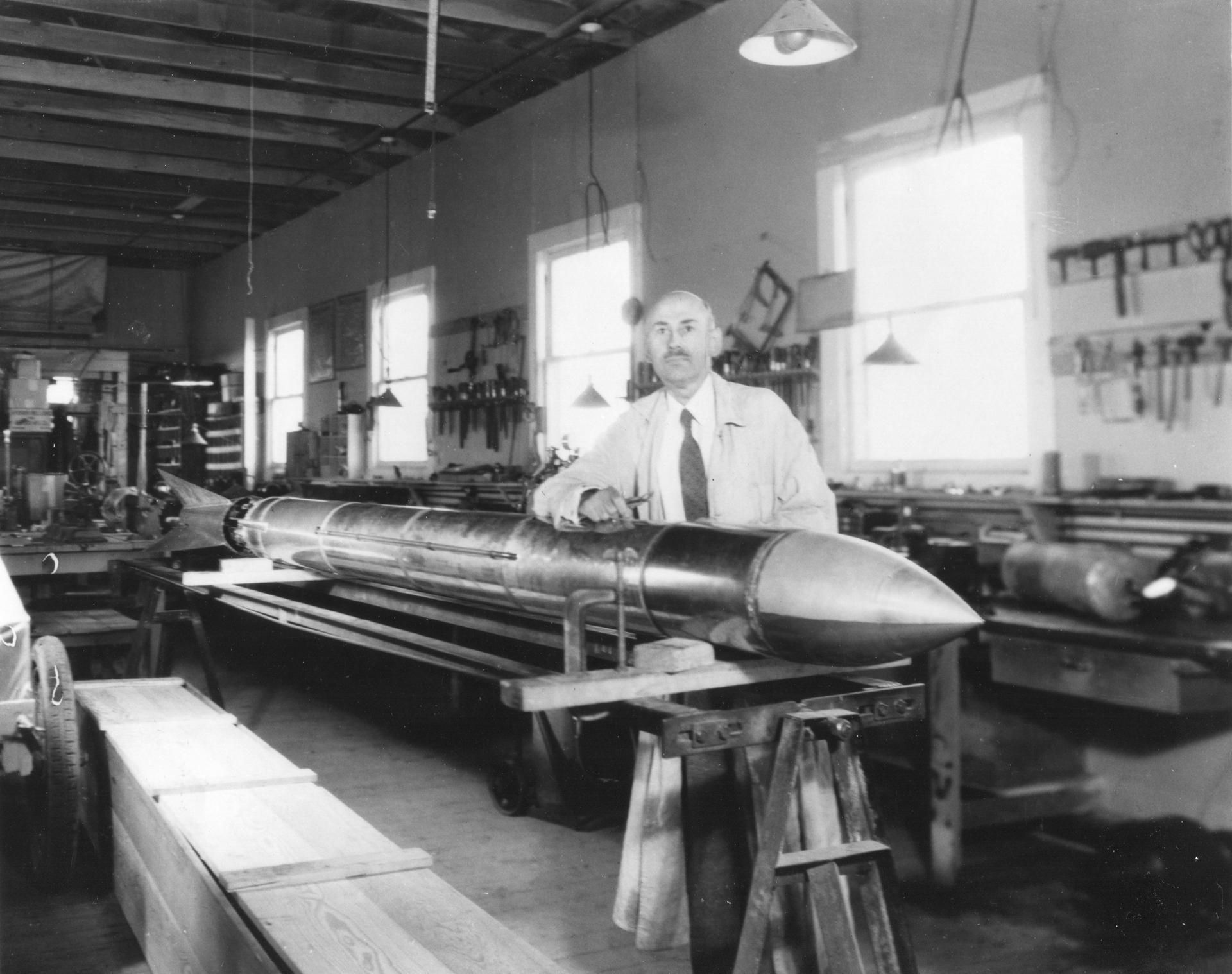
On February 2, 1909, Robert Goddard made a revolutionary breakthrough in his notebook: liquid oxygen and liquid hydrogen could achieve 50% efficiency in converting heat energy to kinetic energy for rocket propulsion
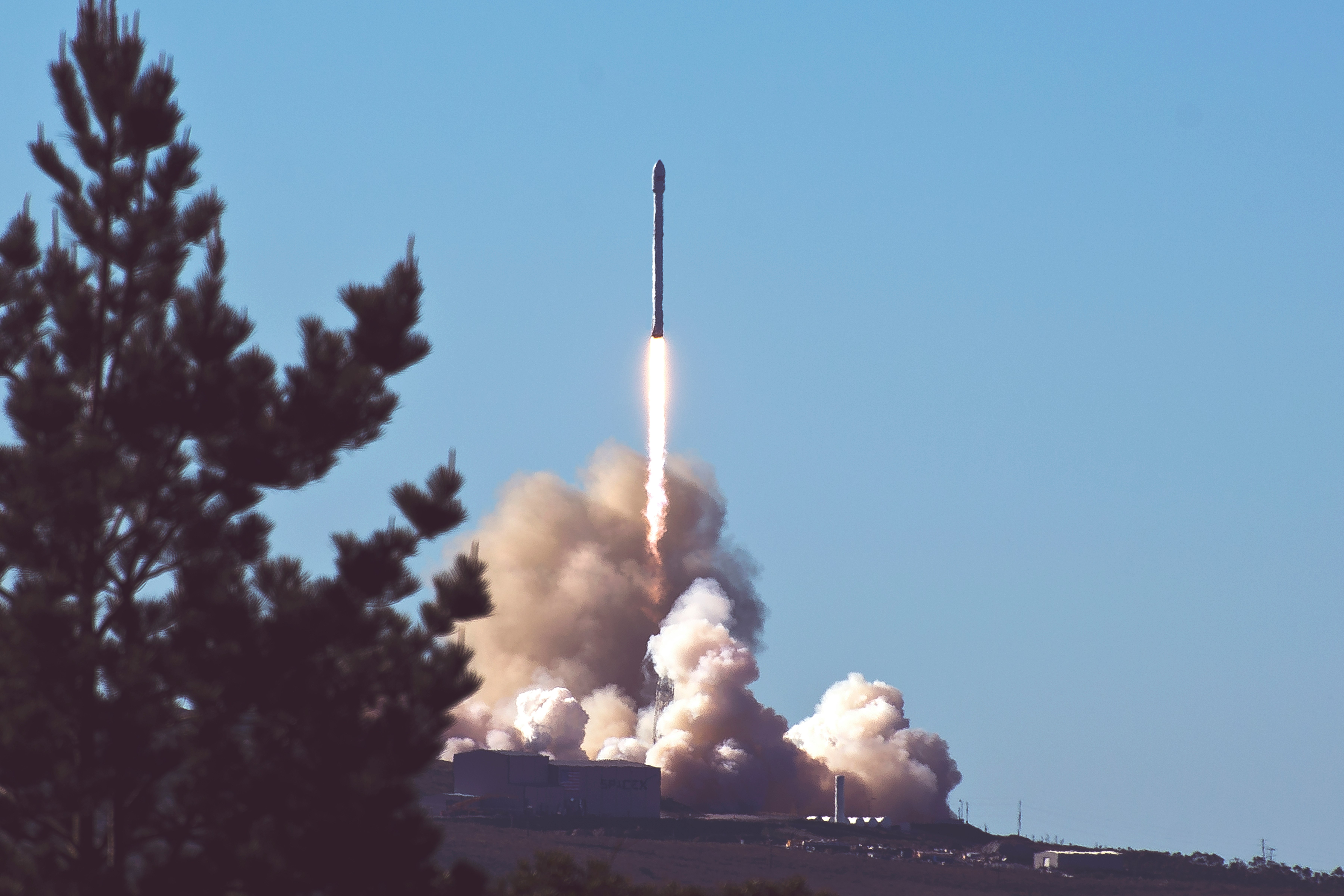
SpaceX launches two Falcon 9 rockets in one day carrying Starlink satellites from both coasts. Most-flown booster achieves record 33rd flight. 28 V2 Mini Optimized sats deployed.
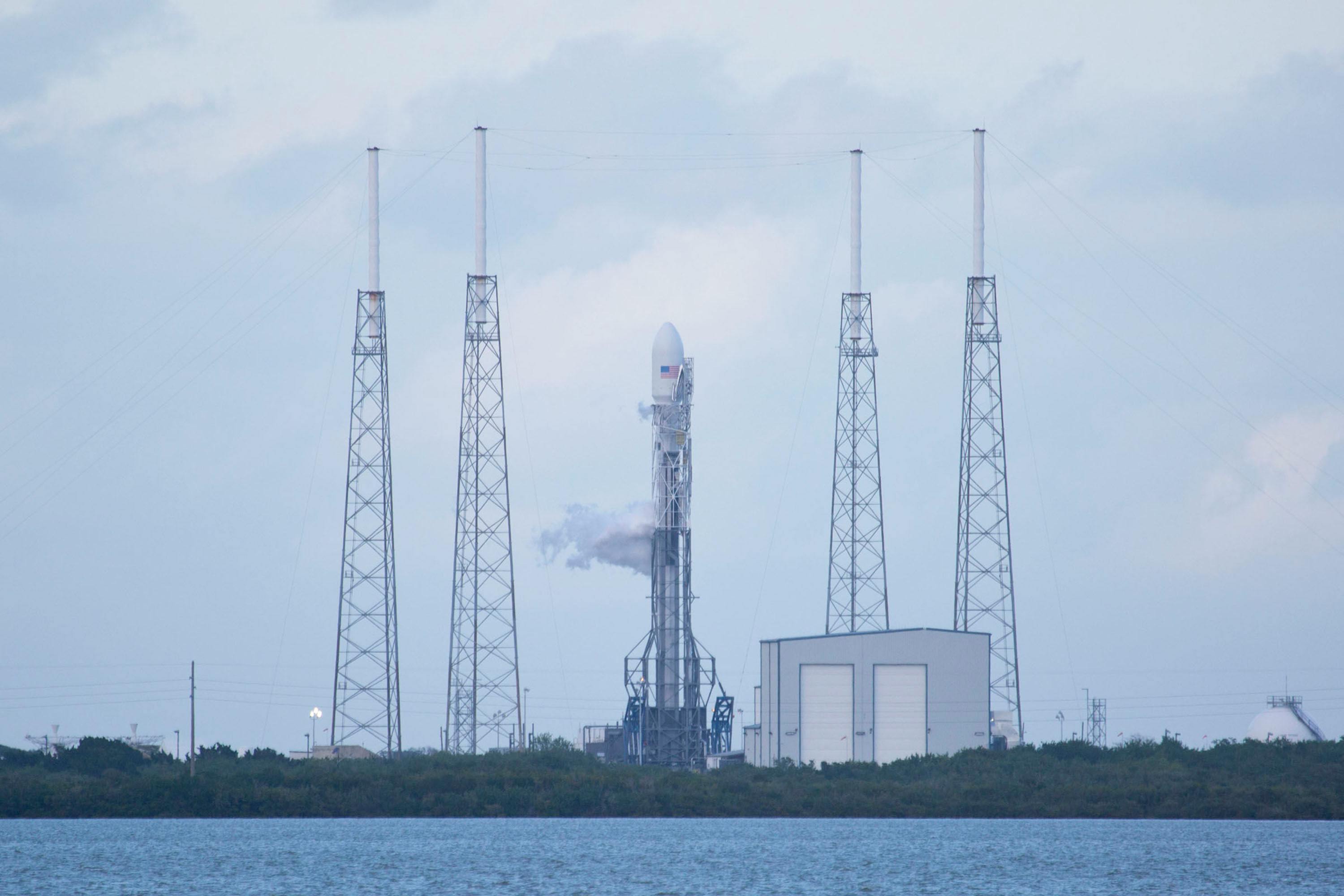
SpaceX cancels Texas land-swap deal amid growing Starship presence and launches 20 Starlink satellites using the 400th Falcon 9 rocket.
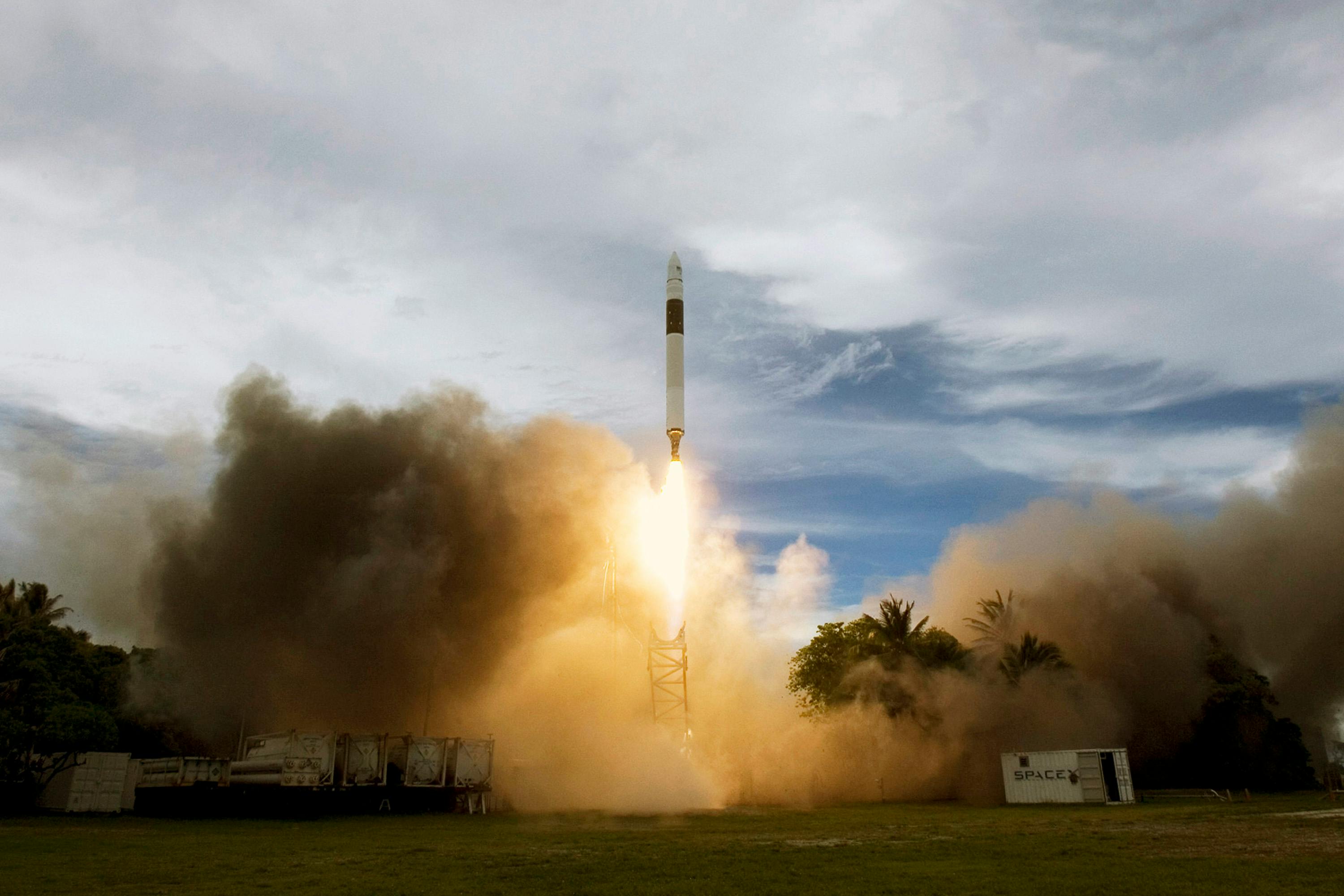
SpaceX number of launches in 2025: a record 165 orbital flights. Starlink added 4.6M customers across 35 new markets; new Vandenberg pad offered.
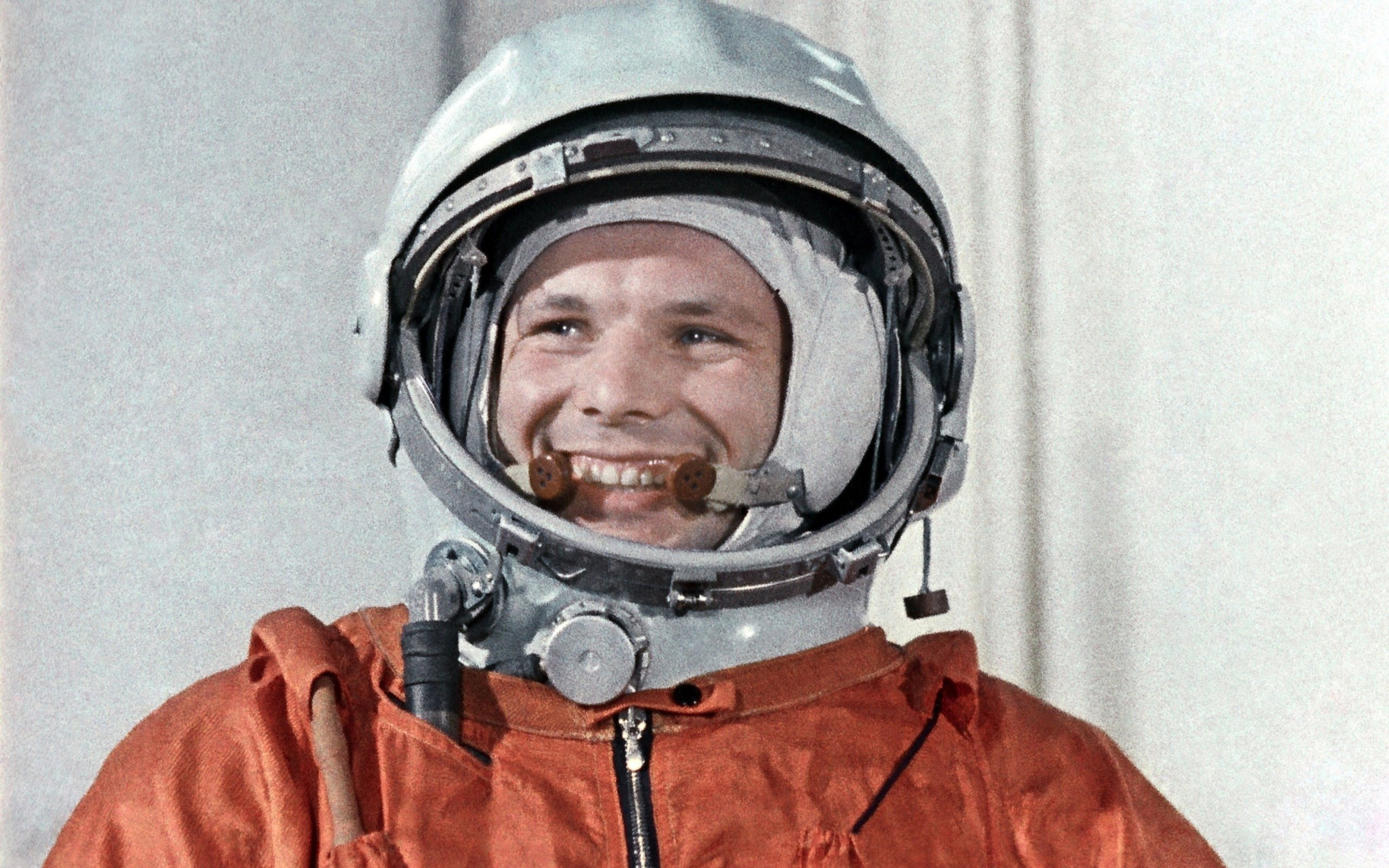
On April 12, 1961, a 27-year-old Soviet pilot rode a modified ICBM into orbit and came back alive after 108 minutes. Exactly twenty years later, two Americans climbed aboard an untested spacecraft covered in 31,000 ceramic tiles and bet their lives that the math was right.