

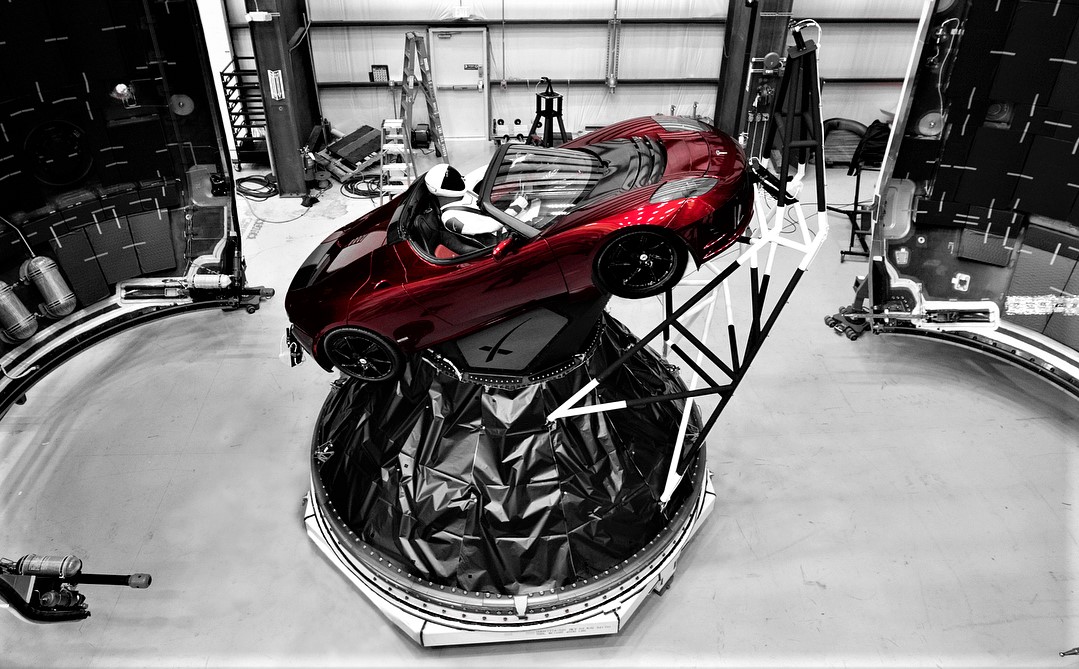
The Day a Car Started Its Journey to the Stars
Seven years ago, SpaceX revolutionized spaceflight by launching the most powerful operational rocket in the world, carrying with it a cherry-red Tesla Roadster that captured global imagination


Launch Date
February 24, 1975
Launch Site
KSCUT
Launch Pad
M
Launch Vehicle
Mu-3C
NORAD ID
07671
International Designator
1975-014A
Decay Date
6/29/1980
Name
TAIYO (SRATS)
Alternative Name
Taiyo
Type
Status
Owner
ISAS
Country
Japan
Constellation
N/A
Related Satellites
Major Events
N/A
Apologies, there is no summary for this satellite yet. I am working to generate these for every object in the catalog, but it is going to take time.
Length
0.7
Diameter
0.8
Span
1.8
Dry Mass
86
Launch Mass
86
Shape
Oct Cyl + 4 Ant
Radar Cross Section
0.462
Visual Magnitude
Unknown
Color
Unknown
Material Composition
Unknown
Payload
SRATS
Purpose
Unknown
Mission
Unknown
Manufacturer
ISAS
Life Expectancy
Unknown
Bus
SRATS
Configuration
Unknown
Motor
Unknown
Equipment
Unknown
Power System
Unknown
ADCS
Unknown
Transmitter Frequency
Unknown
Learn more about satellites and other related topics.
Seven years ago, SpaceX revolutionized spaceflight by launching the most powerful operational rocket in the world, carrying with it a cherry-red Tesla Roadster that captured global imagination
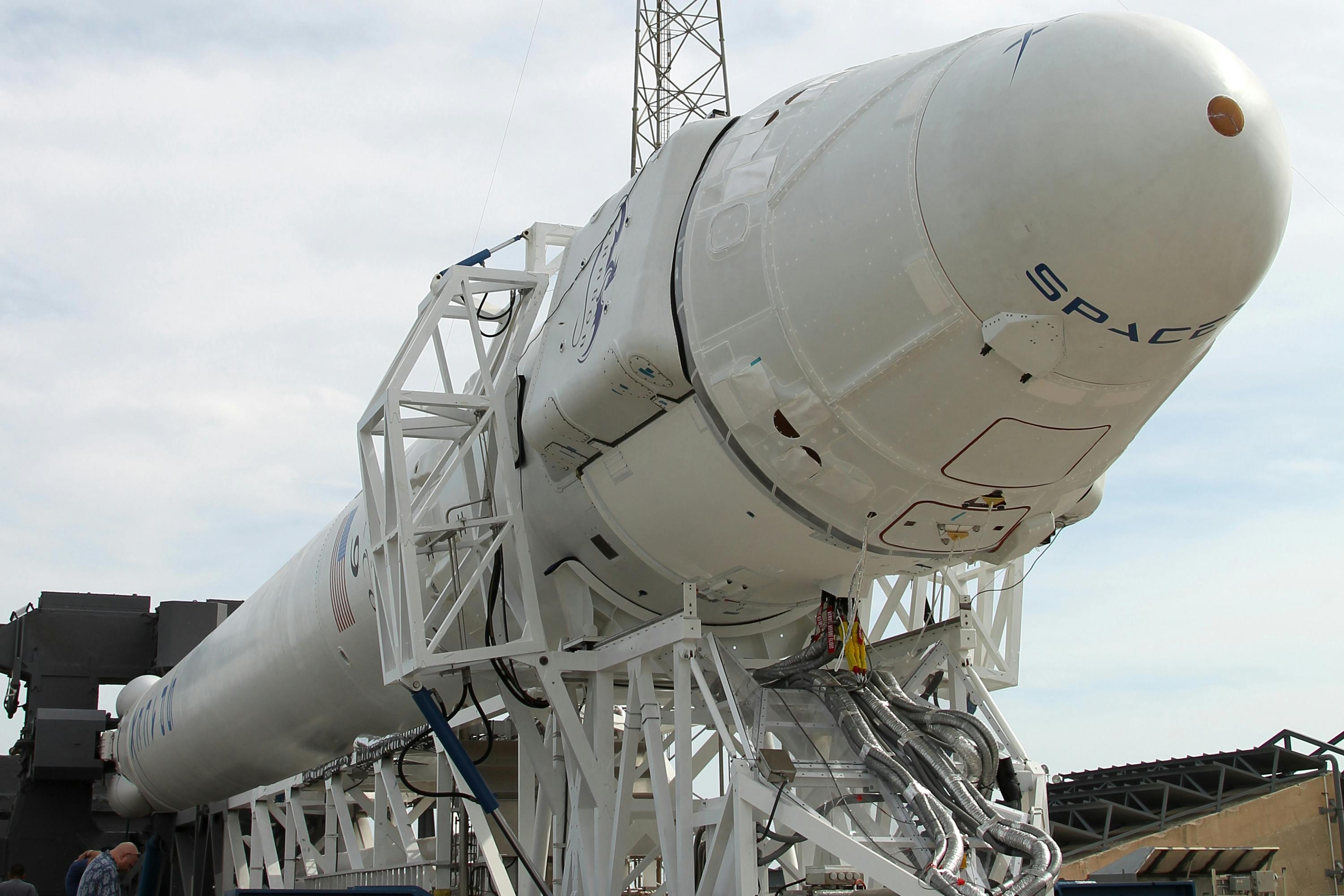
SpaceX's 13th NRO proliferated-arch mission lifted off May 11 as Starlink shuts its GPS-rival feature ahead of a looming IPO.
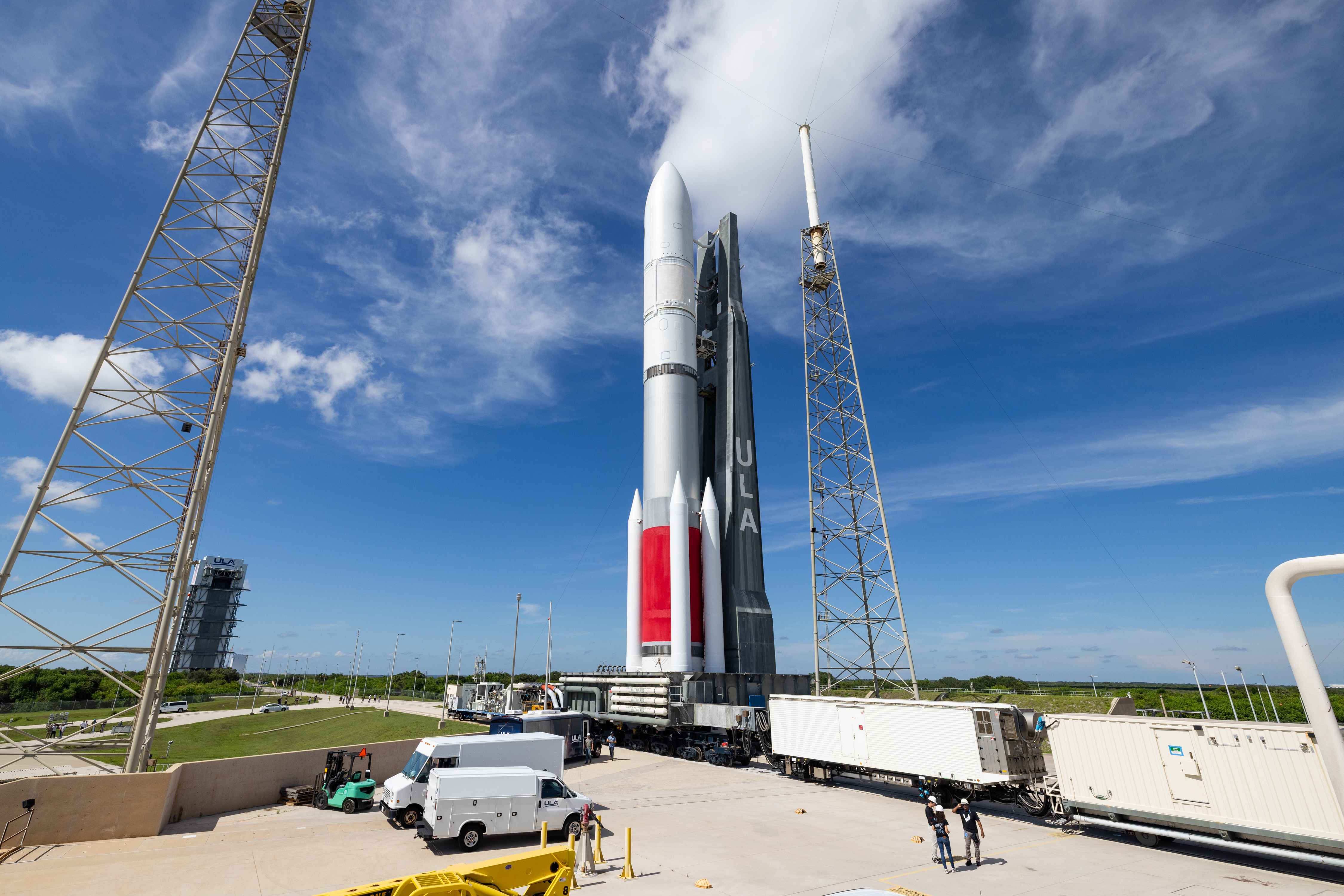
Senate clears $839B defense spending bill ensuring Pentagon space domain funding. L3Harris reaffirms space sector commitment amid Golden Dome expansion. York Space raises $629M in public offering.
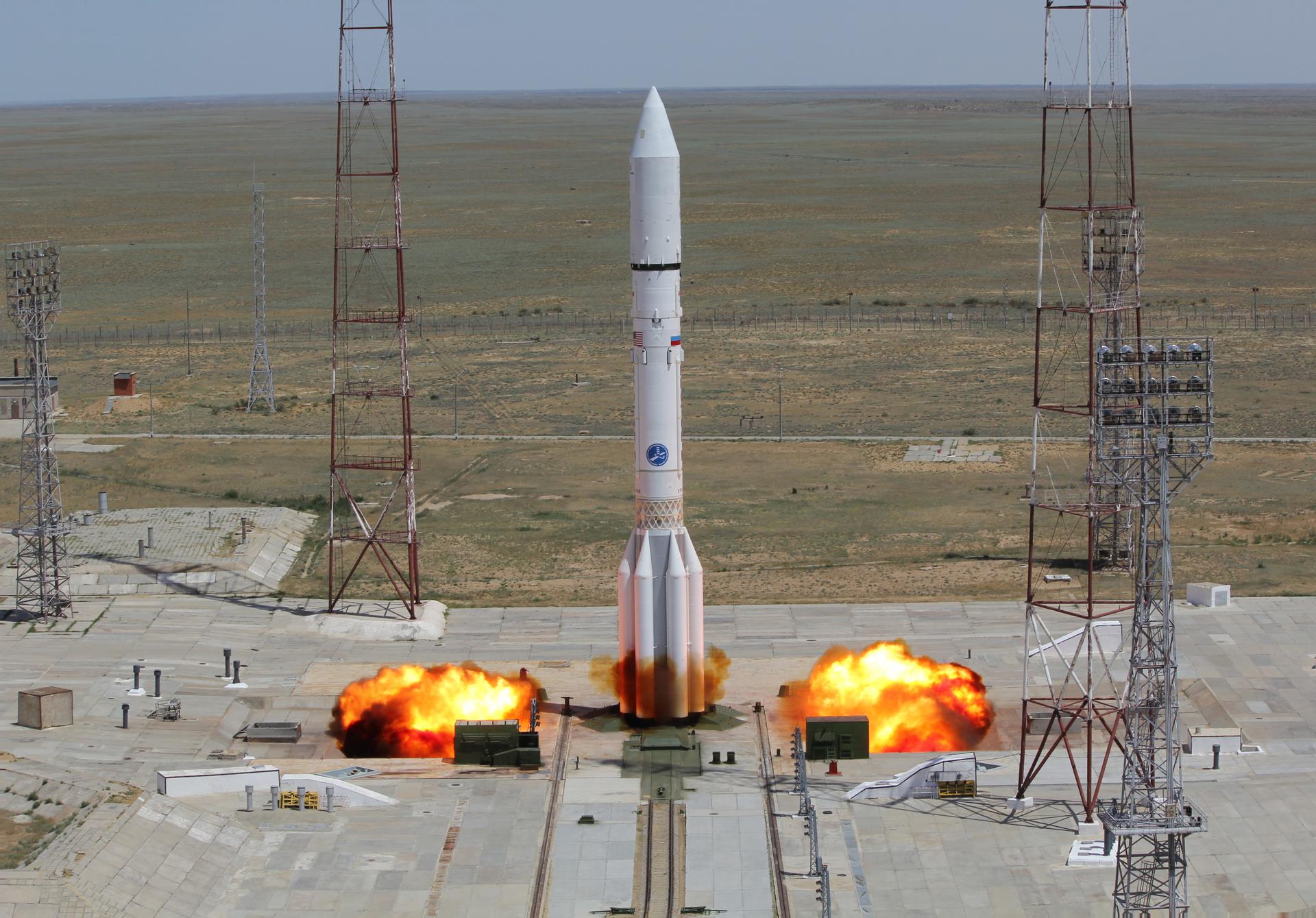
Varda Space's W-5 mission lands safely in Australia. Leonardo DRS wins SDA Tracking Layer Tranche 3 infrared payload contract. Senate passes $839B defense bill.
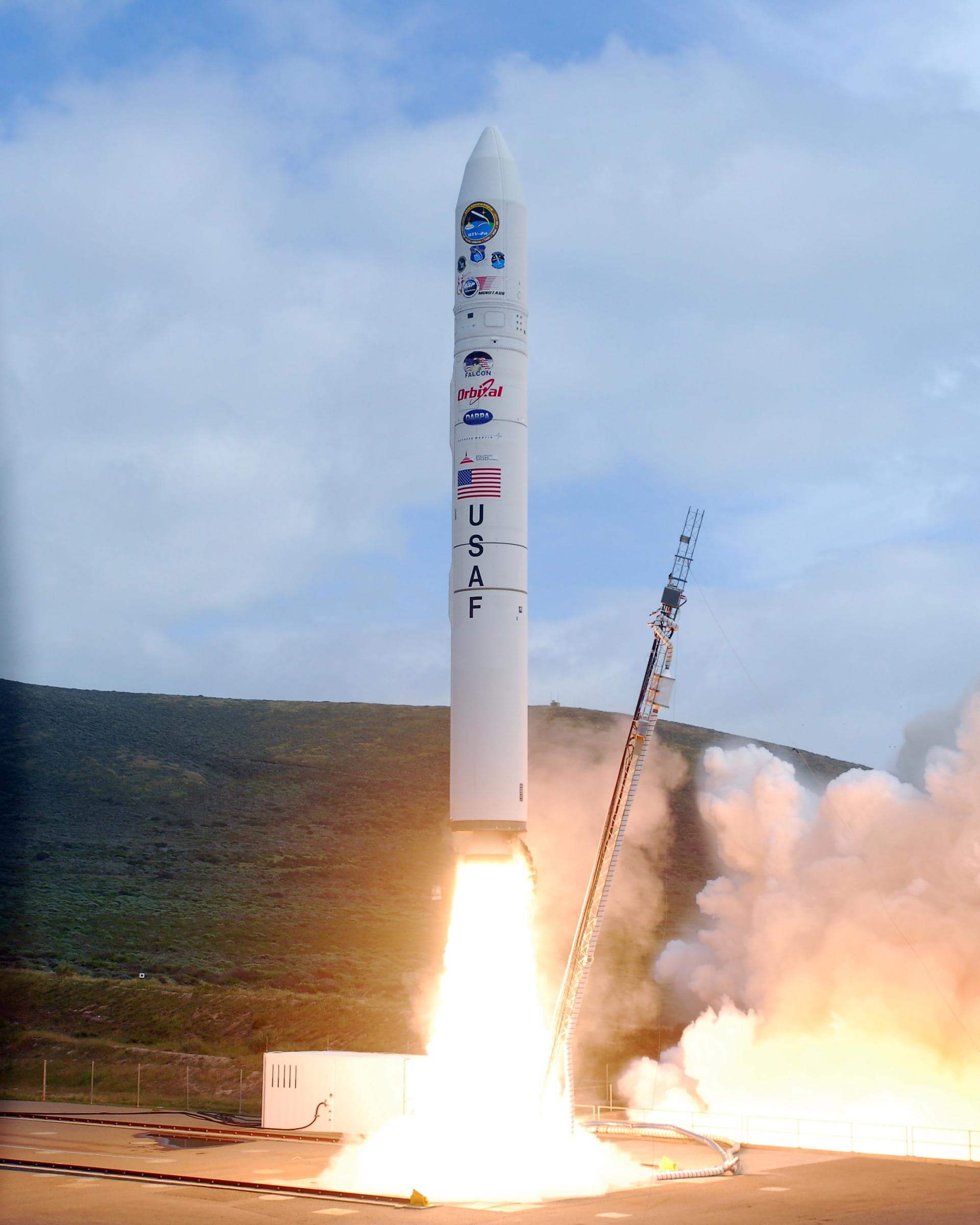
Today's brief covers strategic alignments in U.S. military space operations, a landmark missile defense program, and advances in secure satellite communications.
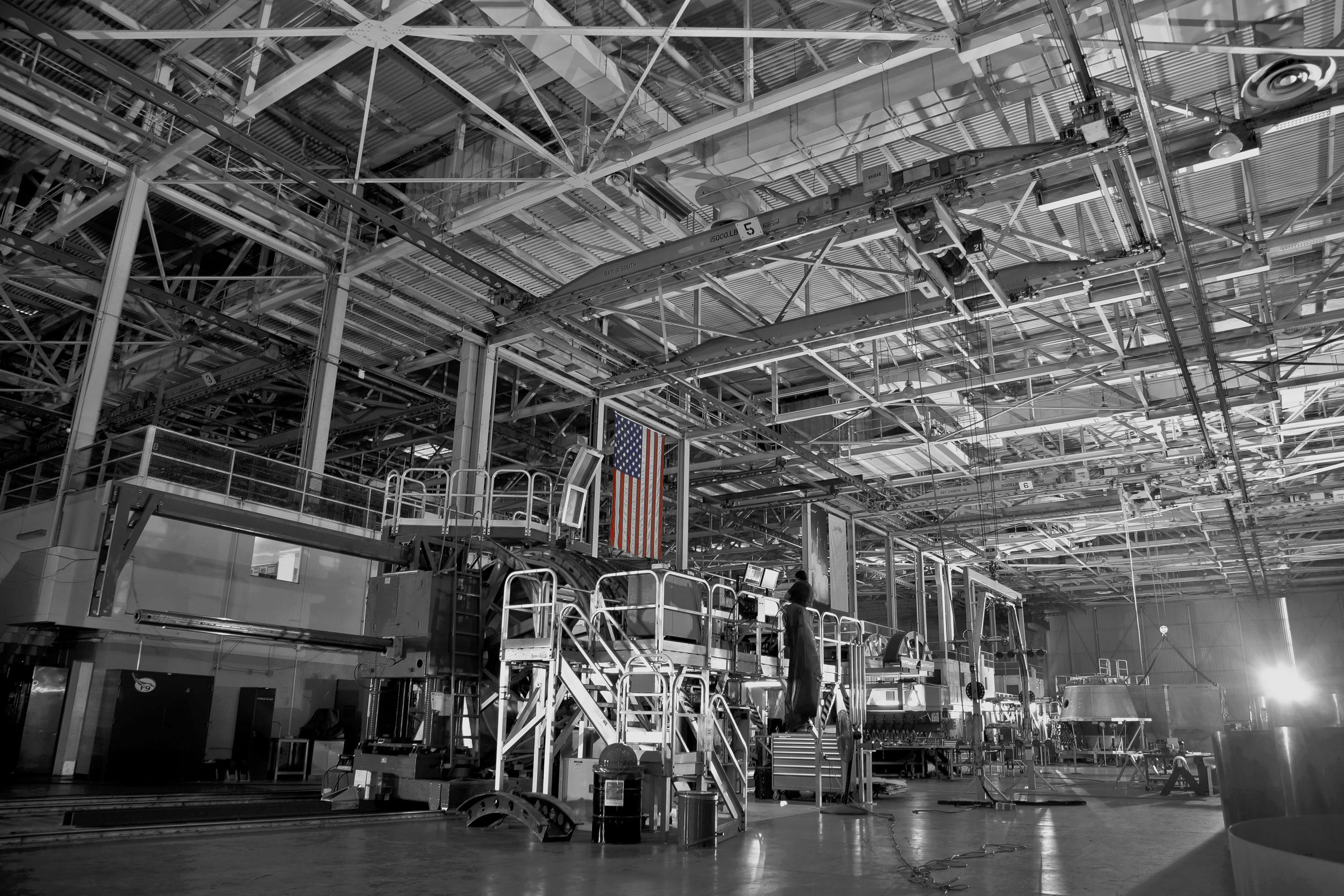
SpaceX launched 25 more Starlink satellites from Vandenberg SFB on March 8, 2026, pushing the active constellation toward 9,914 working spacecraft.
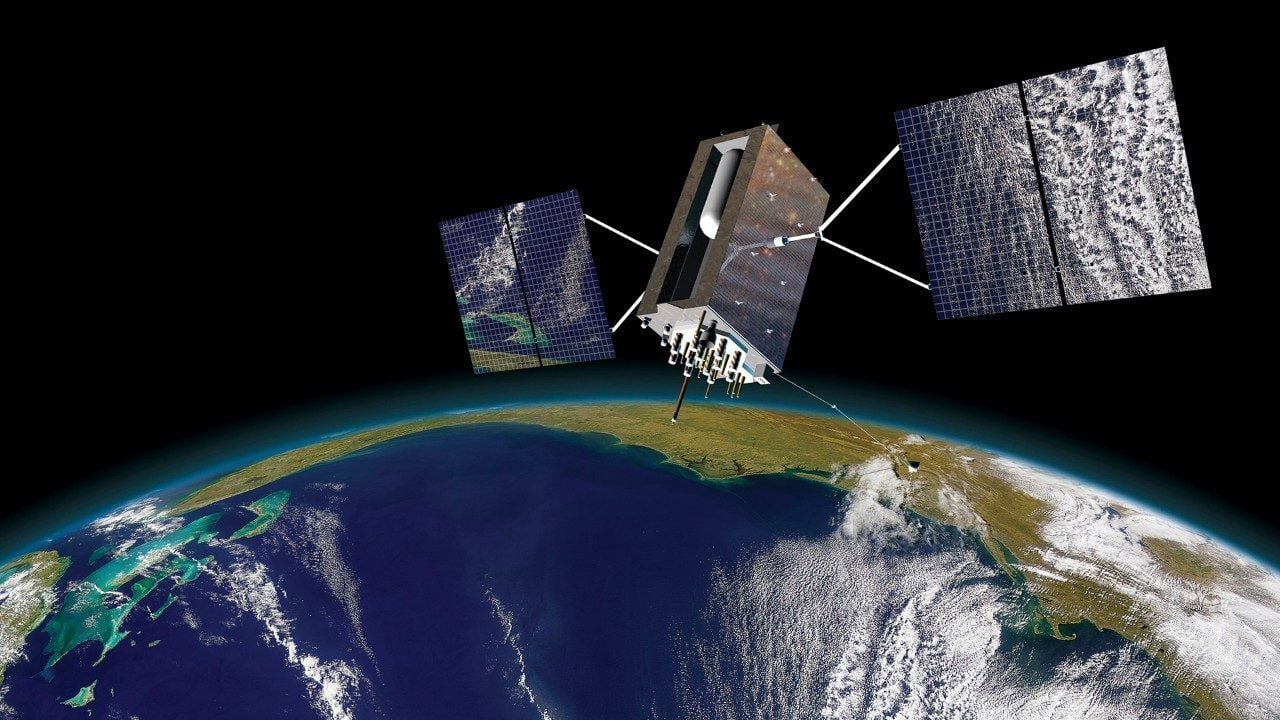
On April 17, 2026, the U.S. Space Force officially cancelled the Next Generation Operational Control System after sixteen years of development, cost overruns, and testing failures. The $8 billion program was supposed to unlock the military's encrypted GPS signal. Instead, the satellites are flying with capabilities the ground can't command.

Today's brief covers the Army's move to create a space career field for enlisted soldiers, Terran Orbital's involvement in a Space Force tech program, advancements in missile warning systems, a first flight test by Inversion Space, and more.