SL-6 R/B(1) (07626)

COSPAR: 1975-007B | Alt Name: Molniya-M 31-574 Blok-I
DECAYED

Image
SL-6 R/B(1) Satellite Image
Additional Sources
Launch Details

Launch Date

January 30, 1975

Launch Site

PLMSC

Launch Pad

LC41/1

Launch Vehicle

Molniya 8K78M

Orbital Elements

NORAD ID

07626

International Designator

1975-007B

Decay Date

4/4/1975

Basic Satellite Info

Name

SL-6 R/B(1)

Alternative Name

Molniya-M 31-574 Blok-I

Type

Rocket Body

Status

Space Junk

Owner

RVSN

Country

USSR

Constellation

N/A

Related Satellites

Major Events

N/A

Summary
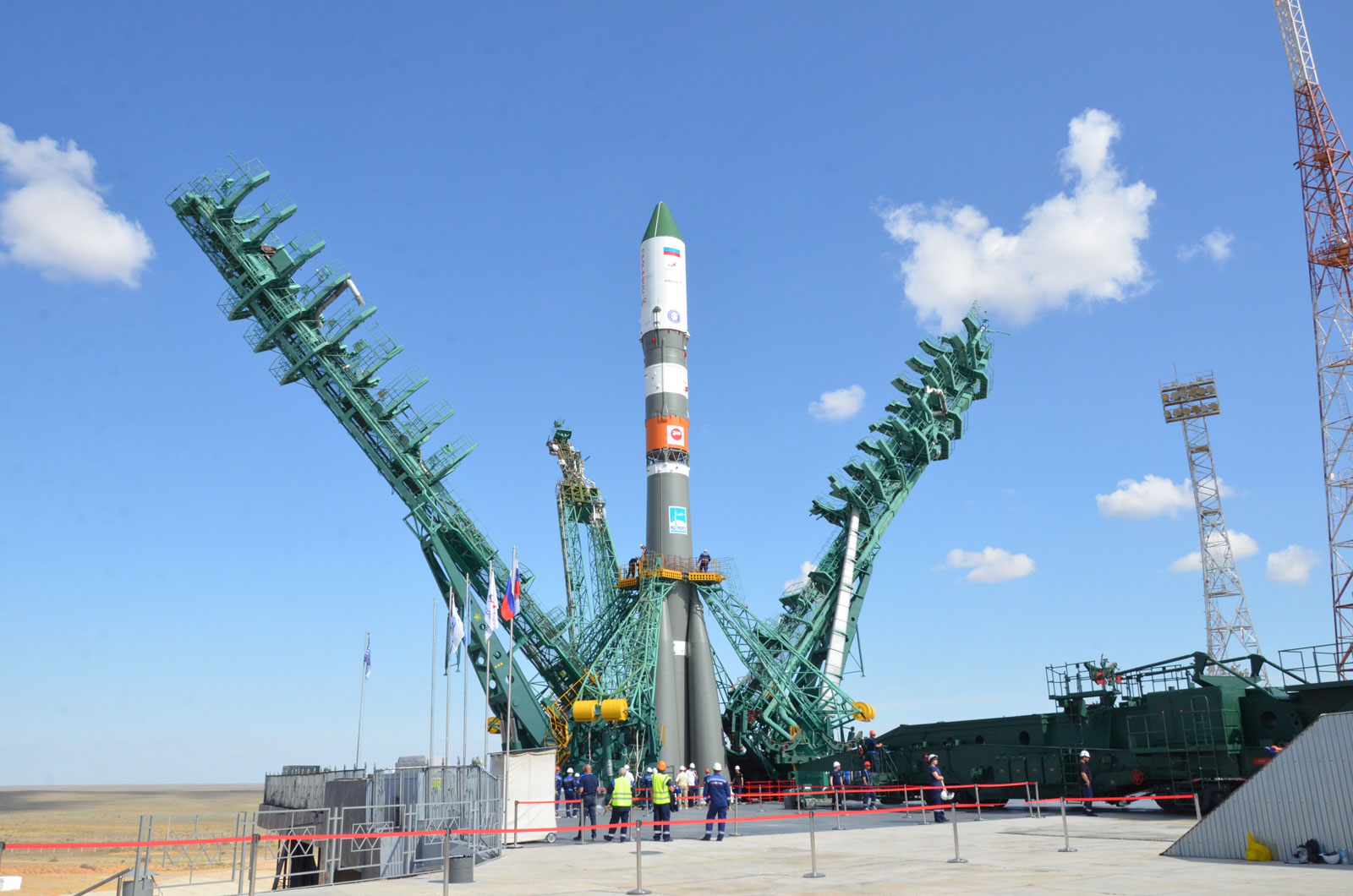
A rocket body, also commonly referred to as an upper stage or spent rocket stage, is the structural shell left behind after a rocket has delivered its payload to orbit. These large and often heavy pieces of space hardware can remain in orbit for years, posing significant collision hazards as part of the growing space debris problem. If left uncontrolled, rocket bodies have the potential to reenter Earth's atmosphere unpredictably, which can lead to falling debris in populated areas. Additionally, they risk colliding with operational satellites or the International Space Station, creating more debris and putting human life at risk.
Physical Characteristics

Length

7.2

Diameter

2.7

Span

7.7

Dry Mass

2700

Launch Mass

2700

Shape

Cyl

Radar Cross Section

Unknown

Visual Magnitude

Unknown

Color

Unknown

Material Composition

Unknown

Technical Details

Payload

11S510

Purpose

Unknown

Mission

Unknown

Manufacturer

PROG

Life Expectancy

Unknown

Bus

Blok-I

Configuration

Unknown

Motor

Unknown

Equipment

Unknown

Power System

Unknown

ADCS

Unknown

Transmitter Frequency

Unknown

Satellite Articles

View All Posts »

Learn more about satellites and other related topics.

Space Force Awards $54.5M to Starfish Space for GEO Servicing | KeepTrack Space Brief

Space Force Awards $54.5M to Starfish Space for GEO Servicing | KeepTrack Space Brief

Space Force awards $54.5M to Starfish Space for GEO satellite servicing vehicle. Artemis II heads to launch pad for first crewed Moon flyby in 54 years. Crew-12 confirmed.

X Report 18 Dec 2024

X Report 18 Dec 2024

SpaceX achieves significant milestones with Starship and multiple launch missions, while Starlink connectivity expands through T-Mobile's beta program.

Space Brief 7 May 2025

Space Brief 7 May 2025

Today's briefing focuses on key developments in military space activities, technological advancements, and strategic challenges faced by the U.S. in space dominance. Notably, the Space Force is expanding its missile warning capabilities, and significant funding discussions are underway.

X Report 29 Jun 2025

X Report 29 Jun 2025

SpaceX secures a significant military contract while successfully launching multiple batches of Starlink satellites. Furthermore, milestones aboard the ISS highlight ongoing space missions.

Seismic Networks Now Track Space Junk, Pentagon Faces Golden Dome Cost Challenges | KeepTrack Space Brief

Seismic Networks Now Track Space Junk, Pentagon Faces Golden Dome Cost Challenges | KeepTrack Space Brief

Johns Hopkins researchers use seismic networks to track space debris in near real-time. Pentagon faces Golden Dome production scale challenges. SpaceX launches 25 Starlink sats in seventh 2026 mission.

SpaceX Resumes Falcon 9 Launches After Investigating Upper Stage Anomaly

SpaceX Resumes Falcon 9 Launches After Investigating Upper Stage Anomaly

SpaceX successfully returns to flight with a Starlink mission, detailing the cause of the July 11 anomaly and implementing fixes to prevent future incidents.

Space Brief 4 Nov 2024

Space Brief 4 Nov 2024

China's Tiangong space station completes crew rotation, Rocket Lab prepares for confidential launch, and Japan successfully launches military satellite with its H3 rocket.

Space Force Forecasts 25 Extra Heavy-Lift Missions Through 2029 | KeepTrack Space Brief

Space Force Forecasts 25 Extra Heavy-Lift Missions Through 2029 | KeepTrack Space Brief

Space Force projects 25 additional high-energy missions in 2027–2029 window, straining capacity at Vulcan and Falcon Heavy. Capacity constraints will drive military-NASA prioritization debates.