

X Report 14 Aug 2025
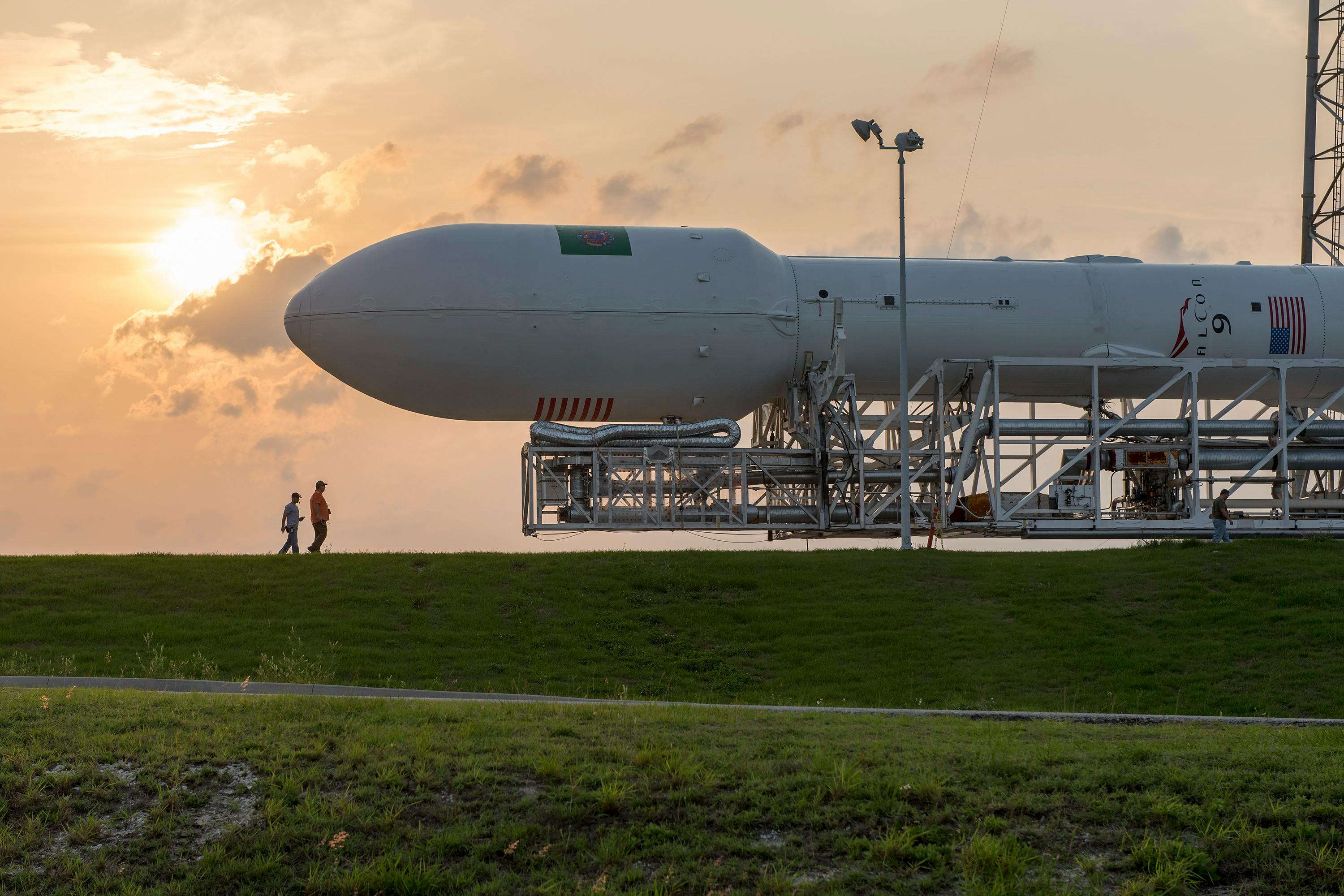
SpaceX successfully launched a batch of Starlink satellites today while introducing new features to enhance user experience. Their rideshare program continues to see increased demand, proving popular among customers.



Launch Date
October 25, 1974
Launch Site
Launch Pad
LC31
Launch Vehicle
Soyuz-U
NORAD ID
07511
International Designator
1974-082C
Decay Date
11/10/1974
Name
COSMOS 691 DEB
Alternative Name
KDU
Type
Status
Owner
GUKOSR
Country
USSR
Constellation
N/A
Related Satellites
Major Events
N/A
Length
1
Diameter
0.4
Span
1
Dry Mass
140
Launch Mass
425
Shape
Frust
Radar Cross Section
Unknown
Visual Magnitude
Unknown
Color
Unknown
Material Composition
Unknown
Payload
KDU
Purpose
Unknown
Mission
Unknown
Manufacturer
TSSKB
Life Expectancy
Unknown
Bus
Zenit KDU
Configuration
Unknown
Motor
Unknown
Equipment
Unknown
Power System
Unknown
ADCS
Unknown
Transmitter Frequency
Unknown
Learn more about satellites and other related topics.
SpaceX successfully launched a batch of Starlink satellites today while introducing new features to enhance user experience. Their rideshare program continues to see increased demand, proving popular among customers.
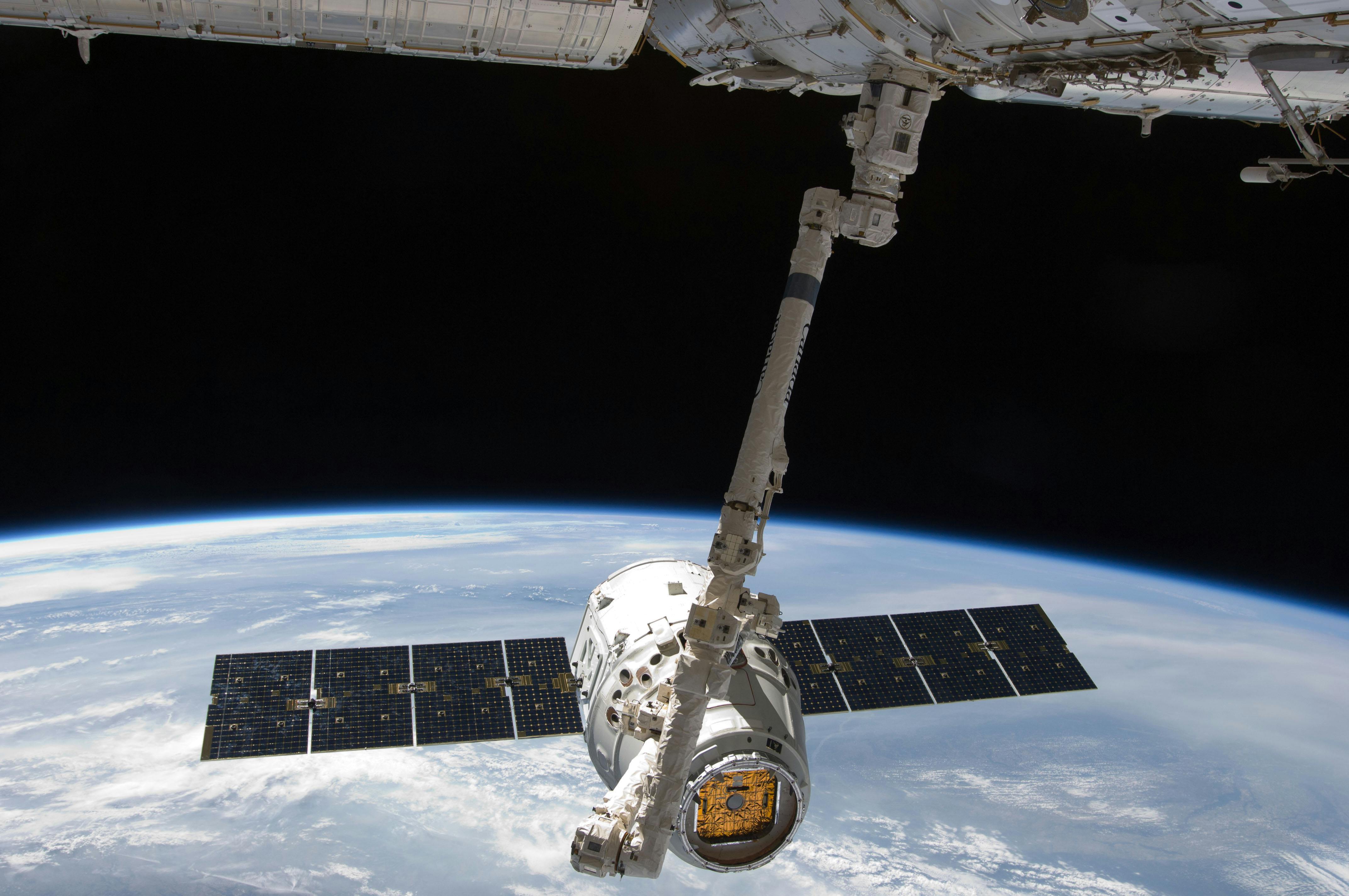
SpaceX successfully launches 21 Starlink satellites and deploys a new batch of spy satellites for the US government.
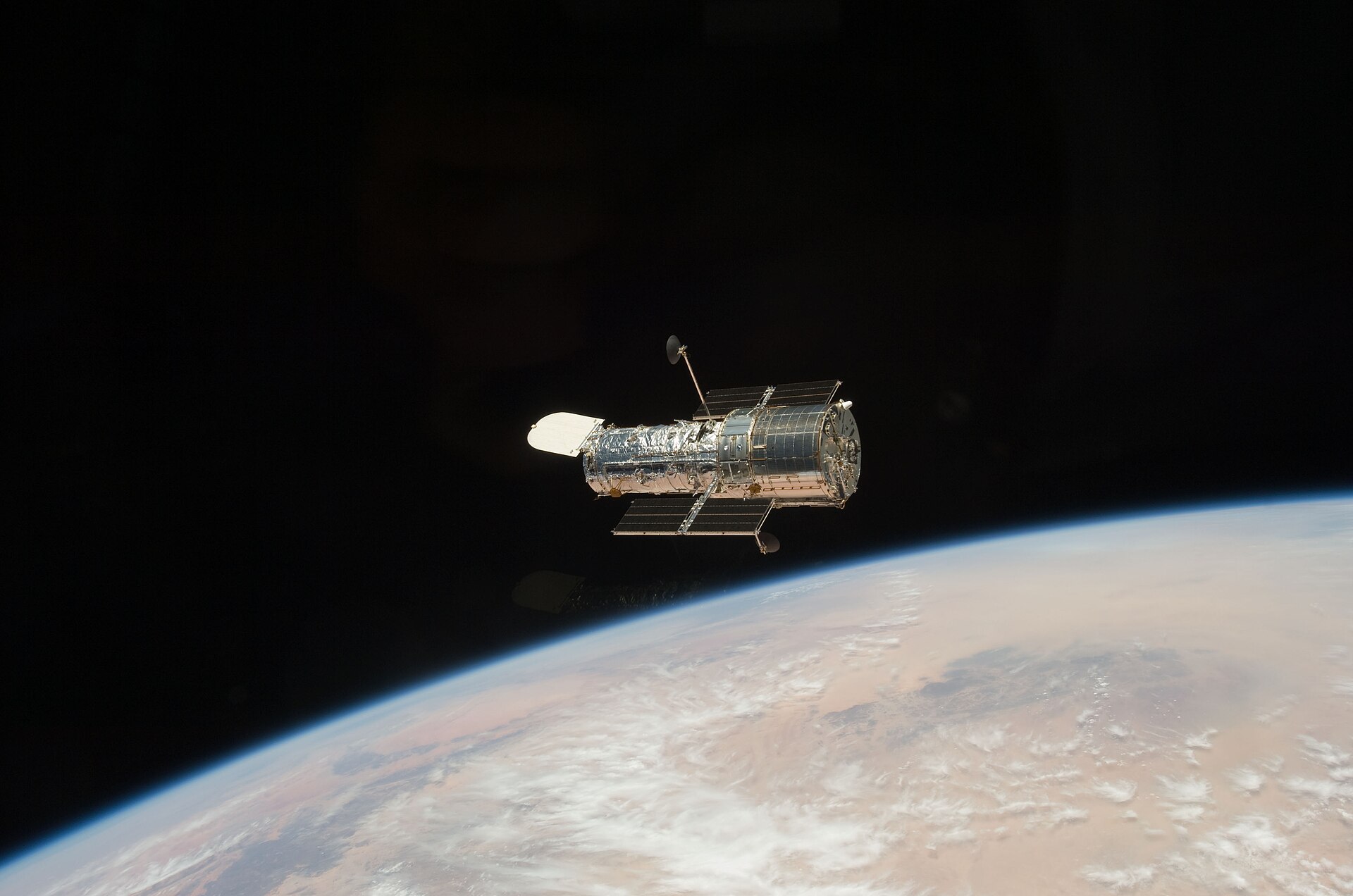
On April 25, 1990, the Space Shuttle Discovery's robotic arm lifted a 11,110-kilogram barrel of mirrors and instruments out of the payload bay and released it into orbit. Six weeks later, the first images came back badly out of focus. The Hubble Space Telescope had been ground to the wrong prescription, and America had just spent $2.5 billion on what the press was calling a 'technoturkey.'
Today's brief covers a reveal from the US Space Force of the X-37B space plane in orbit, a developing defense shakeup involving key military leaders, confirmation of advanced federated ICAM connections by the DoD, and SAAB's plan for a Euro defense coalition. Plus, we spotlight the BDSAT-2 CubeSat.

Record-breaking Chinese launches, SDA funding issues, and a new Starlink milestone highlight today's space news.
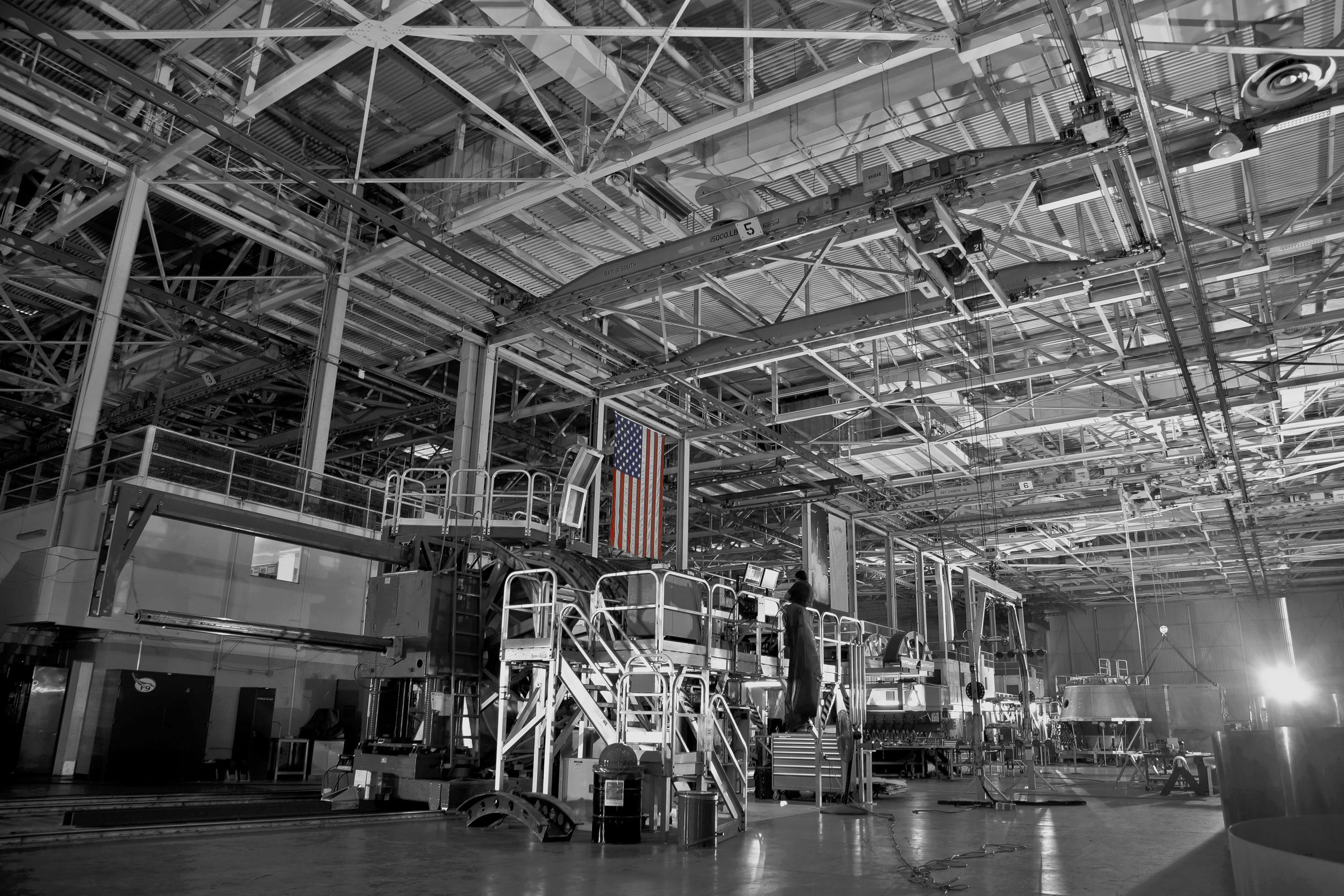
A HIGH-risk conjunction between STARLINK-4621 and the defunct SL-18 rocket body leads the July 11 safety picture, with eight Starlink satellites set to reenter through July 14.
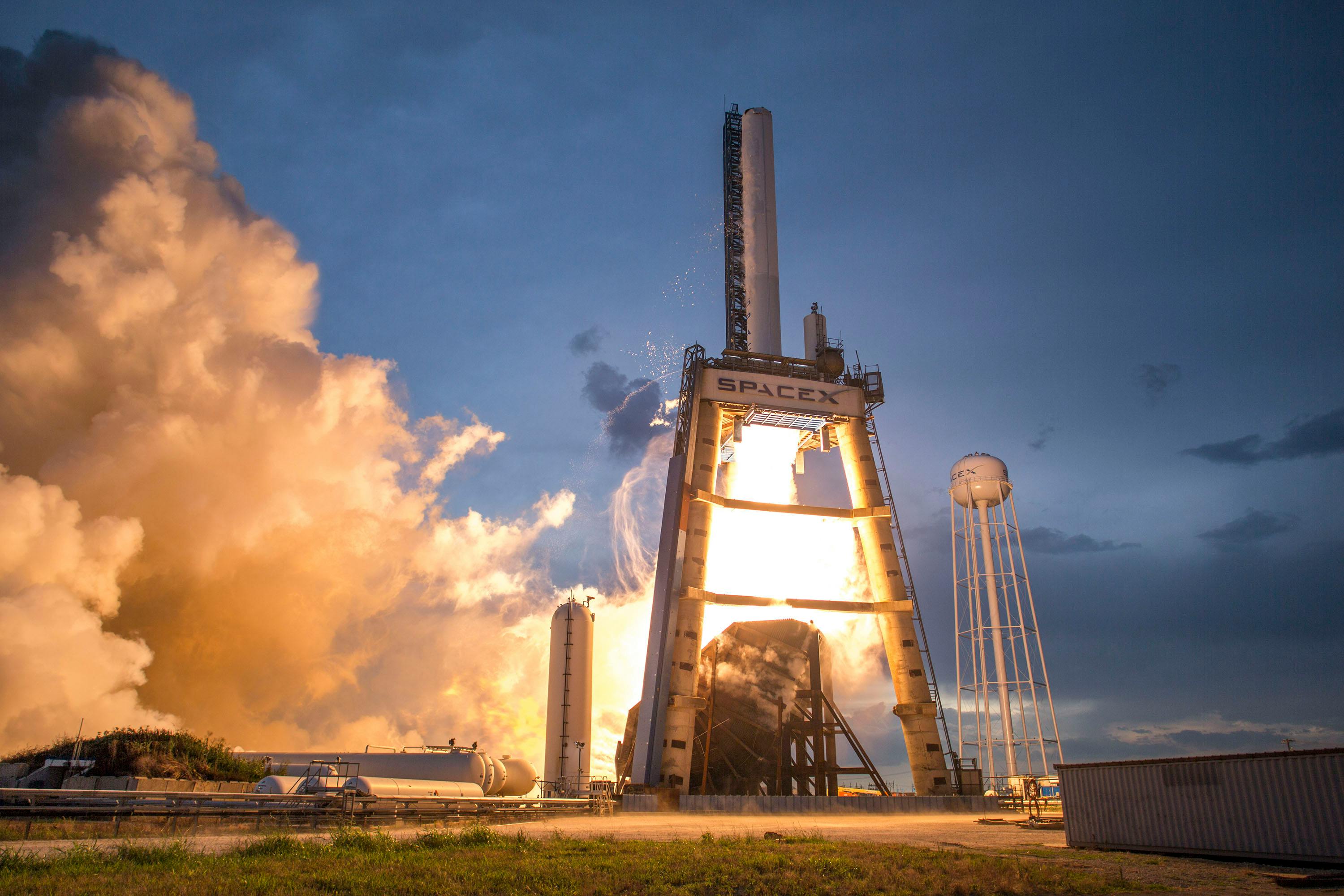
Today's briefing covers Starlink's role in disaster recovery in the Philippines, insights into the evolving direct-to-device market, and news of European plans for a reusable upper stage rocket inspired by SpaceX's Starship.

SpaceX Crew-11 mission returns safely to Earth after first-ever medical evacuation from ISS. Crew Dragon splashes down in Pacific Ocean off California coast. Mission ended early due to health concern.