

25 Starlinks Lift Off from Vandenberg in Latest Batch | KeepTrack X Report
SpaceX launched 25 more Starlink satellites from Vandenberg SFB on March 8, 2026, pushing the active constellation toward 9,914 working spacecraft.


Launch Date
November 1, 1974
Launch Site
PLMSC
Launch Pad
LC43/4
Launch Vehicle
Voskhod 11A57
NORAD ID
07503
International Designator
1974-087B
Decay Date
11/6/1974
Name
SL-4 R/B
Alternative Name
Voskhod 31-179 Blok-I
Type
Status
Owner
RVSN
Country
USSR
Constellation
N/A
Related Satellites
Major Events
N/A
Length
6.7
Diameter
2.7
Span
6.7
Dry Mass
2350
Launch Mass
2350
Shape
Cyl
Radar Cross Section
Unknown
Visual Magnitude
Unknown
Color
Unknown
Material Composition
Unknown
Payload
11A57I
Purpose
Unknown
Mission
Unknown
Manufacturer
PROG
Life Expectancy
Unknown
Bus
Blok-I
Configuration
Unknown
Motor
Unknown
Equipment
Unknown
Power System
Unknown
ADCS
Unknown
Transmitter Frequency
Unknown
Learn more about satellites and other related topics.
SpaceX launched 25 more Starlink satellites from Vandenberg SFB on March 8, 2026, pushing the active constellation toward 9,914 working spacecraft.
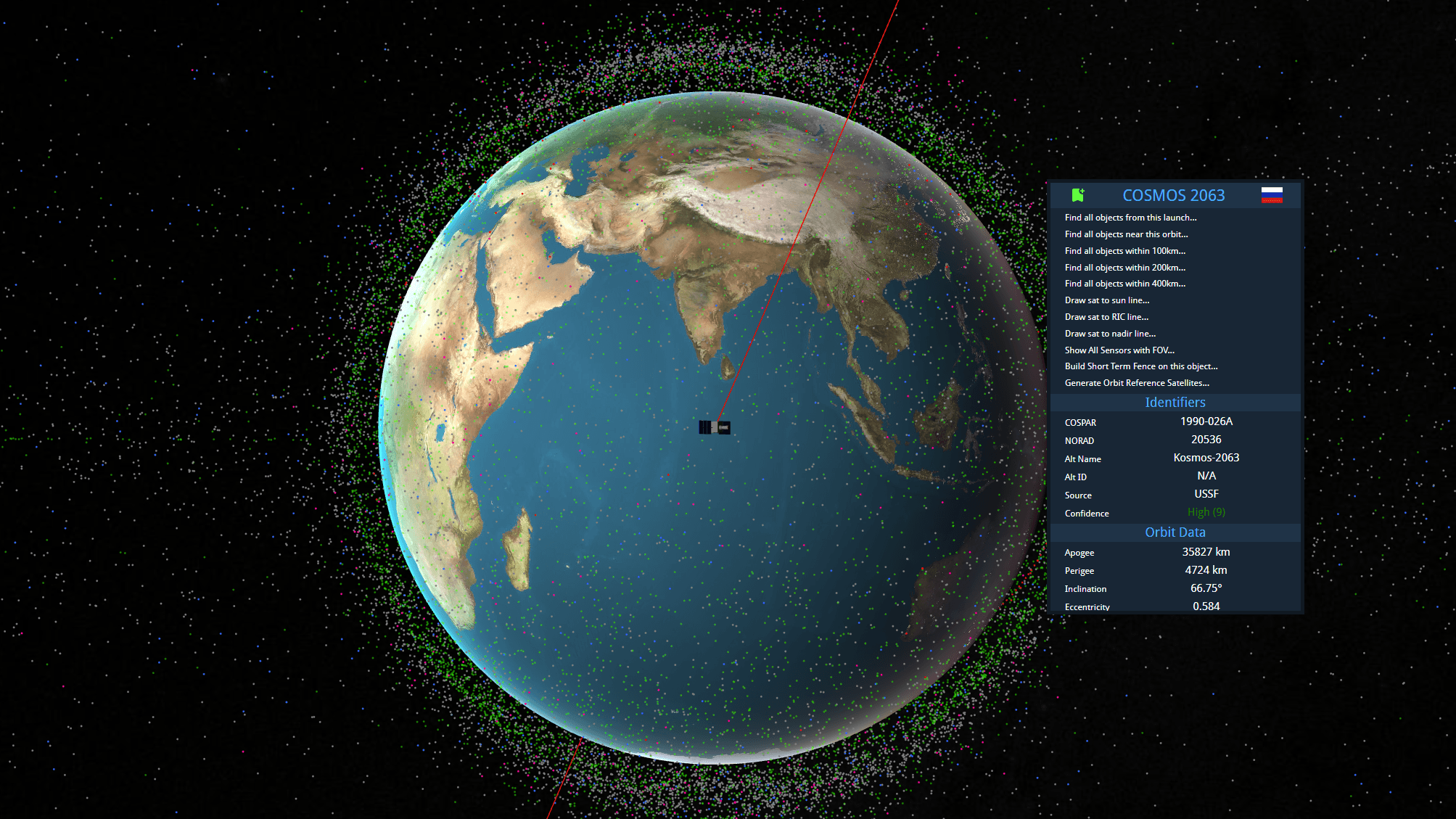
Today's Space Brief explores new satellite launches, significant reentries, funding milestones, and critical policy updates.

Starship Flight 7 scheduled for Jan 13, SpaceX sets Falcon 9 record, and NRO expands spy satellite constellation.
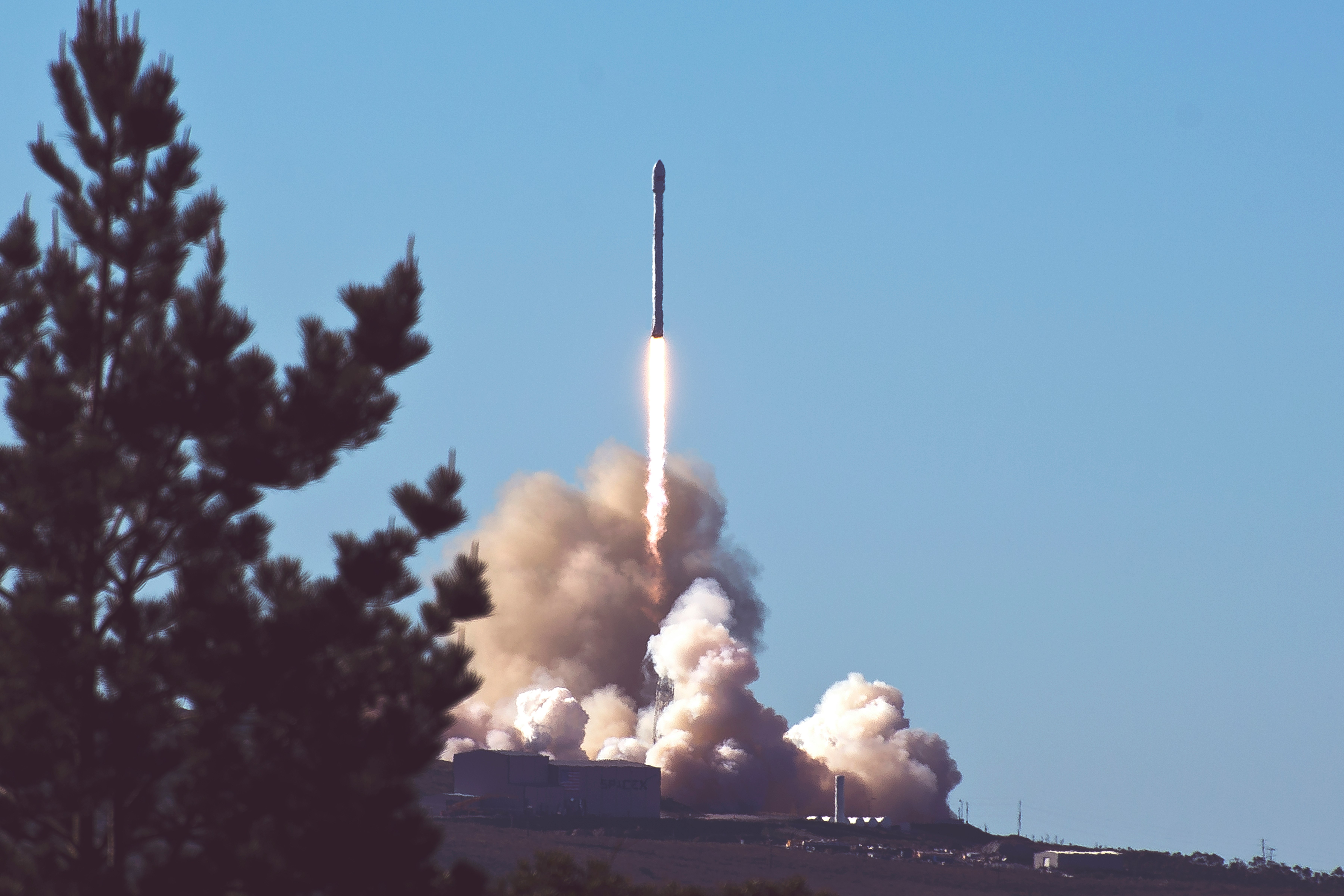
SpaceX secures NASA contract for NEO Surveyor launch and prepares for upcoming Starship test flight.

Today's briefing covers key developments in defense budgets reshaping the space sector, significant Space Force contracts, and the latest news from the Chinese space station.
SpaceX continues to make headlines with successful launches and advancements in satellite technology. Notably, a Falcon 9 rocket delivered an upgraded Cygnus spacecraft to the ISS amid a busy launch schedule this week.
SpaceX's disk-shaped Starfall reentry vehicle debuts as the constellation hits 10,671 working satellites across low Earth orbit.
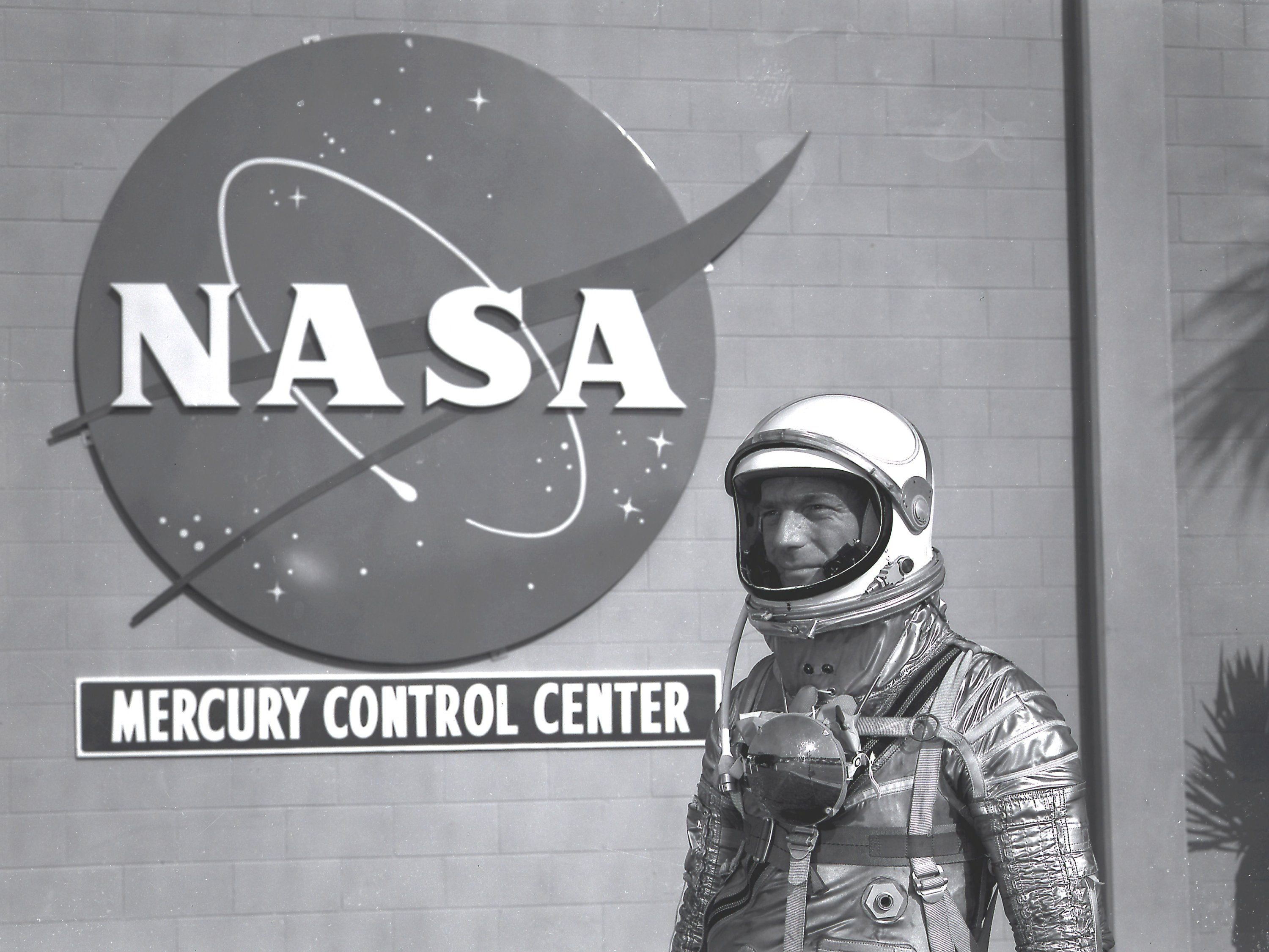
Exactly 64 years ago today, Scott Carpenter became the fourth American to orbit the Earth aboard Aurora 7. His five-hour flight produced new science, a tense reentry, and 39 minutes of silence in which the country wondered if it had just lost its astronaut.