


Space Brief 20 Feb 2025
Expansion of national security capabilities with new services, shifts in Pentagon priorities, challenges in zero trust compliance, and more.


Launch Date
August 29, 1974
Launch Site
PLMSC
Launch Pad
LC132/2
Launch Vehicle
Kosmos 11K65M
NORAD ID
07424
International Designator
1974-069A
Epoch
Sat, 04 Jul 2026 01:47:13 GMT
Apogee
Calculating...
Perigee
Calculating...
Inclination
74.06°
Right Ascension
201.09°
Eccentricity
Calculating...
Argument of Perigee
280.50°
Period
113.64 min
Mean Motion
12.67 rev/day
Latitude
Calculating...
Longitude
Calculating...
Altitude
Calculating...
Velocity
Calculating...
Name
COSMOS 675
Alternative Name
Kosmos-675
Type
Status
Owner
VTS
Country
USSR
Constellation
N/A
Related Satellites
Major Events
N/A
1 07424U 74069A 26185.07446277 -.00000019 00000-0 -13995-4 0 9995
2 07424 74.0560 201.0933 0038948 280.4958 94.2220 12.67186792398331
Source: Celestrak
Apologies, there is no summary for this satellite yet. I am working to generate these for every object in the catalog, but it is going to take time.
Length
3
Diameter
2
Span
17
Dry Mass
800
Launch Mass
800
Shape
Cyl + Ant
Radar Cross Section
2.667
Visual Magnitude
Unknown
Color
Unknown
Material Composition
Unknown
Payload
Geoid No. 23L
Purpose
Geodesy
Mission
Geodesy
Manufacturer
OKB10
Life Expectancy
Unknown
Bus
KAUR-1 11F621
Configuration
KAUR-1
Motor
Unknown
Equipment
Unknown
Power System
Solar cells, batteries
ADCS
Unknown
Transmitter Frequency
Unknown
Learn more about satellites and other related topics.
Expansion of national security capabilities with new services, shifts in Pentagon priorities, challenges in zero trust compliance, and more.

Space Force sees strategic value in asteroid mining. Congress pushes back on R-GPS phase-out over jamming risks. BlackSky expands Gen 3 defense contracts.
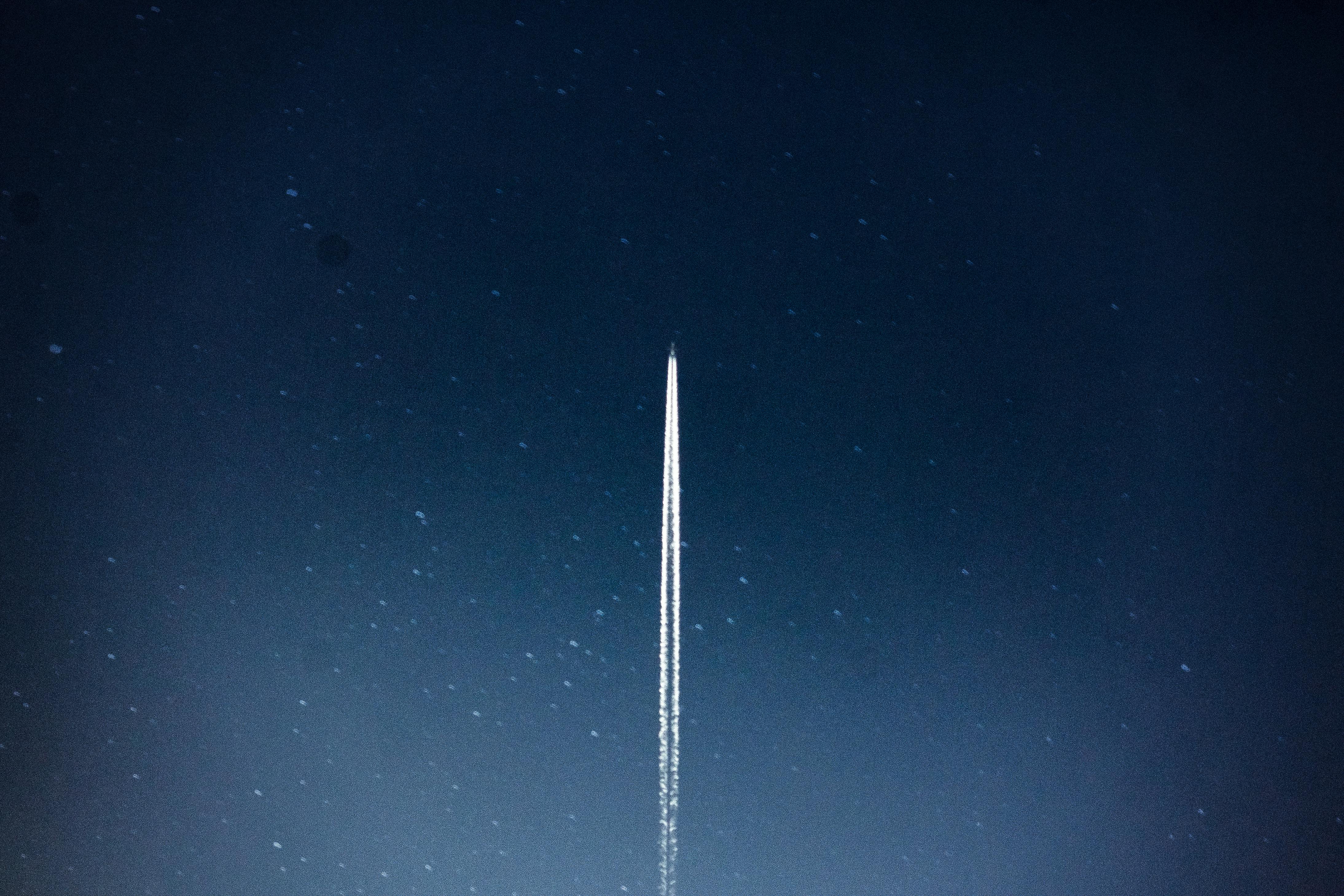
Starlink reaches 9 million active users, while SpaceX prepares for upcoming missions with Flight 12 vehicles readying for 2026.
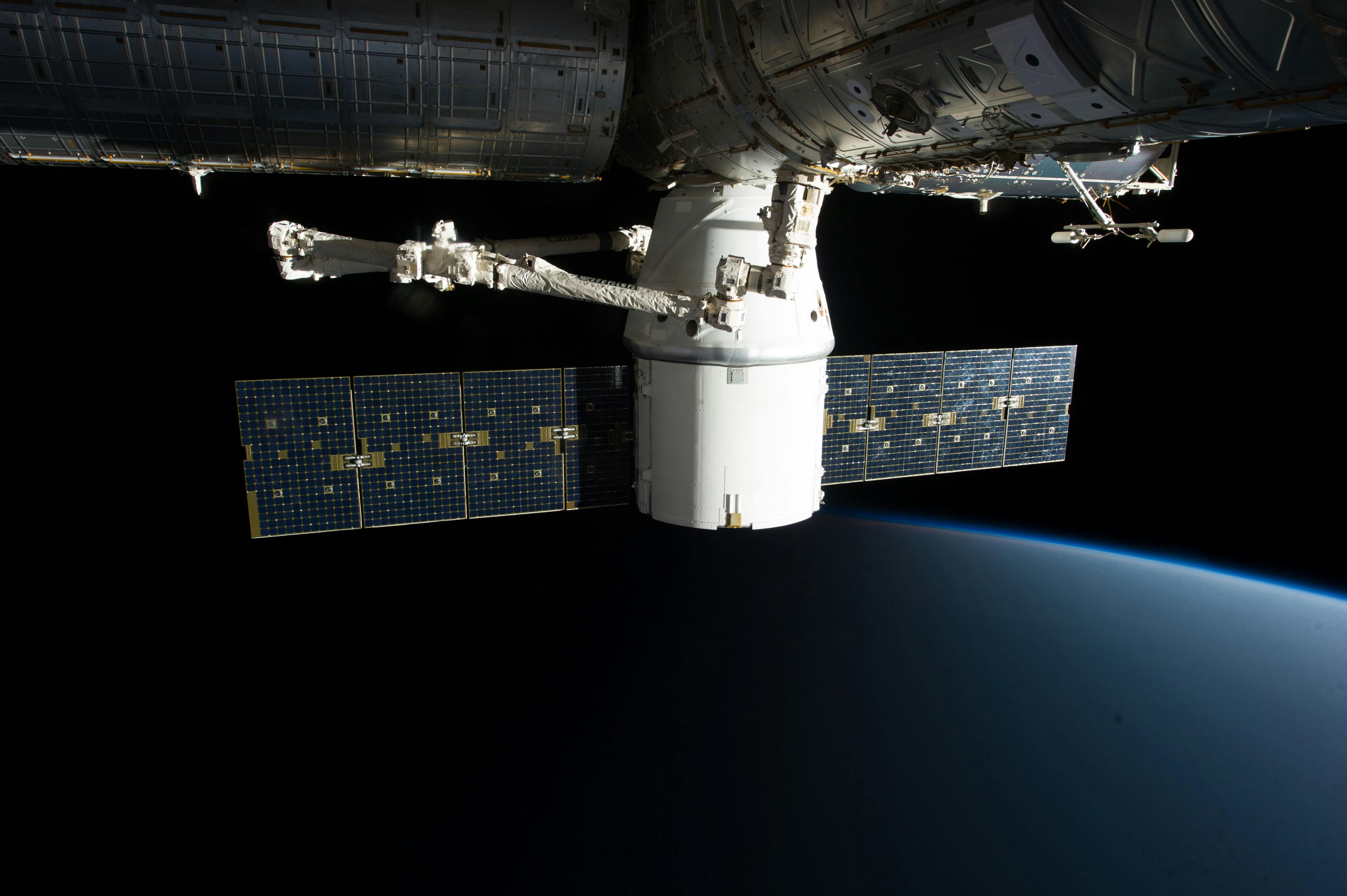
SpaceX successfully launched 26 Starlink satellites from California, preparing for upcoming crewed missions to the ISS.
Space Force shifts GPS III satellite launch from ULA's Vulcan to SpaceX Falcon 9 due to persistent solid rocket booster issues. Critical navigation asset reassignment signals operational consequences.

On April 22, 2026, the FAA published a final rule implementing per-launch user fees for commercial space transportation — the first time the U.S. government has charged payload-based fees for rocket launches. Starting at 25 cents per pound with a $30,000 cap, the fees are modest today. By 2033, they won't be.

Today marks significant milestones and setbacks for SpaceX as Starship Flight 9 completes a historic launch but ultimately suffers a loss of control. Additionally, a successful Starlink deployment continues to expand global internet coverage.
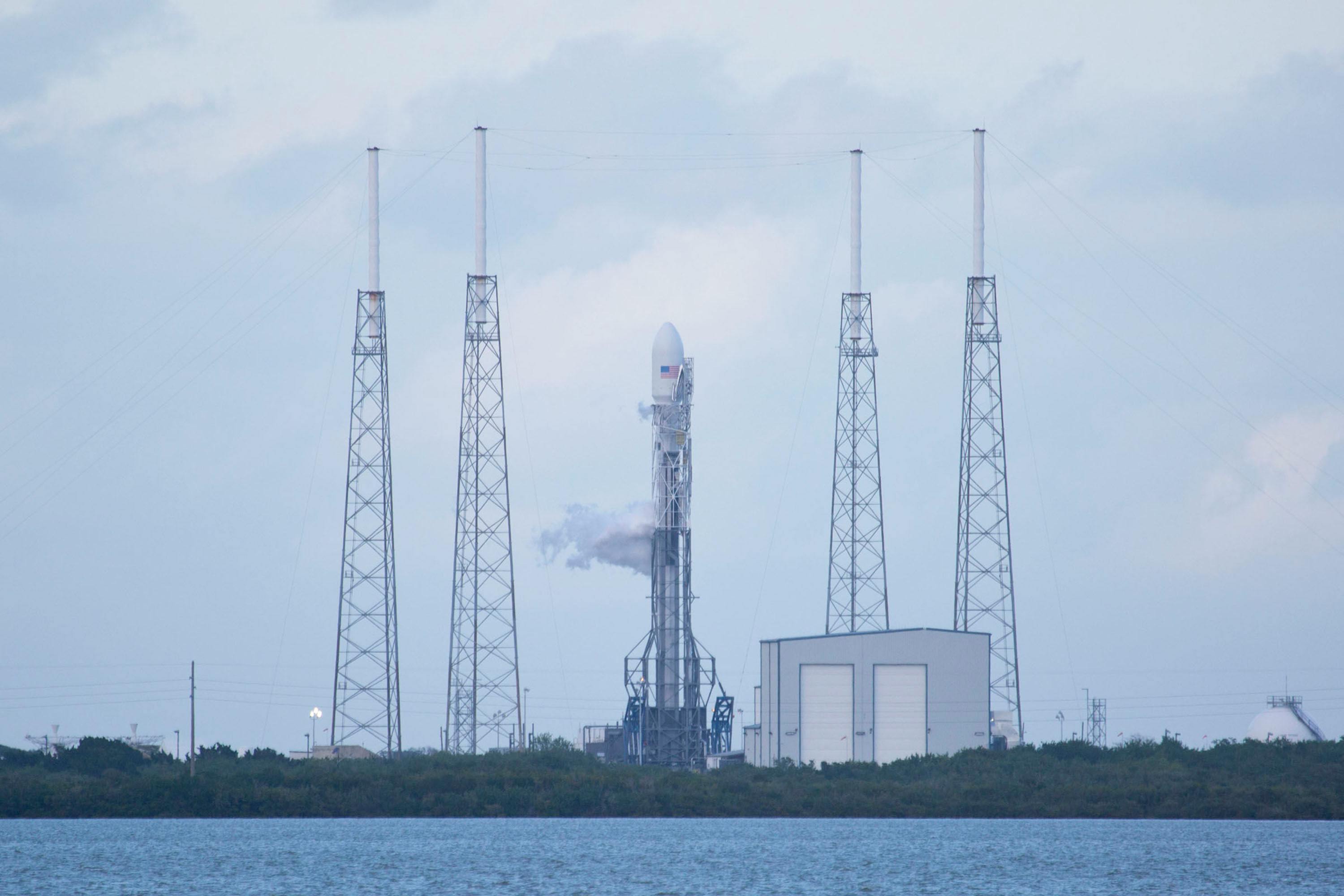
SpaceX deploys 29 Starlink satellites from Cape Canaveral on the Starlink 6-100 mission. Falcon 9 lifted off at 6:31 p.m. EST continuing SpaceX's dominant satellite internet market position.