


The Korean Optical Wide-field patroL-Network (OWL-Net)
South Korea's sophisticated network of robotic telescopes provides critical space situational awareness while strengthening the nation's position in space security amid regional tensions


Launch Date
June 27, 1974
Launch Site
PLMSC
Launch Pad
LC132/1
Launch Vehicle
Kosmos 11K65M
NORAD ID
07349
International Designator
1974-048A
Epoch
Sat, 04 Jul 2026 04:51:18 GMT
Apogee
Calculating...
Perigee
Calculating...
Inclination
82.95°
Right Ascension
162.07°
Eccentricity
Calculating...
Argument of Perigee
200.27°
Period
104.66 min
Mean Motion
13.76 rev/day
Latitude
Calculating...
Longitude
Calculating...
Altitude
Calculating...
Velocity
Calculating...
Name
COSMOS 663
Alternative Name
Kosmos-663
Type
Status
Owner
VMF
Country
USSR
Constellation
N/A
Related Satellites
Major Events
N/A
1 07349U 74048A 26185.20230186 .00000052 00000-0 38235-4 0 9992
2 07349 82.9504 162.0701 0024403 200.2682 171.5254 13.75861331610553
Source: Celestrak
Apologies, there is no summary for this satellite yet. I am working to generate these for every object in the catalog, but it is going to take time.
Length
5
Diameter
2.1
Span
17
Dry Mass
800
Launch Mass
800
Shape
Cyl + Ant
Radar Cross Section
1.9313
Visual Magnitude
Unknown
Color
Unknown
Material Composition
Unknown
Payload
Zaliv No. 29L (No. 6)
Purpose
Navigation / Communication
Mission
Navigation / Communication
Manufacturer
OAZ
Life Expectancy
Unknown
Bus
KAUR-1 11F617
Configuration
KAUR-1
Motor
Unknown
Equipment
Unknown
Power System
Solar cells, batteries
ADCS
Unknown
Transmitter Frequency
Unknown
Learn more about satellites and other related topics.
South Korea's sophisticated network of robotic telescopes provides critical space situational awareness while strengthening the nation's position in space security amid regional tensions
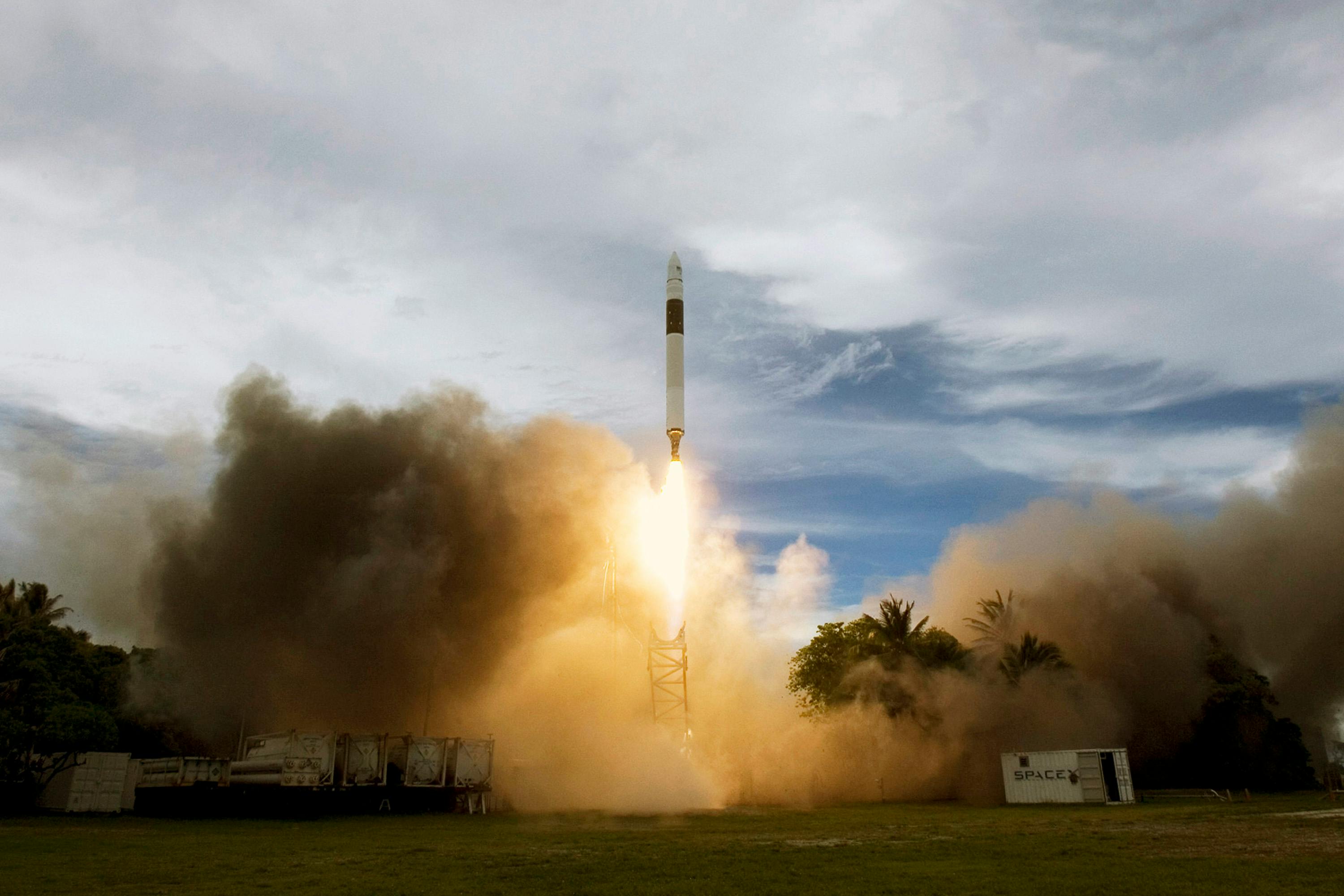
SpaceX wraps up a record-breaking year with an impressive launch count, while the Starship program looks to make significant advancements in 2025.

China expands its classified satellite series, Space Force advances cloud-based ground station marketplaces, and the Pentagon grows its satellite network partner list. Highlighting new roles for sensor technology in tracking space debris.
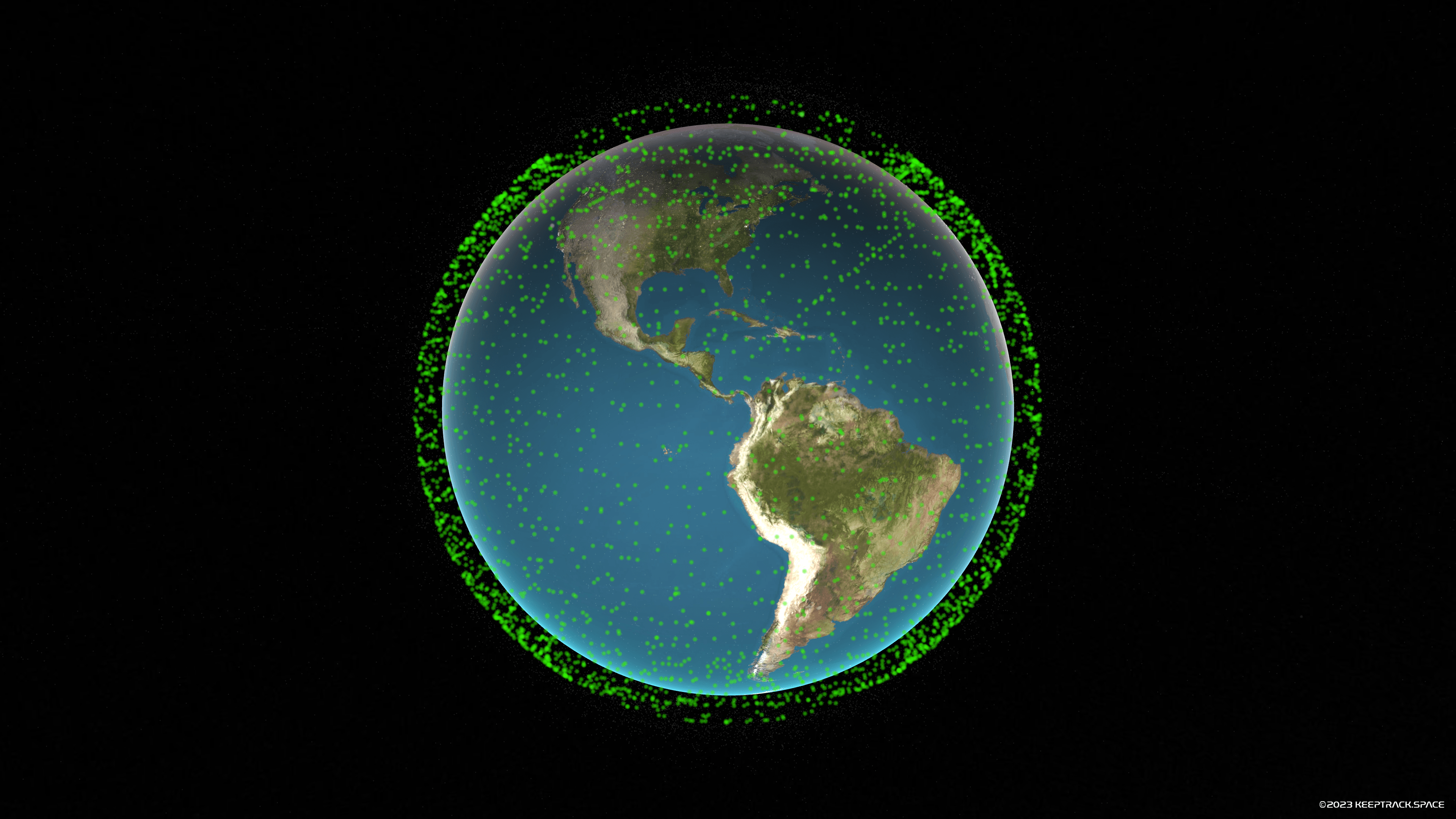
The U.S. Federal Communications Commission reaffirms its decision to deny SpaceX's Starlink unit $885.5 million in rural broadband subsidies, impacting the company's plans for expanding internet access.
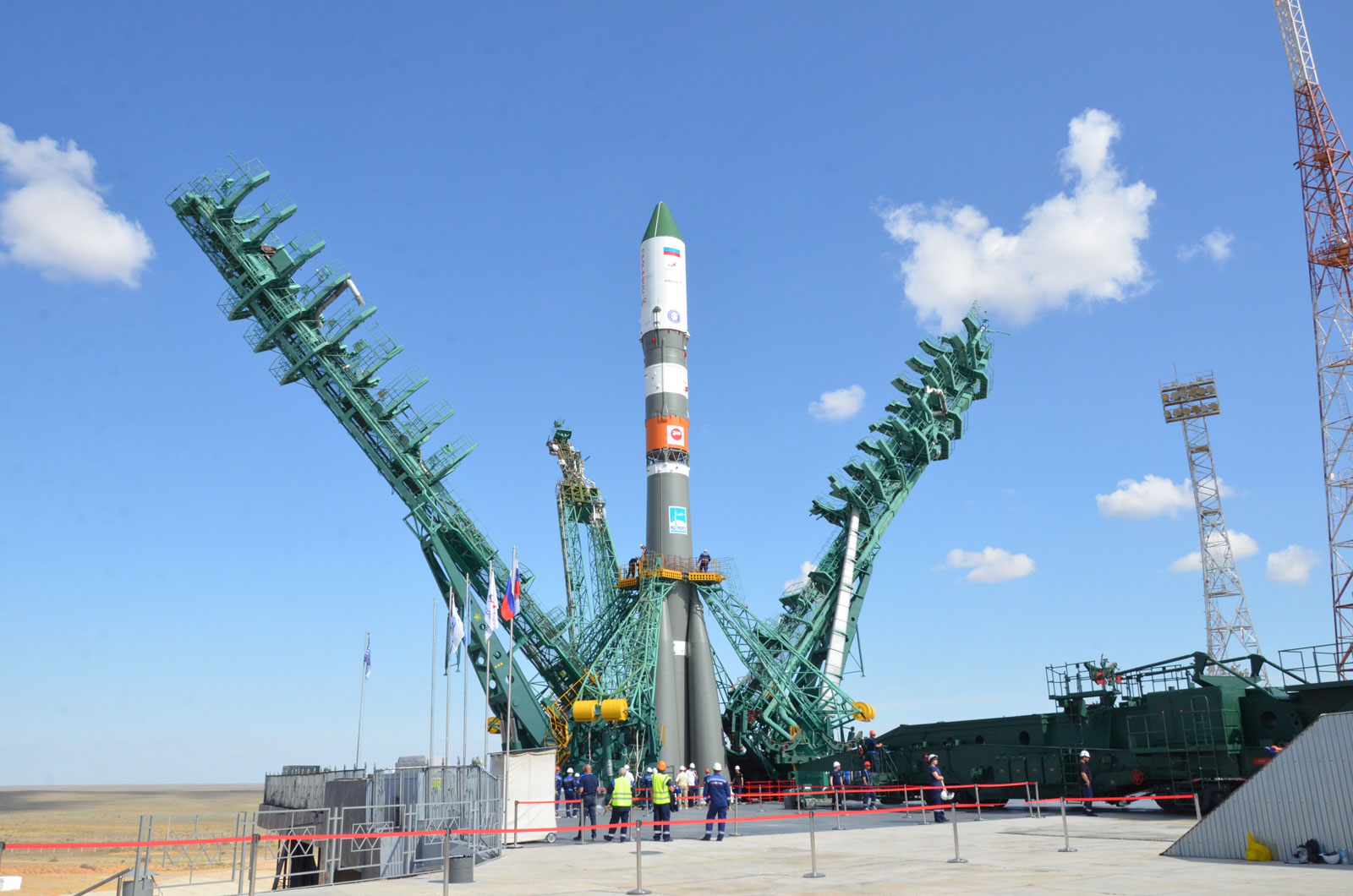
Space Force expands National Security Space Launch Phase 3 with Relativity Space and Impulse Space joining Lane 1 competition. New entrants gain pathway to military payload contracts.

SpaceX and Rocket Lab make headlines with simultaneous launches, while Musk's Starliner comments stir controversy.
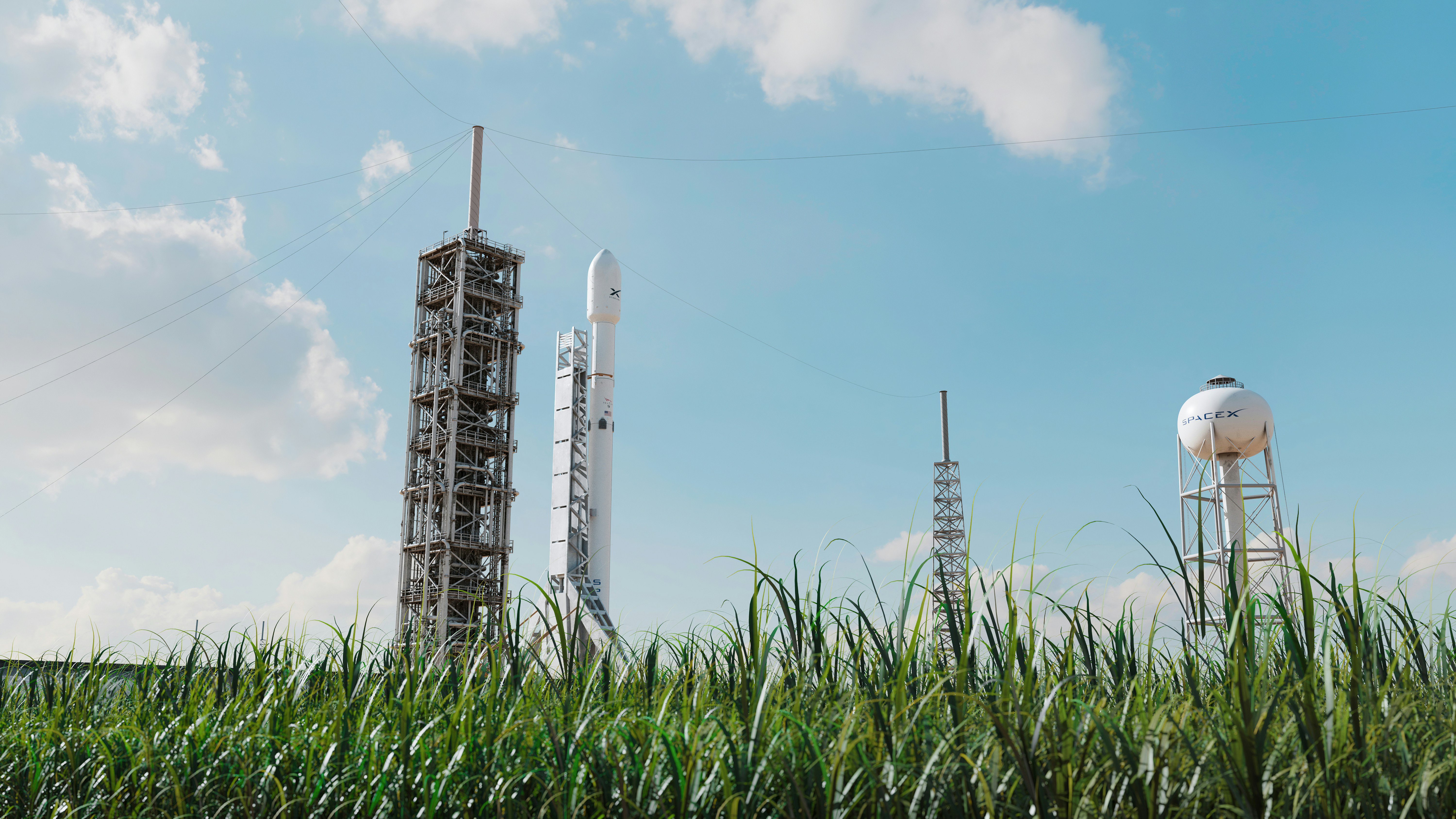
SpaceX embraces community support during Hurricane Melissa while advancing its Starbase infrastructure and launching more Starlink satellites.
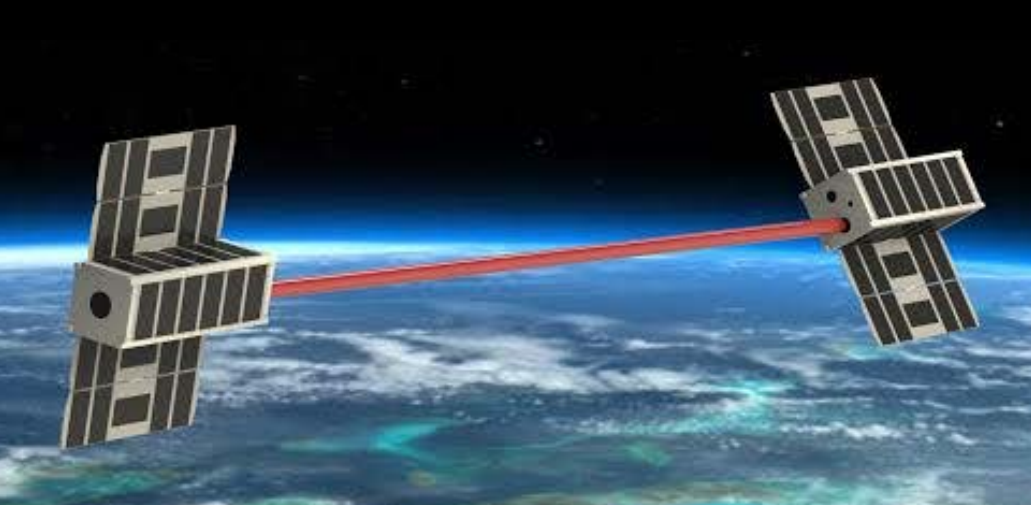
The satellite industry's biggest operators are betting on multi-orbit architectures that combine LEO, MEO, and GEO into unified networks. A San Francisco startup called Contrivian thinks they've overcomplicated the problem, and the physics might be on its side.