


X Report 27 May 2025
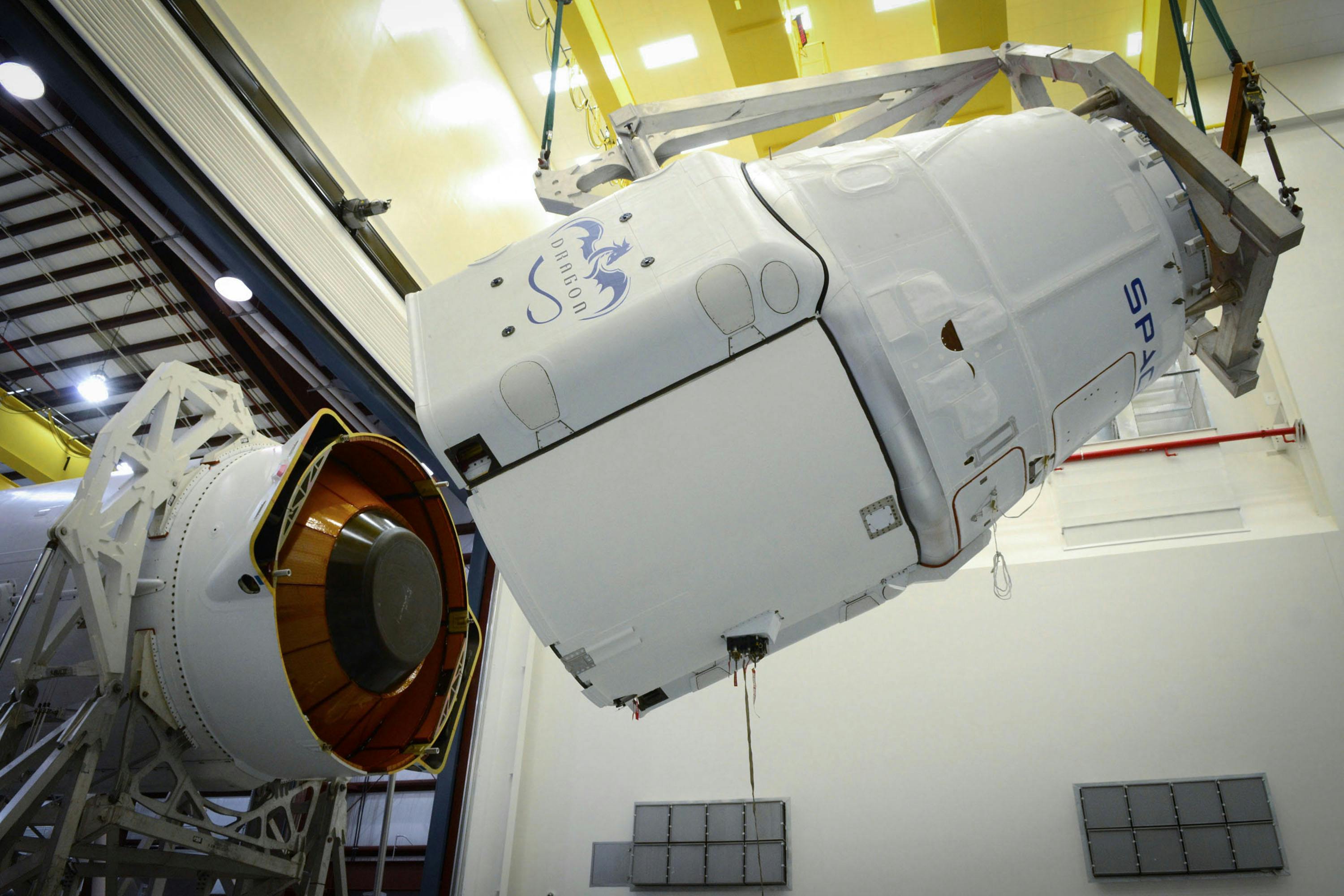
Today marks a significant day for SpaceX as the company prepares for the 9th test flight of its Starship-Super Heavy rocket, alongside a successful launch of 24 Starlink satellites to polar orbit.


Launch Date
April 26, 1974
Launch Site
PLMSC
Launch Pad
LC41/1
Launch Vehicle
Molniya 8K78M
NORAD ID
07276
International Designator
1974-026A
Epoch
Thu, 02 Jul 2026 03:19:25 GMT
Apogee
Calculating...
Perigee
Calculating...
Inclination
64.39°
Right Ascension
17.12°
Eccentricity
Calculating...
Argument of Perigee
262.73°
Period
587.53 min
Mean Motion
2.45 rev/day
Latitude
Calculating...
Longitude
Calculating...
Altitude
Calculating...
Velocity
Calculating...
Name
MOLNIYA 2-9
Alternative Name
Molniya-2
Type
Status
Owner
GUKOSR
Country
USSR
Constellation
N/A
Related Satellites
Major Events
N/A
1 7276U 74026A 26183.13849135 -.00000109 00000-0 00000+0 0 9995
2 7276 64.3937 17.1211 6701902 262.7282 22.6808 2.45094941285383
Source: Celestrak
Apologies, there is no summary for this satellite yet. I am working to generate these for every object in the catalog, but it is going to take time.
Length
4.4
Diameter
1.4
Span
8.2
Dry Mass
1620
Launch Mass
1650
Shape
Cyl + 6 Pan
Radar Cross Section
14.5537
Visual Magnitude
Unknown
Color
Unknown
Material Composition
Unknown
Payload
Molniya-2 No. 19L
Purpose
Communication
Mission
Communication
Manufacturer
OKB10
Life Expectancy
1 year
Bus
Molniya-2
Configuration
KAUR-2
Motor
KDU-414 (S5.19) or KDU-414A (S5.114)
Equipment
Unknown
Power System
6 deployable solar arrays (940 W), batteries
ADCS
Unknown
Transmitter Frequency
Unknown
Learn more about satellites and other related topics.
Today marks a significant day for SpaceX as the company prepares for the 9th test flight of its Starship-Super Heavy rocket, alongside a successful launch of 24 Starlink satellites to polar orbit.
Today's brief covers a reveal from the US Space Force of the X-37B space plane in orbit, a developing defense shakeup involving key military leaders, confirmation of advanced federated ICAM connections by the DoD, and SAAB's plan for a Euro defense coalition. Plus, we spotlight the BDSAT-2 CubeSat.

SpaceX achieves new milestones with back-to-back launches for the NRO while preparing for groundbreaking crewed polar mission FRAM2.

SpaceX's Starlink 17-40 mission launches 24 satellites from Vandenberg SFB at 7:36 a.m. PDT, expanding the 10,705-satellite constellation.

As humanity increasingly relies on satellites, the escalating space junk problem poses a dire threat to our space-based infrastructure. With debris counts reaching alarming levels, urgent action is needed to prevent a cascade of collisions that could make key orbits unusable.
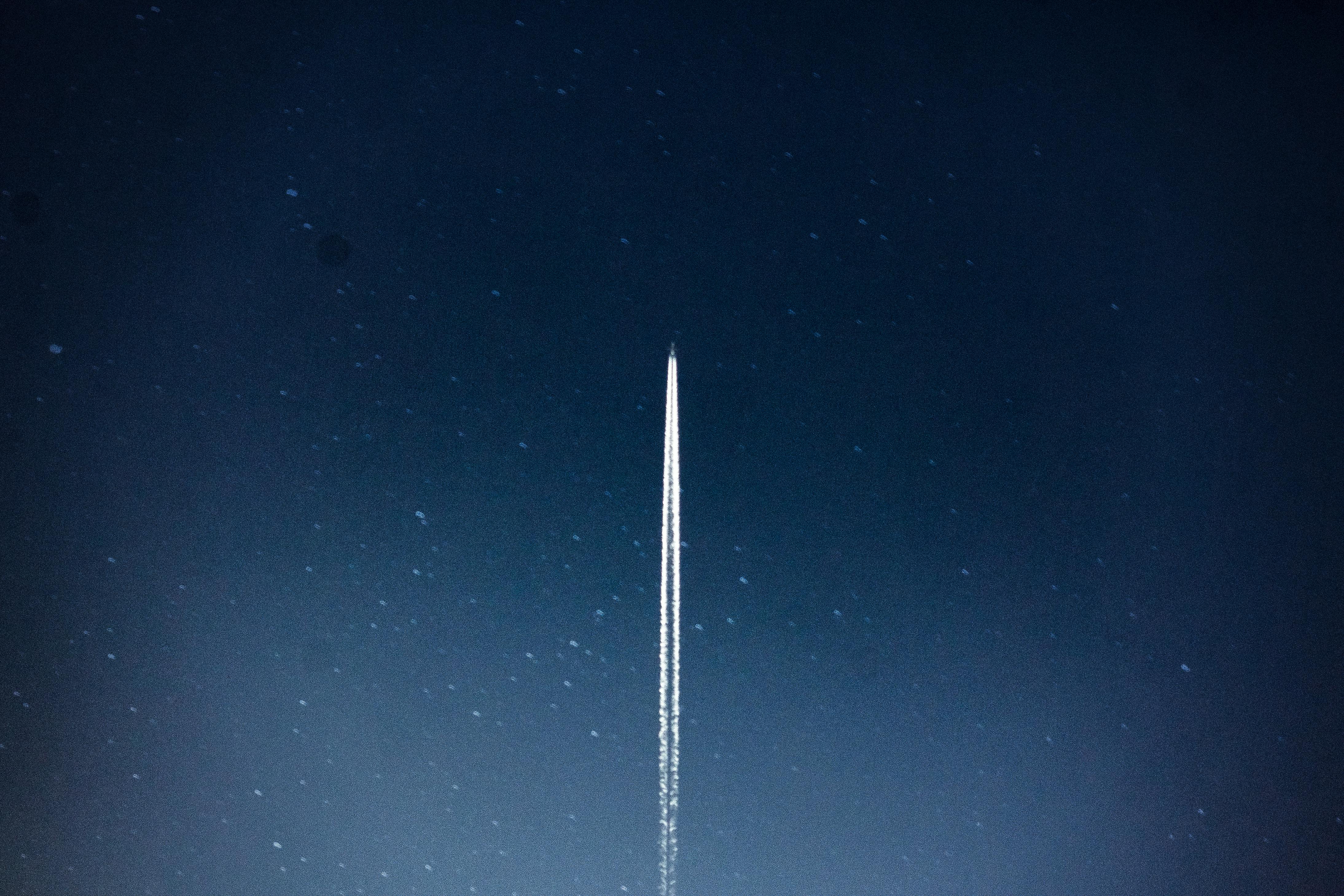
Starlink reaches 9 million active users, while SpaceX prepares for upcoming missions with Flight 12 vehicles readying for 2026.
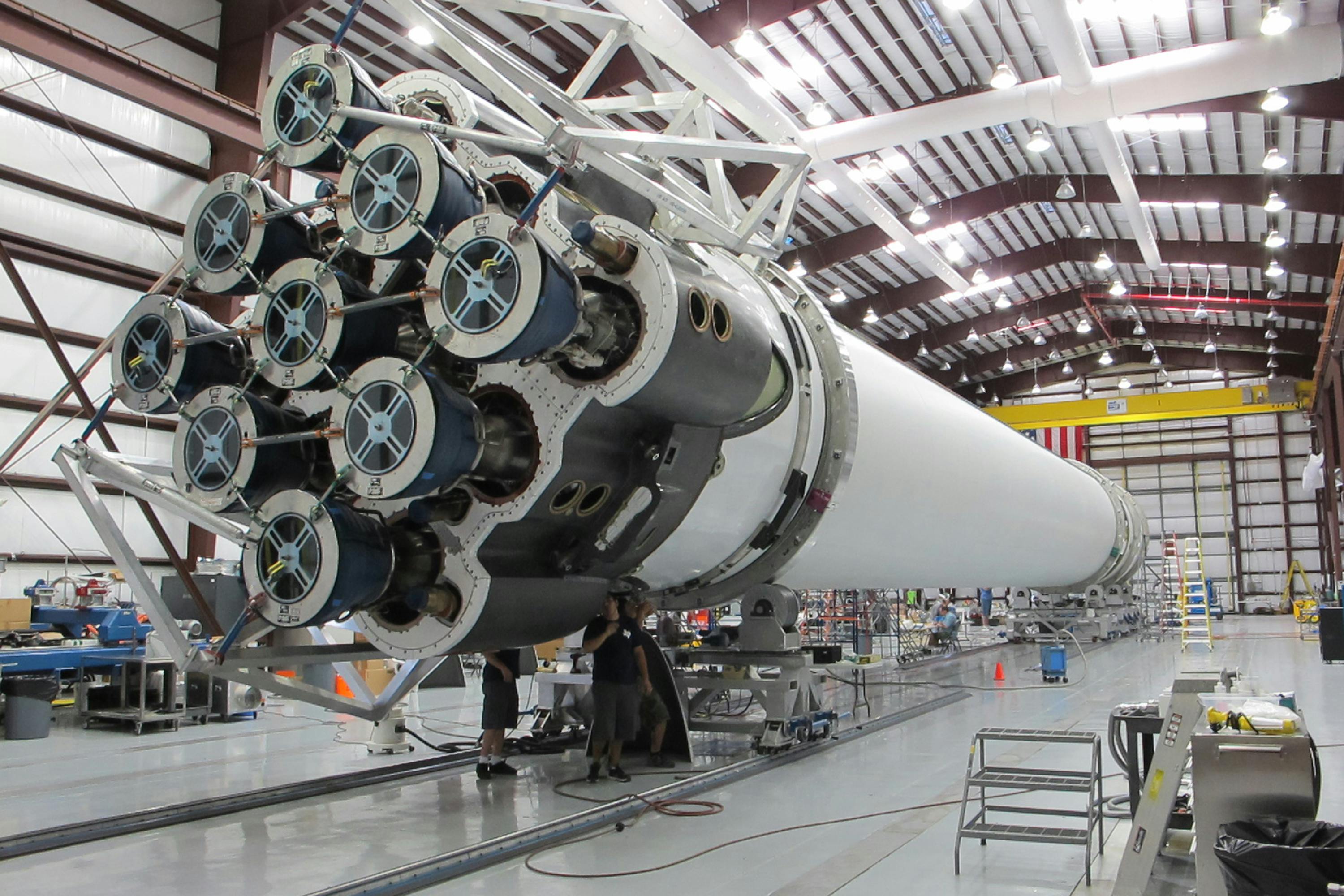
SpaceX launched 25 Starlink satellites from Vandenberg SFB on March 8, growing a constellation now totaling 9,924 active orbital nodes.
Today's brief highlights significant shifts in military space spending due to the Golden Dome program, the U.S. Space Force's advancements in tactical satellite communications, and NASA's race to nuclear power in space.