


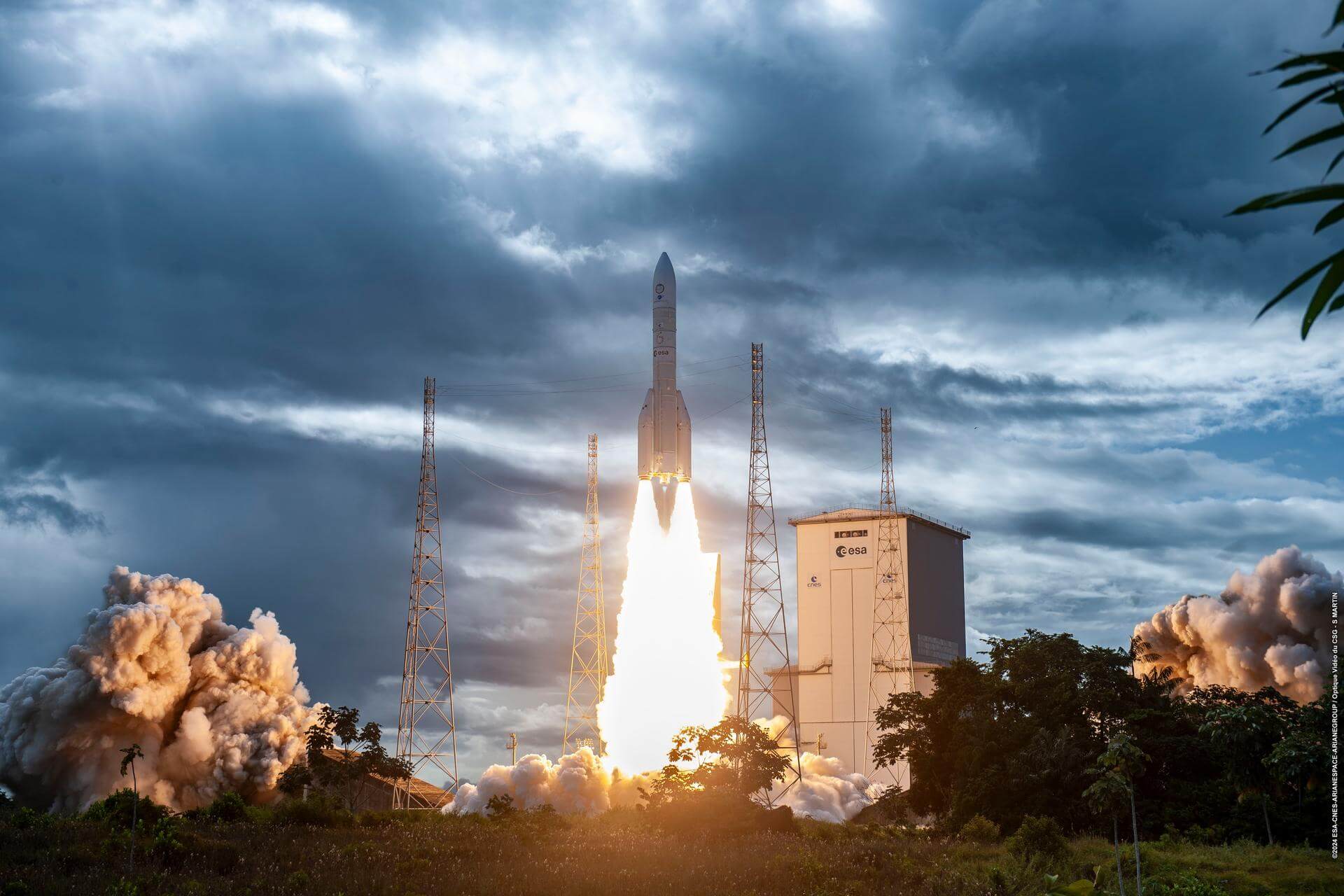
Space Brief 27 Oct 2025
Today's space highlights include the US Space Force's advanced tracking contract, a milestone in SpaceX's Starlink program, and a new initiative to remove space debris.


Launch Date
April 24, 1974
Launch Site
PLMSC
Launch Pad
LC43/4
Launch Vehicle
Vostok 8A92M
NORAD ID
07275
International Designator
1974-025B
Epoch
Sat, 04 Jul 2026 04:30:51 GMT
Apogee
Calculating...
Perigee
Calculating...
Inclination
81.24°
Right Ascension
356.38°
Eccentricity
Calculating...
Argument of Perigee
298.51°
Period
102.34 min
Mean Motion
14.07 rev/day
Latitude
Calculating...
Longitude
Calculating...
Altitude
Calculating...
Velocity
Calculating...
Name
SL-3 R/B
Alternative Name
Vostok-2M (N33) Stage 3
Type
Status
Owner
RVSN
Country
USSR
Constellation
N/A
Related Satellites
Major Events
N/A
1 07275U 74025B 26185.18809101 -.00000050 00000-0 -36278-4 0 9996
2 07275 81.2443 356.3807 0054218 298.5141 61.0575 14.07098811677583
Source: Celestrak
Length
3.8
Diameter
2.6
Span
3.8
Dry Mass
1440
Launch Mass
1440
Shape
Cyl
Radar Cross Section
6.367
Visual Magnitude
Unknown
Color
Unknown
Material Composition
Unknown
Payload
8A92ME
Purpose
Unknown
Mission
Unknown
Manufacturer
PROG
Life Expectancy
Unknown
Bus
Blok-E
Configuration
Unknown
Motor
Unknown
Equipment
Unknown
Power System
Unknown
ADCS
Unknown
Transmitter Frequency
Unknown
Learn more about satellites and other related topics.
Today's space highlights include the US Space Force's advanced tracking contract, a milestone in SpaceX's Starlink program, and a new initiative to remove space debris.
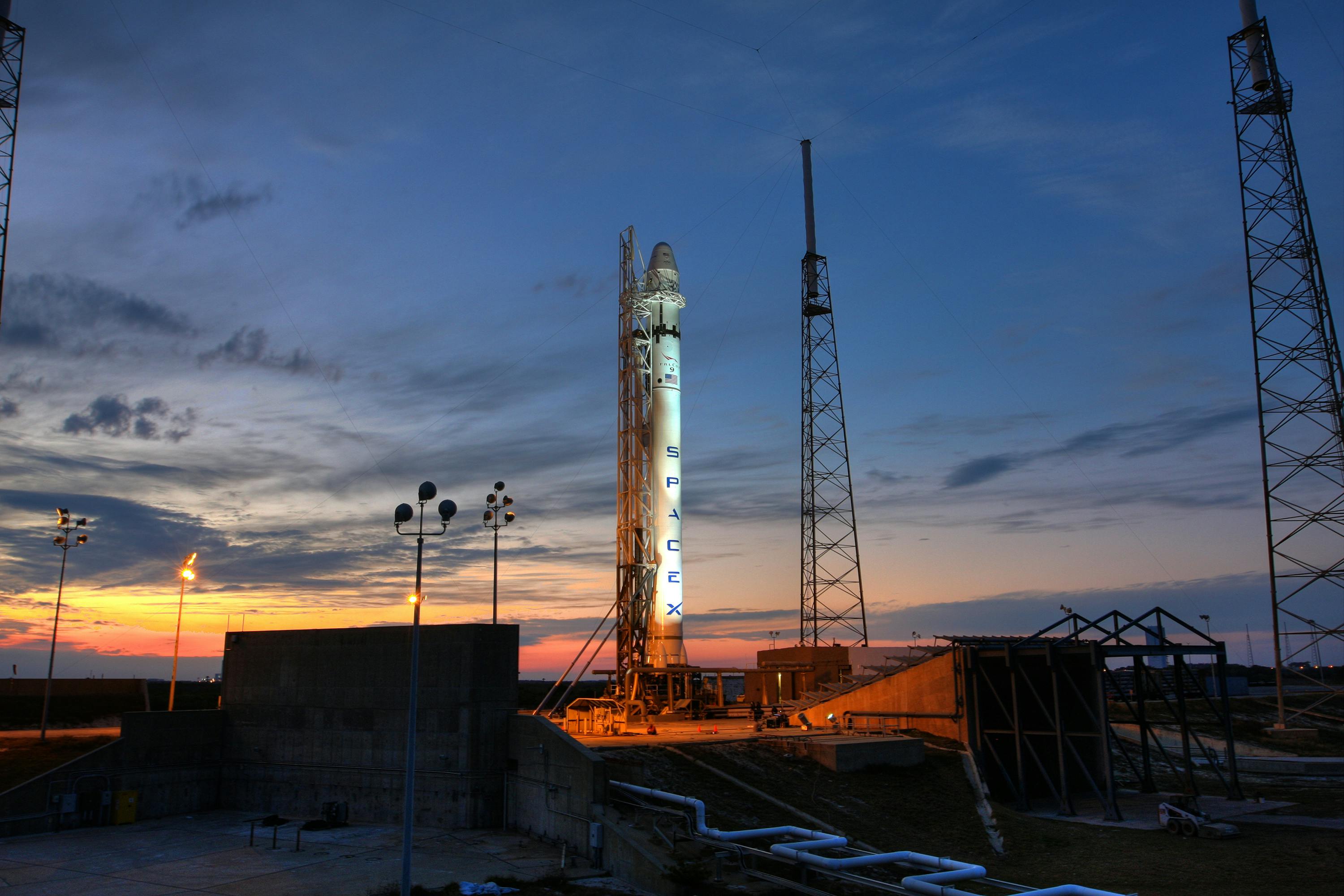
SpaceX successfully launched 28 Starlink satellites, marking a significant milestone with its 500th orbital mission. Both launches underscore the company's commitment to expanding its satellite internet constellation and solidifying its position in the space industry.

Today's brief highlights a significant geospatial data collaboration between Maxar and Saab, defense budget discussions affecting satellite deployments, and the naming of new military command chiefs.

We forecast how many satellites could be in orbit by 2030 and what capabilities we can expect.
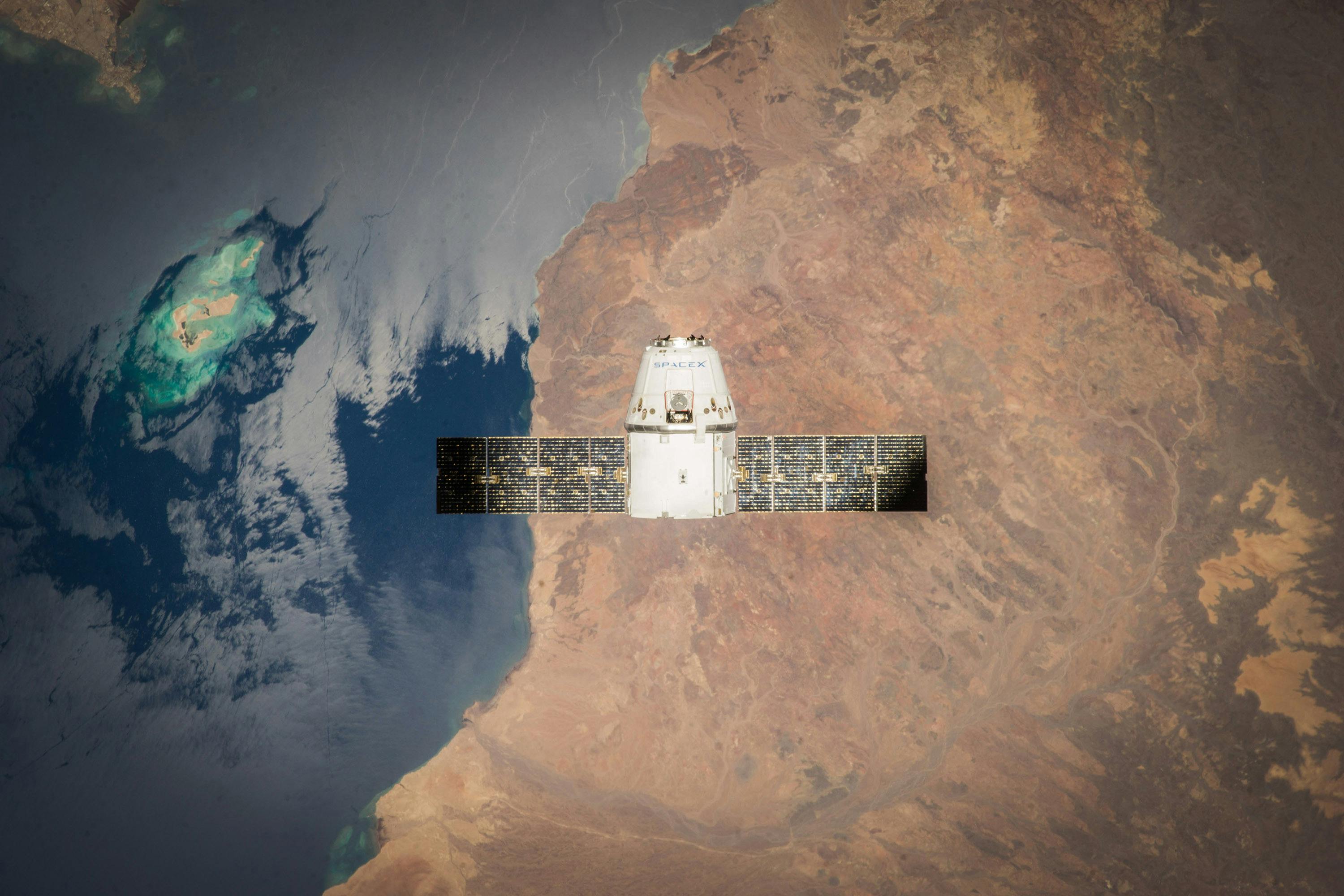
SpaceX sees another successful Starlink launch and faces strategic contract discussions as NASA pivots to reliable Dragon missions.
Polaris Dawn's upcoming commercial spacewalk, successful lunar orbit by Chinese spacecraft, and more space news including SpaceX's Starlink mission, RFA's static-fire failure, and advances in satellite technology.

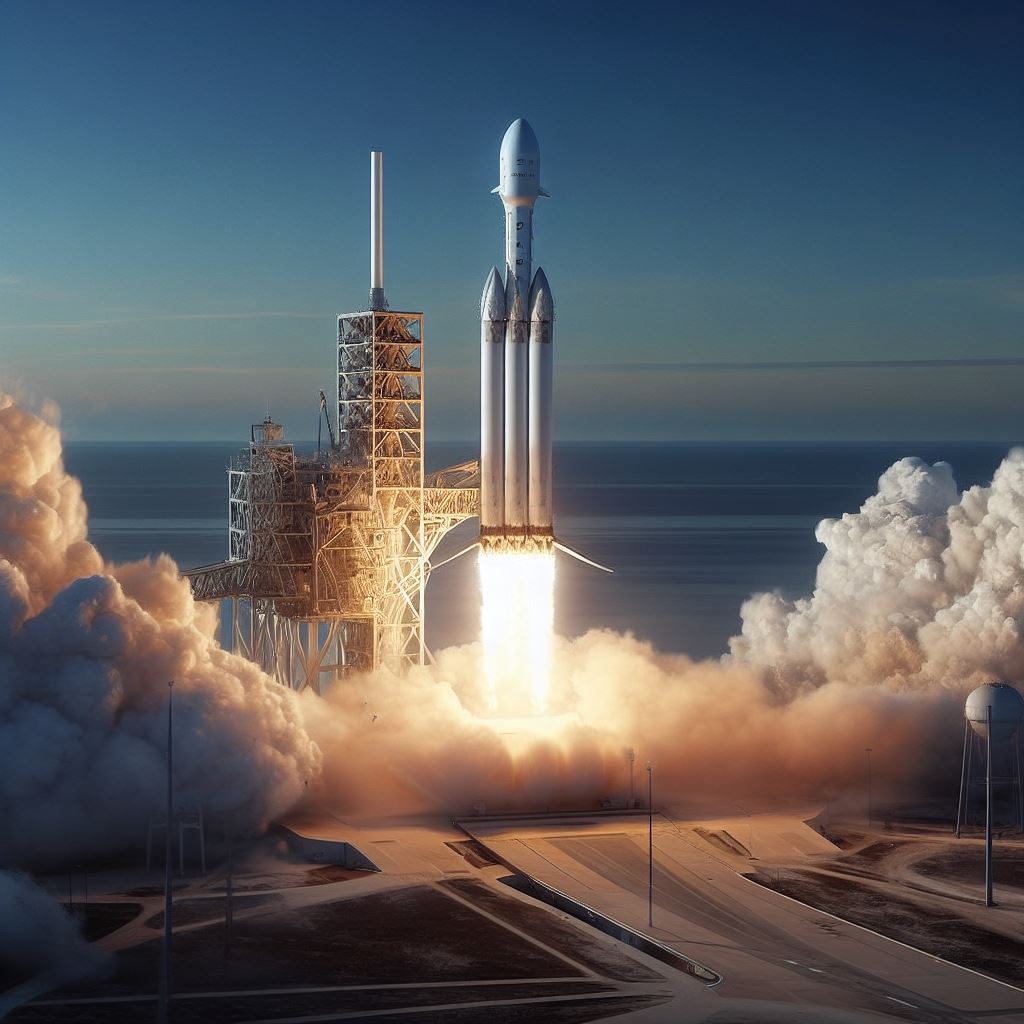
Falcon Heavy flew for the first time in eighteen months on April 29, 2026, expending its center core to push Viasat's final ViaSat-3 satellite toward geostationary orbit. The mission is a flagship rocket doing what only it can still do, for an operator betting six tons of high-throughput hardware on a market Starlink is rapidly redefining.
Artemis 2 astronauts completed first crewed lunar flyby since Apollo 17, traveling 690,000 miles aboard Orion. Four crew validated deep-space systems.