

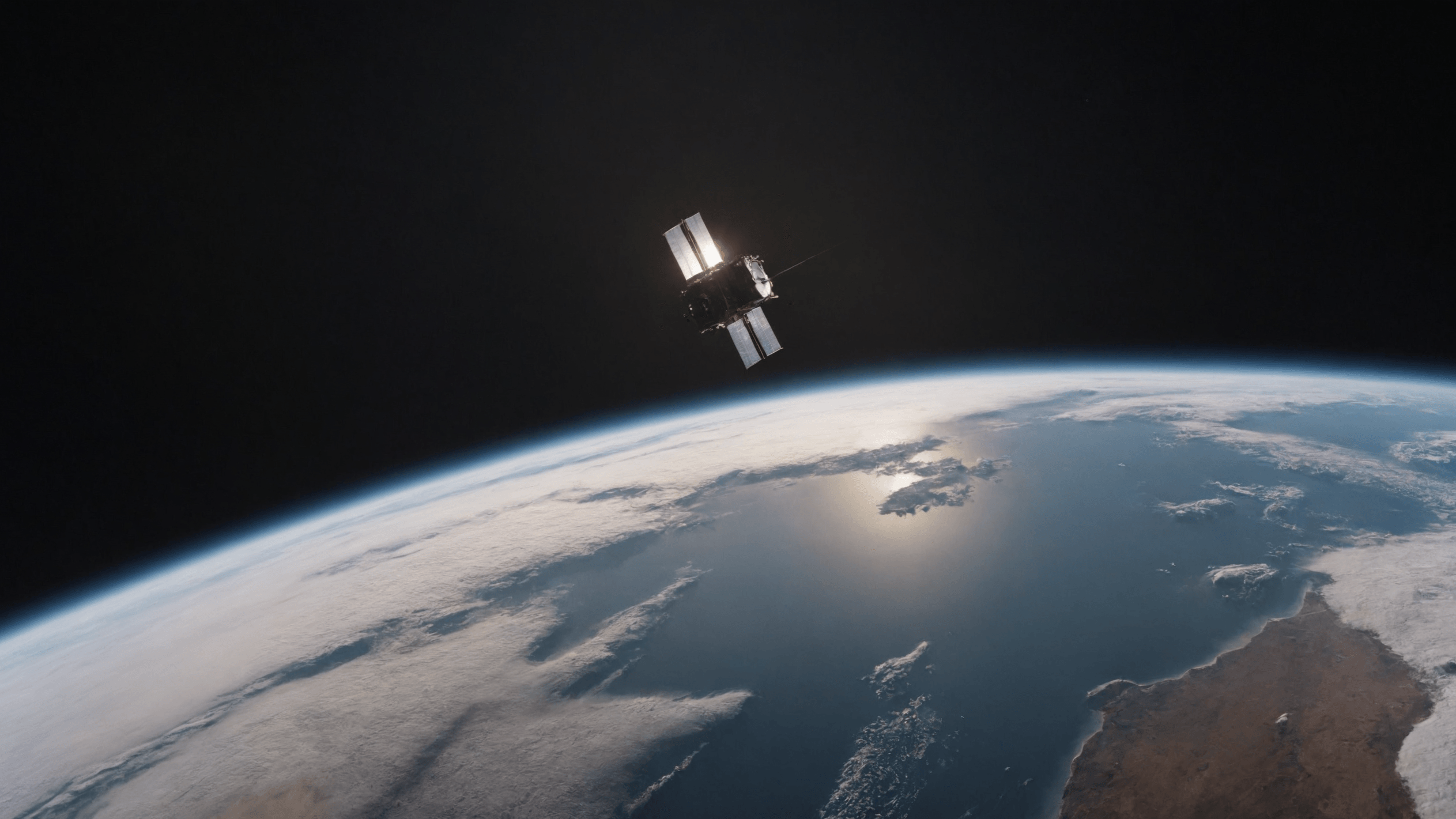
Space Brief 28 Aug 2024
A Falcon 9 booster fails to land, increasing GPS and PNT significance for national security, and NASA's SLS mobile launch platform costs soar.



Launch Date
February 6, 1974
Launch Site
PLMSC
Launch Pad
LC132/2
Launch Vehicle
Kosmos 11K65M
NORAD ID
07257
International Designator
1974-005E
Decay Date
1/11/1978
Name
COSMOS 631 DEB
Alternative Name
Tselina-O part
Type
Status
Owner
GRU
Country
USSR
Constellation
N/A
Related Satellites
Major Events
N/A
Length
0
Diameter
0
Span
0
Dry Mass
0
Launch Mass
0
Shape
N/A
Radar Cross Section
0.0051
Visual Magnitude
Unknown
Color
Unknown
Material Composition
Unknown
Payload
[UNID067] RCS 0.0
Purpose
Unknown
Mission
Unknown
Manufacturer
Unknown
Life Expectancy
Unknown
Bus
Unknown
Configuration
Unknown
Motor
Unknown
Equipment
Unknown
Power System
Unknown
ADCS
Unknown
Transmitter Frequency
Unknown
Learn more about satellites and other related topics.
A Falcon 9 booster fails to land, increasing GPS and PNT significance for national security, and NASA's SLS mobile launch platform costs soar.
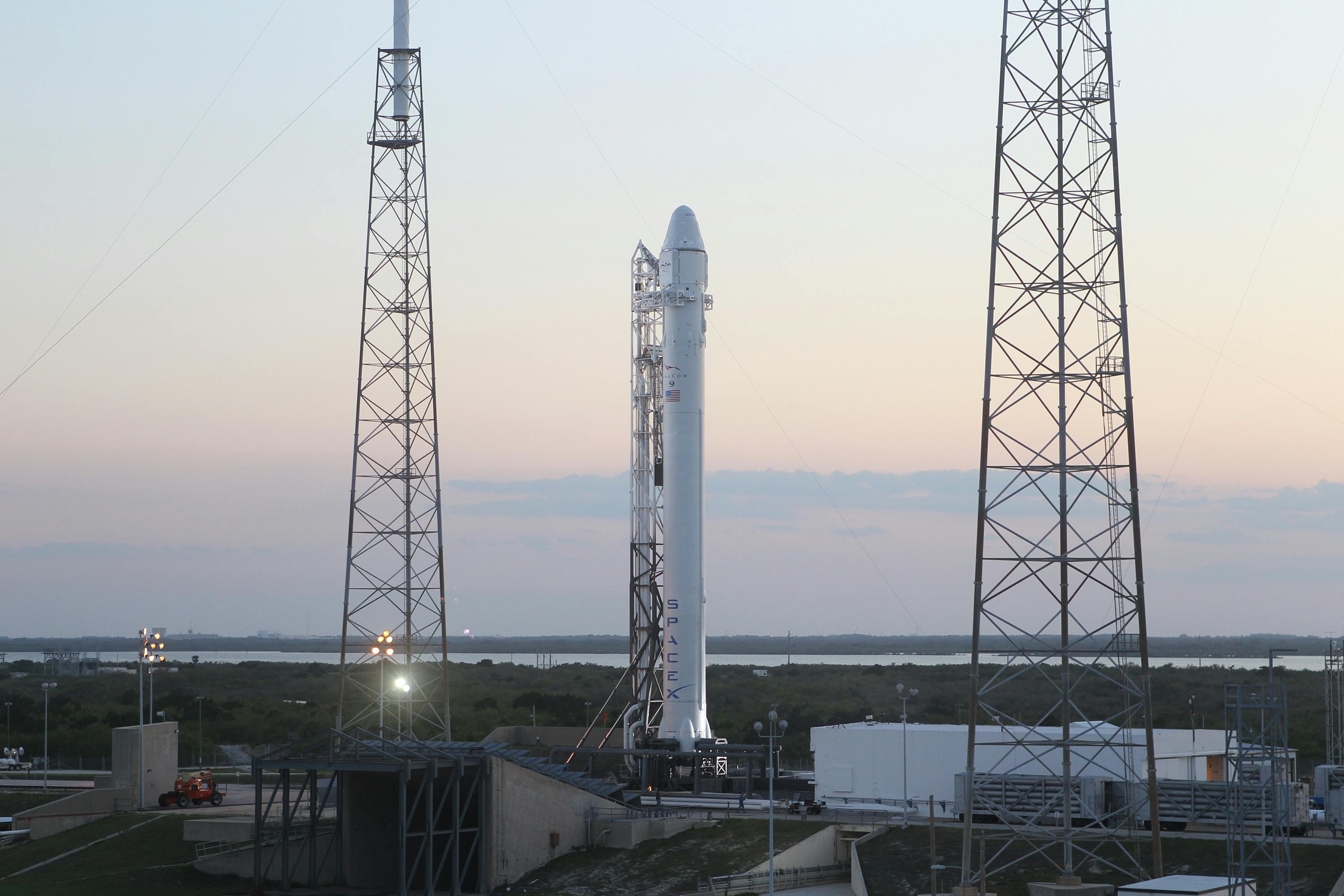
SpaceX successfully launched the Dror 1 satellite for Israel Aerospace Industries, marking another step forward in their launch capabilities.

Blue Origin's New Glenn rocket exploded during ground testing May 28, visible from hundreds of miles across Florida. Fireball halts vehicle pending failure investigation.
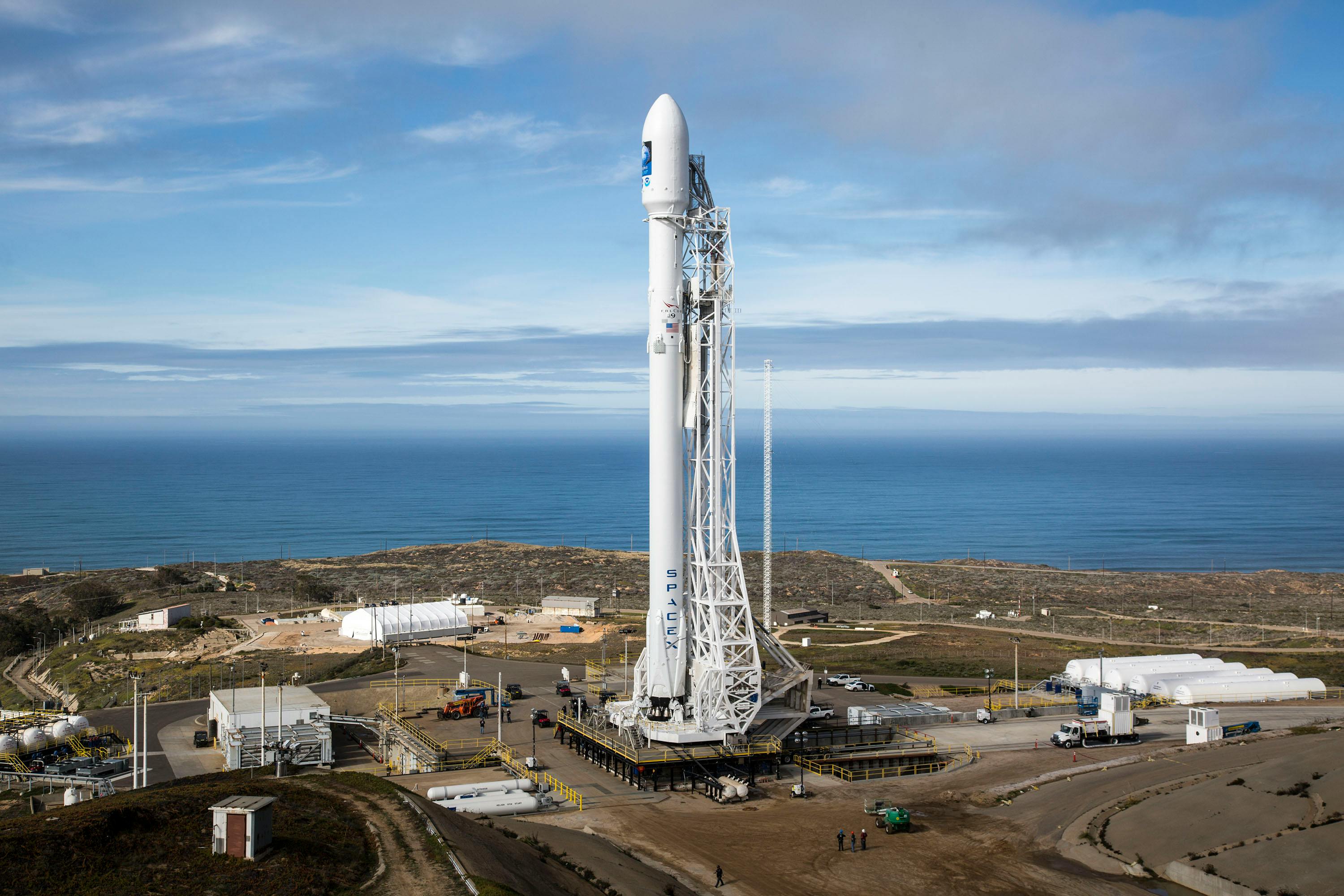
SpaceX successfully launched 28 Starlink satellites aboard a Falcon 9 rocket, marking significant advancements in their deployment and operational capabilities.

Today's highlights include strategic shifts in the defense sector, innovations in solar technology for space, and developments in satellite-related military projects.
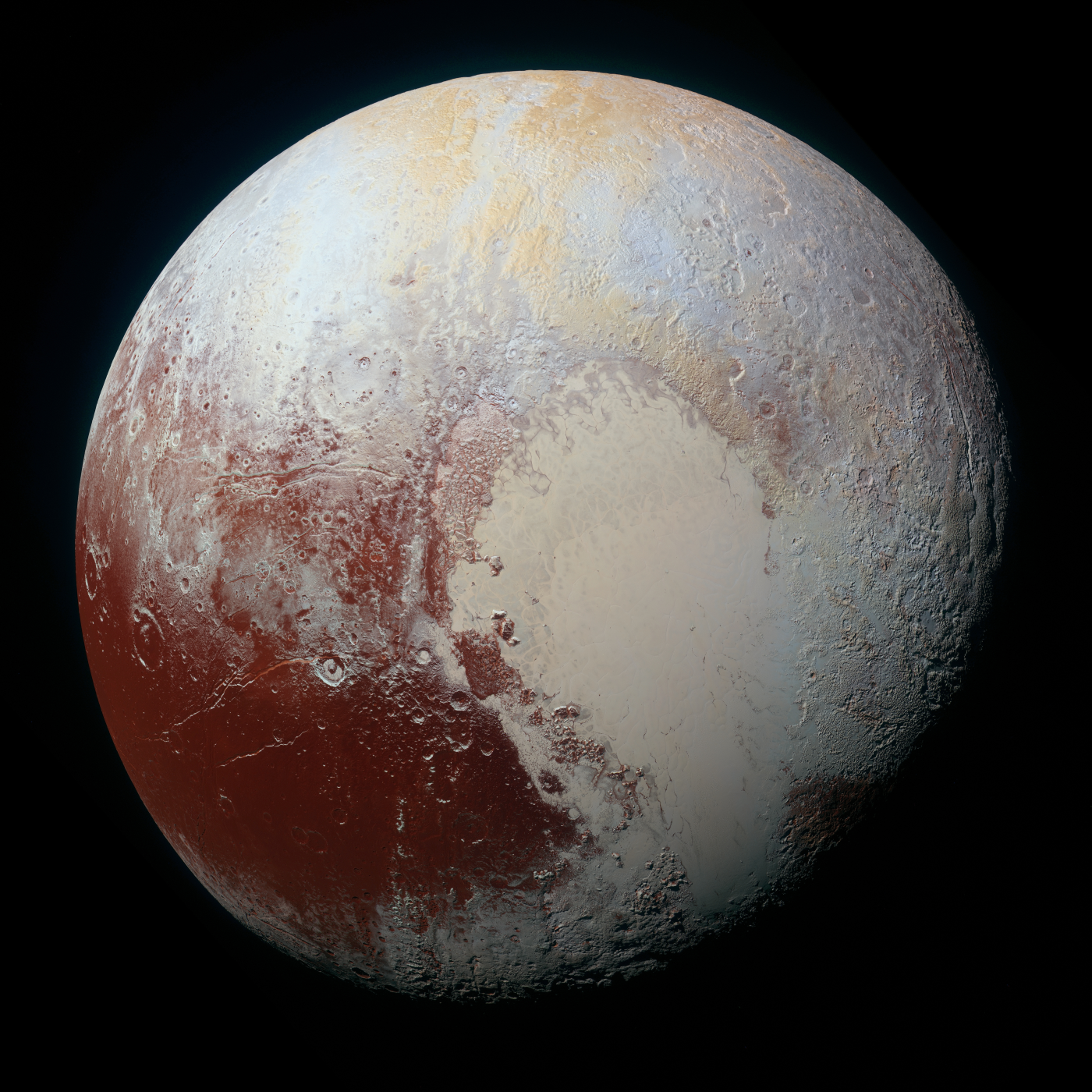
Ninety-five years ago, a 24-year-old astronomer with no college degree made one of astronomy's most remarkable discoveries, finding a new planet that would challenge our understanding of the solar system

Army launches space career field seeking 1,000 new specialists. HASC chair Rogers eyes $1.5T defense budget. Army and Marines share fire mission data via JADC2.
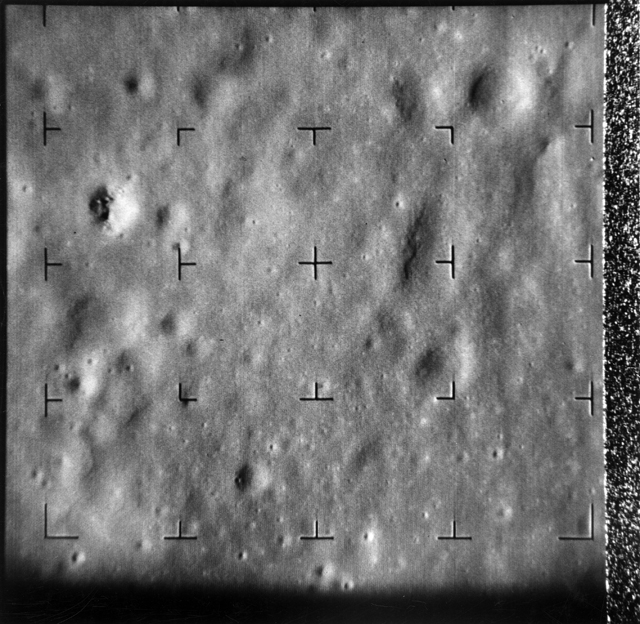
Sixty years ago, a pioneering spacecraft called Ranger 8 captured thousands of detailed photographs of the lunar surface before intentionally crashing into the Moon, helping pave the way for humanity's first steps on another world