


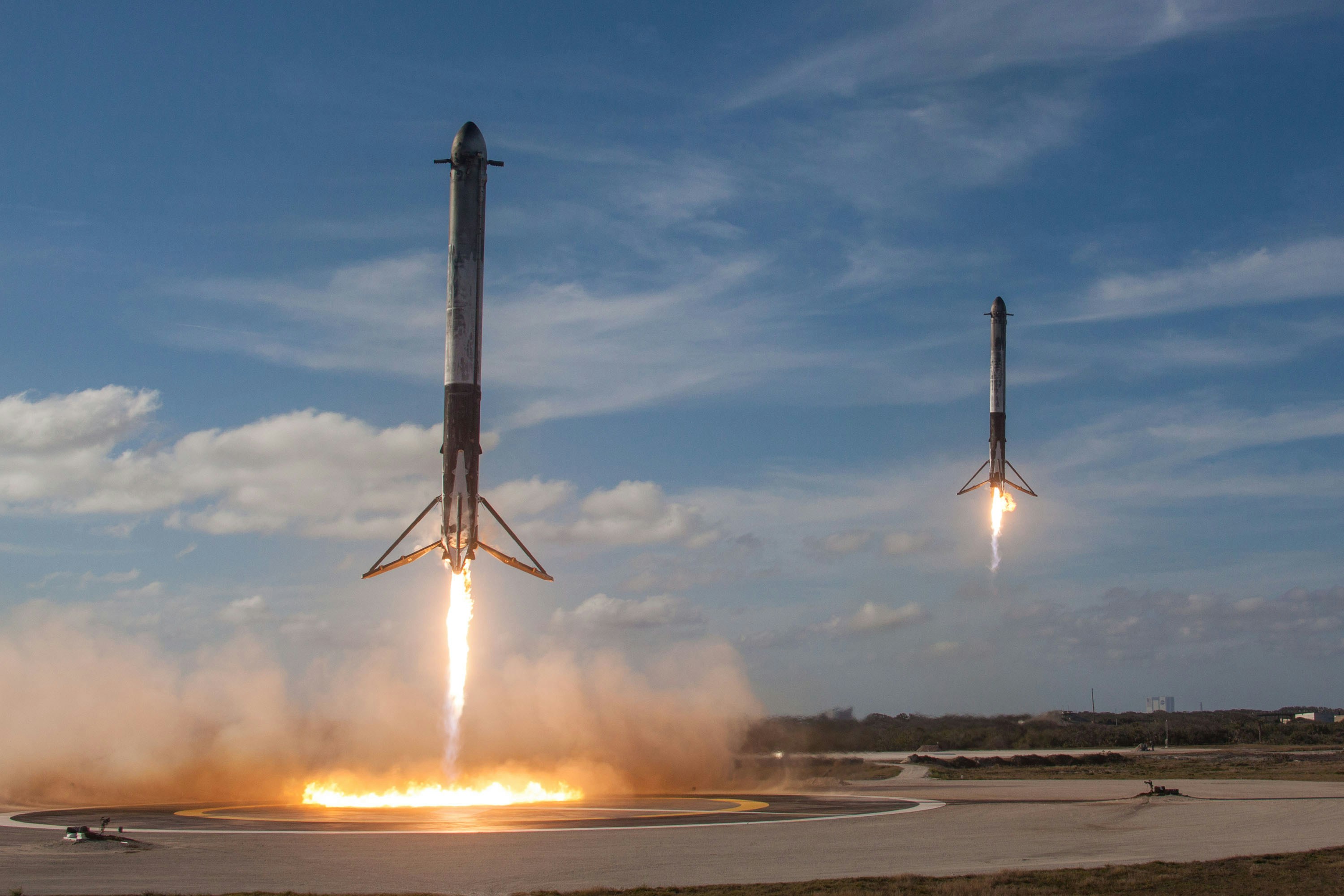
X Report 30 Jun 2025
SpaceX is exploring alternative options for static fire tests amid infrastructure setbacks, emphasizing their adaptability in operations.


Launch Date
April 13, 1974
Launch Site
Launch Pad
LC17B
Launch Vehicle
Delta 2914
NORAD ID
07250
International Designator
1974-022A
Epoch
Sat, 04 Jul 2026 03:26:54 GMT
Apogee
Calculating...
Perigee
Calculating...
Inclination
7.07°
Right Ascension
297.87°
Eccentricity
Calculating...
Argument of Perigee
53.20°
Period
1441.38 min
Mean Motion
1.00 rev/day
Latitude
Calculating...
Longitude
Calculating...
Altitude
Calculating...
Velocity
Calculating...
Name
WESTAR 1
Alternative Name
Westar 1
Type
Status
Owner
WUTC
Country
United States
Constellation
N/A
Related Satellites
Major Events
N/A
1 07250U 74022A 26185.14368369 -.00000258 00000-0 00000-0 0 9997
2 07250 7.0687 297.8697 0004244 53.1981 306.0839 0.99904273122493
Source: Celestrak
Apologies, there is no summary for this satellite yet. I am working to generate these for every object in the catalog, but it is going to take time.
Length
1.6
Diameter
1.9
Span
3.5
Dry Mass
220
Launch Mass
284
Shape
Cyl + Dish
Radar Cross Section
3.1622
Visual Magnitude
Unknown
Color
Unknown
Material Composition
Unknown
Payload
Westar 1
Purpose
Communication
Mission
Communication
Manufacturer
HSES
Life Expectancy
7 years
Bus
HS-333
Configuration
HS-333AS
Motor
FW5
Equipment
12 C-band transponders
Power System
Solar cells (body mounted), batteries
ADCS
Unknown
Transmitter Frequency
Unknown
Learn more about satellites and other related topics.
SpaceX is exploring alternative options for static fire tests amid infrastructure setbacks, emphasizing their adaptability in operations.
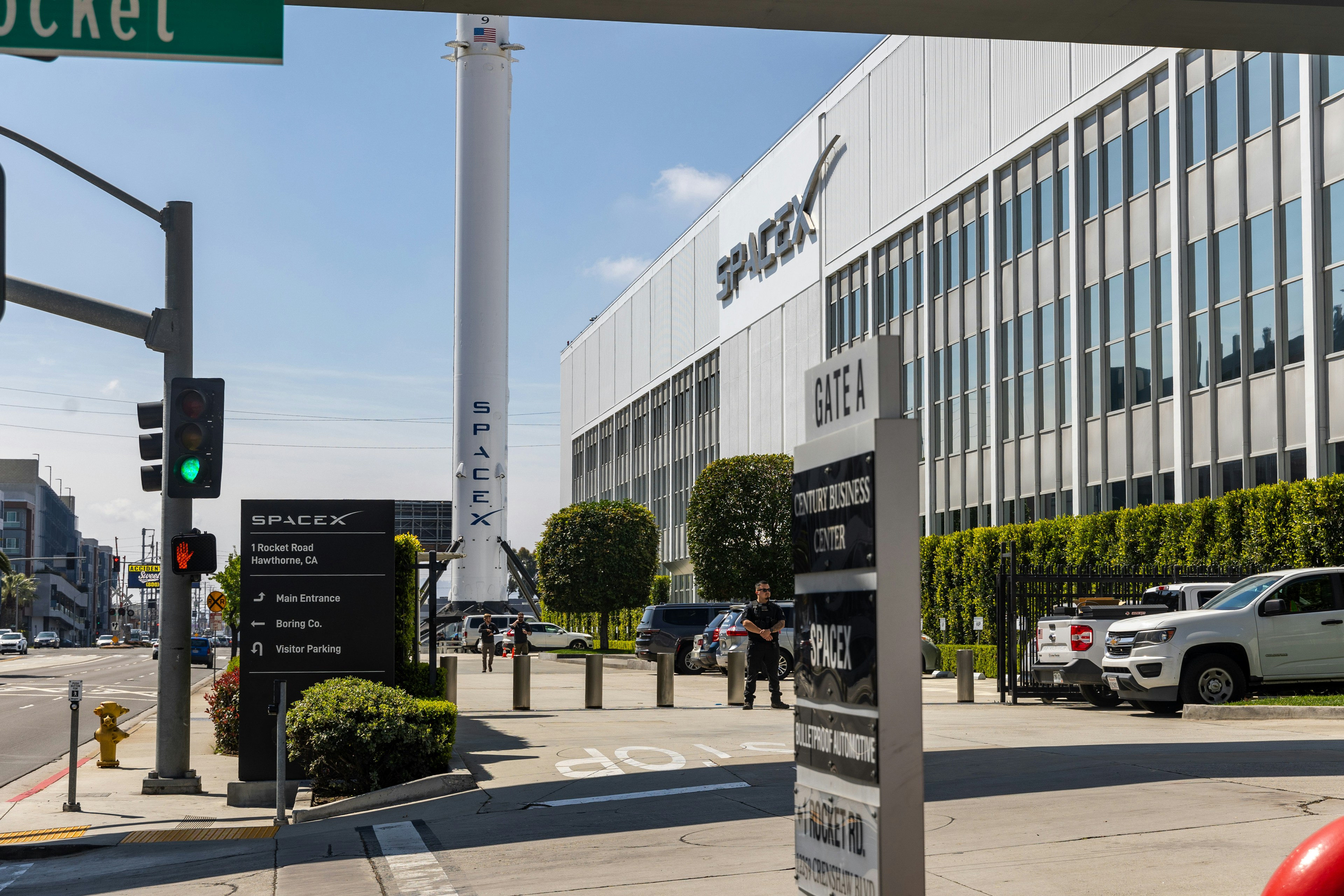
SpaceX continues to make strides with its Starship program while successfully launching another batch of Starlink satellites into orbit, enhancing global internet coverage.

Today's brief covers Blue Origin’s new defense launch contracts, the ISS launch of a Navy SEAL astronaut, Sierra Space’s GPS security advancements for the U.S. Space Force, and the Space Force's 'Orbital Watch' initiative.
Today's Space Brief covers the latest developments in space debris detection, Ursa Major's defense push, and SpaceX's Starlink launch. Additionally, insights into microreactors for military bases, US Cyber Command updates, and gravitational wave discoveries are highlighted.

SpaceX gears up for significant 2026 launches while a Starlink satellite anomaly provides insights into its operations.

Today's brief covers China's record-breaking launch year, SpaceX's continued Starlink deployments, Blue Origin's launch challenges, and innovations in satellite maneuverability.

Three Chinese rocket bodies have exploded over four years, creating debris clouds that will linger for decades to centuries, according to LeoLabs analysis. Fragmentation events threaten commercial and military operators.

Today's brief covers the U.S. Space Force's orbital carrier initiative, ULA Vulcan's approval for military launches, Rocket Lab's new contract with the Space Force, integrated data layers for military command, and advances in tactical surveillance.