

X Report 20 Sep 2025
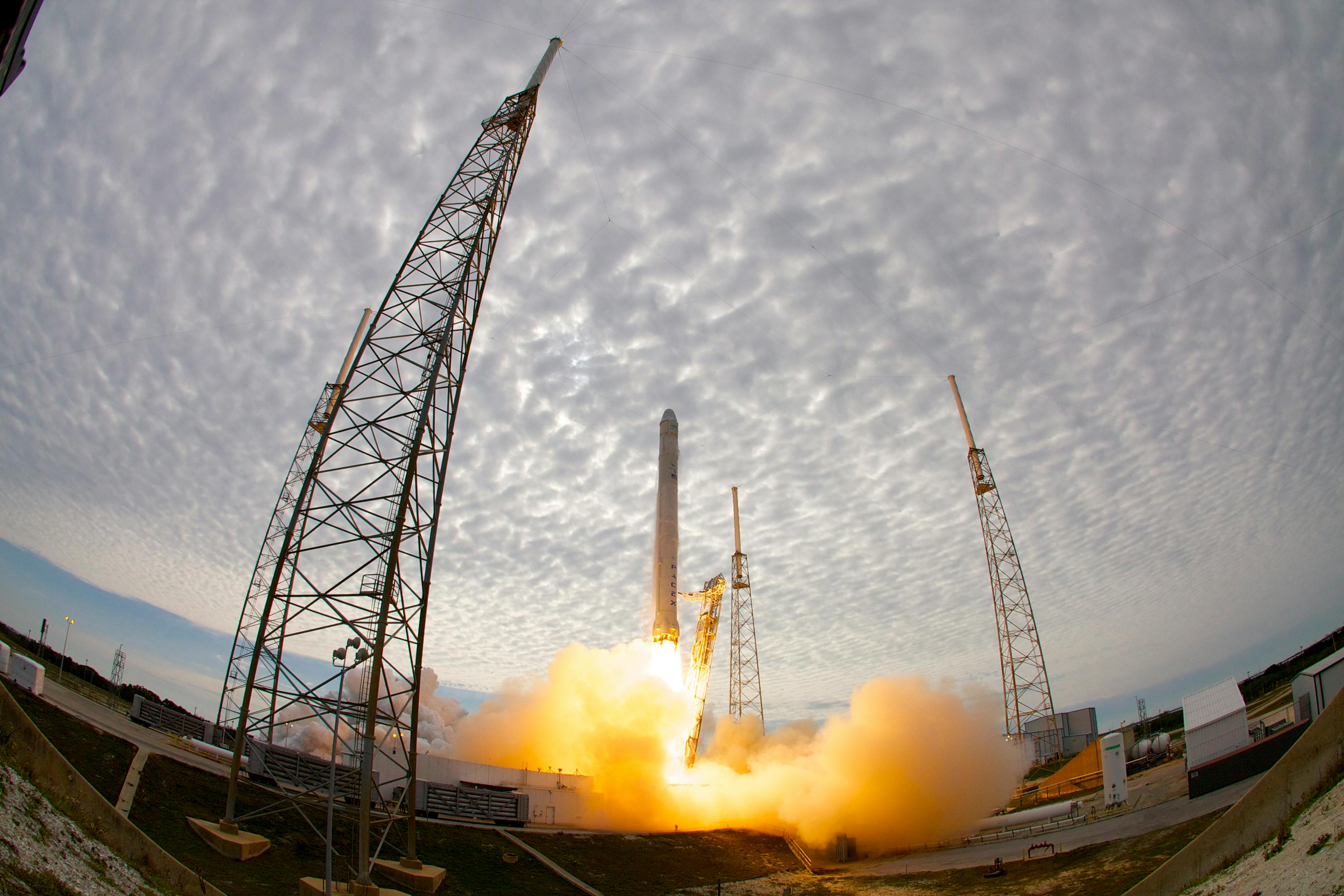
SpaceX successfully launched 24 Starlink satellites from California, enhancing its global internet coverage as the company continues to dominate the satellite communications market.


Launch Date
February 4, 1961
Launch Site
Launch Pad
LC1
Launch Vehicle
Molniya 8K78
NORAD ID
00072
International Designator
1961-002B
Decay Date
2/13/1961
Name
SL-6 R/B
Alternative Name
Molniya 8K78 L1-7V Blok-I
Type
Status
Owner
RVSN
Country
USSR
Constellation
N/A
Related Satellites
Major Events
N/A
Length
7.1
Diameter
2.7
Span
7.1
Dry Mass
2000
Launch Mass
2000
Shape
Cyl
Radar Cross Section
Unknown
Visual Magnitude
Unknown
Color
Unknown
Material Composition
Unknown
Payload
8K78I
Purpose
Unknown
Mission
Unknown
Manufacturer
PROG
Life Expectancy
Unknown
Bus
Blok-I
Configuration
Unknown
Motor
Unknown
Equipment
Unknown
Power System
Unknown
ADCS
Unknown
Transmitter Frequency
Unknown
Learn more about satellites and other related topics.
SpaceX successfully launched 24 Starlink satellites from California, enhancing its global internet coverage as the company continues to dominate the satellite communications market.
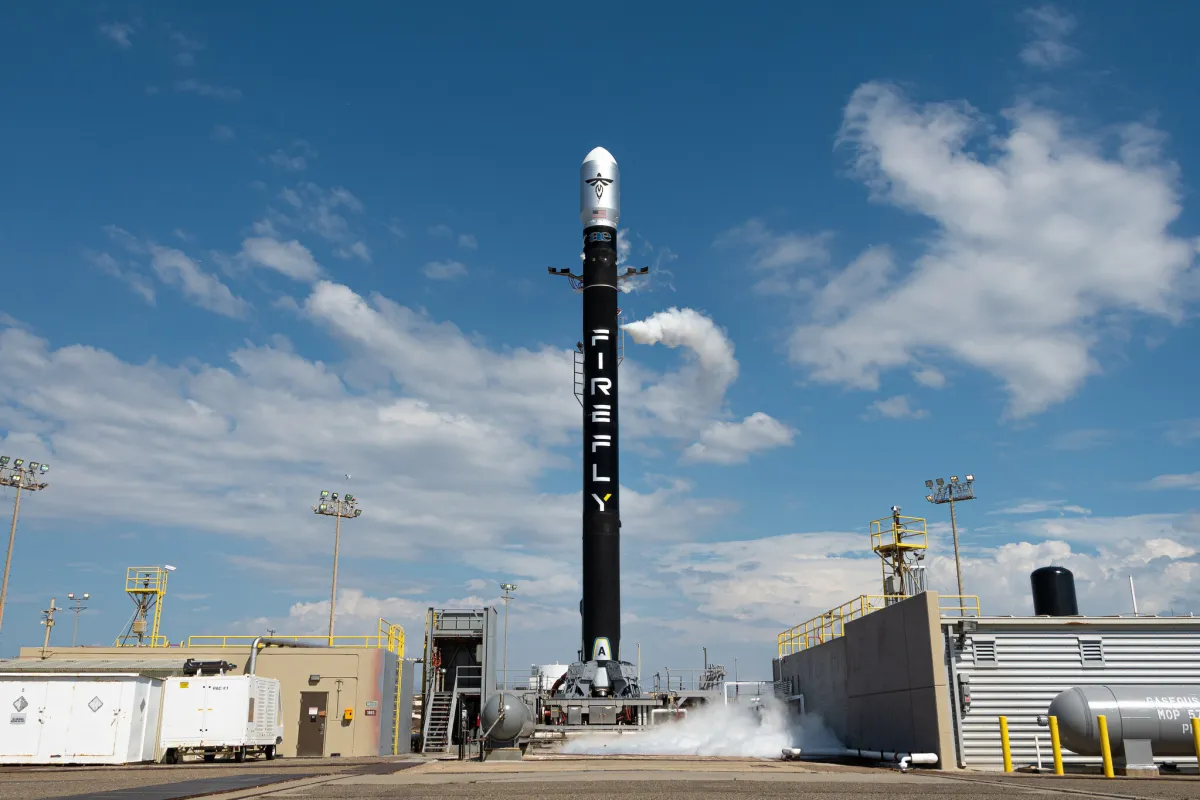
Explore exciting updates on satellite reentries impacting Earth's atmosphere, China's ambitious space exploration plans, and the latest advancements in the search for extraterrestrial life.

SpaceX readies for Starship Flight 6, stacking the megarocket for its upcoming launch on Nov. 19. Get details on the timing and mission objectives.

In today's briefing: China accelerates its satellite megaconstellation. A comprehensive ESA-led optical data network is in the works, marking a key step in satellite communications. NASA's Artemis II crew visits Ohio in preparation for their lunar journey. SpaceX's record-breaking rocket launches continue. Plus, insights into nuclear rockets that could drastically shorten Mars missions.
SpaceX advances with Bandwagon-2 mission, gains approval for Starship Flight 7, and continues Starlink expansion.

We forecast how many satellites could be in orbit by 2030 and what capabilities we can expect.

Space Force projects 25 additional high-energy missions in 2027–2029 window, straining capacity at Vulcan and Falcon Heavy. Capacity constraints will drive military-NASA prioritization debates.

As humanity increasingly relies on satellites, the escalating space junk problem poses a dire threat to our space-based infrastructure. With debris counts reaching alarming levels, urgent action is needed to prevent a cascade of collisions that could make key orbits unusable.