

X Report 22 Apr 2025
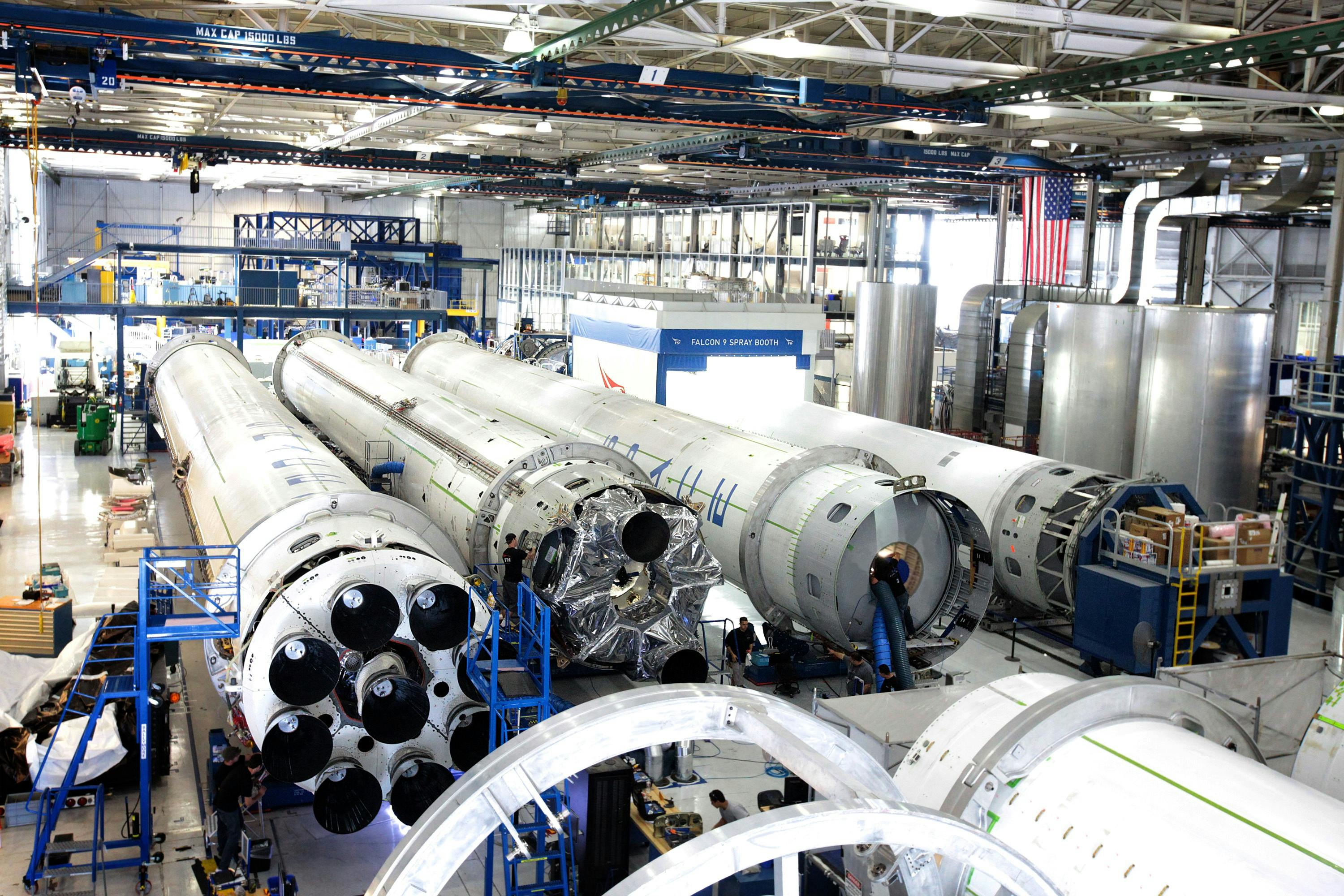
Amid multiple new launches, SpaceX marks its 300th orbital flight milestone at Cape Canaveral while pushing forward with cargo and reentry missions.


Launch Date
November 30, 1973
Launch Site
PLMSC
Launch Pad
LC41/1
Launch Vehicle
Molniya 8K78M
NORAD ID
07178
International Designator
1973-097D
Decay Date
4/17/1986
Name
SL-6 R/B(2)
Alternative Name
Blok-L
Type
Status
Owner
RVSN
Country
USSR
Constellation
N/A
Related Satellites
Major Events
N/A
Length
3.3
Diameter
2.4
Span
3.3
Dry Mass
1000
Launch Mass
4500
Shape
Cyl
Radar Cross Section
11.0854
Visual Magnitude
Unknown
Color
Unknown
Material Composition
Unknown
Payload
Blok-L
Purpose
Unknown
Mission
Unknown
Manufacturer
TSKBEM
Life Expectancy
Unknown
Bus
Blok-L
Configuration
Unknown
Motor
Unknown
Equipment
Unknown
Power System
Unknown
ADCS
Unknown
Transmitter Frequency
Unknown
Learn more about satellites and other related topics.
Amid multiple new launches, SpaceX marks its 300th orbital flight milestone at Cape Canaveral while pushing forward with cargo and reentry missions.

Today's highlights include ExoMars' successful parachute test, developments in military satellite systems, and leadership changes at NASA Goddard.
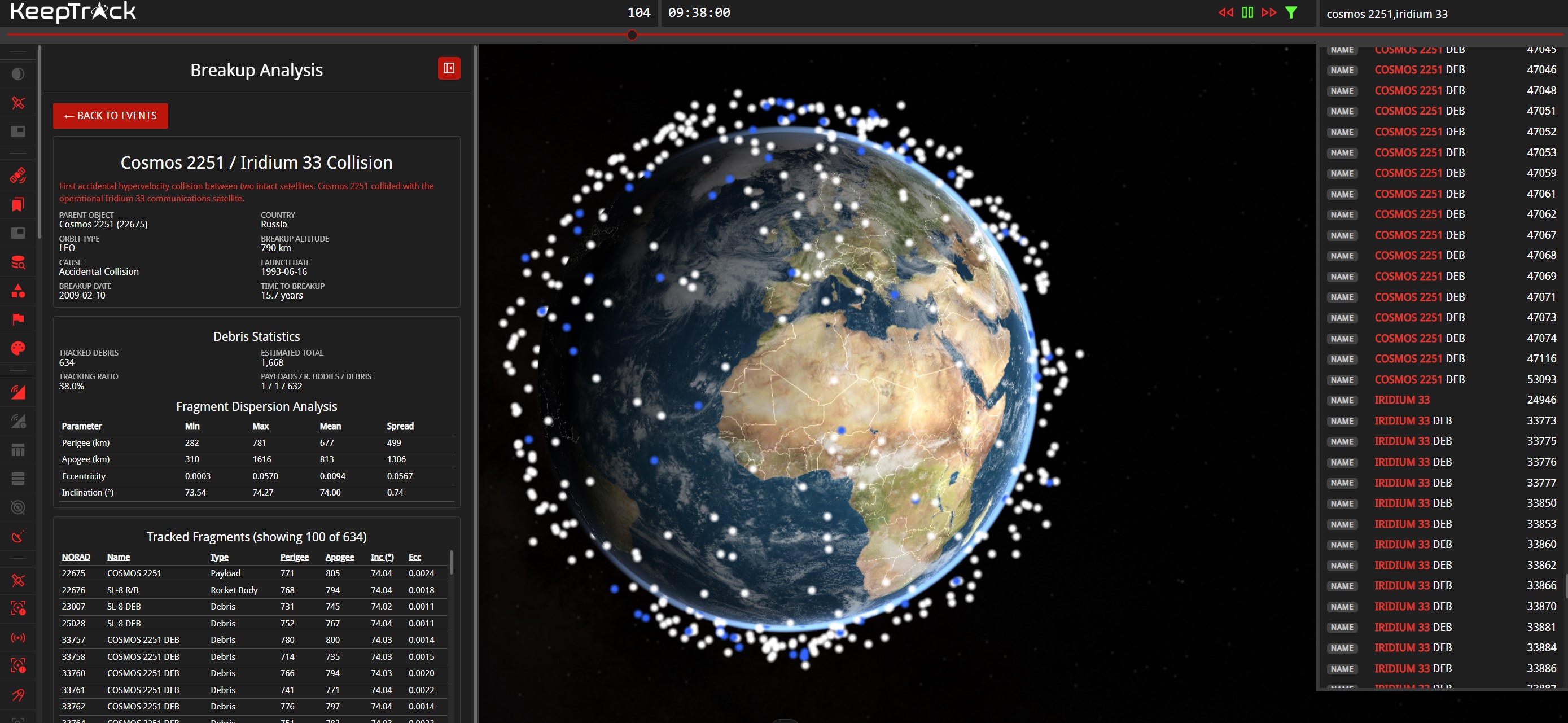
On February 10, 2009, an active Iridium communications satellite and a derelict Soviet military spacecraft slammed into each other 789 kilometers above Siberia. The collision produced more than 2,300 pieces of trackable debris that are still up there. Seventeen years later, the Iridium-Cosmos collision remains the event that made space debris a policy problem the world could no longer ignore.
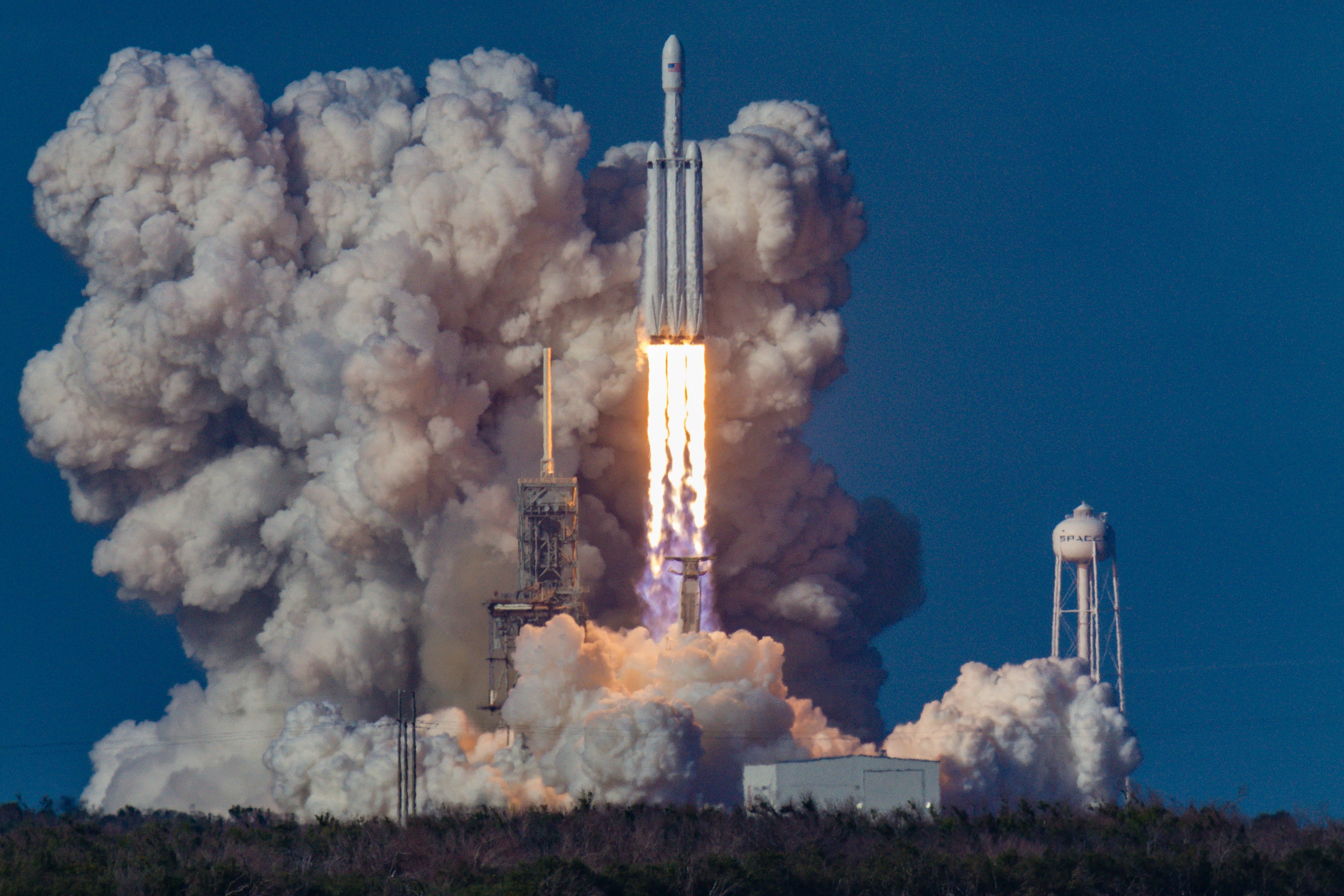
Virgin Media O2 launches Europe's first Starlink direct-to-smartphone service in the UK. SpaceX launches 29 more Starlink satellites. Dragon cargo capsule returns after 6-month ISS mission.
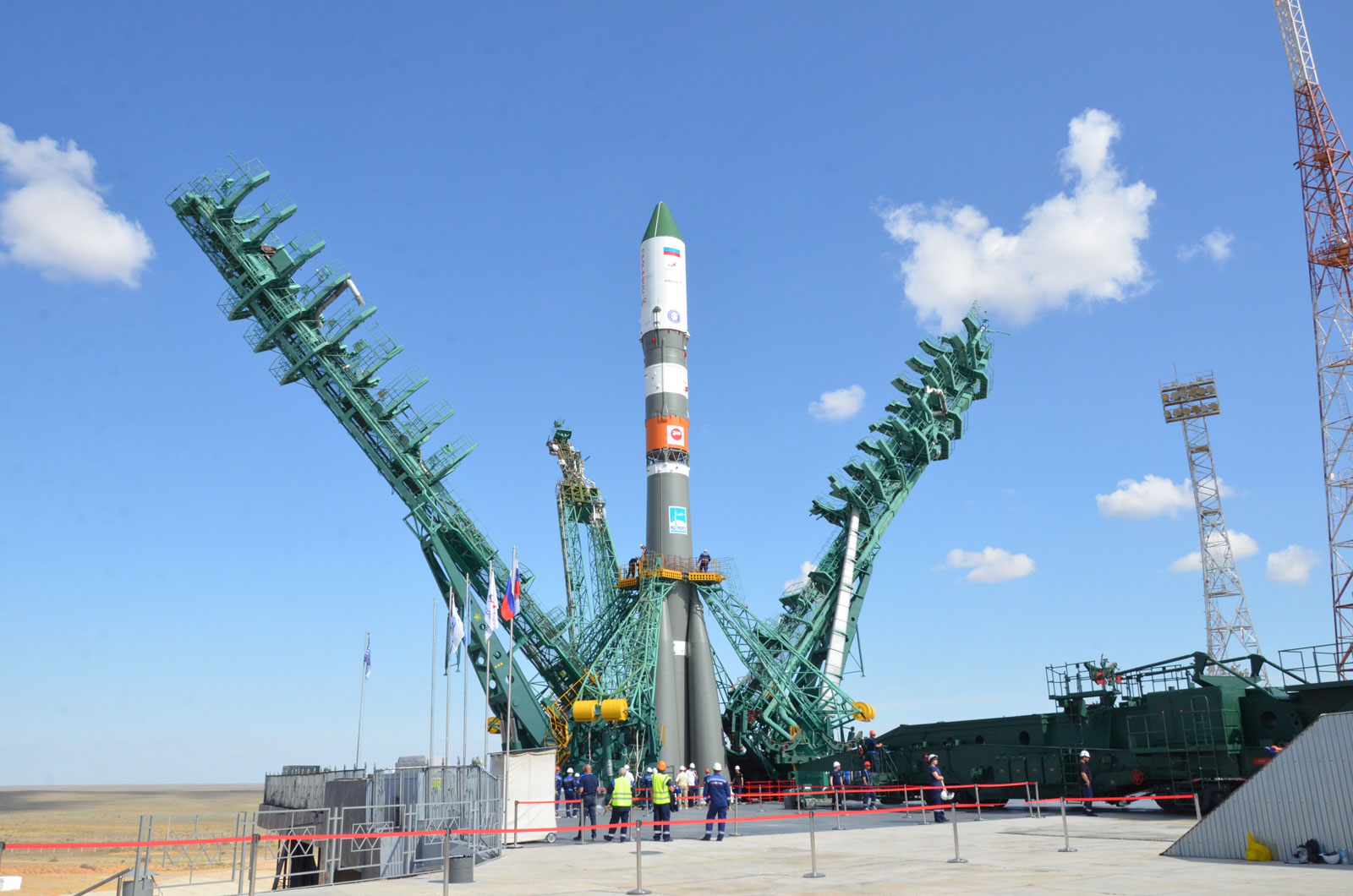
Today's highlights include the debut of a new Chinese rocket, a successful Starlink launch, and concerns about Artemis 3. We also cover DoD developments and a notable SpaceX milestone.
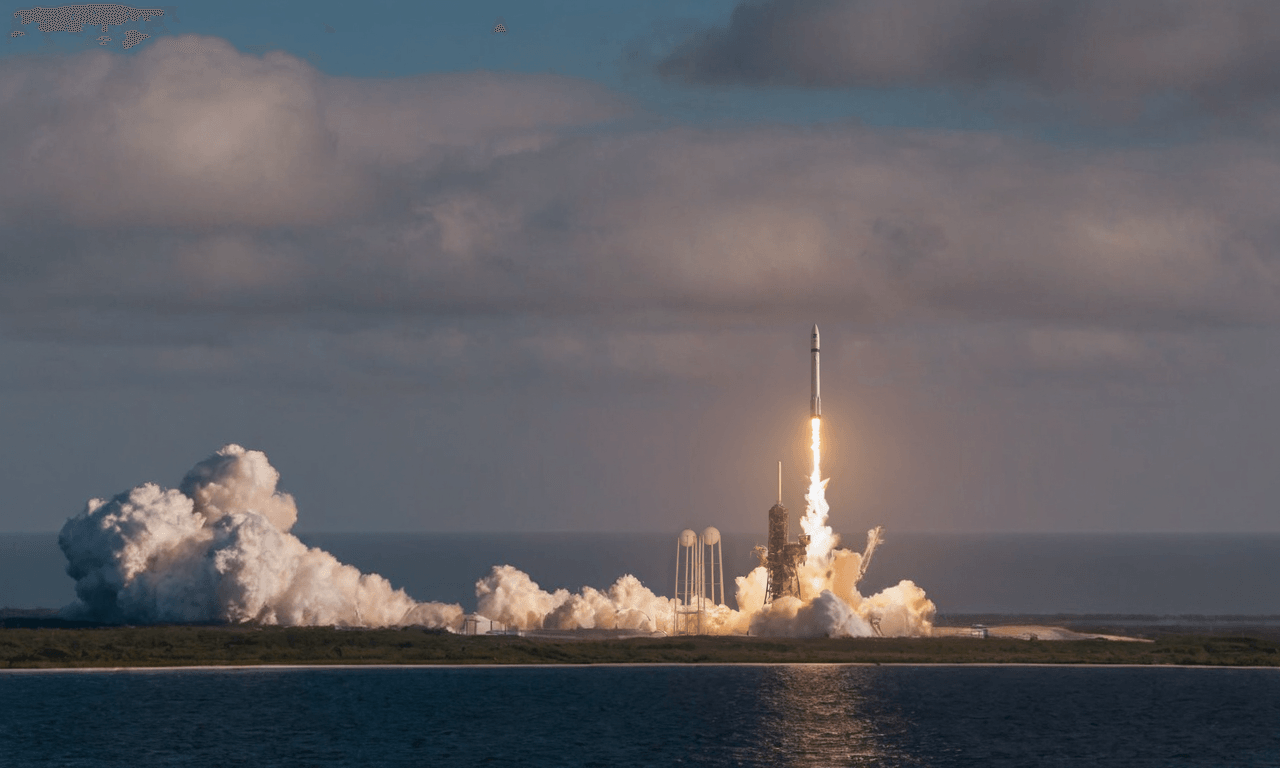
Today's briefing covers an exciting new satellite launch, a significant reentry, and unexpected space debris from a fragmentation event.
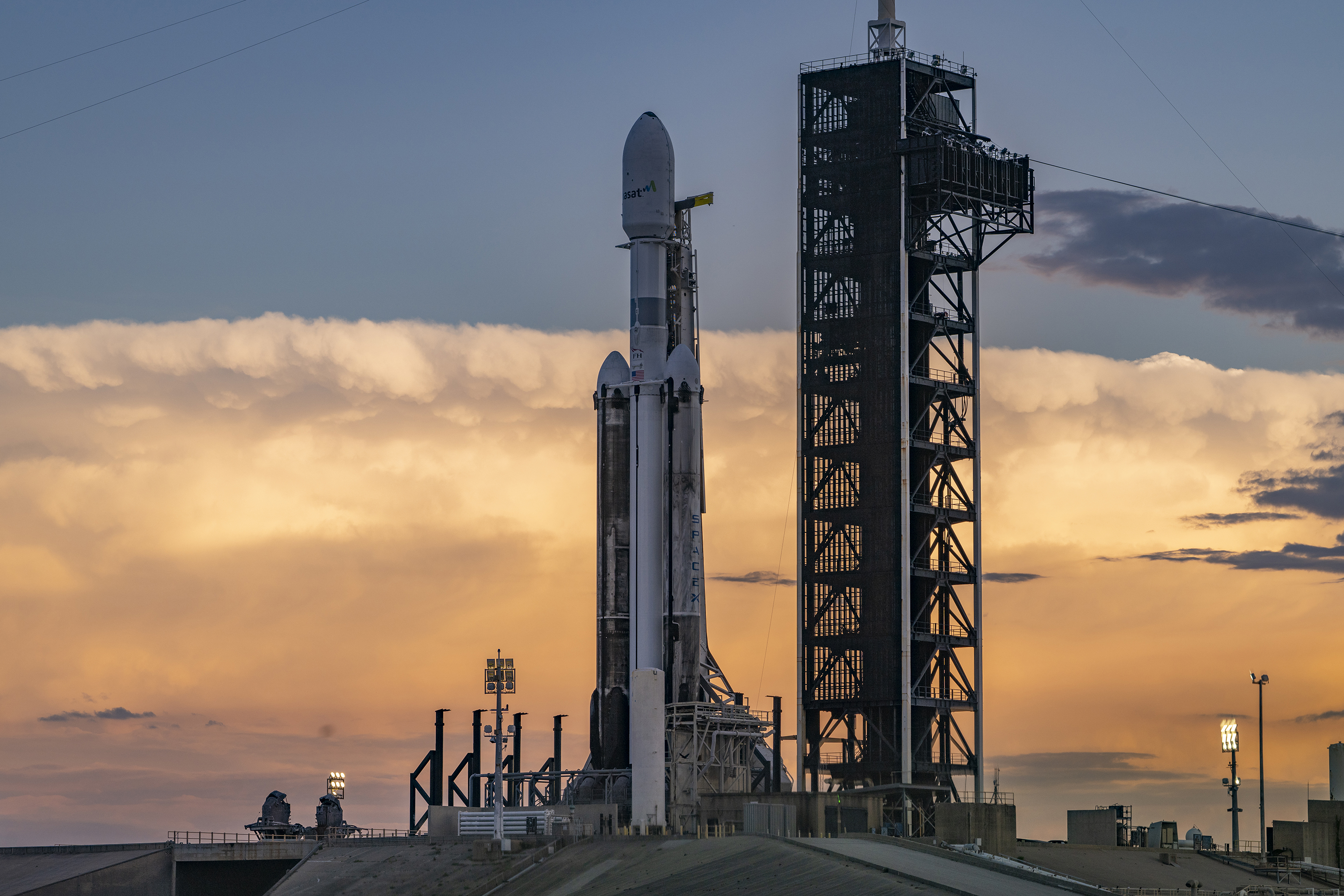
ULA's Atlas V deployed 29 Amazon Kuiper LEO satellites on April 27. Falcon Heavy returns this week with ViaSat-3 F3. Six orbital launches scheduled across three continents.

SpaceX successfully launched the Transporter-15 mission, deploying 140 payloads, while Elon Musk addressed media narratives related to Starlink's humanitarian efforts following recent disasters.