QIANFAN-204 (69803)

COSPAR: 2026-153D | Alt Name: N/A

Image
QIANFAN-204 Satellite Image
Additional Sources
Launch Details

Launch Date

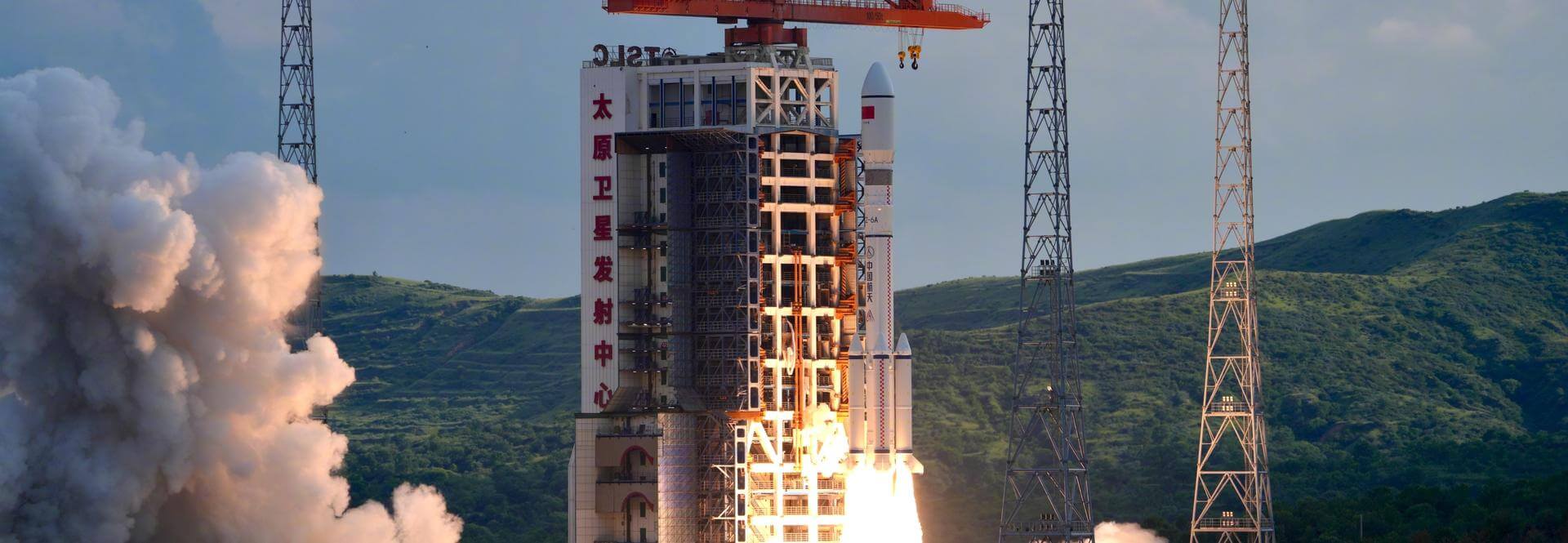
July 4, 2026

Launch Site

TSC

Launch Pad

LC9A

Launch Vehicle

Chang Zheng 6A

Orbital Elements

NORAD ID

69803

International Designator

2026-153D

Epoch

Sun, 19 Jul 2026 19:57:04 GMT

Apogee

Calculating...

Perigee

Calculating...

Inclination

88.99°

Right Ascension

358.52°

Eccentricity

Calculating...

Argument of Perigee

164.05°

Period

101.40 min

Mean Motion

14.20 rev/day

Latitude

Calculating...

Longitude

Calculating...

Altitude

Calculating...

Velocity

Calculating...

Polar Plot
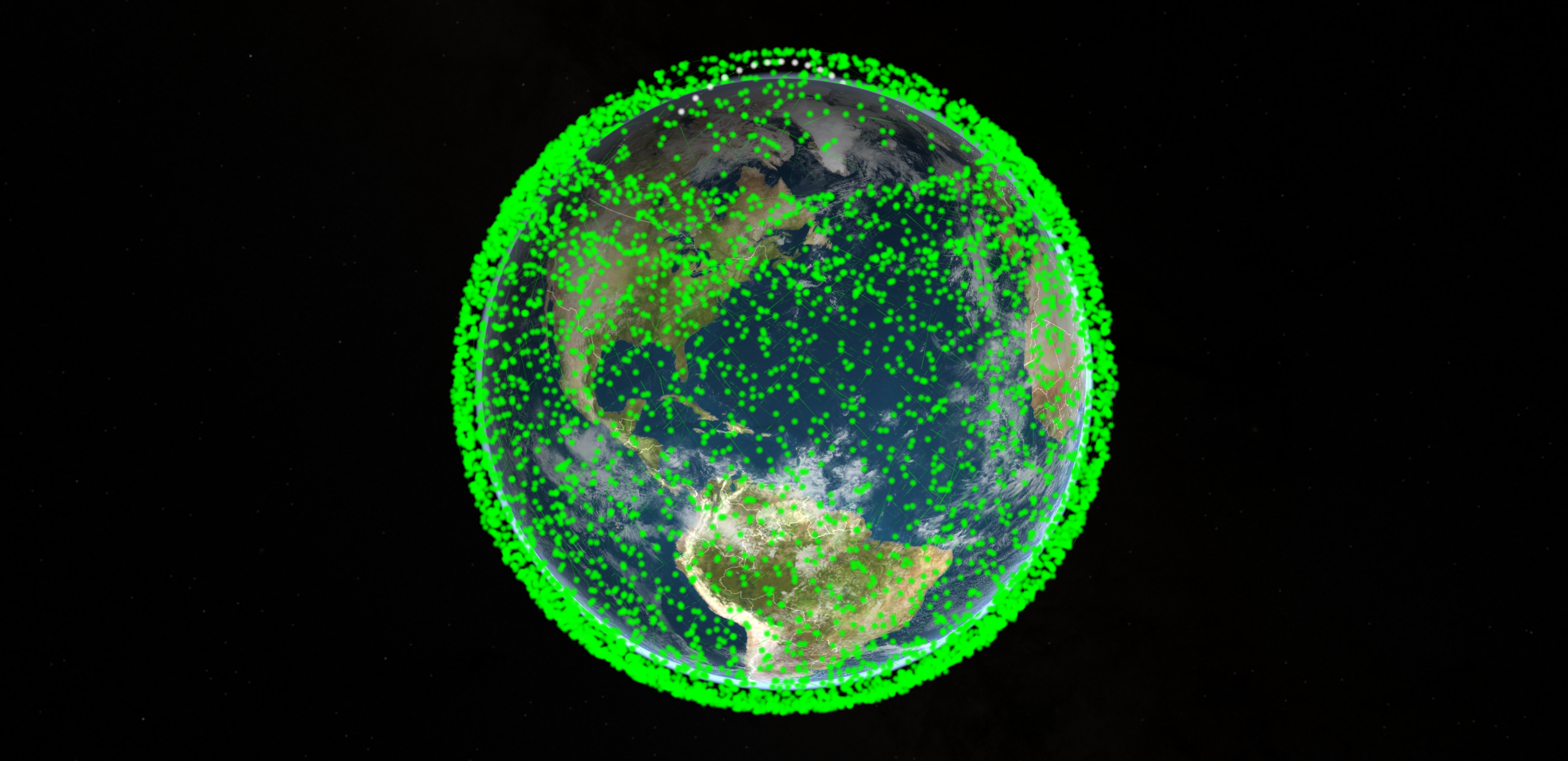
3D Visualization
Basic Satellite Info

Name

QIANFAN-204

Alternative Name

N/A

Type

Payload

Status

Unknown

Owner

YUANX

Country

China

Constellation

N/A

Related Satellites

Major Events

N/A

Latest TLEs
1 69803U 26153D   26200.83130447  .00000126  00000+0  52169-4 0  9998
2 69803  88.9928 358.5193 0008183 164.0459 196.0991 14.20114816  2202

Source: Celestrak

Summary

Apologies, there is no summary for this satellite yet. I am working to generate these for every object in the catalog, but it is going to take time.

Physical Characteristics

Length

0.3

Diameter

3.0

Span

10.0

Dry Mass

267

Launch Mass

267

Shape

Box+pan

Radar Cross Section

Unknown

Visual Magnitude

Unknown

Color

Unknown

Material Composition

Unknown

Technical Details

Payload

Qianfan Jigui 13-04

Purpose

Unknown

Mission

Unknown

Manufacturer

GESIH

Life Expectancy

Unknown

Bus

Qianfan

Configuration

Unknown

Motor

Unknown

Equipment

Unknown

Power System

Unknown

ADCS

Unknown

Transmitter Frequency

Unknown

Map
This tool will help you track the satellite's position and predict its upcoming passes over your location. Simply input the coordinates or click the geolocation button to get started.
Next Pass
Azimuth Elevation Time (Local)
Start Azimuth
Max Elevation
Stop Azimuth
Time Until
Pass Duration

Satellite Articles

View All Posts »

Learn more about satellites and other related topics.

First Graviton Detector Concept Proposed, Space Force Shelves R-GPS Program | KeepTrack Space Brief

First Graviton Detector Concept Proposed, Space Force Shelves R-GPS Program | KeepTrack Space Brief

Keck Foundation team proposes first-ever graviton detector concept. Space Force shelves Resilient GPS program. China advances Long March 12B reusable rocket with static fire test at Jiuquan.
X Report 13 May 2025

X Report 13 May 2025

SpaceX continues to expand its Starlink network with multiple launches and gains momentum in international markets, while revisiting launch tariffs and new regulations.

X Report 17 Nov 2025

X Report 17 Nov 2025

SpaceX successfully launched the Sentinel-6B satellite, marking a significant milestone as its 500th mission with a reused rocket, furthering global sea level monitoring efforts.

Falcon 9 Grounding Threatens ISS Crew Rotation Schedule | KeepTrack X Report

Falcon 9 Grounding Threatens ISS Crew Rotation Schedule | KeepTrack X Report

Falcon 9 stand-down may impact next ISS crew rotation as NASA monitors the situation. Musk merges xAI into SpaceX to build space data centers. 9,633 Starlink sats on orbit.

Starlink-34343 | The Second Fragmentation Event in Three Months

Starlink-34343 | The Second Fragmentation Event in Three Months

STARLINK-34343 broke apart at 560 kilometers. SpaceX's response - launch more satellites the next morning - tells you everything about the confidence gap between fleet statistics and individual failure modes.

Space Brief 19 Jul 2025

Space Brief 19 Jul 2025

Today's highlights include a record-breaking high-altitude image of the sun, SpaceX's latest Starlink satellite launch, and various military developments. Stay informed with detailed updates on launches, reentries, and the latest advancements in drone technology.

X Report 9 Mar 2025

X Report 9 Mar 2025

SpaceX reveals plans for Florida Starship launches, NASA teams up for dual missions, and FCC boosts satellite connectivity.

The Day That Changed Spaceflight Forever

The Day That Changed Spaceflight Forever

Thirty-nine years ago, the loss of Space Shuttle Challenger and its seven crew members forever transformed our approach to spaceflight safety and risk management