

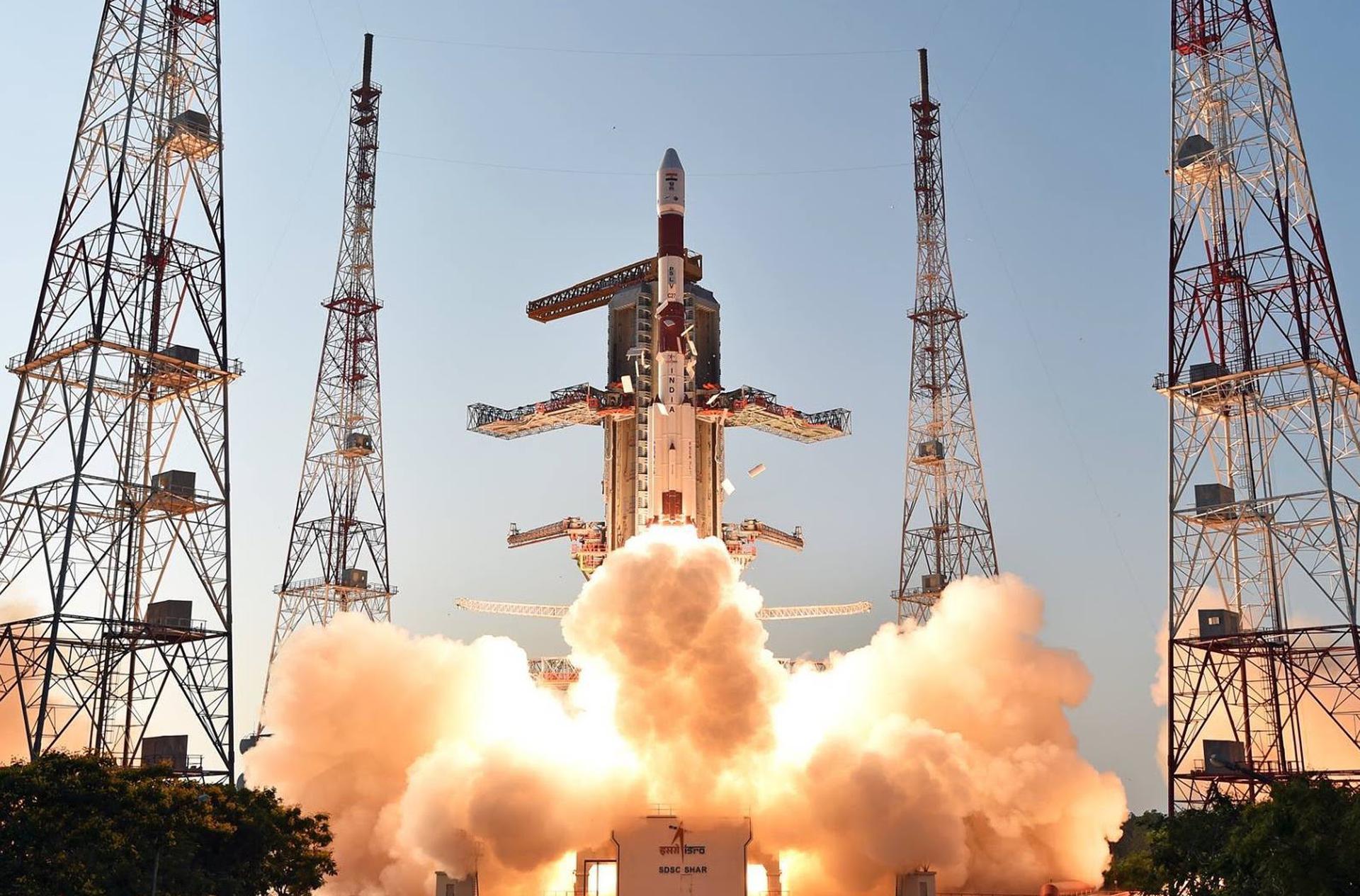
Space Brief 2 Oct 2025
Highlighting ExLabs' Space Force contract, Starlink advances, and developments in orbital communication tech.


Launch Date
December 17, 1973
Launch Site
PLMSC
Launch Pad
LC41/1
Launch Vehicle
Soyuz 11A511M
NORAD ID
06979
International Designator
1973-102A
Decay Date
12/28/1973
Name
COSMOS 616
Alternative Name
Kosmos-616
Type
Status
Owner
TSKBE3
Country
USSR
Constellation
N/A
Related Satellites
Major Events
N/A
Apologies, there is no summary for this satellite yet. I am working to generate these for every object in the catalog, but it is going to take time.
Length
6.5
Diameter
2.4
Span
6.5
Dry Mass
2200
Launch Mass
2200
Shape
Sphere + DCone
Radar Cross Section
Unknown
Visual Magnitude
Unknown
Color
Unknown
Material Composition
Unknown
Payload
Orion No. 5L
Purpose
Unknown
Mission
Unknown
Manufacturer
TSKBE3
Life Expectancy
Unknown
Bus
Zenit-4MT
Configuration
Unknown
Motor
Unknown
Equipment
Unknown
Power System
Unknown
ADCS
Unknown
Transmitter Frequency
Unknown
Learn more about satellites and other related topics.
Highlighting ExLabs' Space Force contract, Starlink advances, and developments in orbital communication tech.
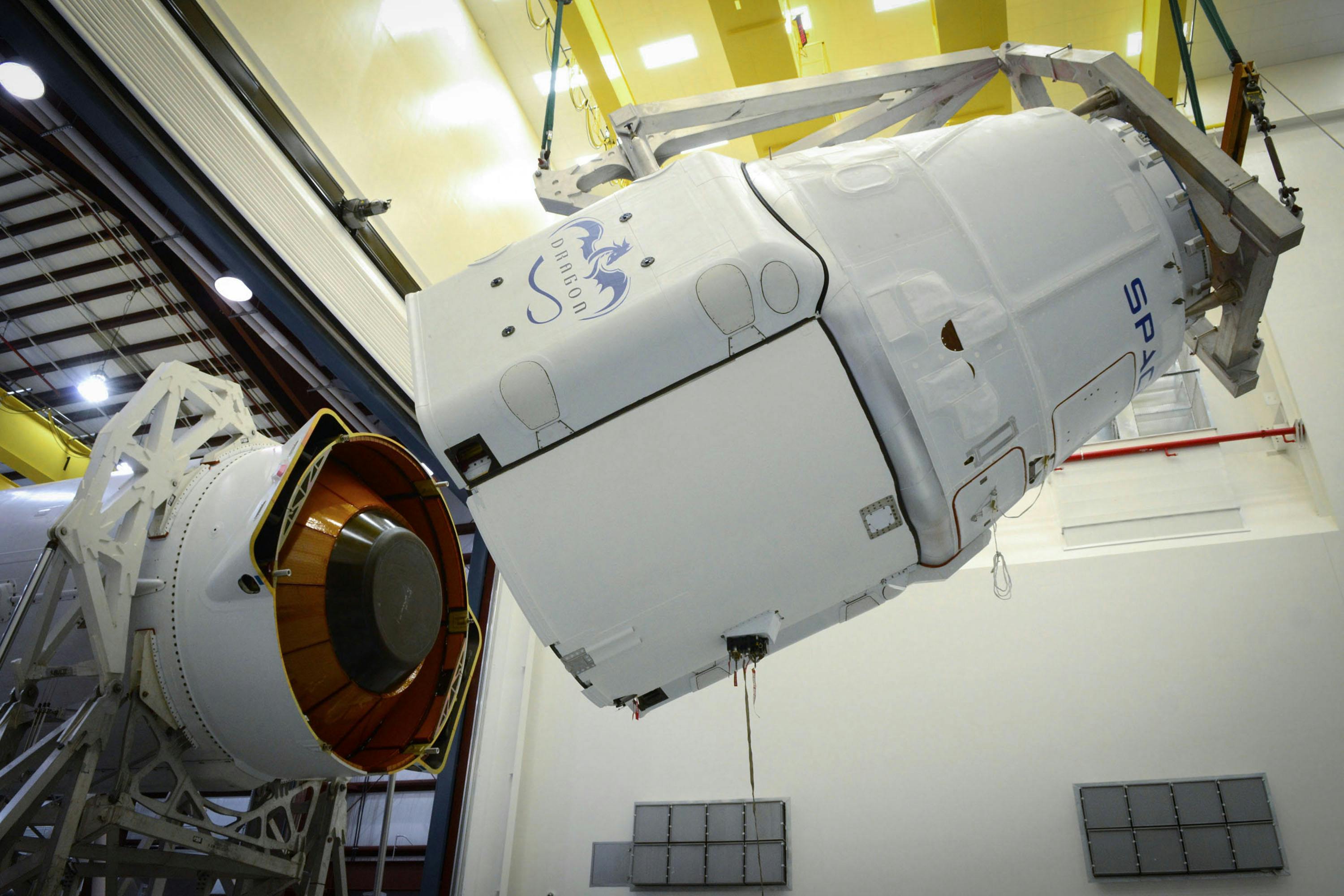
SpaceX continues its ambitious satellite deployment schedule with two successful Starlink launches in just 24 hours, enhancing global connectivity.
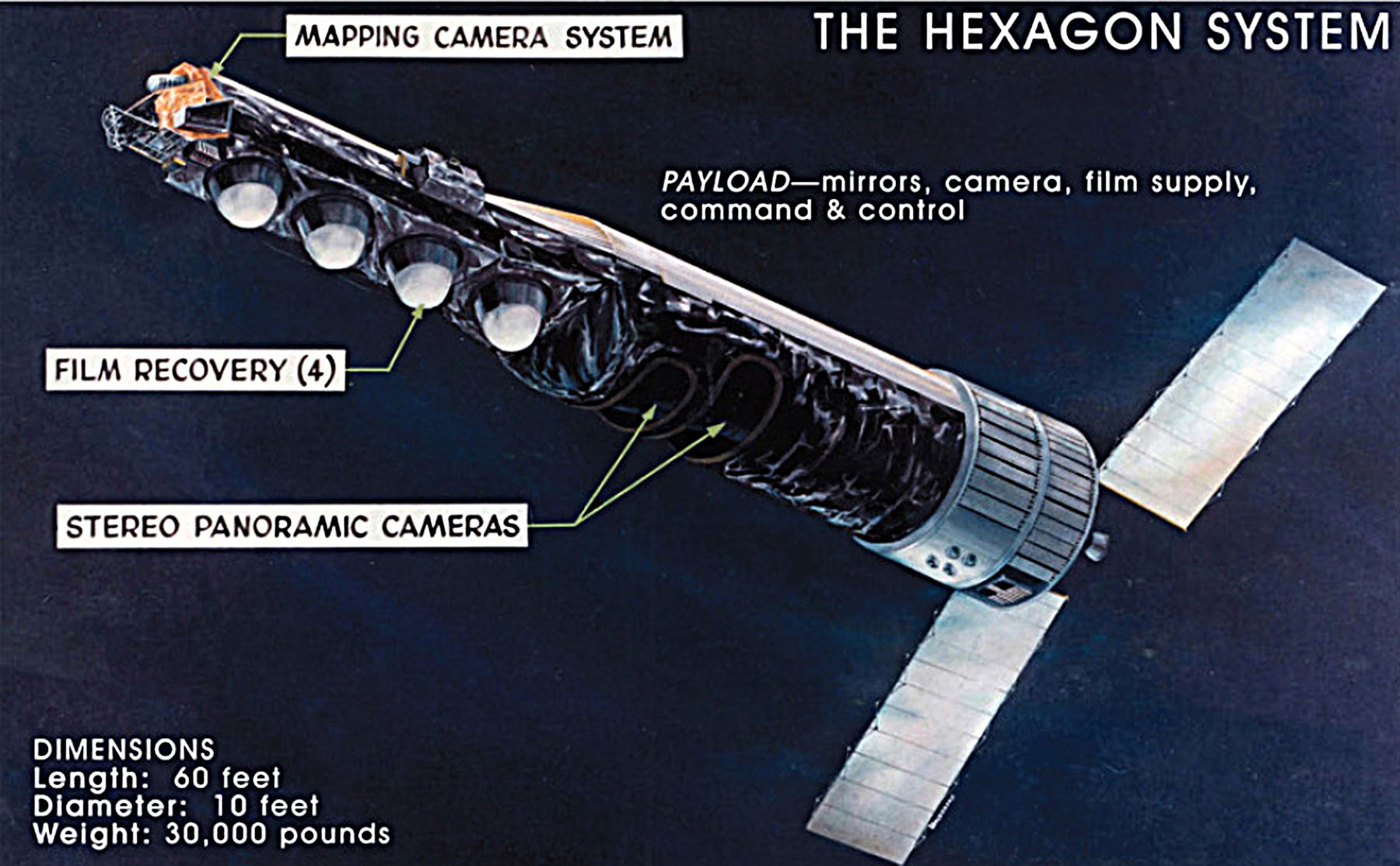
On January 20, 1972, the second KH-9 HEXAGON lifted off from Vandenberg - carrying the most sophisticated reconnaissance system ever built by engineers who weren't allowed to say 'film,' 'camera,' or even talk to each other about what they were doing.

Today's Space Brief covers reentries, the impact of NOAA dismissals on space weather tracking, a strategic academic partnership probing cosmic mysteries, and a newly unveiled space motto.
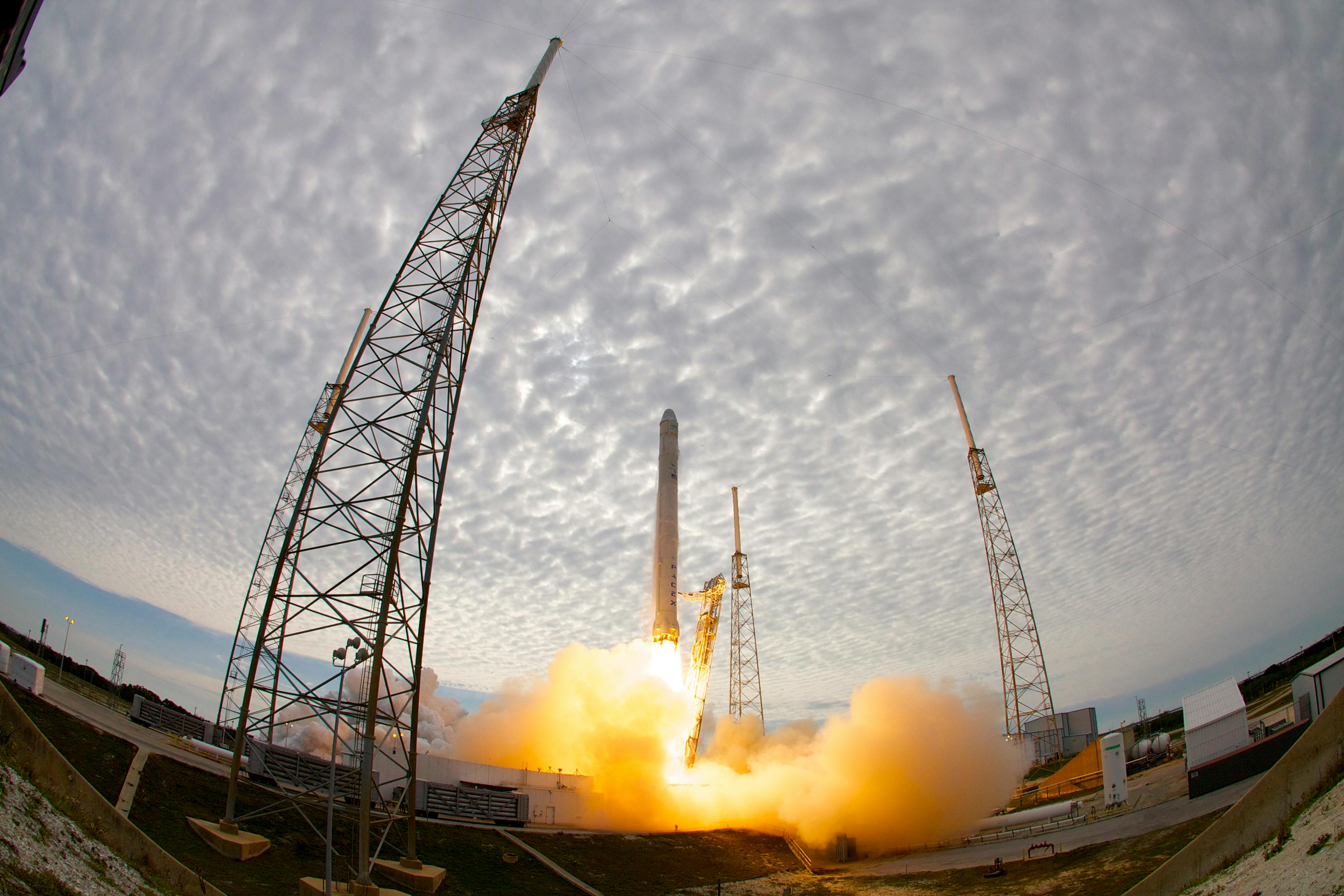
SpaceX's first Starship V3 launches May 20 on Flight 12, as Starlink's 10,354 active sats force a historic carrier alliance.
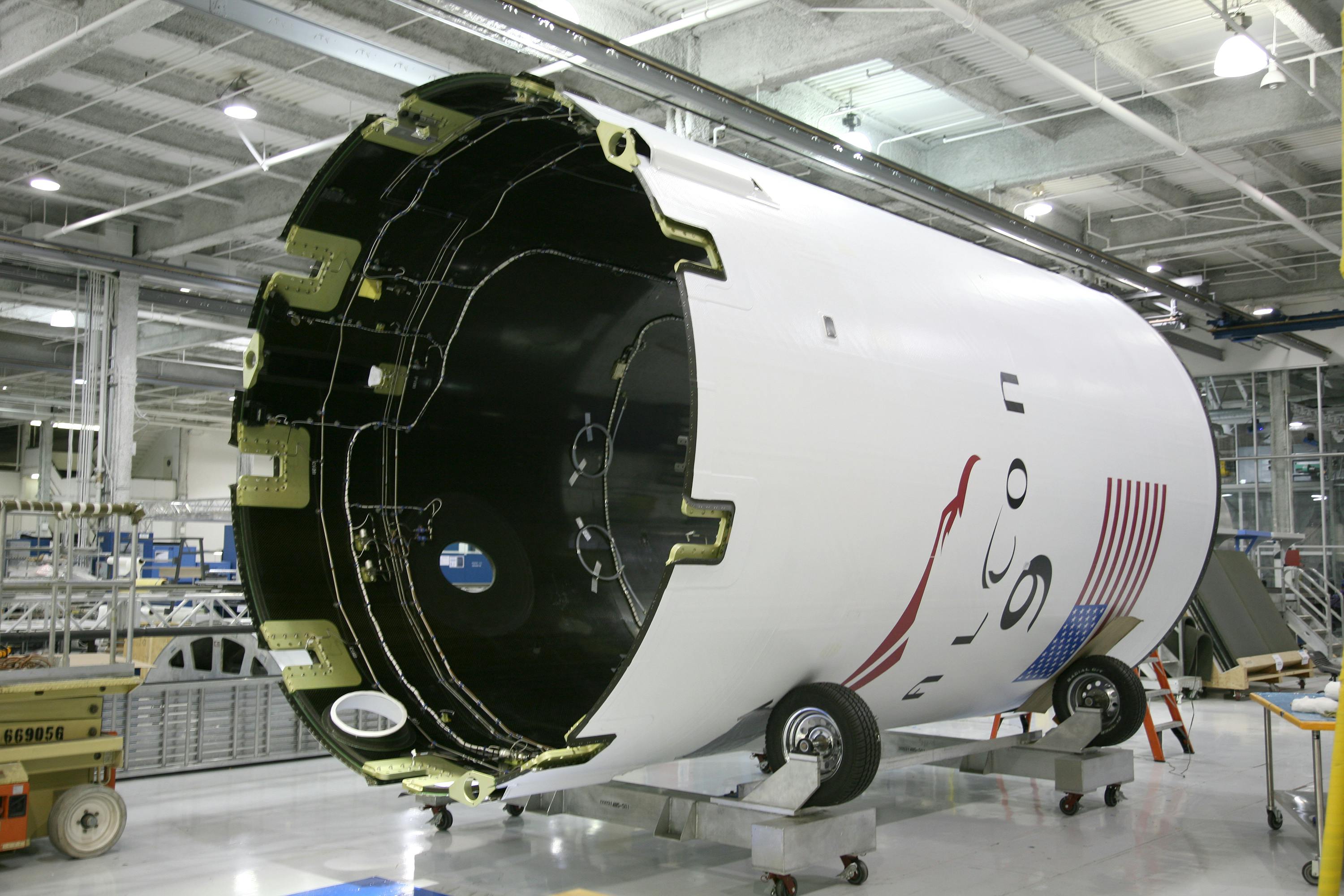
Today's report covers SpaceX's progress on Starship pad realignment and Rocket Lab's delay of its Neutron rocket debut, highlighting key advancements and competitive dynamics in the space industry.
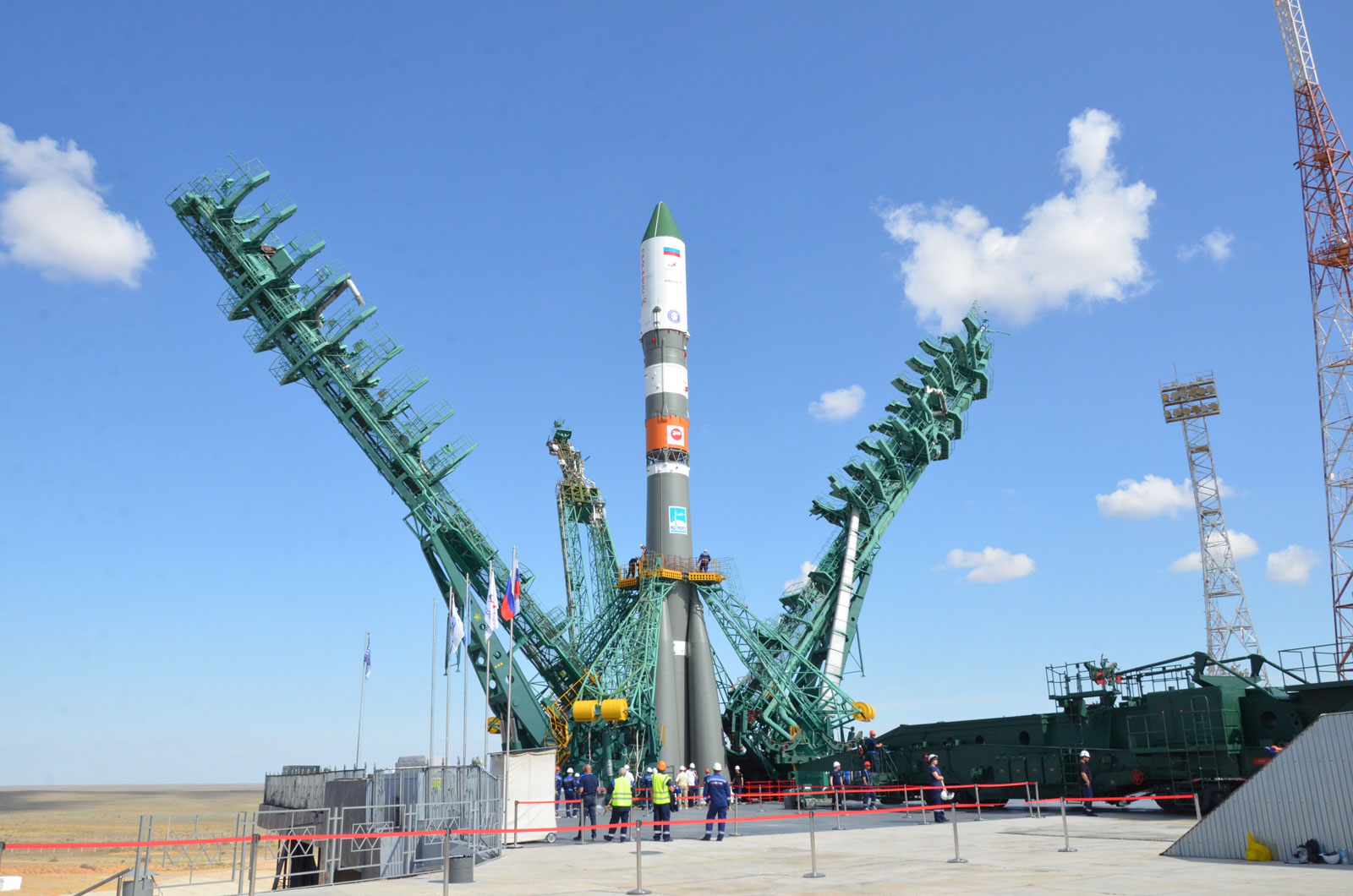
Today's brief highlights significant shifts in military space spending due to the Golden Dome program, the U.S. Space Force's advancements in tactical satellite communications, and NASA's race to nuclear power in space.

Space Force stands up 2 cyber defense squadrons at Cape Canaveral and Vandenberg to protect launch operations against adversary interference targeting pad networks and telemetry systems.