


X Report 16 Jan 2025
SpaceX launches dual lunar landers while Starship Flight 7 faces weather delay.



Launch Date
June 12, 2026
Launch Site
Launch Pad
LC40
Launch Vehicle
NORAD ID
69533
International Designator
2026-133AB
Epoch
Mon, 20 Jul 2026 03:03:38 GMT
Apogee
Calculating...
Perigee
Calculating...
Inclination
53.16°
Right Ascension
161.60°
Eccentricity
Calculating...
Argument of Perigee
83.38°
Period
93.85 min
Mean Motion
15.34 rev/day
Latitude
Calculating...
Longitude
Calculating...
Altitude
Calculating...
Velocity
Calculating...
Name
STARLINK-37890
Alternative Name
N/A
Type
Status
Owner
SPXS
Country
United States
Constellation
N/A
Related Satellites
Major Events
N/A
1 69533U 26133AB 26201.12752723 .00003693 00000+0 12040-3 0 9991
2 69533 53.1608 161.6031 0001557 83.3777 276.7403 15.34393270 7184
Source: Celestrak
Length
0.3
Diameter
4.1
Span
29.0
Dry Mass
530
Launch Mass
575
Shape
Box + pan
Radar Cross Section
Unknown
Visual Magnitude
Unknown
Color
Unknown
Material Composition
Unknown
Payload
Starlink Group 10-54-26
Purpose
Unknown
Mission
Unknown
Manufacturer
SPXS
Life Expectancy
Unknown
Bus
Starlink V2MO
Configuration
Unknown
Motor
Unknown
Equipment
Unknown
Power System
Unknown
ADCS
Unknown
Transmitter Frequency
Unknown
Learn more about satellites and other related topics.
SpaceX launches dual lunar landers while Starship Flight 7 faces weather delay.
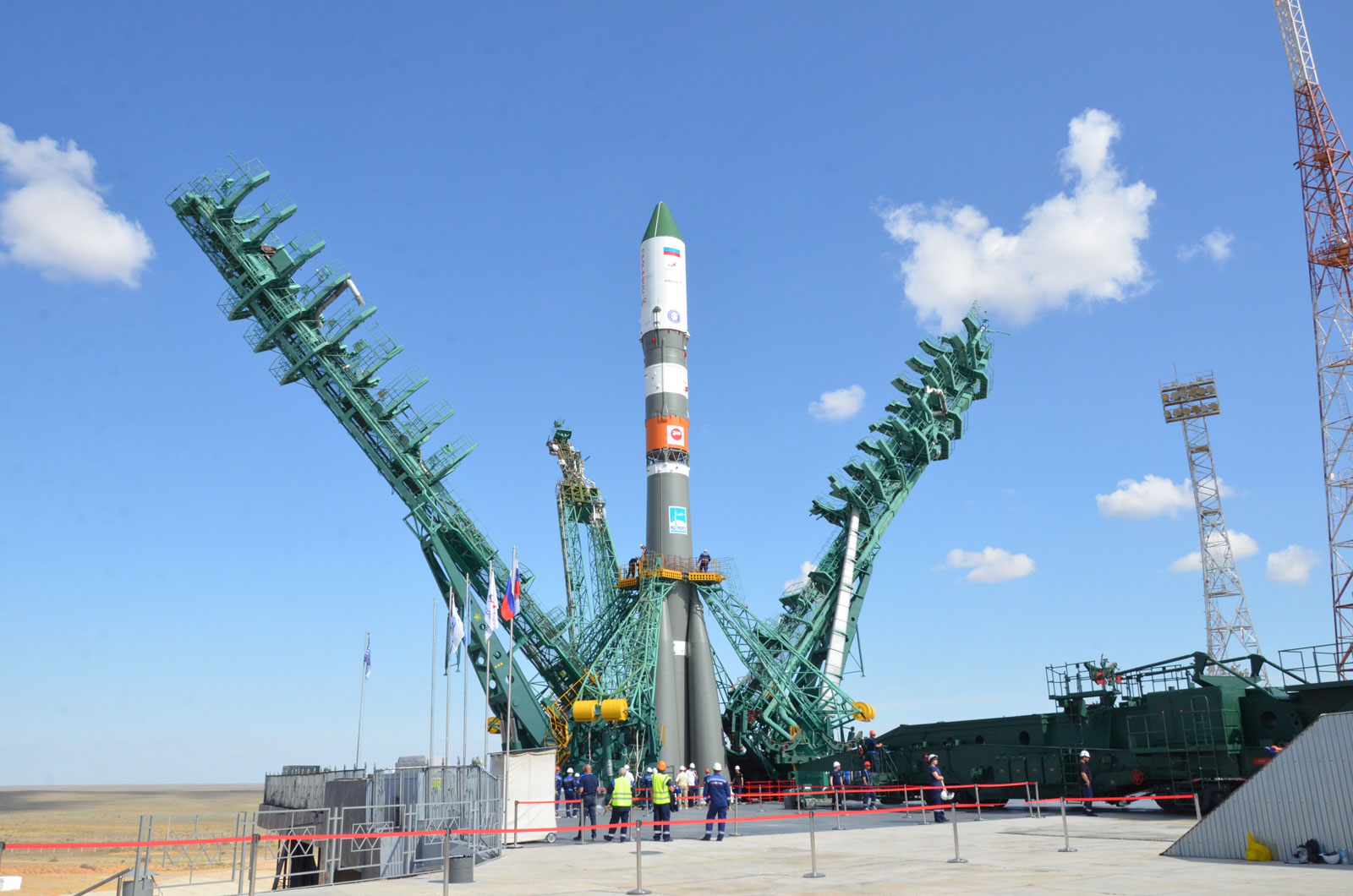
Space Force expands National Security Space Launch Phase 3 with Relativity Space and Impulse Space joining Lane 1 competition. New entrants gain pathway to military payload contracts.

Today's highlights include SpaceX's 250th Starlink mission, a key Senate vote for NASA's next administrator, and insights into satellite missions and movements.
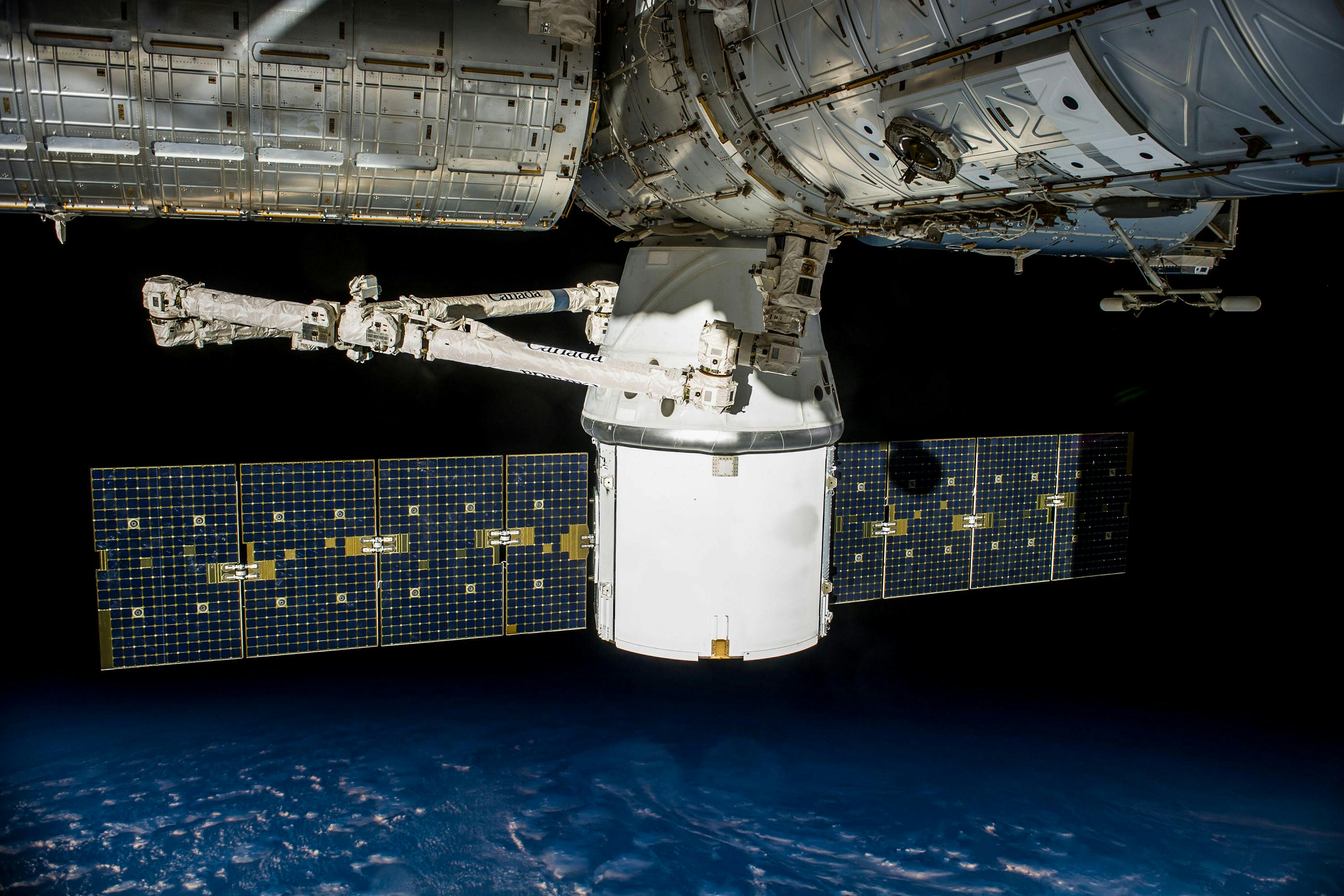
SpaceX prepares for Bandwagon-2 rideshare mission launch, while FAA updates license for Starship's next flight; Crew Dragon mission faces delays.
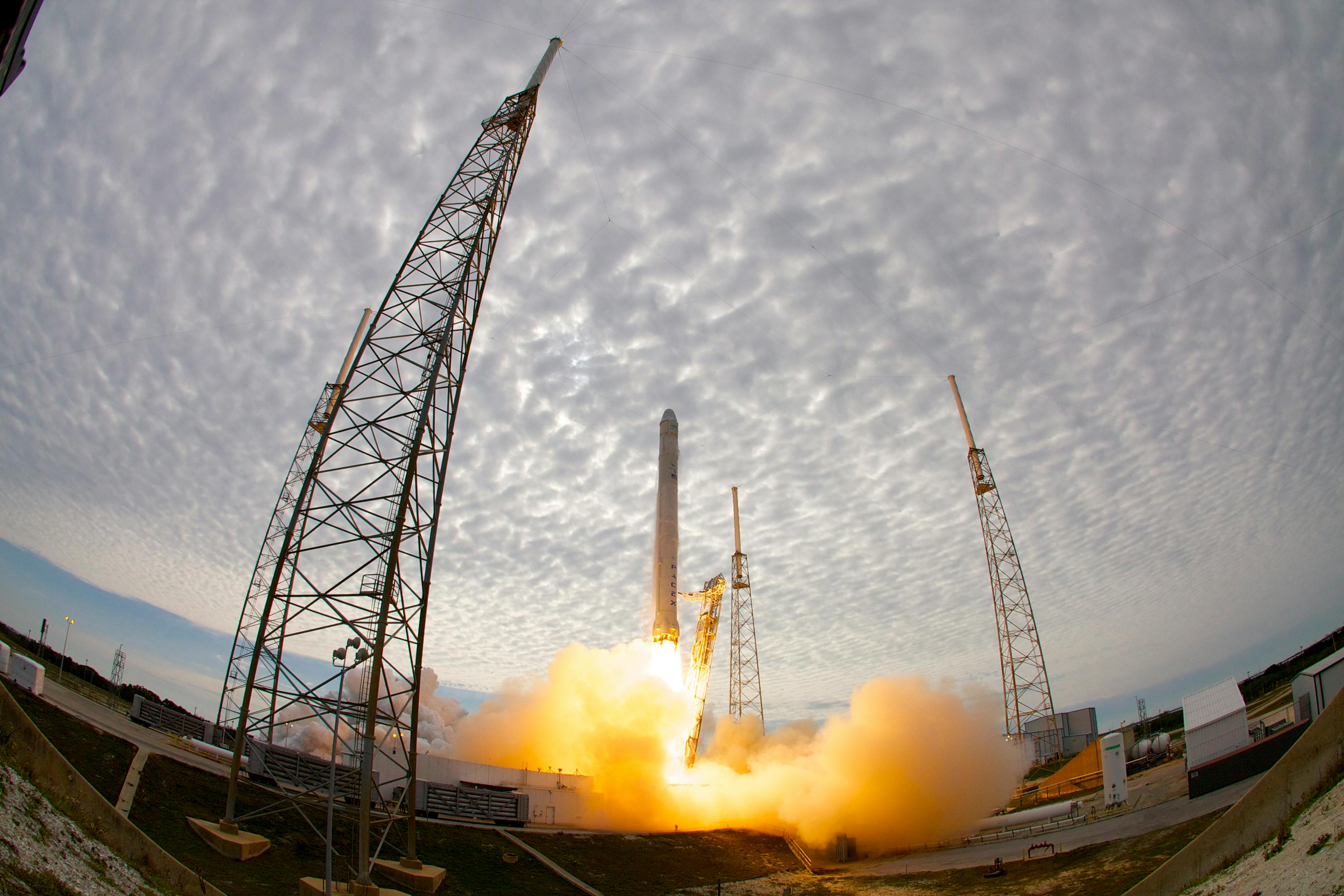
SpaceX successfully launches two lunar landers and clears another milestone with Transporter-12 rideshare mission.
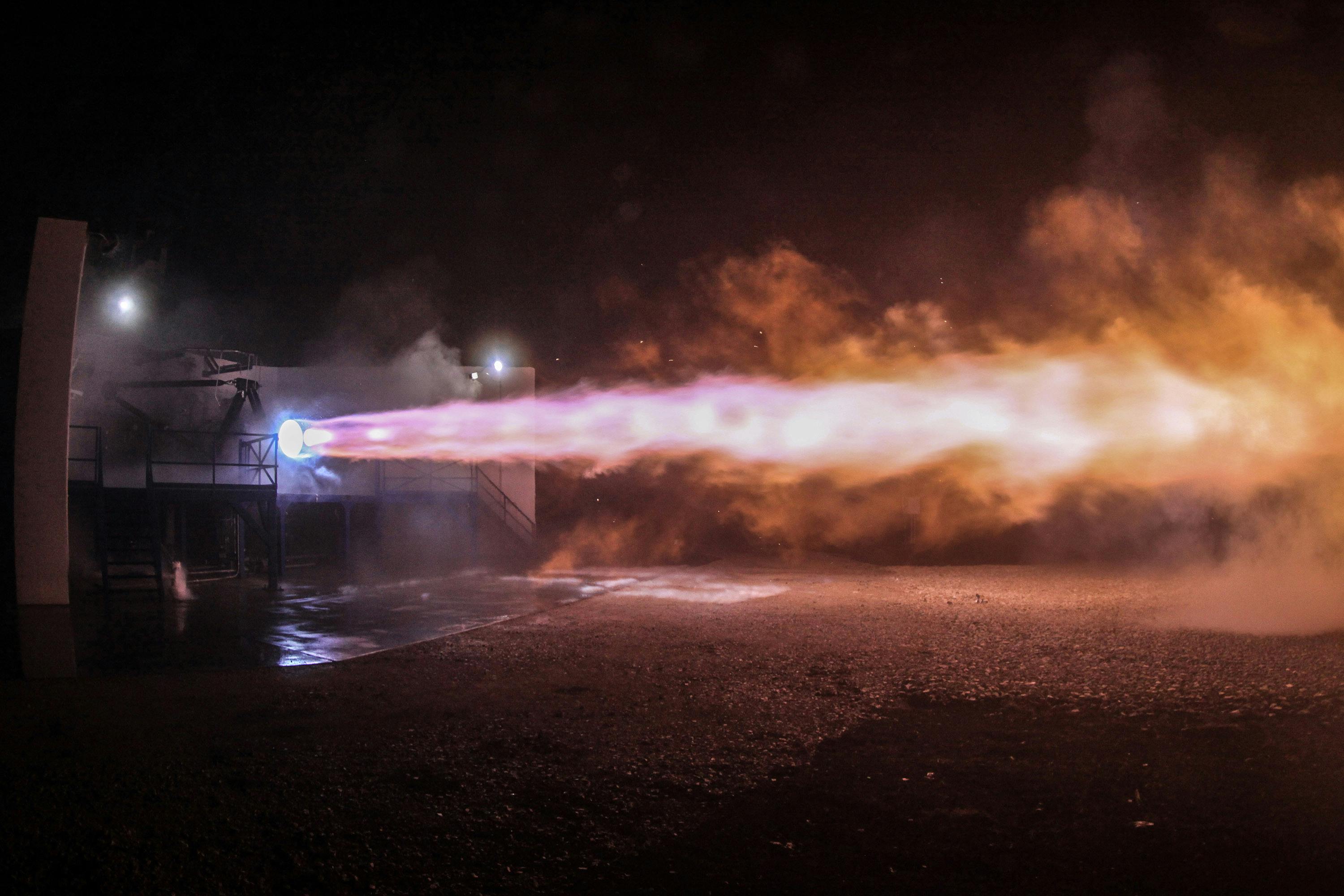
SpaceX prepares for another Starlink launch today, following a successful deployment over the weekend from Florida's Space Coast.
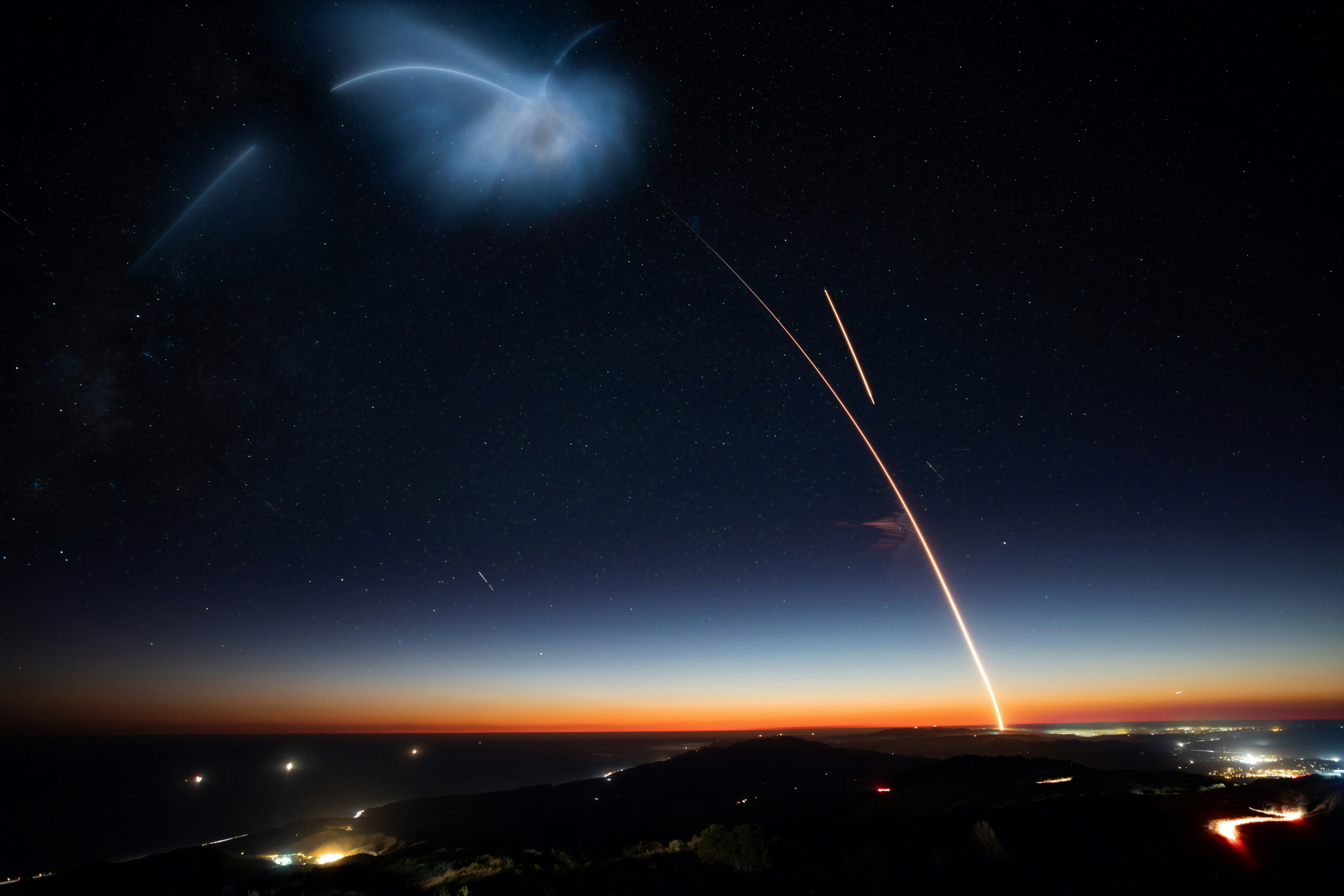
In a landmark achievement, SpaceX celebrated its 500th Falcon 9 launch by deploying 27 Starlink satellites while simultaneously advancing its reuse strategy with record-breaking milestones.

Thirty-five years ago, Voyager 1 captured a revolutionary series of images from the edge of our solar system, forever changing how humanity sees its place in the cosmos