

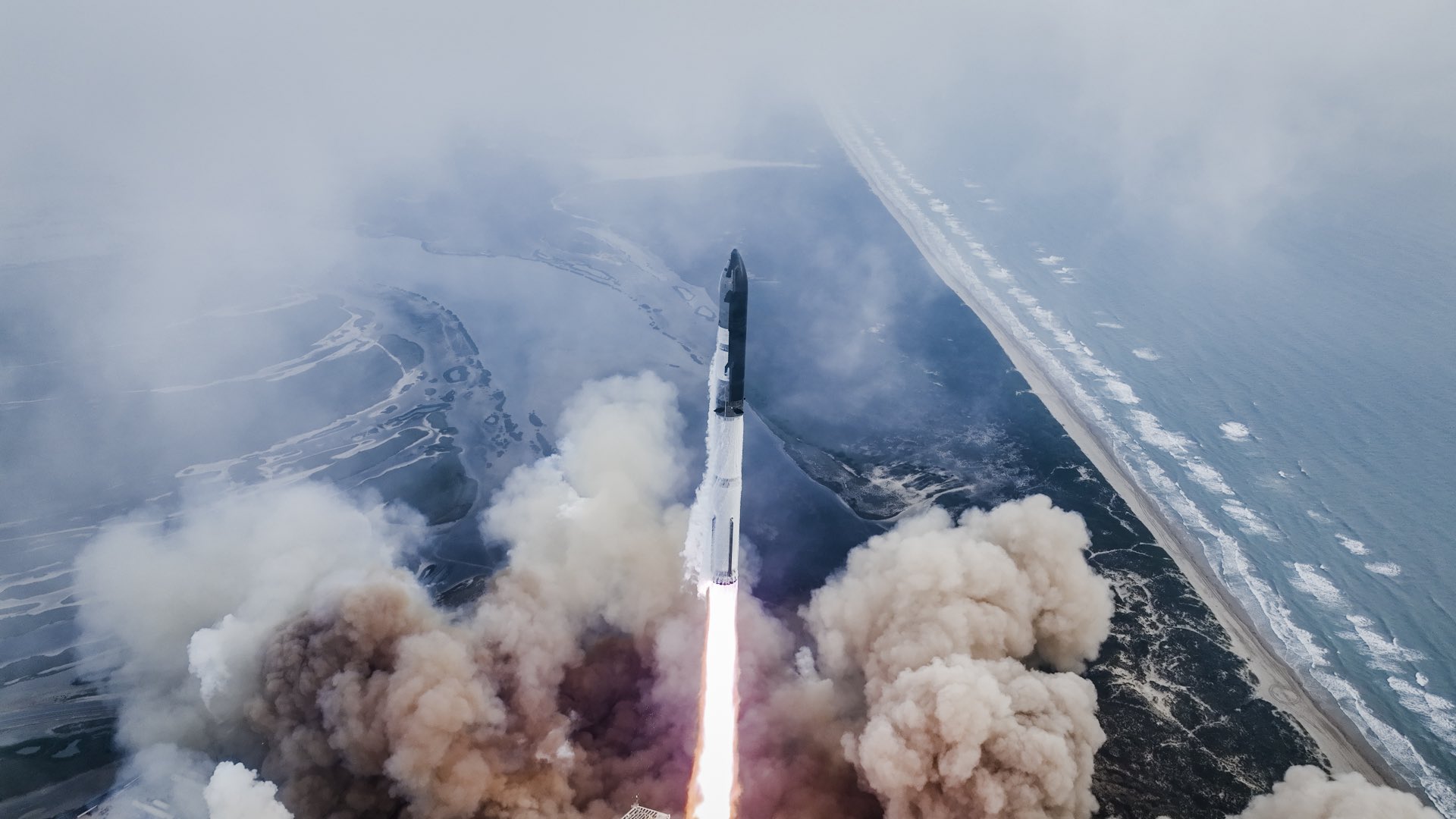
Space Brief 14 May 2025
Today's edition covers China's latest launches in their classified satellite programs, ongoing discussions in the U.S. Senate on missile defense, and the ever-escalating space debris crisis threatening national security.


Launch Date
November 14, 1973
Launch Site
Launch Pad
LC1
Launch Vehicle
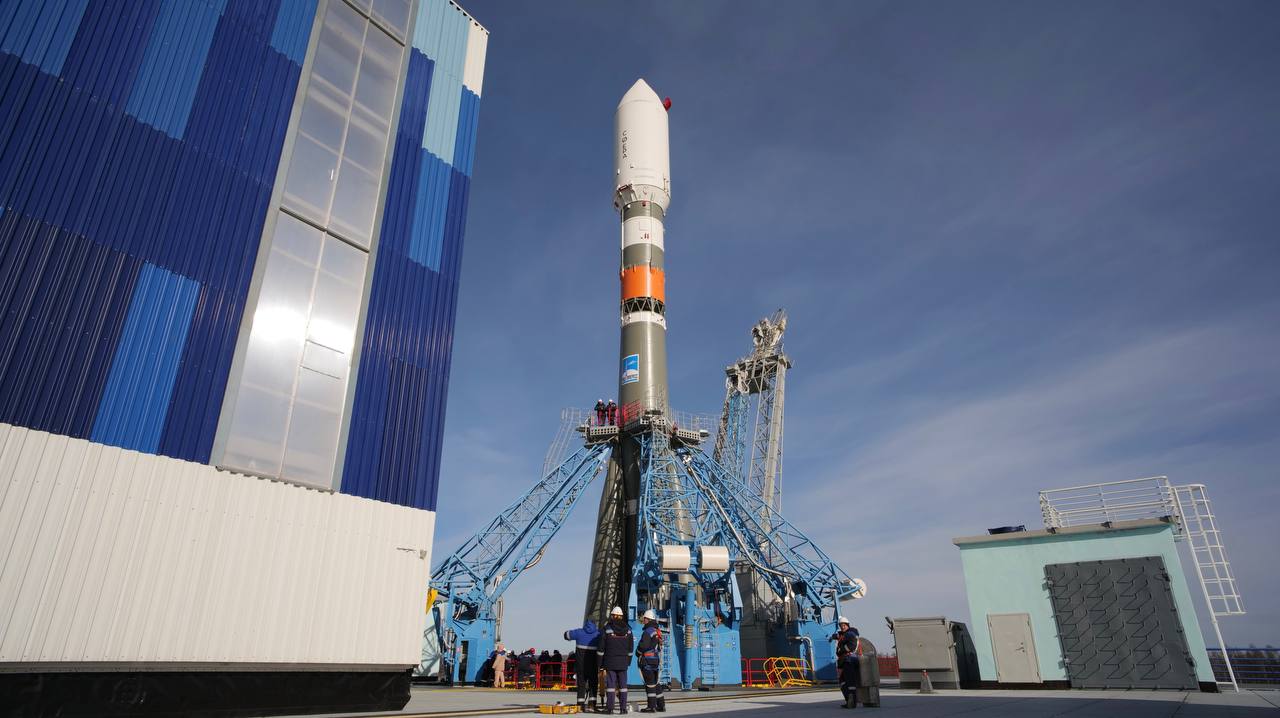
Molniya 8K78M
NORAD ID
06935
International Designator
1973-089D
Decay Date
1/26/1974
Name
SL-6 PLAT
Alternative Name
BOZ
Type
Status
Owner
RVSN
Country
USSR
Constellation
N/A
Related Satellites
Major Events
N/A
Length
1
Diameter
2.3
Span
1
Dry Mass
328
Launch Mass
328
Shape
Cyl
Radar Cross Section
Unknown
Visual Magnitude
Unknown
Color
Unknown
Material Composition
Unknown
Payload
BOZ
Purpose
Unknown
Mission
Unknown
Manufacturer
TSKBEM
Life Expectancy
Unknown
Bus
BOZ
Configuration
Unknown
Motor
Unknown
Equipment
Unknown
Power System
Unknown
ADCS
Unknown
Transmitter Frequency
Unknown
Learn more about satellites and other related topics.
Today's edition covers China's latest launches in their classified satellite programs, ongoing discussions in the U.S. Senate on missile defense, and the ever-escalating space debris crisis threatening national security.

Congress passes FY2026 spending bill reinstating NASA funding. Slingshot Aerospace wins $27M Space Force contract for AI satellite training. Portal Space selects Atomic-6 debris shield for 2026 mission.
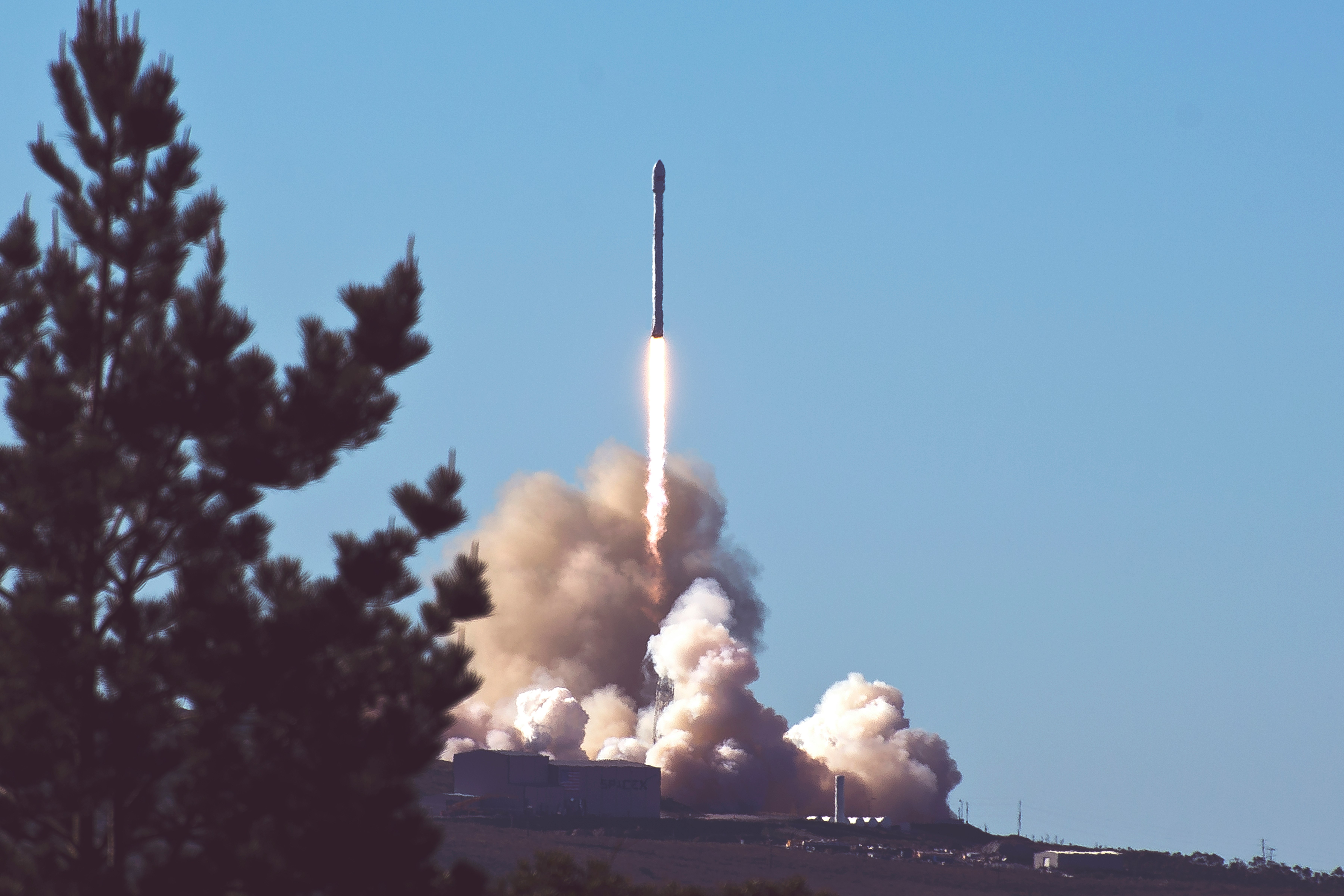
SpaceX launches Starlink satellites successfully, while Starbase inches closer to city status and business discussions intensify.

SpaceX launches NROL-105 spy satellite from Vandenberg — first national security mission of 2026. Crew-11 astronauts arrive in Houston after historic first-ever ISS medical evacuation.
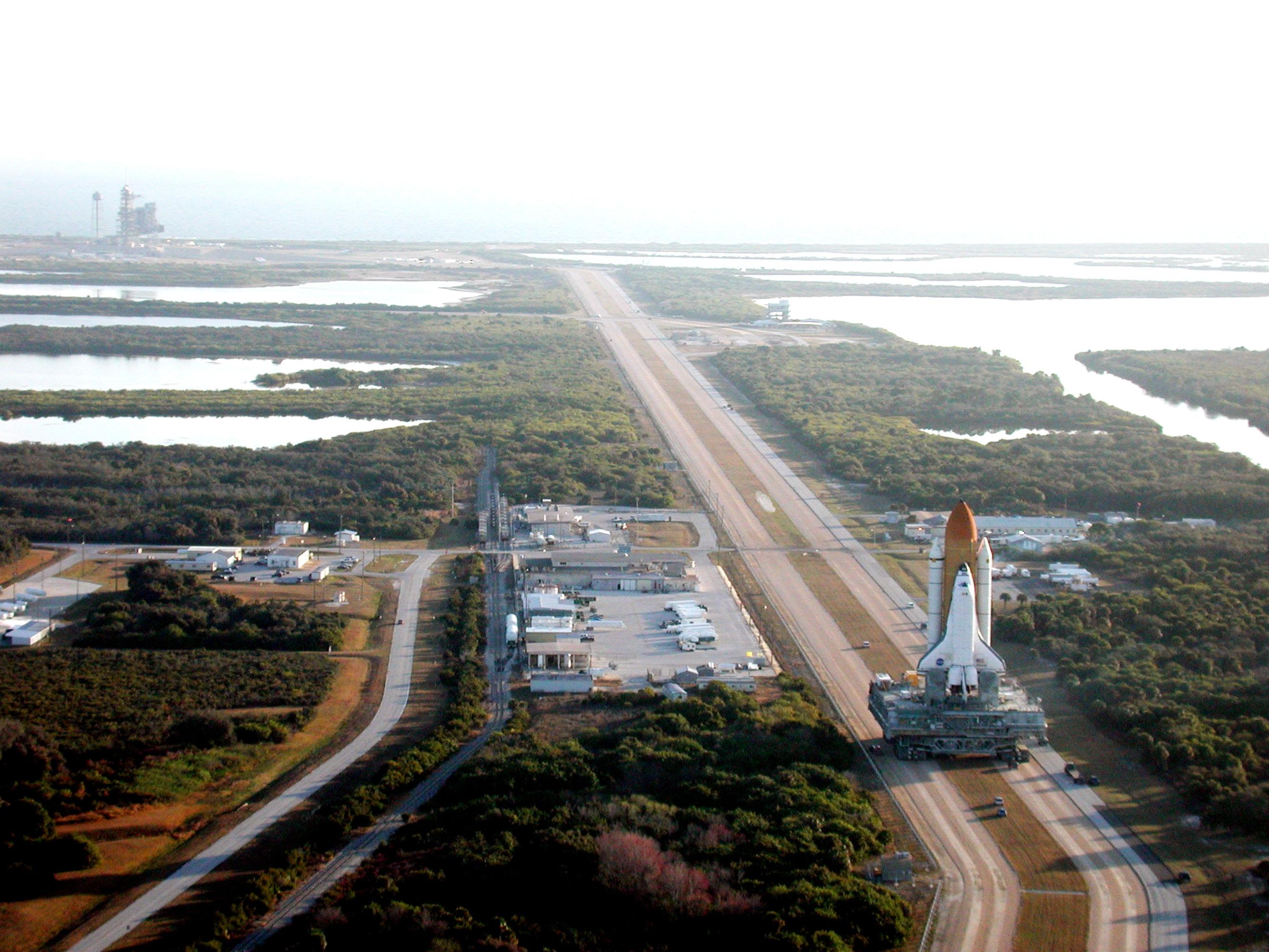
Twenty-four years ago, two spacewalking astronauts battled an ammonia leak while installing the U.S. Laboratory module Destiny, transforming the International Space Station from a construction site to a world-class research facility
Today's brief covers influential space events including Space Force's interest in Starship, U.S. military constellation advancements, and technological developments in counter-drone capabilities.

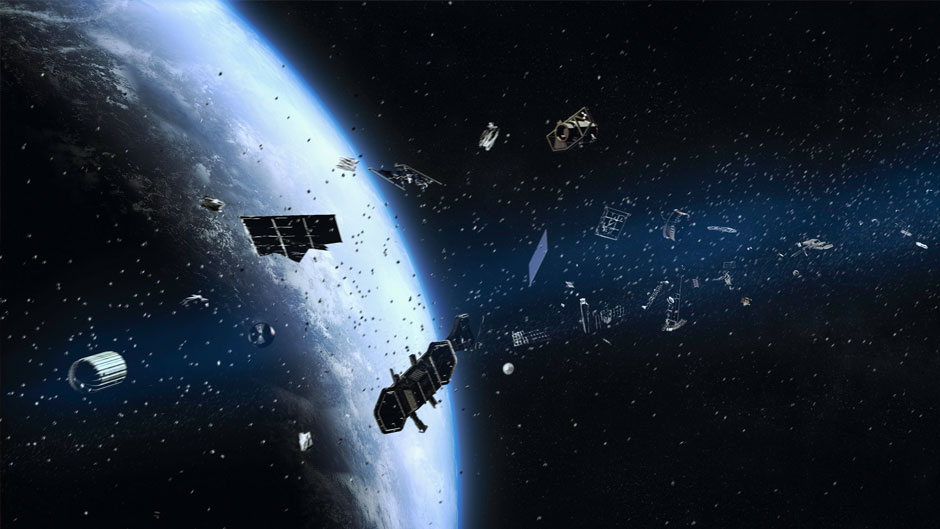
The Kessler Syndrome threatens humanity's future in space as cascading satellite collisions create exponential debris growth. With 36,000+ tracked objects and recent incidents accelerating risks, we face a critical juncture: implement solutions now or potentially lose access to low Earth orbit forever.

SpaceX secures FCC nod for Starlink's direct-to-phone connectivity, lands NASA's Dragonfly mission, and sees new competition with the ZhuQue-2E launch.