


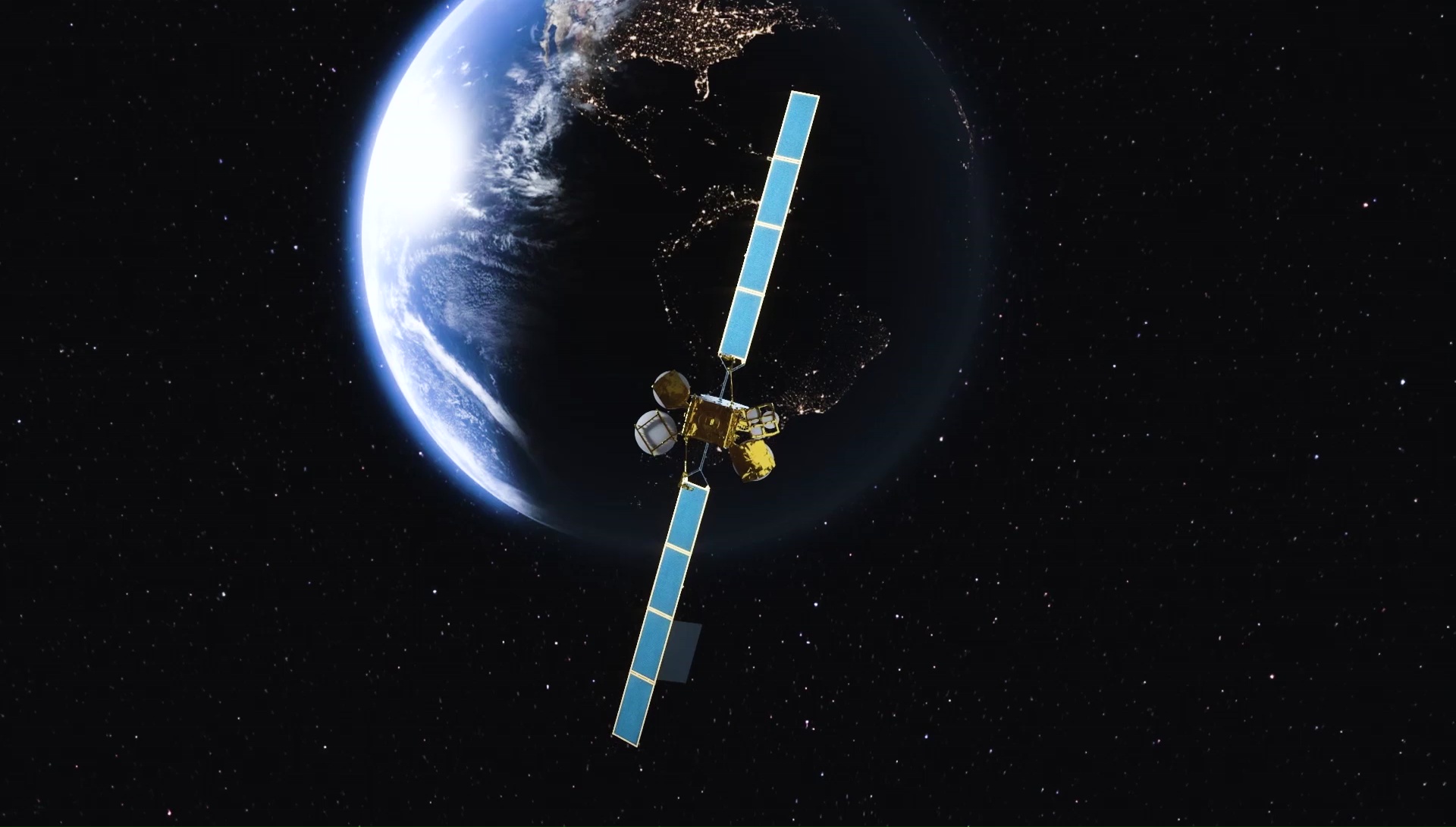
EUTELSAT 172B
Europe's first high-power all-electric telecom satellite doesn't just sit above the Pacific - it got there on robotic arms and plasma thrusters, broke records doing it, and now keeps your airplane Wi-Fi running between LA and Tokyo.


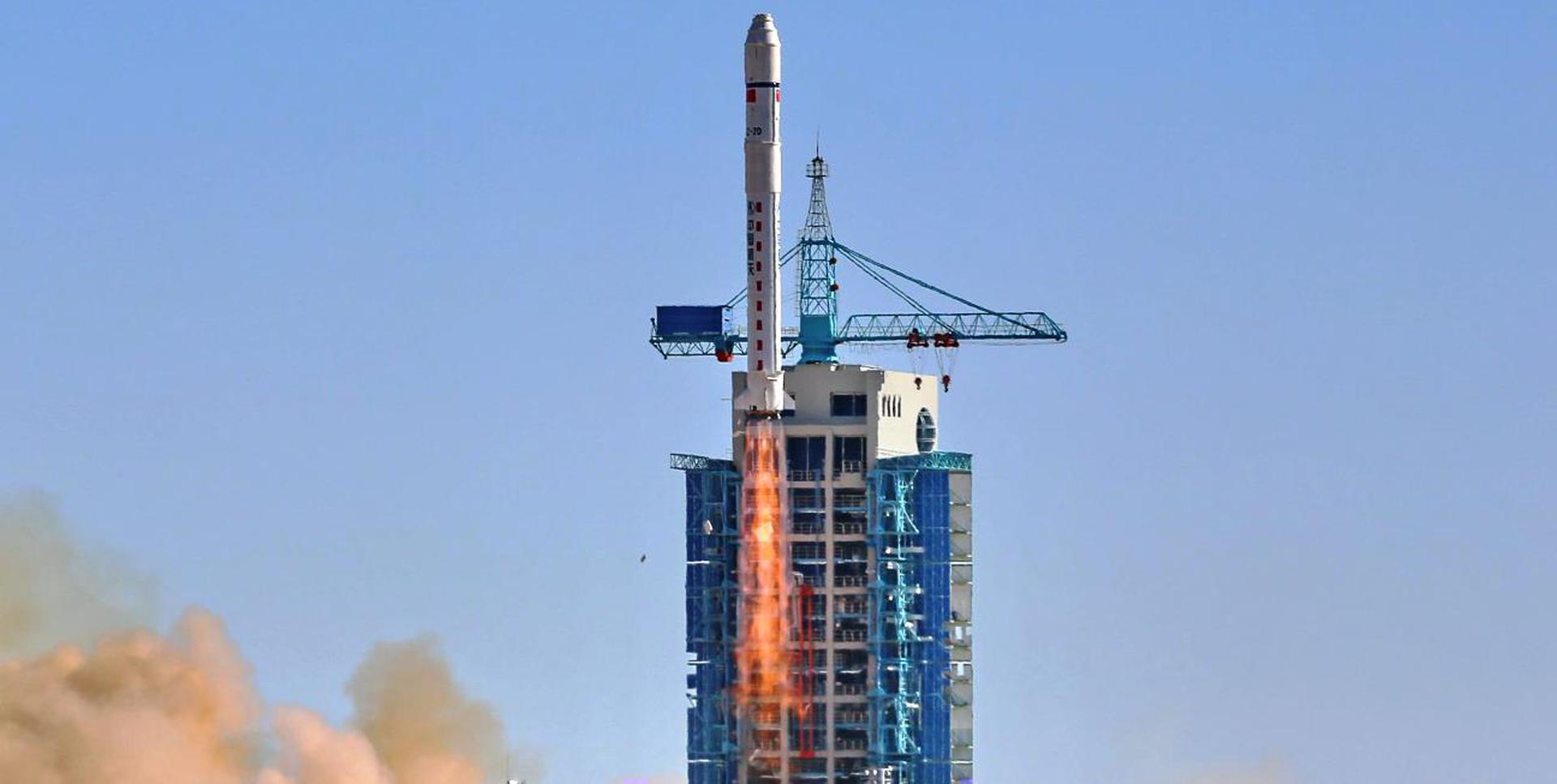
Launch Date
May 30, 2026
Launch Site
XSC
Launch Pad
LC3
Launch Vehicle
Chang Zheng 2D
NORAD ID
69321
International Designator
2026-120B
Epoch
Sun, 19 Jul 2026 11:32:05 GMT
Apogee
Calculating...
Perigee
Calculating...
Inclination
55.00°
Right Ascension
242.28°
Eccentricity
Calculating...
Argument of Perigee
45.82°
Period
93.56 min
Mean Motion
15.39 rev/day
Latitude
Calculating...
Longitude
Calculating...
Altitude
Calculating...
Velocity
Calculating...
Name
OBJECT B
Alternative Name
N/A
Type
Status
Owner
ZXW
Country
China
Constellation
N/A
Related Satellites
Major Events
N/A
1 69321U 26120B 26200.48061897 .00005135 00000+0 13991-3 0 9994
2 69321 54.9958 242.2798 0014611 45.8200 314.4026 15.39192045 7667
Source: Celestrak
Apologies, there is no summary for this satellite yet. I am working to generate these for every object in the catalog, but it is going to take time.
Length
2.5
Diameter
0.8
Span
2.5
Dry Mass
300
Launch Mass
300
Shape
Box + 2 Pan
Radar Cross Section
Unknown
Visual Magnitude
Unknown
Color
Unknown
Material Composition
Unknown
Payload
WHJSW-10-02
Purpose
Unknown
Mission
Unknown
Manufacturer
CASIC
Life Expectancy
Unknown
Bus
Unknown
Configuration
Unknown
Motor
Unknown
Equipment
Unknown
Power System
Unknown
ADCS
Unknown
Transmitter Frequency
Unknown
Learn more about satellites and other related topics.
Europe's first high-power all-electric telecom satellite doesn't just sit above the Pacific - it got there on robotic arms and plasma thrusters, broke records doing it, and now keeps your airplane Wi-Fi running between LA and Tokyo.

On May 4, 1989, Space Shuttle Atlantis lifted off from LC-39B carrying Magellan, NASA's first interplanetary mission since 1978. The eleven-year drought ended in a payload bay, and the radar that emerged would map ninety-eight percent of Venus through clouds that no camera could ever see through.

Today's brief covers SpaceX's secretive military launch, advancements in nuclear fusion, and groundbreaking observations of dying stars and supernovae.
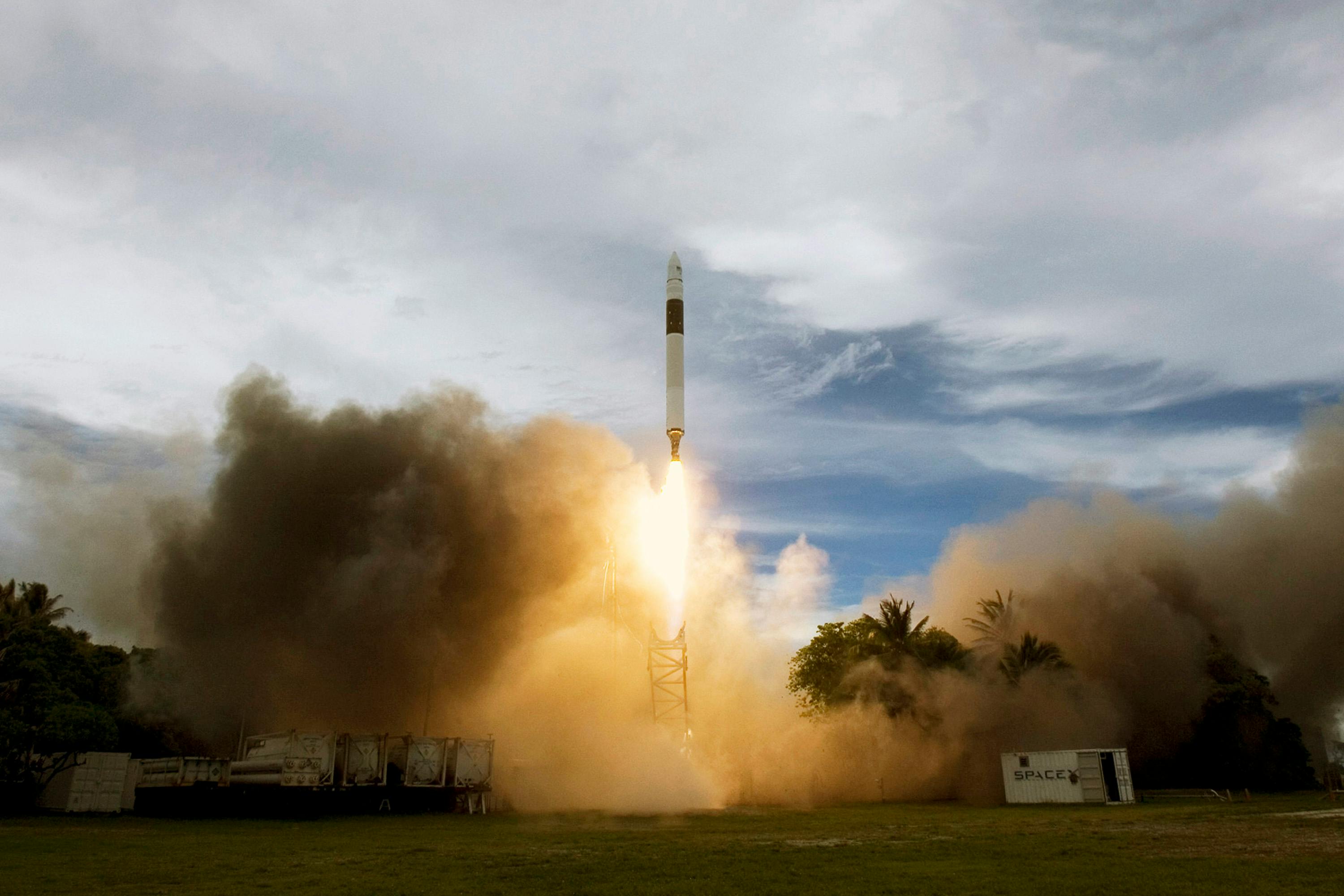
A Falcon 9 lifted off from SLC-40 at 6:50 a.m. EDT carrying Starlink satellites and Besxar Space Industries semiconductor test pods.
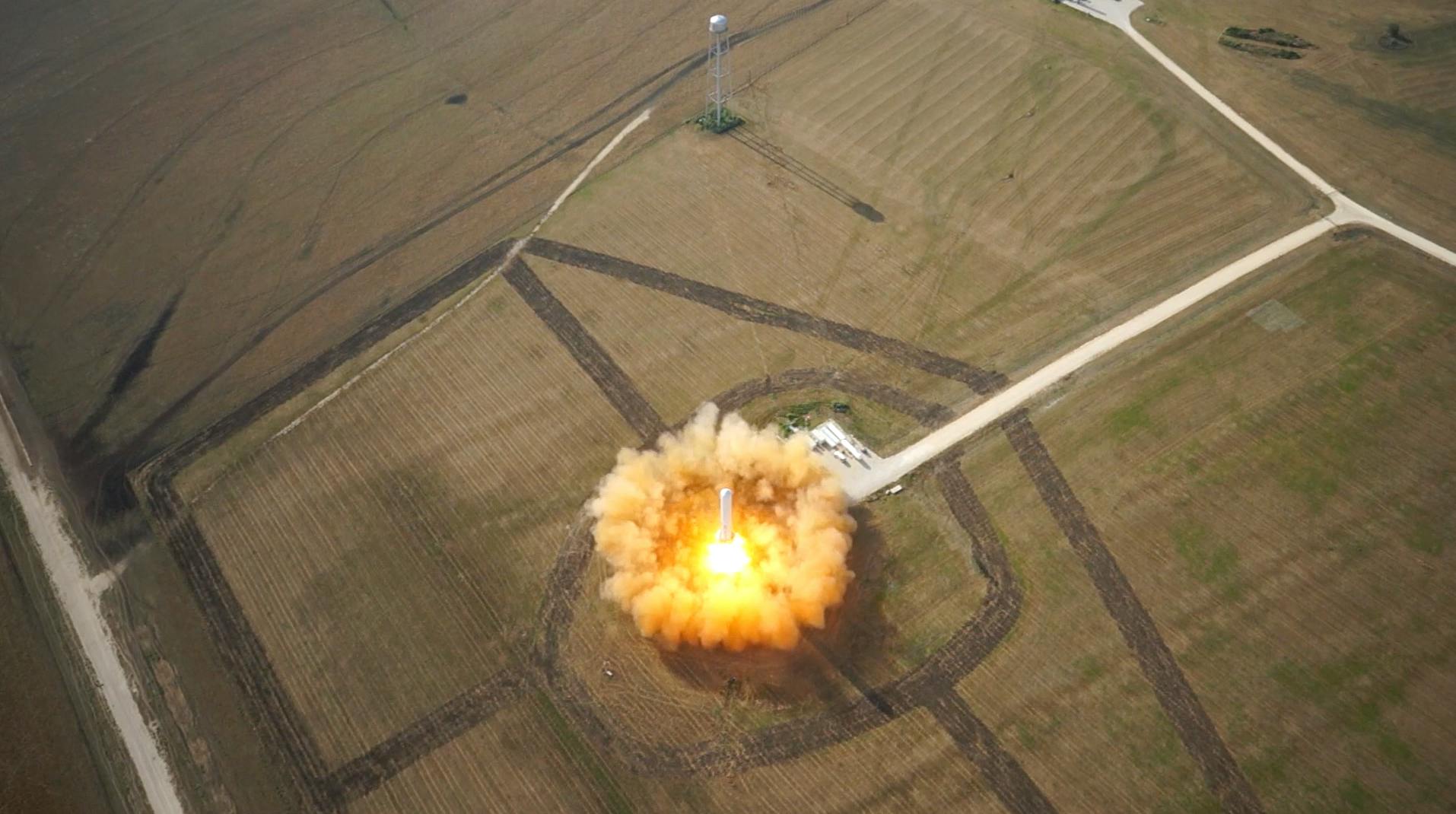
US labor board drops oversight case against SpaceX. Booster 19 completes cryogenic testing at upgraded Massey's. SpaceX IPO expected to reshape space investment landscape.

Today's briefing covers the Space Force's AI integration, new naming conventions for satellites, and updates on military and satellite acquisition strategies.
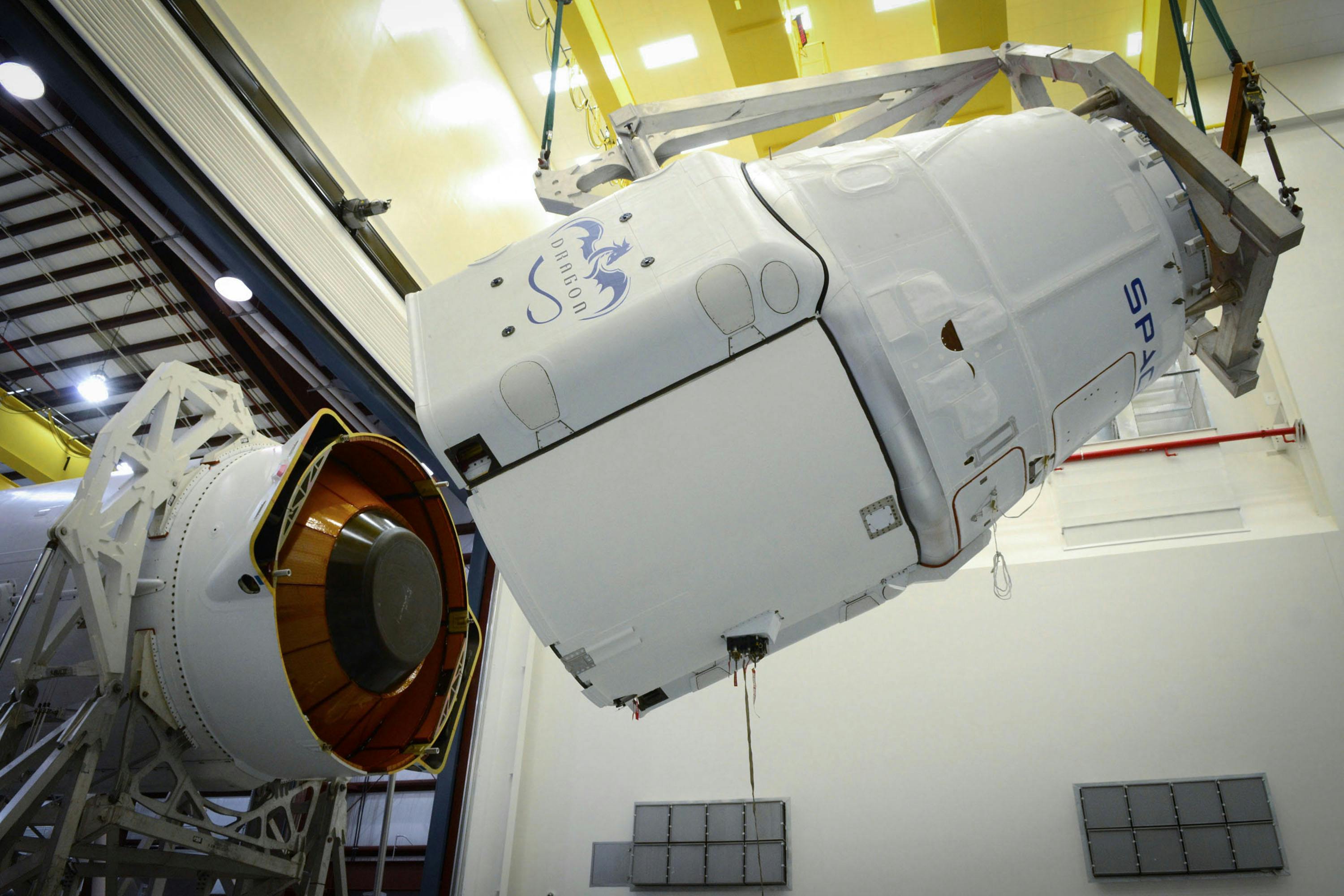
SpaceX successfully launched the Transporter-15 rideshare mission, deploying 140 payloads including significant international contributions. Meanwhile, the company progresses with Booster 19 stacking after the recent Booster 18 anomaly.
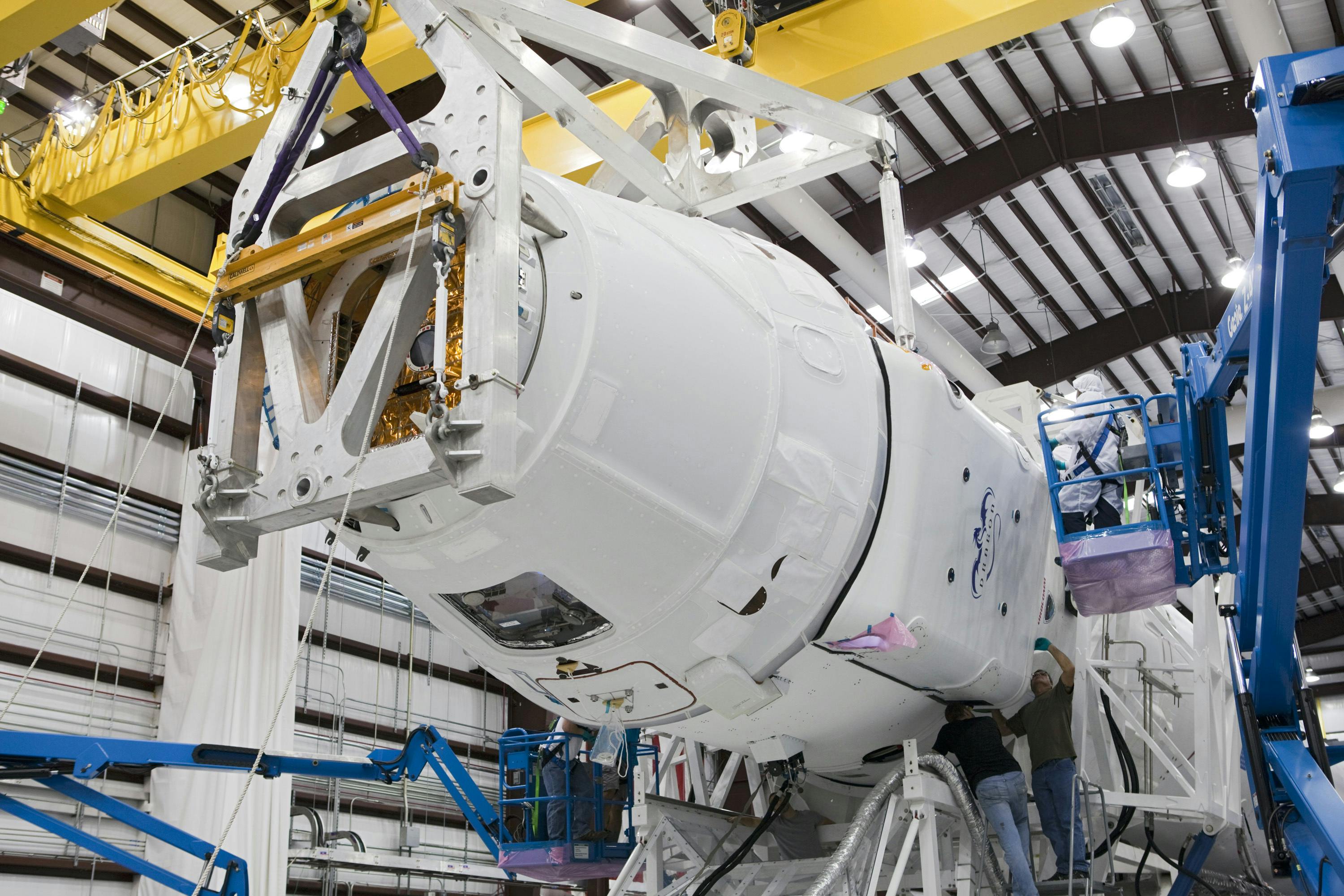
Elon Musk denies Starlink price reductions are driven by Amazon Kuiper competition. SpaceX launches 29 Starlink satellites in 18th constellation mission of 2026. Five more coming this week.