


Space Brief 18 Sep 2025
Today's coverage includes China's recent satellite launch, the Space Force's challenges with current tracking capabilities, and advancements in nuclear propulsion from Ohio State.



Launch Date
May 25, 2026
Launch Site
Launch Pad
LC40
Launch Vehicle
NORAD ID
69185
International Designator
2026-114D
Epoch
Sun, 19 Jul 2026 23:27:32 GMT
Apogee
Calculating...
Perigee
Calculating...
Inclination
53.16°
Right Ascension
46.28°
Eccentricity
Calculating...
Argument of Perigee
72.02°
Period
93.85 min
Mean Motion
15.34 rev/day
Latitude
Calculating...
Longitude
Calculating...
Altitude
Calculating...
Velocity
Calculating...
Name
STARLINK-37237
Alternative Name
N/A
Type
Status
Owner
SPXS
Country
United States
Constellation
N/A
Related Satellites
Major Events
N/A
1 69185U 26114D 26200.97746101 -.00002223 00000+0 -54713-4 0 9992
2 69185 53.1601 46.2803 0001278 72.0175 288.0967 15.34386207 9840
Source: Celestrak
Length
0.3
Diameter
4.1
Span
29.0
Dry Mass
530
Launch Mass
575
Shape
Box + pan
Radar Cross Section
Unknown
Visual Magnitude
Unknown
Color
Unknown
Material Composition
Unknown
Payload
Starlink Group 10-47-04
Purpose
Unknown
Mission
Unknown
Manufacturer
SPXS
Life Expectancy
Unknown
Bus
Starlink V2MO
Configuration
Unknown
Motor
Unknown
Equipment
Unknown
Power System
Unknown
ADCS
Unknown
Transmitter Frequency
Unknown
Learn more about satellites and other related topics.
Today's coverage includes China's recent satellite launch, the Space Force's challenges with current tracking capabilities, and advancements in nuclear propulsion from Ohio State.
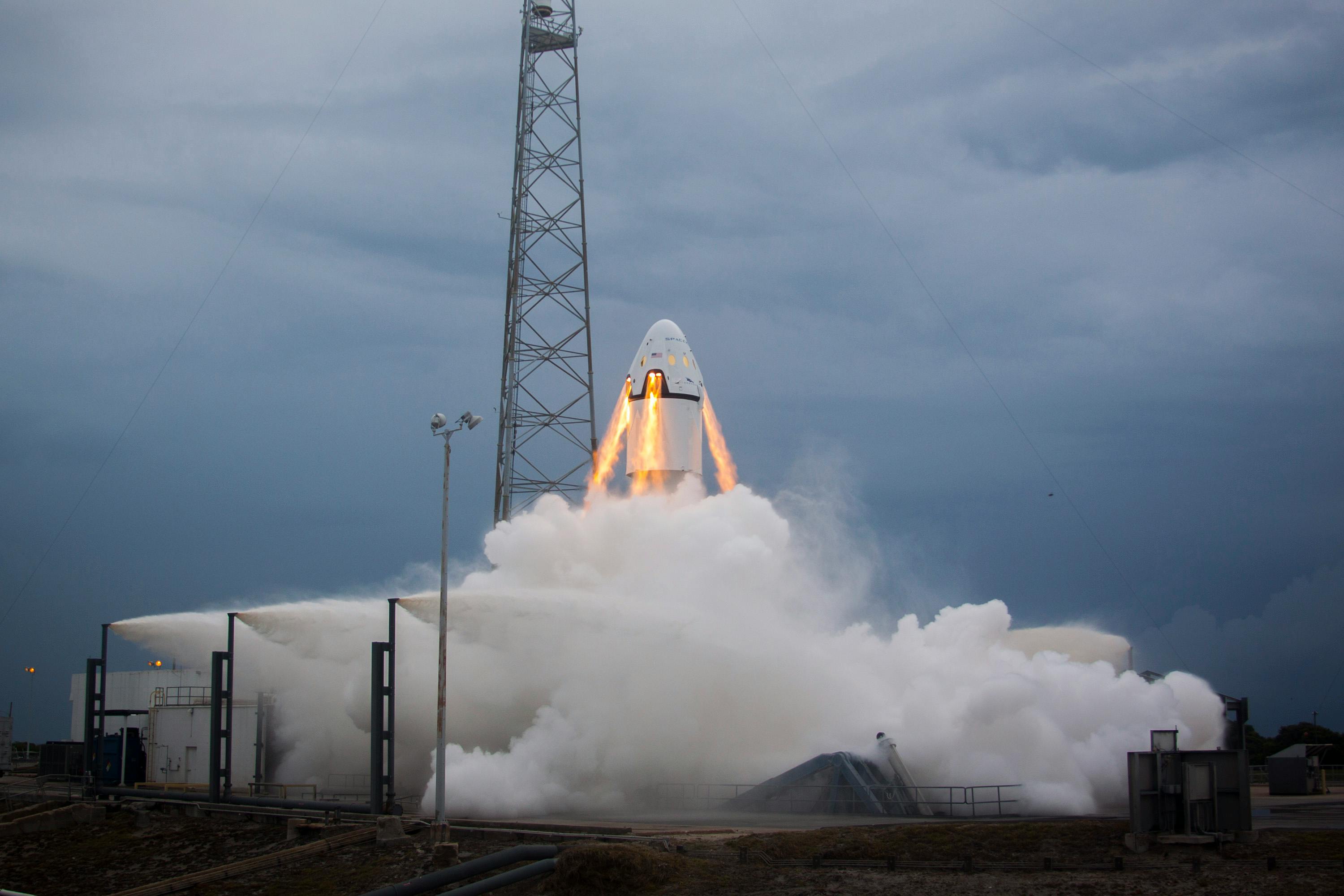
SpaceX continues strong momentum in June with successful satellite launches, a new service from Telstra, and updates on upcoming missions. Key developments are shaping the future of both space travel and satellite communications.

SpaceX gears up for significant upcoming launches while Starlink makes an impactful difference in disaster recovery efforts. Meanwhile, ESA and Avio reveal plans for competitive advancements in reusable rocket technology.
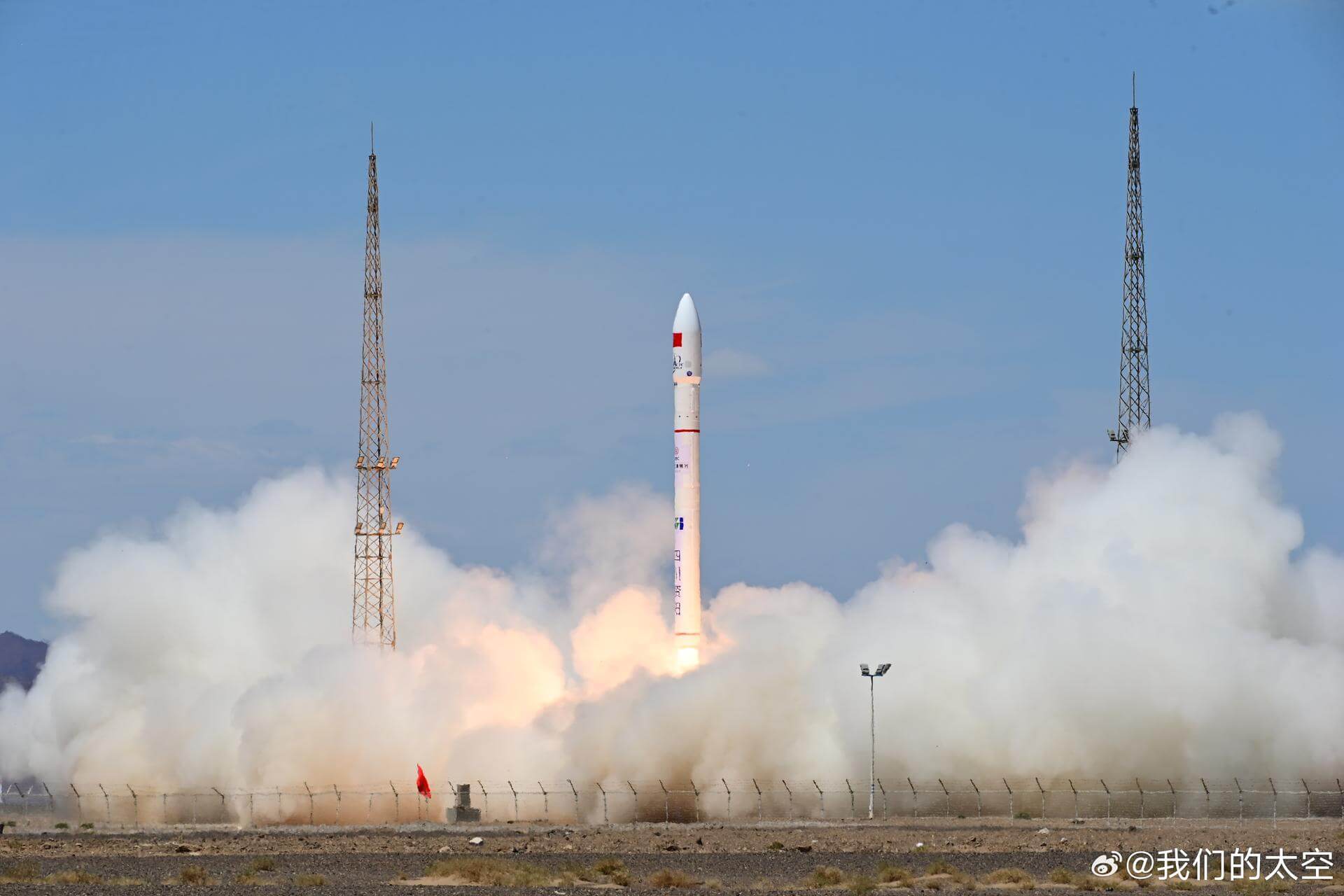
Today's brief covers a historic milestone for China's space program, the decoding of a simulated alien signal, innovative solutions to address satellite air pollution, and industry shifts driven by major investments and contracts.

SpaceX successfully launched the NROL-48 mission, growing the National Reconnaissance Office's satellite fleet. Additionally, NASA introduced ten new astronaut candidates, increasing female representation in its ranks.
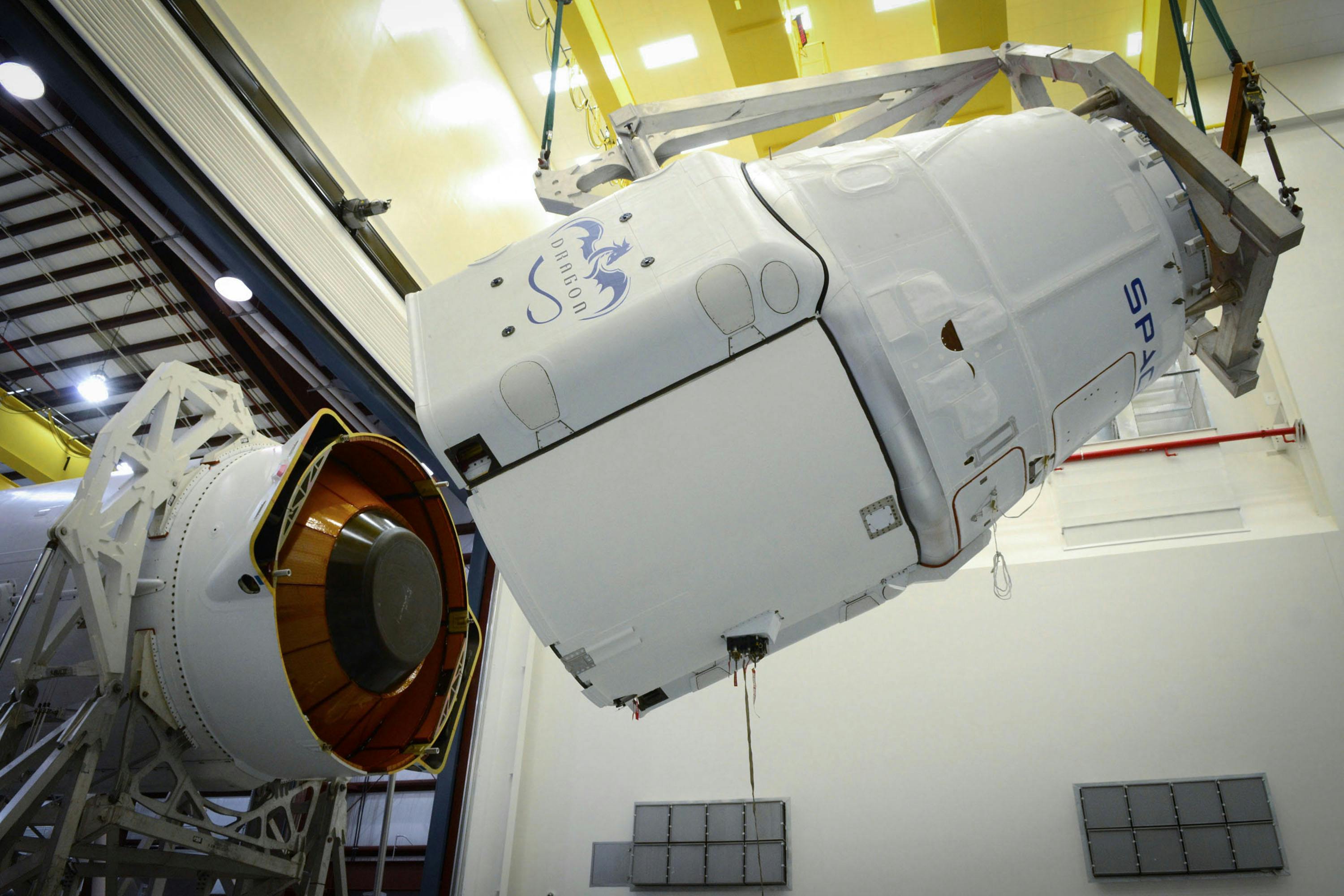
SpaceX advances with Starship, gains FCC approval for new services, and predicts a future shift in spacecraft dominance.

Starship Flight 13 launches first Starlink V3 satellites as SpaceX nears 10,839 working satellites in orbit across the Starlink fleet.
The evolution from simply tracking objects in orbit to understanding the full strategic picture of who is doing what in space, and why