


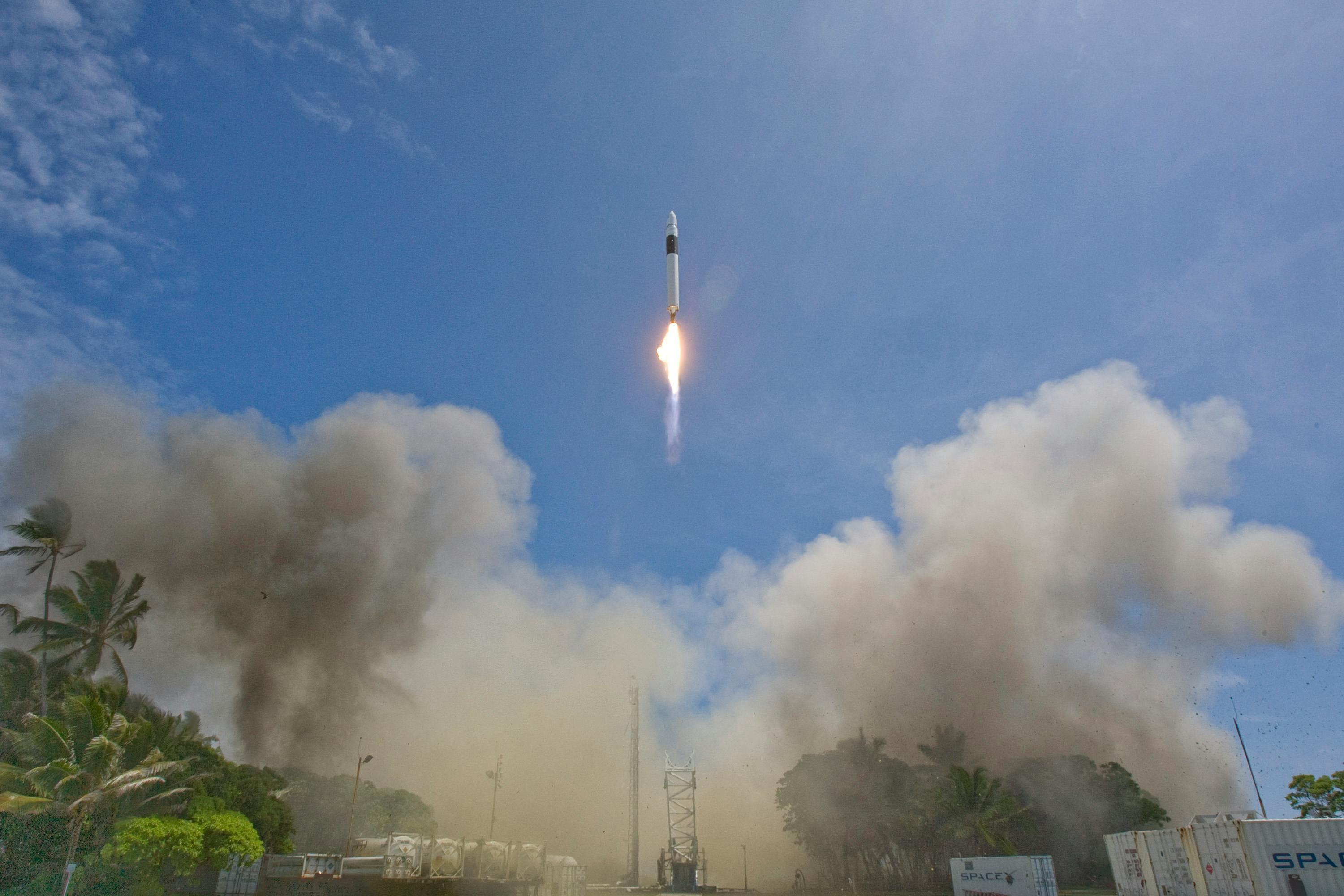
X Report 4 May 2025
Today's brief highlights the successful launch of 29 Starlink satellites, progress on the Starship fleet, and ongoing adjustments in SpaceX's launch schedules.


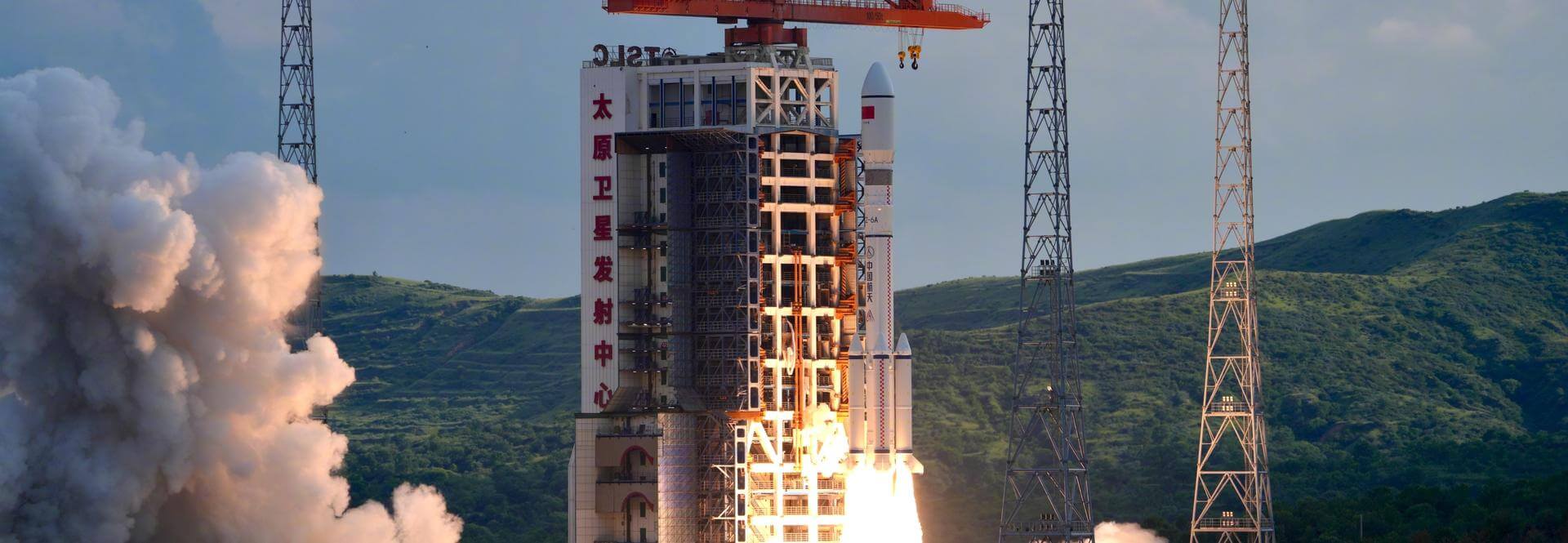
Launch Date
May 12, 2026
Launch Site
TSC
Launch Pad
LC9A
Launch Vehicle
Chang Zheng 6A
NORAD ID
69078
International Designator
2026-104F
Epoch
Sun, 19 Jul 2026 21:07:03 GMT
Apogee
Calculating...
Perigee
Calculating...
Inclination
88.99°
Right Ascension
338.18°
Eccentricity
Calculating...
Argument of Perigee
103.14°
Period
106.59 min
Mean Motion
13.51 rev/day
Latitude
Calculating...
Longitude
Calculating...
Altitude
Calculating...
Velocity
Calculating...
Name
QIANFAN-132
Alternative Name
N/A
Type
Status
Owner
YUANX
Country
China
Constellation
N/A
Related Satellites
Major Events
N/A
1 69078U 26104F 26200.87990580 .00000056 00000+0 68417-4 0 9999
2 69078 88.9900 338.1790 0001827 103.1376 256.9979 13.51021590 9548
Source: Celestrak
Apologies, there is no summary for this satellite yet. I am working to generate these for every object in the catalog, but it is going to take time.
Length
0.3
Diameter
3.0
Span
10.0
Dry Mass
267
Launch Mass
267
Shape
Box+pan
Radar Cross Section
Unknown
Visual Magnitude
Unknown
Color
Unknown
Material Composition
Unknown
Payload
Qianfan Jigui 09-06
Purpose
Unknown
Mission
Unknown
Manufacturer
SECM
Life Expectancy
Unknown
Bus
Qianfan
Configuration
Unknown
Motor
Unknown
Equipment
Unknown
Power System
Unknown
ADCS
Unknown
Transmitter Frequency
Unknown
Learn more about satellites and other related topics.
Today's brief highlights the successful launch of 29 Starlink satellites, progress on the Starship fleet, and ongoing adjustments in SpaceX's launch schedules.
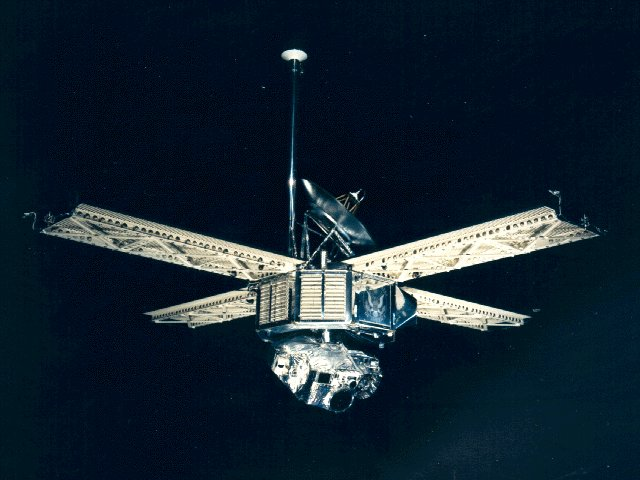
Fifty-six years ago, a revolutionary spacecraft launched toward the Red Planet after being saved from disaster by two quick-thinking technicians who risked their lives to prevent a rocket collapse

SpaceX has adapted Pad 1 for Ship Static Fire tests while addressing the recent downtime at Massey’s, showcasing its commitment to maintaining launch schedules despite setbacks.
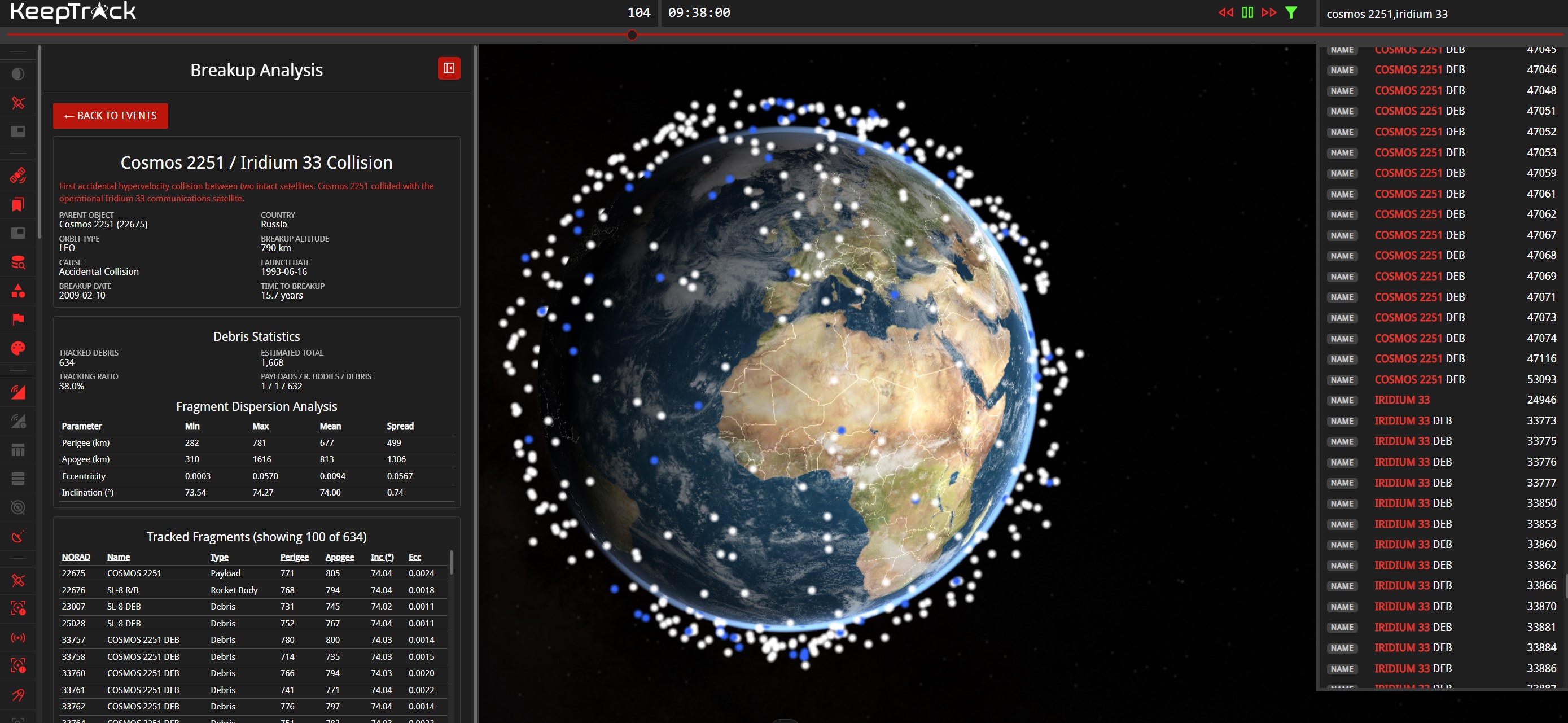
On February 10, 2009, an active Iridium communications satellite and a derelict Soviet military spacecraft slammed into each other 789 kilometers above Siberia. The collision produced more than 2,300 pieces of trackable debris that are still up there. Seventeen years later, the Iridium-Cosmos collision remains the event that made space debris a policy problem the world could no longer ignore.
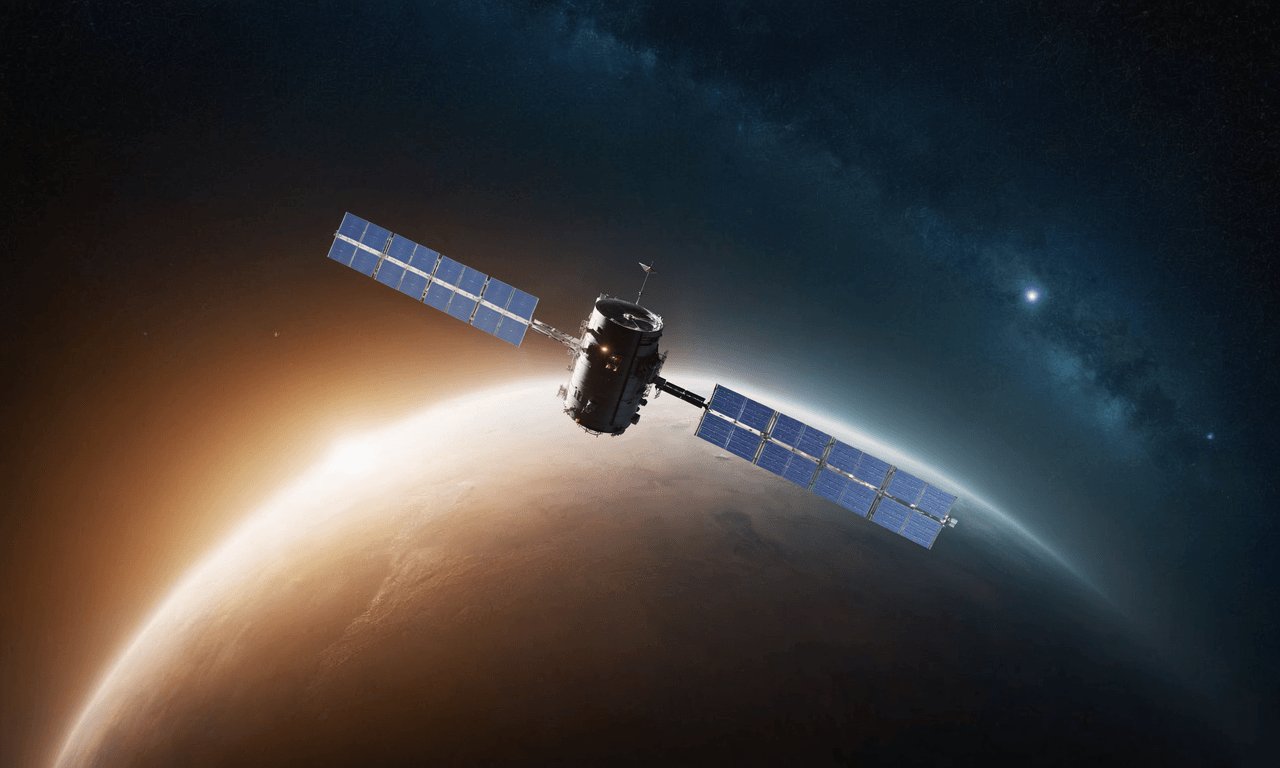
Today's brief highlights SpaceX's Starlink launch, the sale of Telesat's remote communications services, advancements in hypersonic missile tracking, and more on satellite imagery from the NGA.
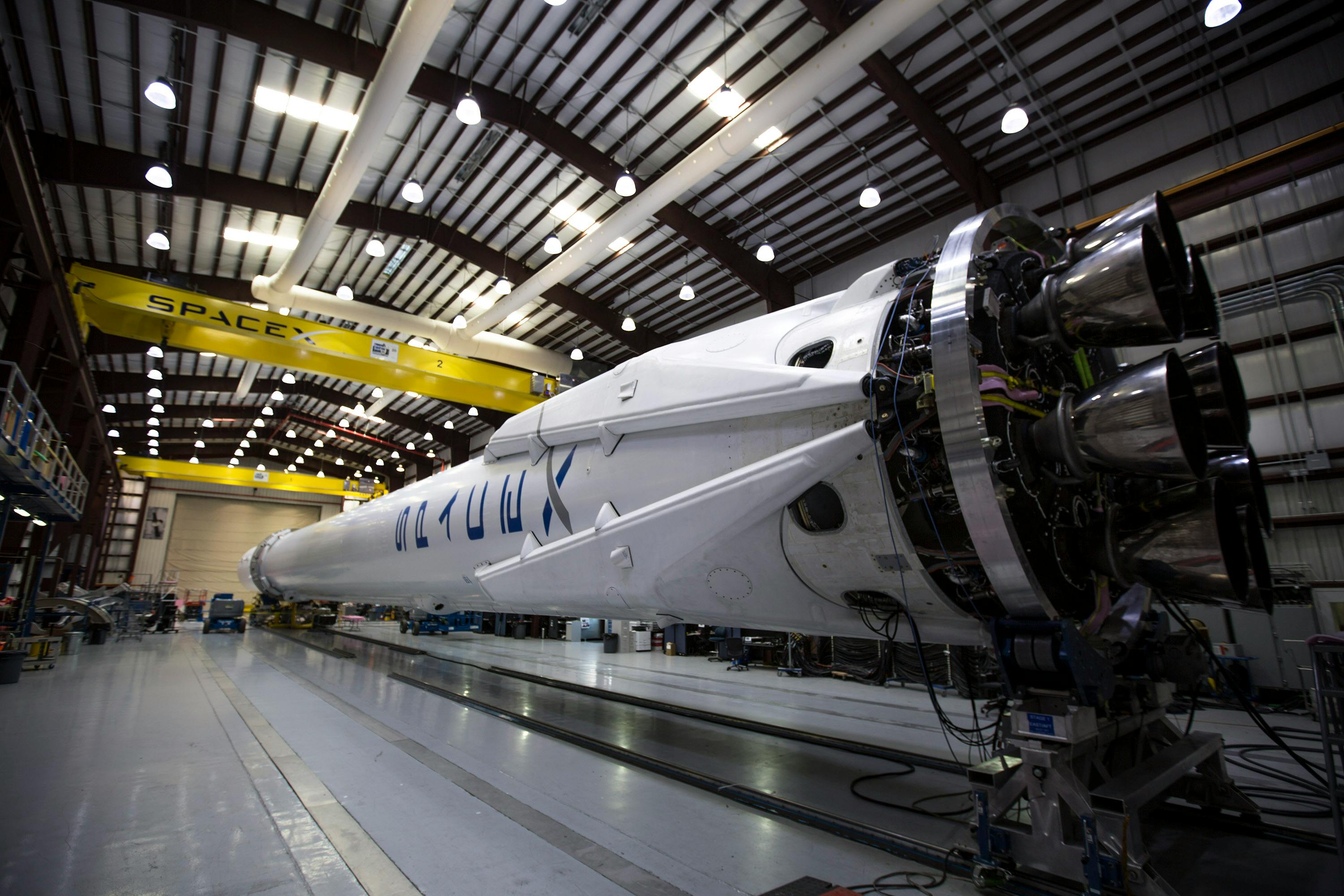
SpaceX made significant strides in satellite deployment with successful launches of 27 and 29 Starlink satellites, marking both a milestone in landings and ongoing expansion of the Starlink constellation.

Today's Space Brief covers SpaceX's recent launch for OneWeb, advances in remote-control robots for lunar missions, the power loss of Intelsat 33e, and developments in inflatable space habitats.

SpaceX successfully launched the NROL-48 mission, growing the National Reconnaissance Office's satellite fleet. Additionally, NASA introduced ten new astronaut candidates, increasing female representation in its ranks.