


Space Brief 18 Jul 2025
Today's highlights include Space Force prioritizing military missions, testing new GPS satellite software, and international defense collaborations impacting space assets.



Launch Date
October 20, 1973
Launch Site
PLMSC
Launch Pad
LC43/4
Launch Vehicle
Voskhod 11A57
NORAD ID
06905
International Designator
1973-077C
Decay Date
10/31/1973
Name
COSMOS 602 DEB
Alternative Name
Blenda
Type
Status
Owner
GUKOSR
Country
USSR
Constellation
N/A
Related Satellites
Major Events
N/A
Length
1
Diameter
0.4
Span
1
Dry Mass
25
Launch Mass
25
Shape
Box
Radar Cross Section
Unknown
Visual Magnitude
Unknown
Color
Unknown
Material Composition
Unknown
Payload
Sunshade
Purpose
Unknown
Mission
Unknown
Manufacturer
TSKBE3
Life Expectancy
Unknown
Bus
Zenit BZA
Configuration
Unknown
Motor
Unknown
Equipment
Unknown
Power System
Unknown
ADCS
Unknown
Transmitter Frequency
Unknown
Learn more about satellites and other related topics.
Today's highlights include Space Force prioritizing military missions, testing new GPS satellite software, and international defense collaborations impacting space assets.
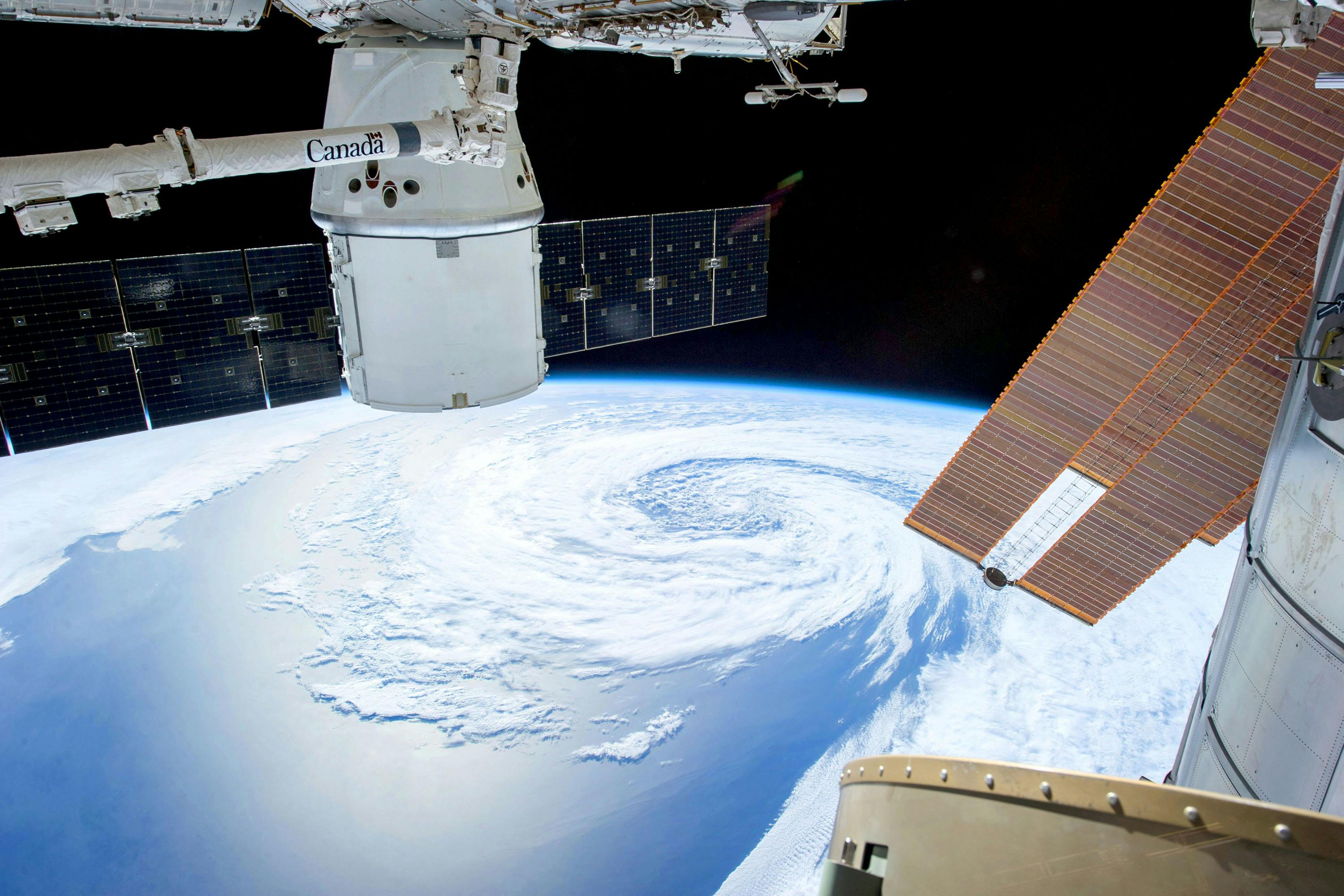
Critical updates from SpaceX include a scrubbed satellite launch and a busy launch schedule for the week, featuring multiple Falcon 9 missions.
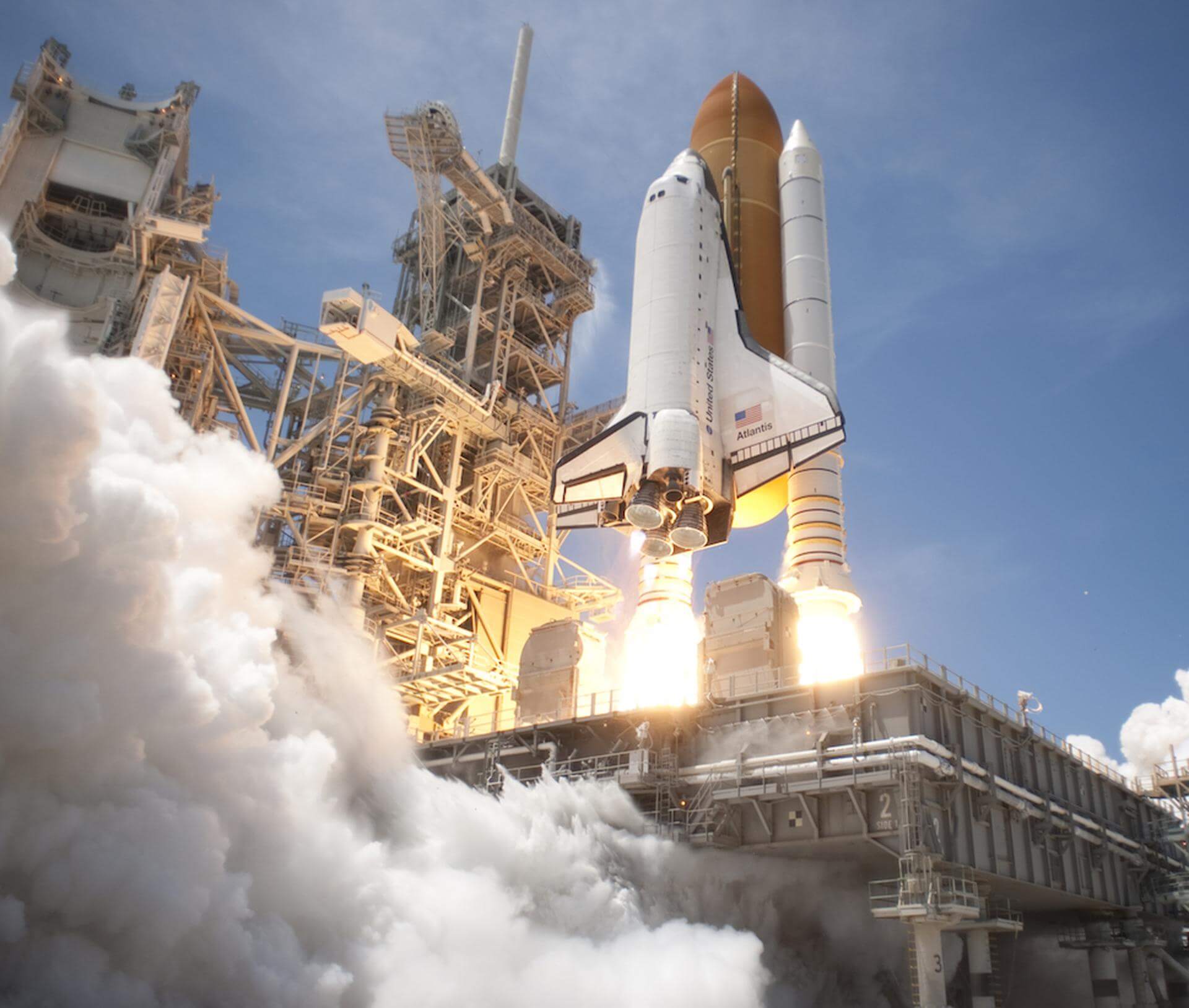
Rocket Lab to acquire Iridium's 66-satellite LEO constellation for end-to-end vertical integration. Deal includes spacecraft manufacturing, launch, and on-orbit operations control.

SpaceX secured a $60B option to acquire Cursor AI while launching its 40th Falcon 9 mission of 2026, deploying 24 more Starlink satellites from Vandenberg.
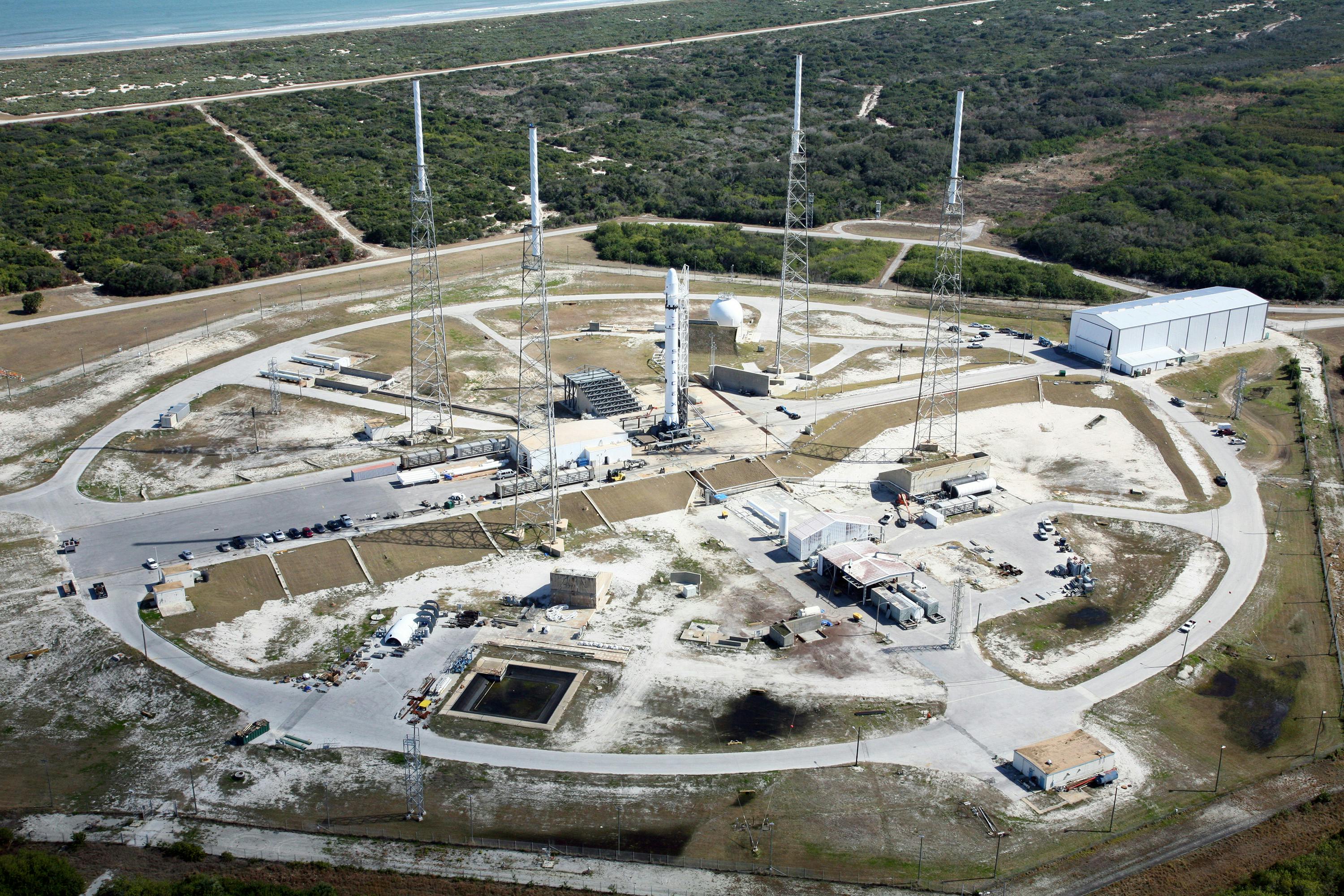
SpaceX successfully launched 29 new Starlink satellites today, further expanding its satellite internet constellation amidst growing competition in the space broadband market.
Space Force inaugurates SPACEFOR-NORTH at Peterson SFB for homeland defense. Viridian inks AFRL satellite agreement. HASC chair seeks $450B defense fund.
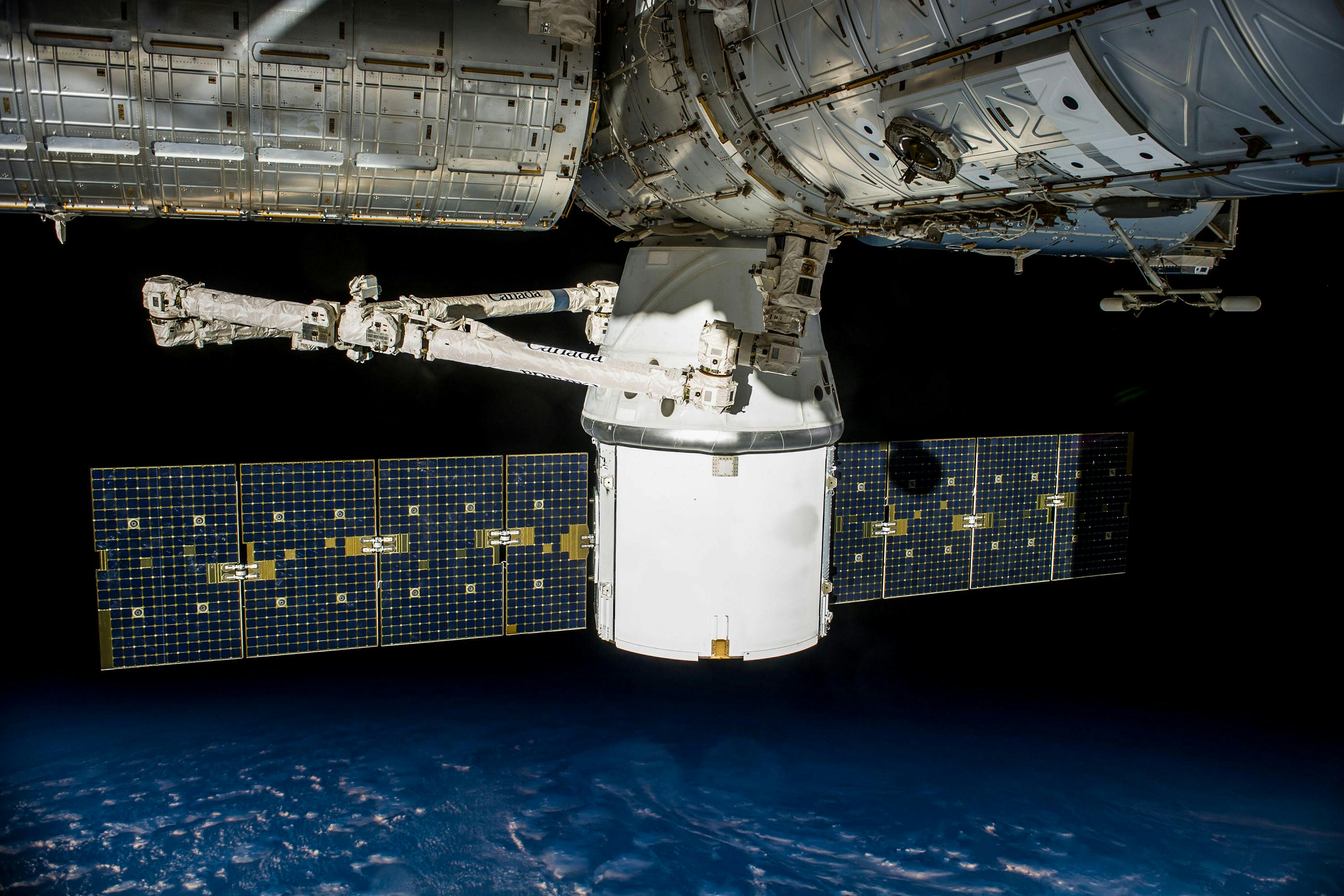
Cape Canaveral launch site activities intensify; SpaceX explores new subscription model for Trump's Golden Dome.
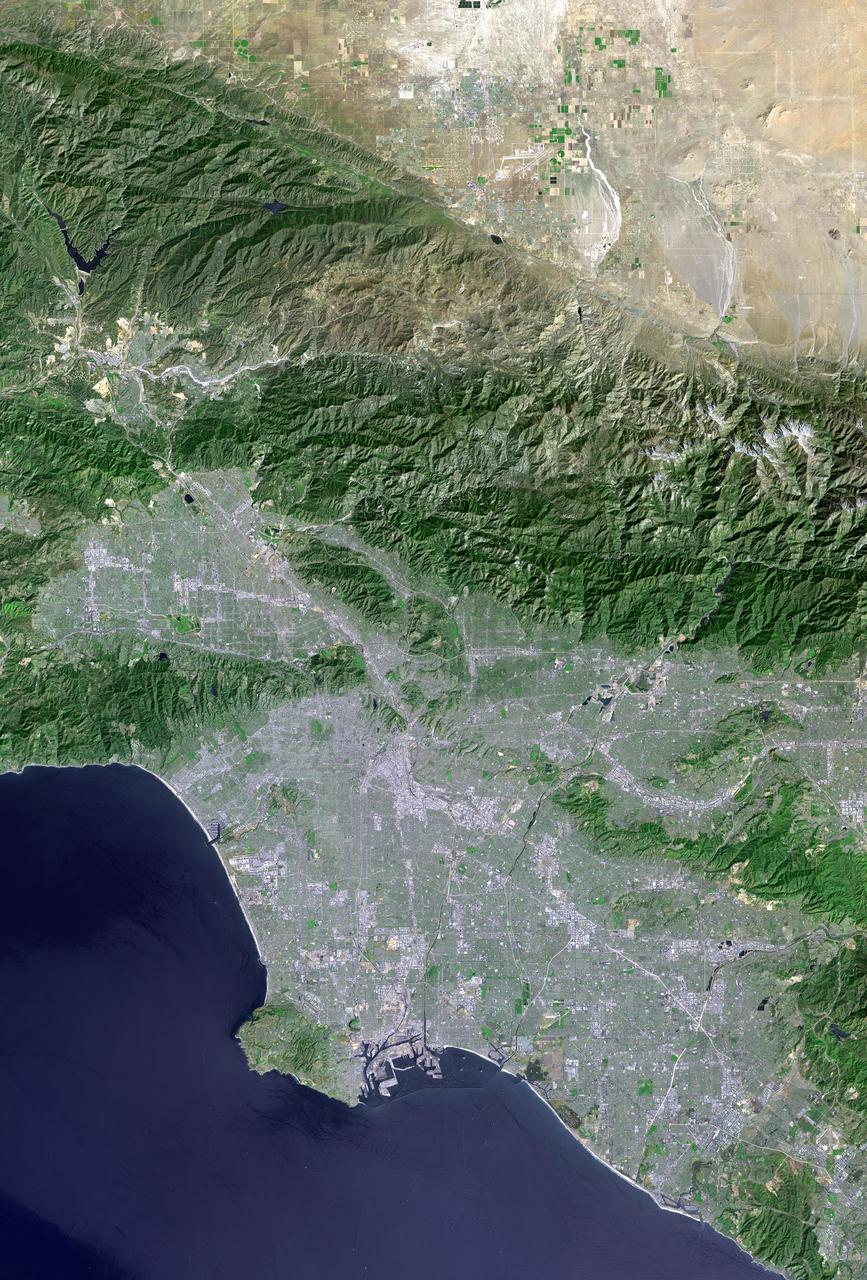
Landsat 7 launched on April 15, 1999, designed to last five years. It operated for twenty-five, survived a failure that destroyed a fifth of every image it took, and became part of the longest continuous record of Earth's surface ever assembled. Then they made the data free.