


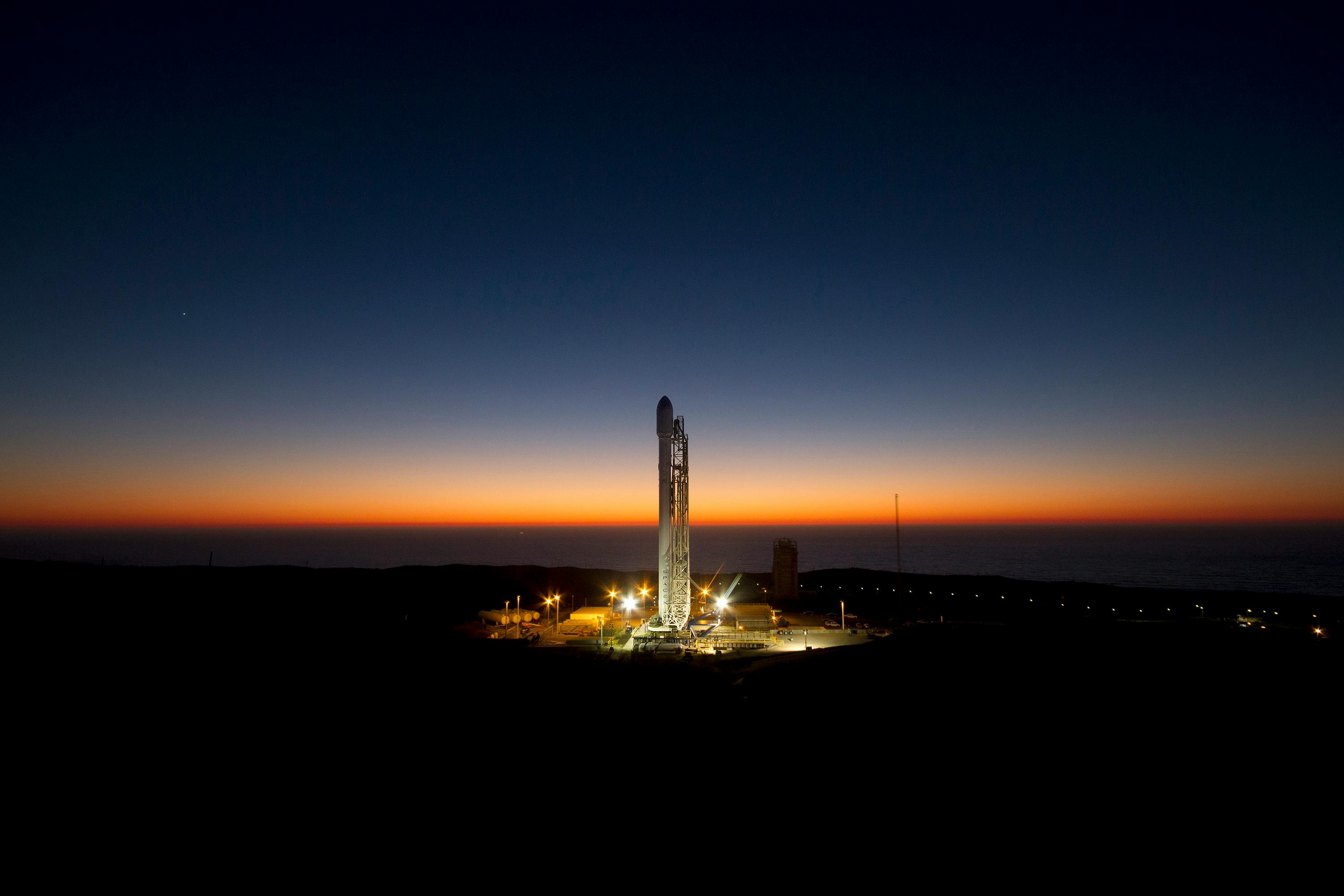
X Report 24 Mar 2025
SpaceX sets a rocket re-use record, Starlink satellites continue to proliferate, and Botswana launches its first national satellite.


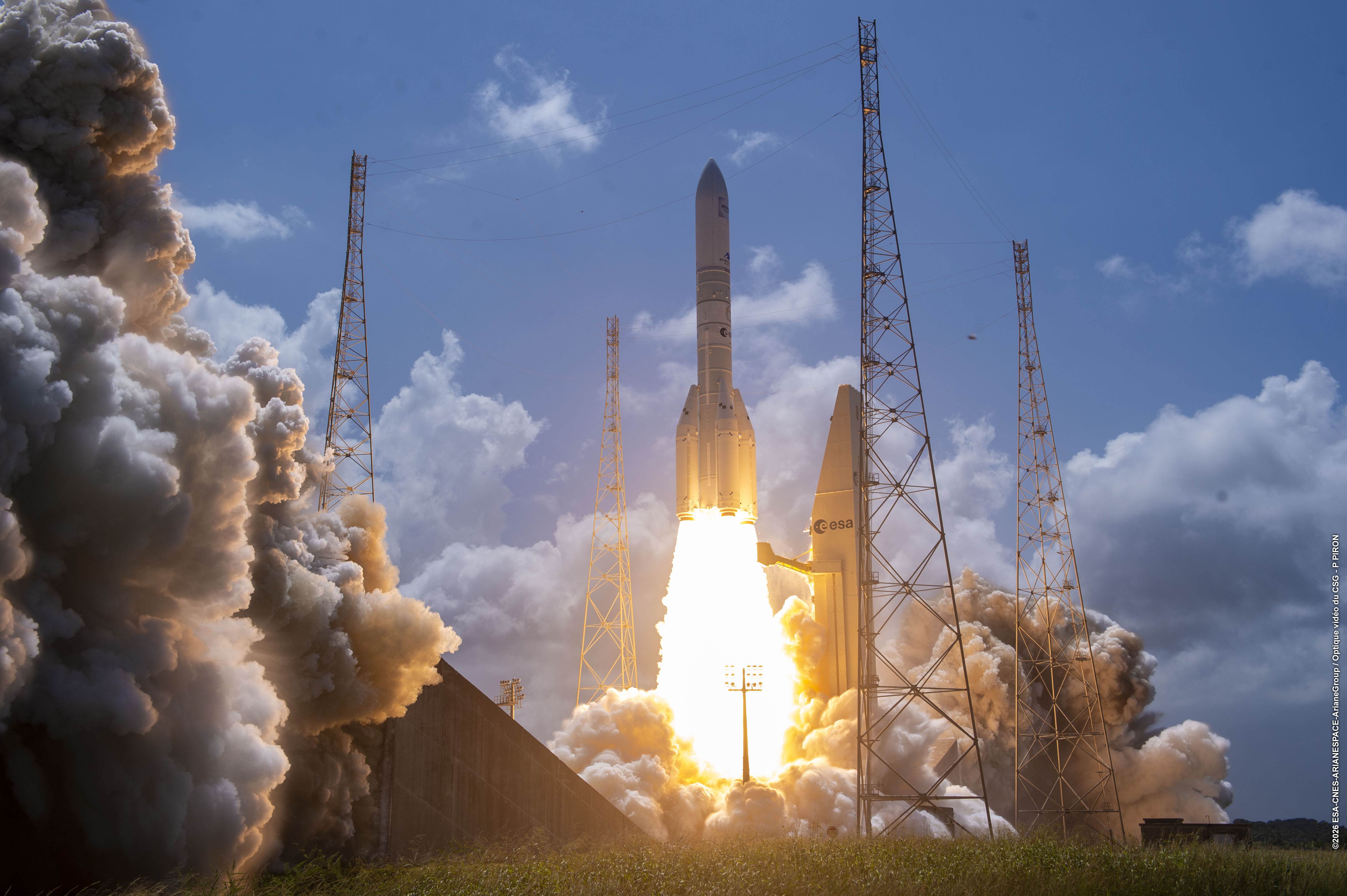
Launch Date
April 30, 2026
Launch Site
FRGUI
Launch Pad
ELA4
Launch Vehicle
Ariane 64
NORAD ID
68941
International Designator
2026-098Y
Epoch
Sun, 19 Jul 2026 20:00:01 GMT
Apogee
Calculating...
Perigee
Calculating...
Inclination
51.89°
Right Ascension
272.75°
Eccentricity
Calculating...
Argument of Perigee
288.43°
Period
95.57 min
Mean Motion
15.07 rev/day
Latitude
Calculating...
Longitude
Calculating...
Altitude
Calculating...
Velocity
Calculating...
Name
KUIPER-00439
Alternative Name
N/A
Type
Status
Owner
KUIP
Country
United States
Constellation
N/A
Related Satellites
Major Events
N/A
1 68941U 26098Y 26200.83335647 -.00051503 00000+0 -34293-2 0 9990
2 68941 51.8888 272.7518 0006226 288.4265 297.2010 15.06724150 4940
Source: Celestrak
Apologies, there is no summary for this satellite yet. I am working to generate these for every object in the catalog, but it is going to take time.
Length
1.8
Diameter
0.7
Span
5.0
Dry Mass
490
Launch Mass
490
Shape
Box + 2 pan
Radar Cross Section
Unknown
Visual Magnitude
Unknown
Color
Unknown
Material Composition
Unknown
Payload
Kuiper LE02-23
Purpose
Unknown
Mission
Unknown
Manufacturer
KUIP
Life Expectancy
Unknown
Bus
Kuiper
Configuration
Unknown
Motor
Unknown
Equipment
Unknown
Power System
Unknown
ADCS
Unknown
Transmitter Frequency
Unknown
Learn more about satellites and other related topics.
SpaceX sets a rocket re-use record, Starlink satellites continue to proliferate, and Botswana launches its first national satellite.
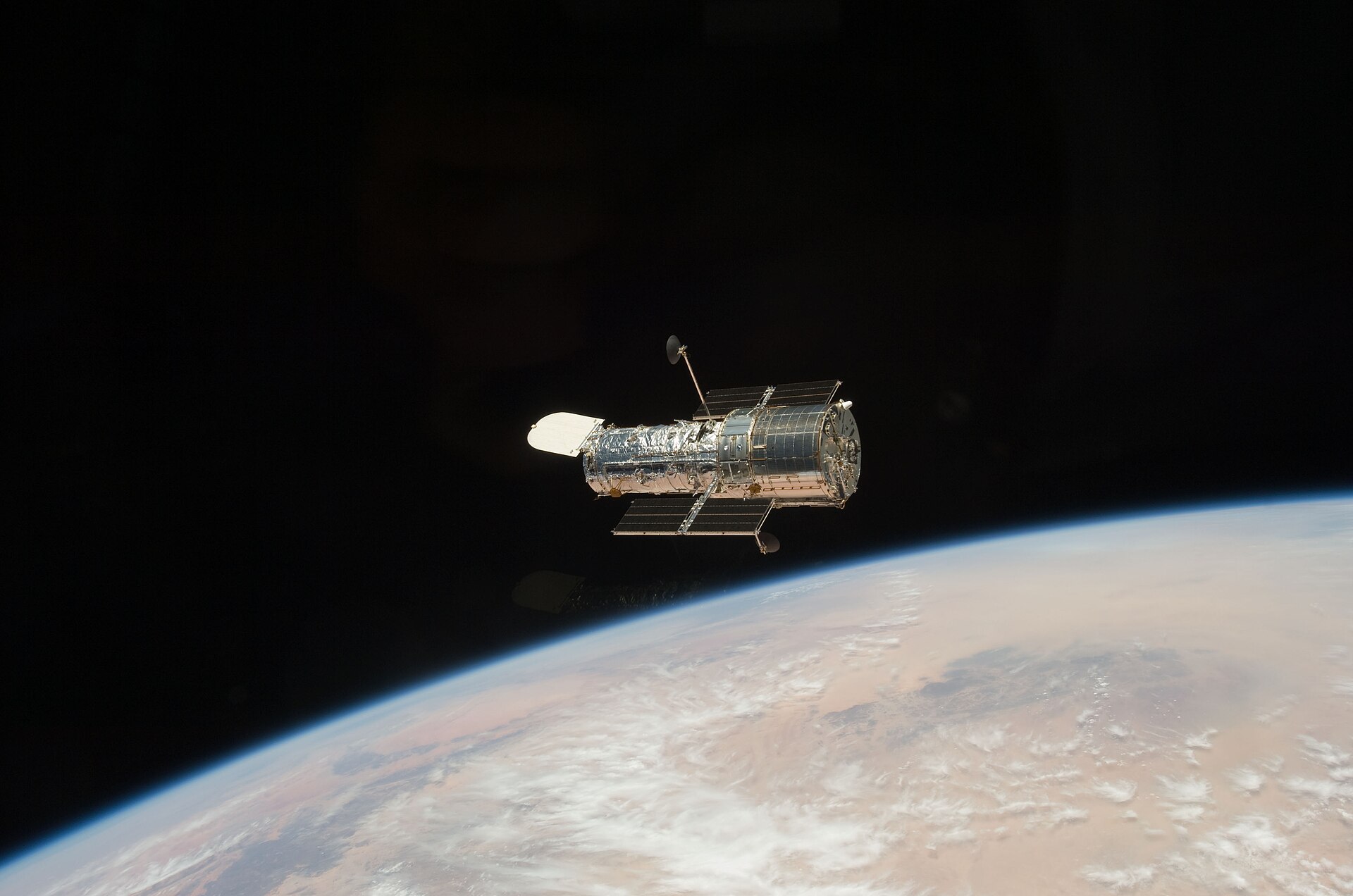
On April 25, 1990, the Space Shuttle Discovery's robotic arm lifted a 11,110-kilogram barrel of mirrors and instruments out of the payload bay and released it into orbit. Six weeks later, the first images came back badly out of focus. The Hubble Space Telescope had been ground to the wrong prescription, and America had just spent $2.5 billion on what the press was calling a 'technoturkey.'

U.S. Space Force increased Andromeda contract ceiling to $6.2 billion for next-generation space situational awareness satellites replacing GSSAP and SILENTBARKER programs.

As SpaceX continues to make groundbreaking advancements in the space industry, investors are eagerly anticipating the company's potential IPO. Learn about the factors influencing SpaceX's decision to go public and the estimated timeline for this highly anticipated event.
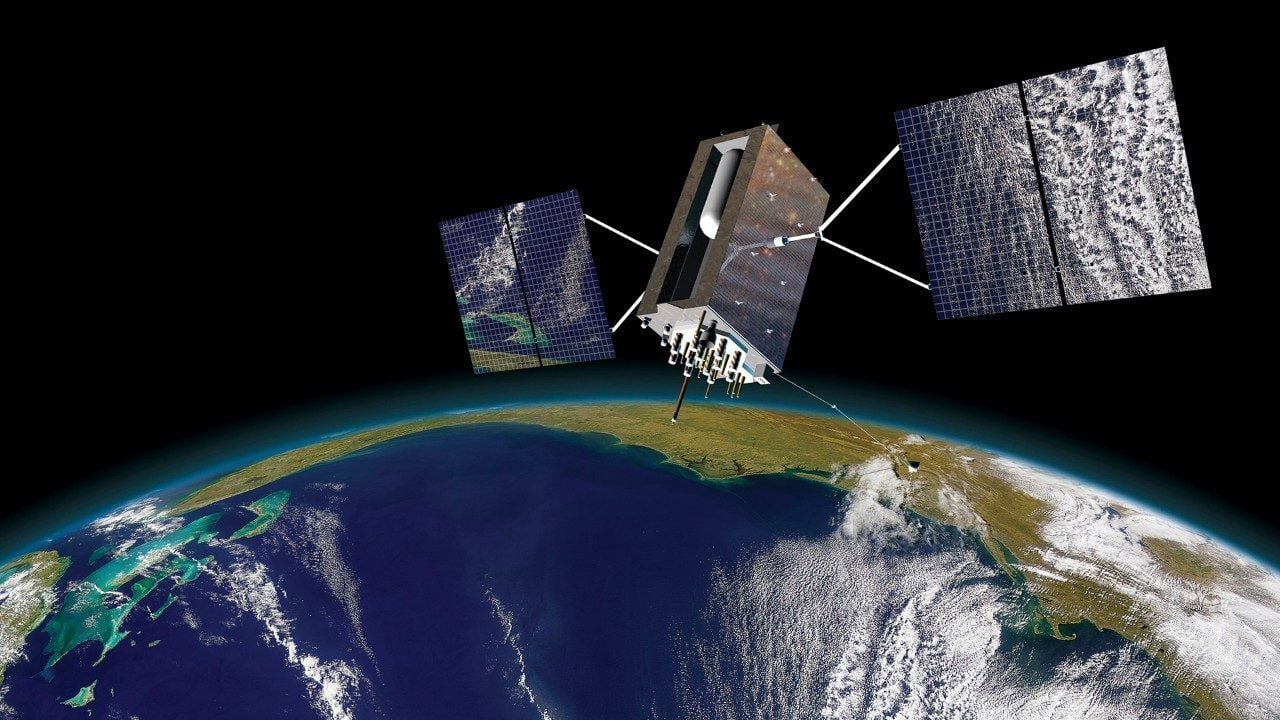
On April 17, 2026, the U.S. Space Force officially cancelled the Next Generation Operational Control System after sixteen years of development, cost overruns, and testing failures. The $8 billion program was supposed to unlock the military's encrypted GPS signal. Instead, the satellites are flying with capabilities the ground can't command.
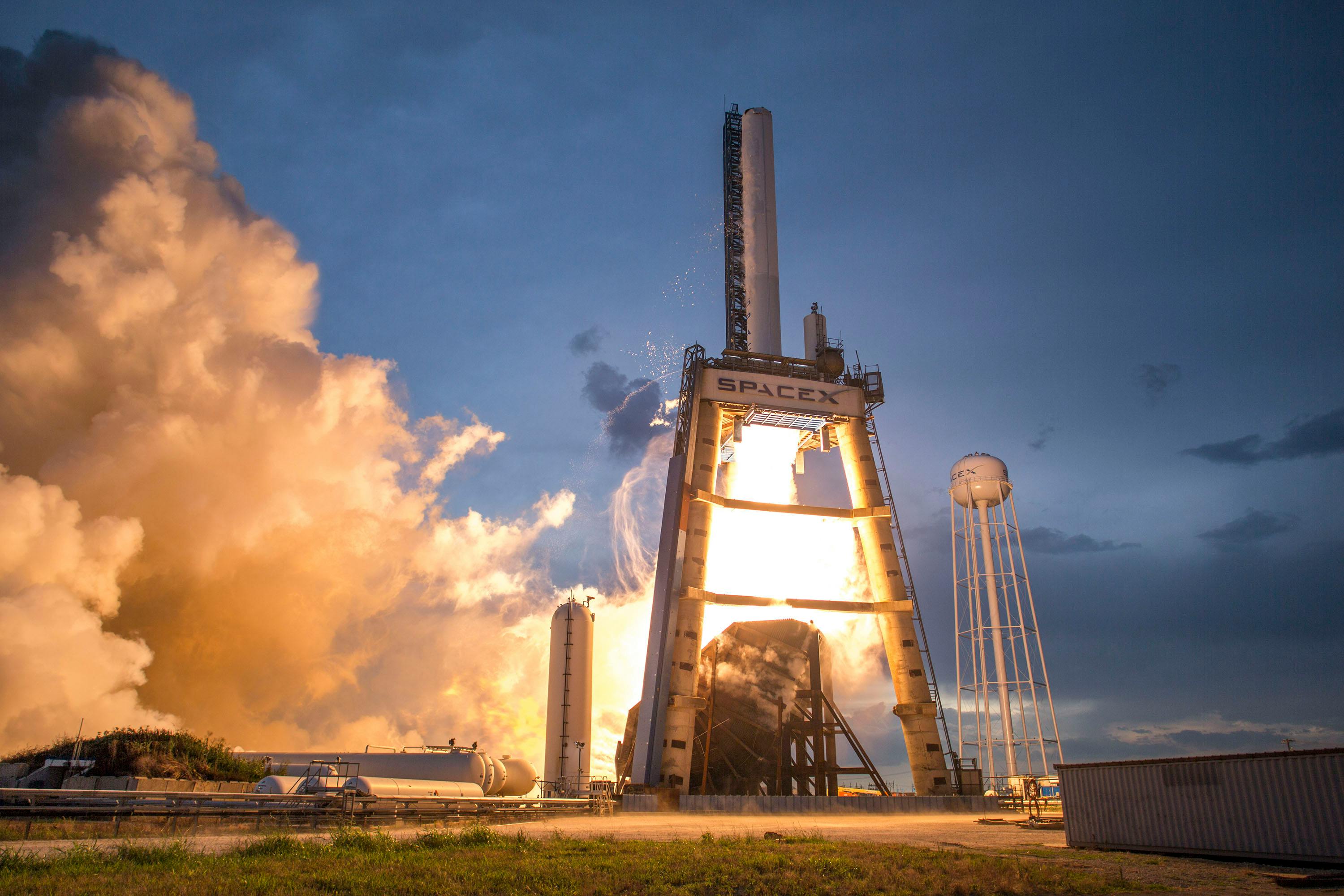
SpaceX successfully launched 19 Starlink satellites from California amidst a weather-related scrub of the Crew-11 mission to the ISS, showcasing the company’s focus on expanding its satellite constellation while overcoming operational challenges.

Today’s highlights include new defense initiatives in the U.S., potential strategic shifts in Europe, and the establishment of council to counter security threats.
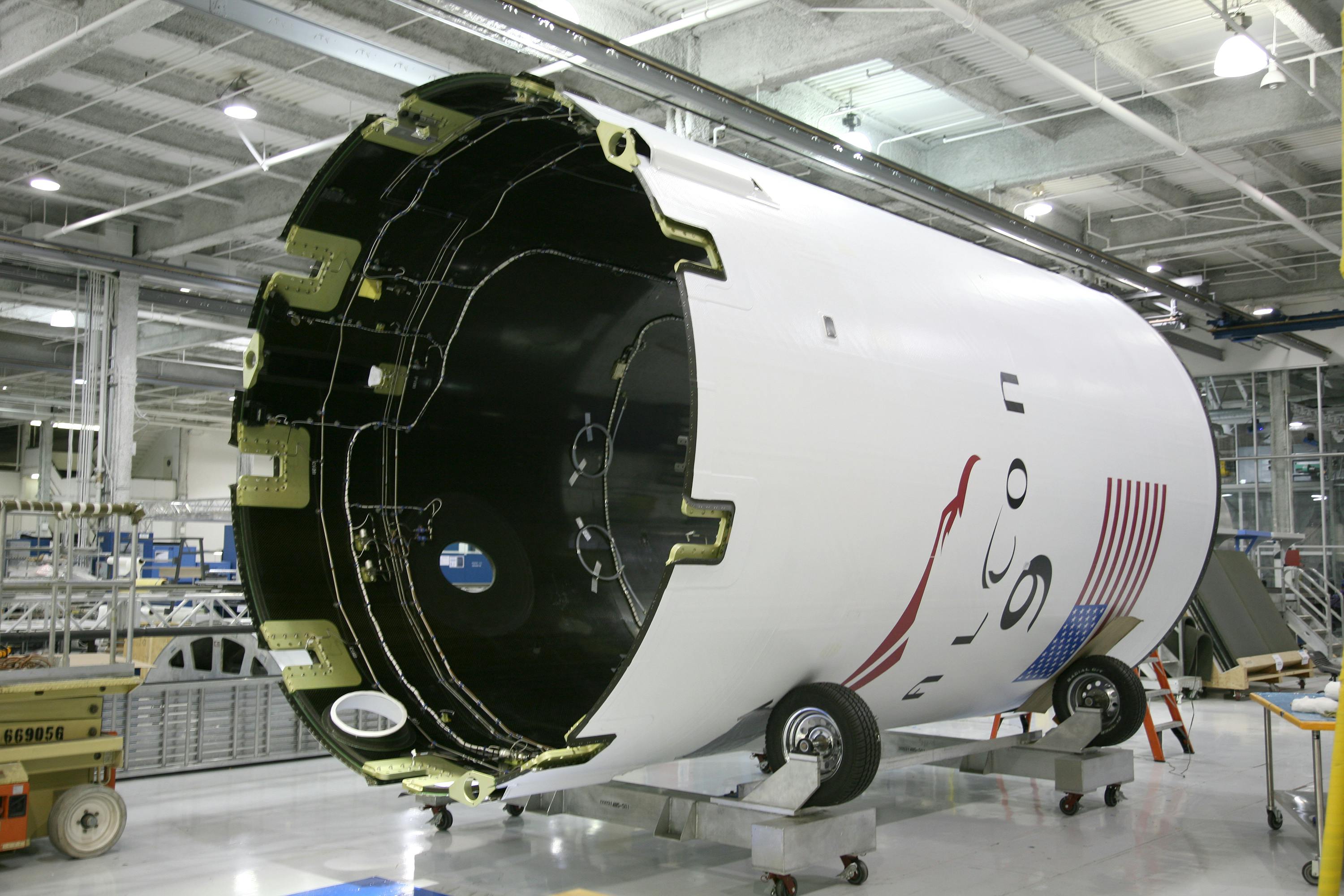
Today's report covers SpaceX's progress on Starship pad realignment and Rocket Lab's delay of its Neutron rocket debut, highlighting key advancements and competitive dynamics in the space industry.