


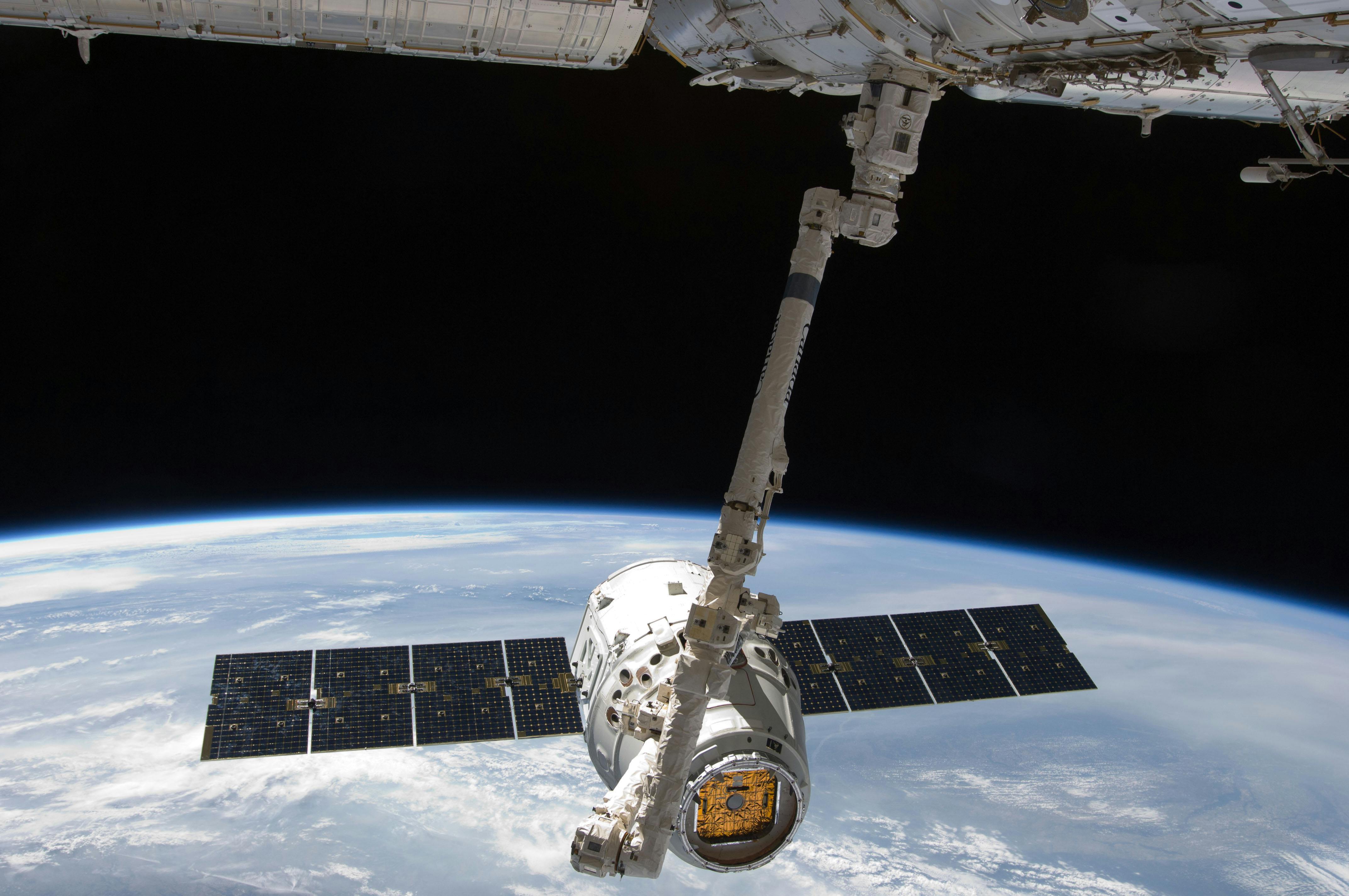
X Report 10 Feb 2025
SpaceX prepares for Starship Flight 8 with successful booster static fire; Starlink continues its expansion.


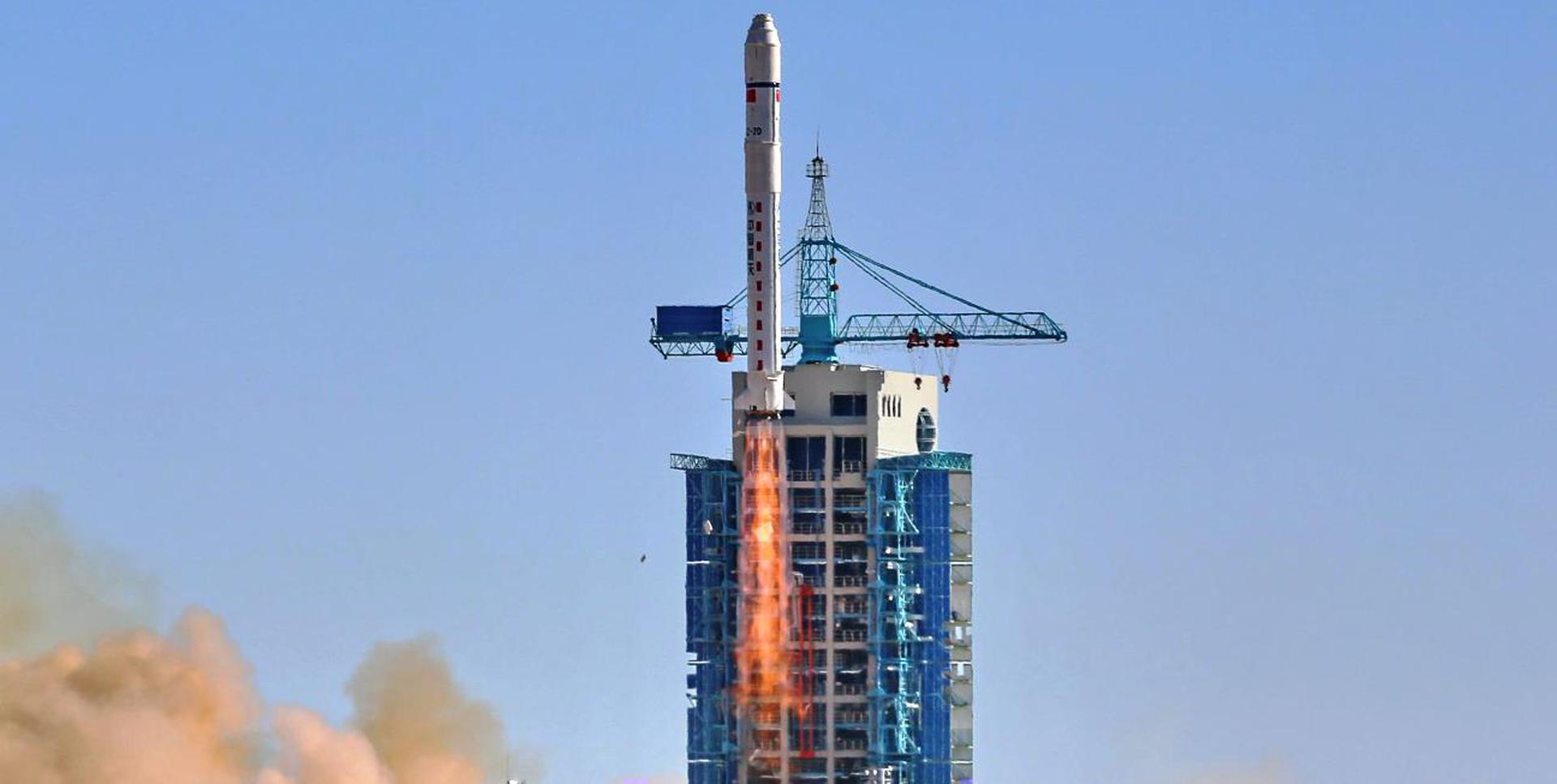
Launch Date
April 24, 2026
Launch Site
XSC
Launch Pad
LC3
Launch Vehicle
Chang Zheng 2D
NORAD ID
68834
International Designator
2026-091D
Epoch
Sun, 19 Jul 2026 19:56:57 GMT
Apogee
Calculating...
Perigee
Calculating...
Inclination
55.00°
Right Ascension
239.03°
Eccentricity
Calculating...
Argument of Perigee
163.07°
Period
94.79 min
Mean Motion
15.19 rev/day
Latitude
Calculating...
Longitude
Calculating...
Altitude
Calculating...
Velocity
Calculating...
Name
HJS-9D
Alternative Name
N/A
Type
Status
Owner
ZXW
Country
China
Constellation
N/A
Related Satellites
Major Events
N/A
1 68834U 26091D 26200.83121781 .00001684 00000+0 94093-4 0 9995
2 68834 54.9965 239.0296 0013710 163.0657 197.0823 15.19127232 13164
Source: Celestrak
Apologies, there is no summary for this satellite yet. I am working to generate these for every object in the catalog, but it is going to take time.
Length
2.5
Diameter
0.8
Span
2.5
Dry Mass
300
Launch Mass
300
Shape
Box + 2 Pan
Radar Cross Section
Unknown
Visual Magnitude
Unknown
Color
Unknown
Material Composition
Unknown
Payload
WHJSW-9-04
Purpose
Unknown
Mission
Unknown
Manufacturer
UNKCN
Life Expectancy
Unknown
Bus
Unknown
Configuration
Unknown
Motor
Unknown
Equipment
Unknown
Power System
Unknown
ADCS
Unknown
Transmitter Frequency
Unknown
Learn more about satellites and other related topics.
SpaceX prepares for Starship Flight 8 with successful booster static fire; Starlink continues its expansion.

Today's brief highlights a significant geospatial data collaboration between Maxar and Saab, defense budget discussions affecting satellite deployments, and the naming of new military command chiefs.
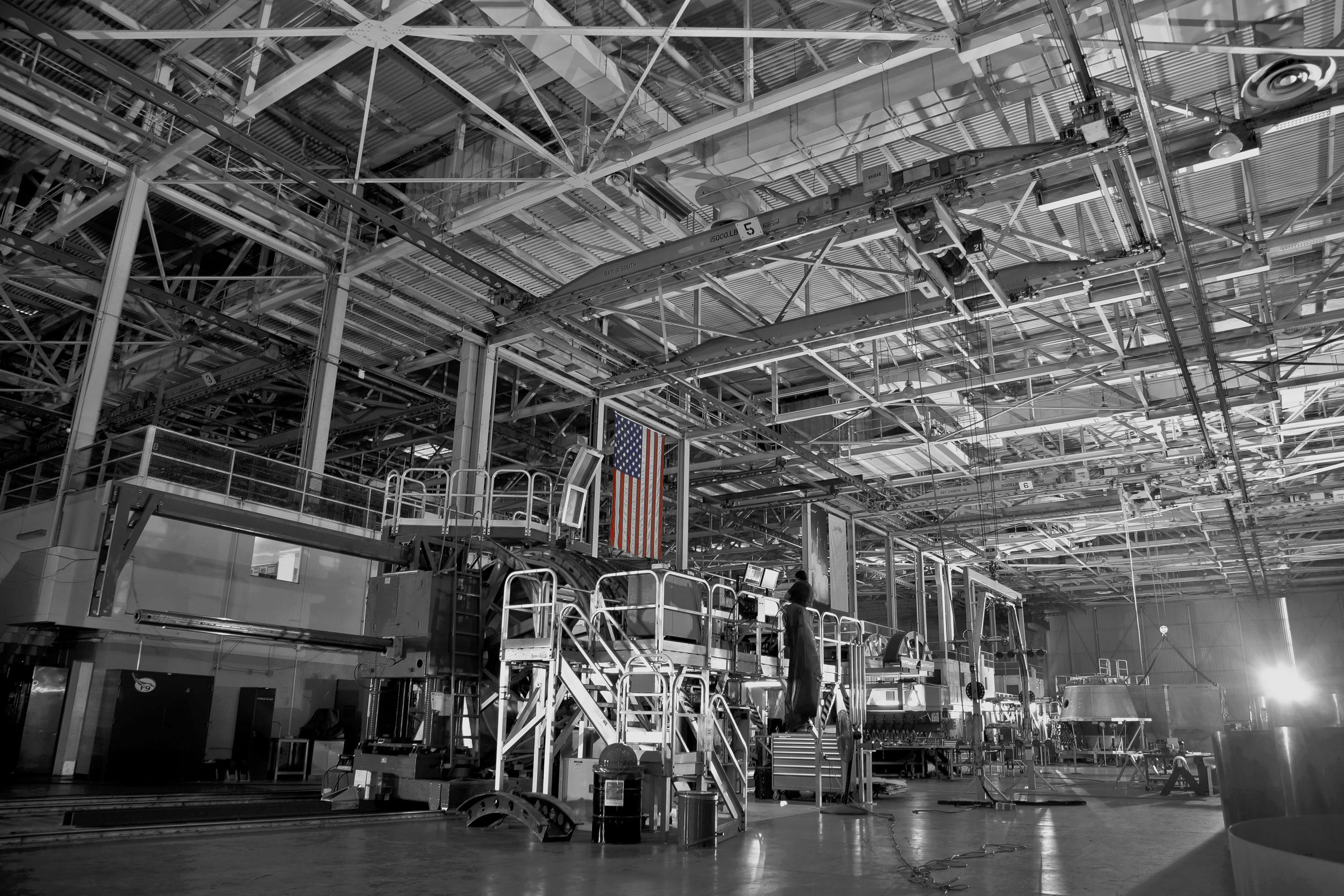
SpaceX continues its rapid launch cadence by deploying 28 Starlink satellites while expanding its service with collaborations such as United Airlines and Entel in Chile.
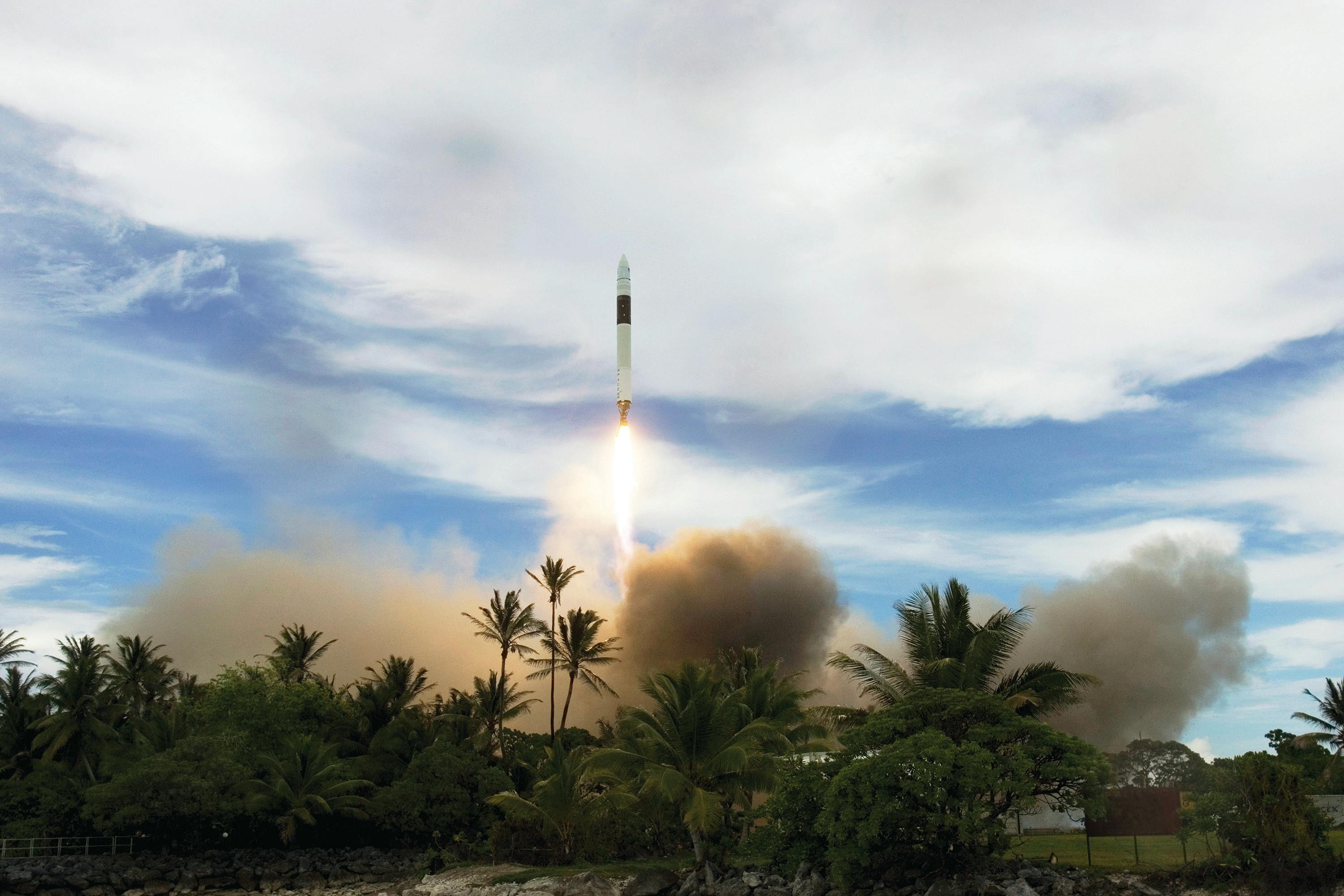
SpaceX prepares for its 560th Falcon 9 launch, aiming to deploy 29 Starlink satellites from Kennedy Space Center, while the Bandwagon-4 mission continues to showcase successful rocket landings.
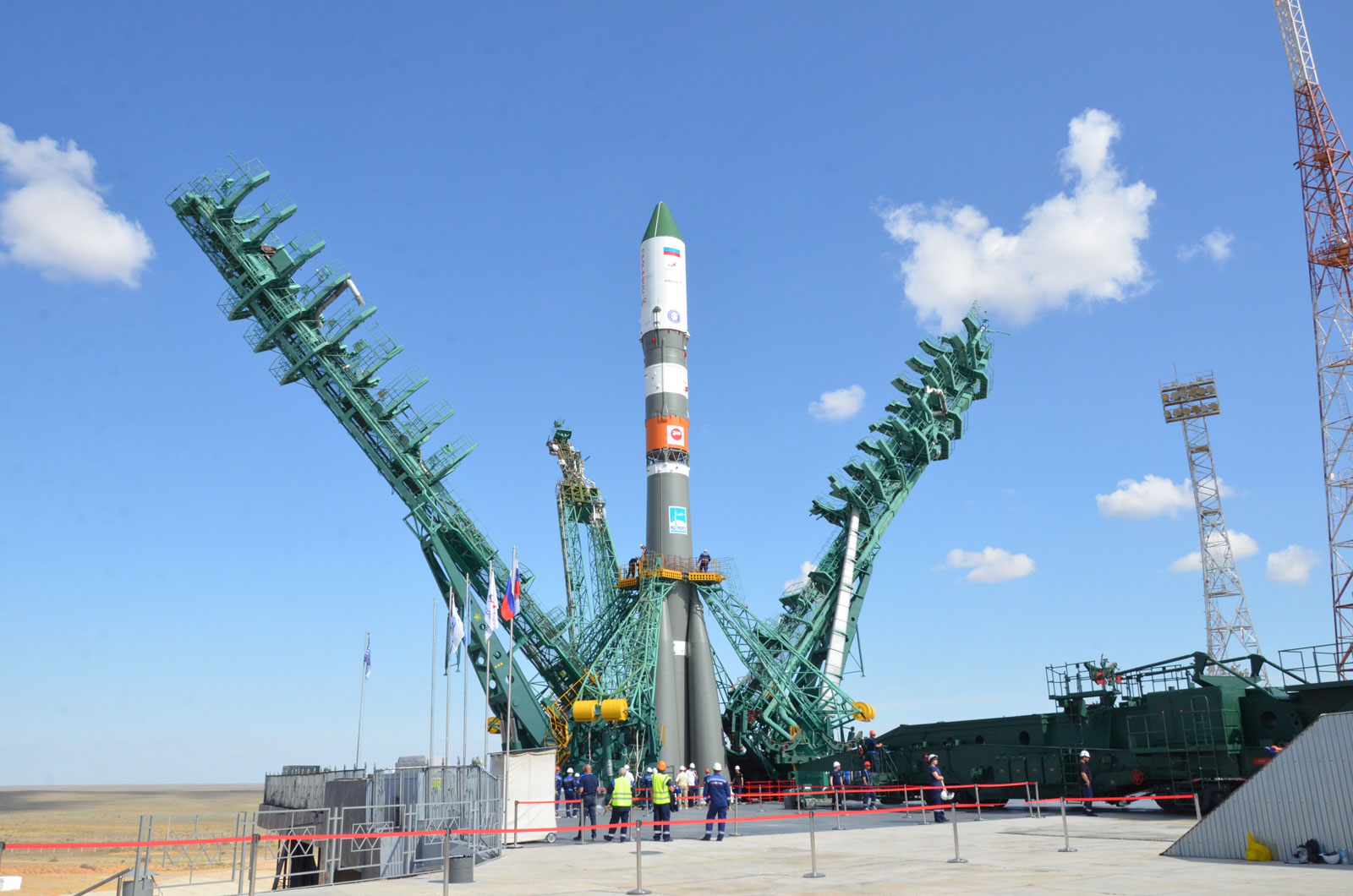
Today's highlights include the debut of a new Chinese rocket, a successful Starlink launch, and concerns about Artemis 3. We also cover DoD developments and a notable SpaceX milestone.

Experts warn falling space debris risk to aircraft is increasing. North Korea tests advanced hypersonic missiles. Space Force seeks launch providers for Cape Canaveral and Vandenberg pads.
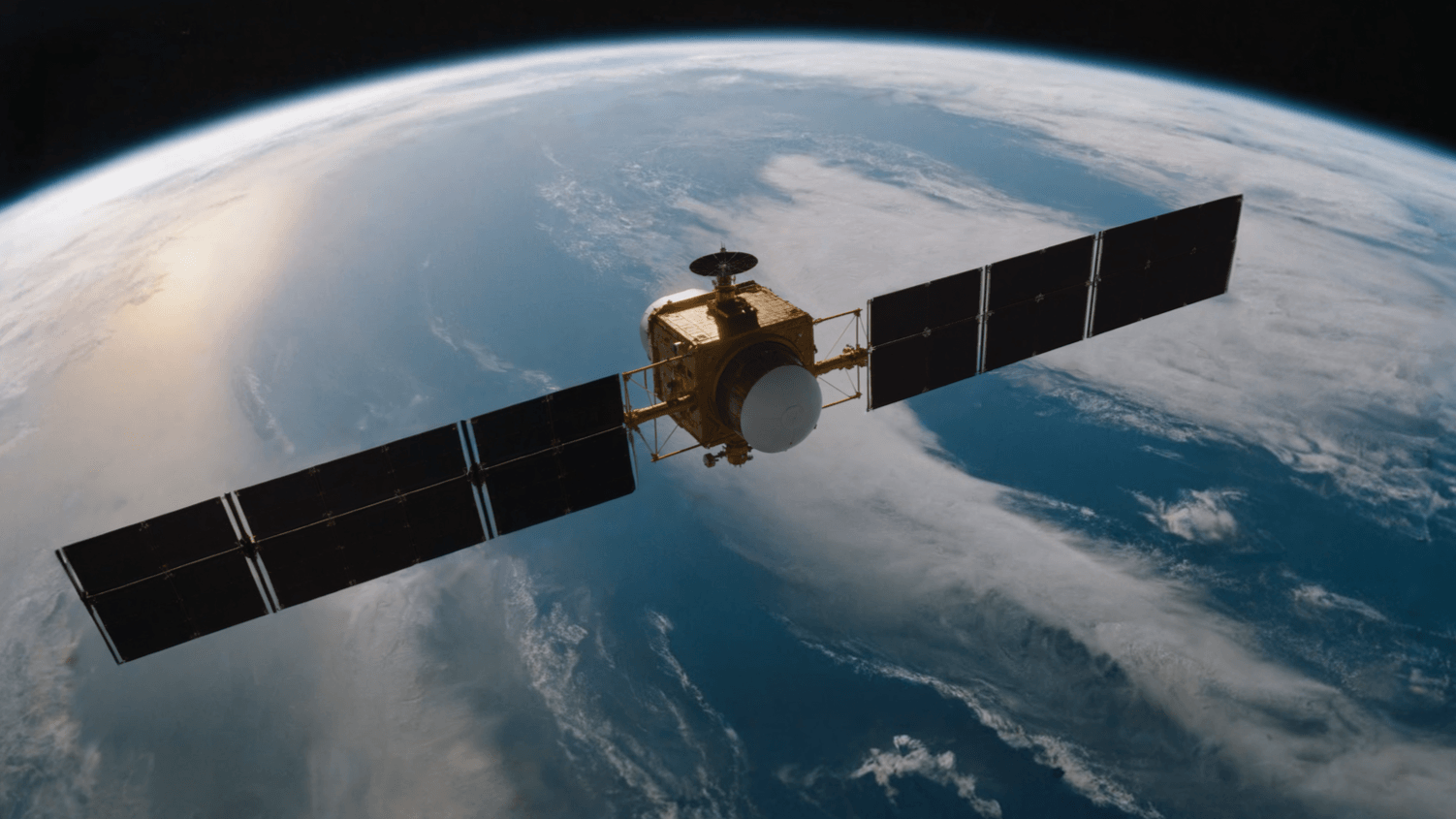
Today's highlights include General Dynamics' contract extension with SDA, ABL Space Systems layoffs, NASA's Crew-9 mission adjustments, and Galactic Energy's successful satellite launch.
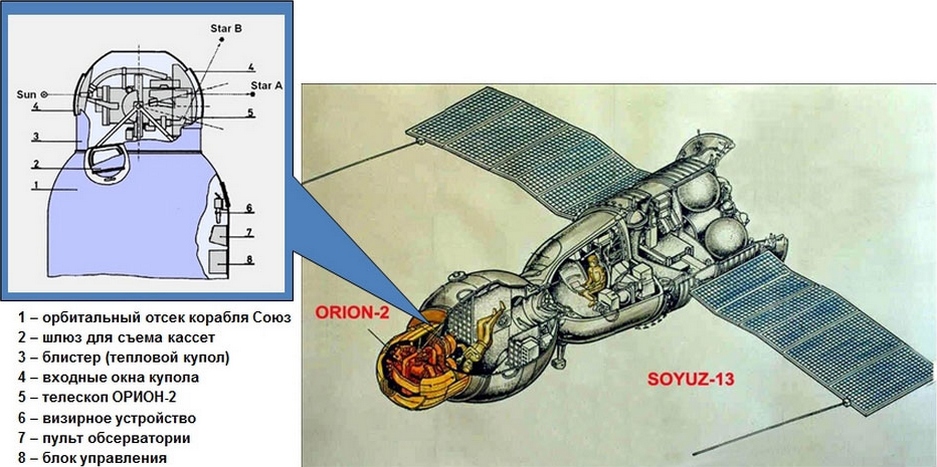
Exactly 52 years ago today, the Soviet Union launched Soyuz 13 - a scientific mission that marked the first time American astronauts and Soviet cosmonauts orbited Earth simultaneously. Armed with a revolutionary ultraviolet telescope, Pyotr Klimuk and Valentin Lebedev would discover elements never before seen in distant nebulae.