



Space Brief 1 Nov 2025
Today's brief covers the future of military space operations, ESA's potential defense role, significant developments in satellite communications, and SpaceX's response to Artemis 3 comments.



NORAD ID
68677
International Designator
2026-077R
Epoch
Sun, 19 Jul 2026 09:28:20 GMT
Apogee
Calculating...
Perigee
Calculating...
Inclination
97.28°
Right Ascension
71.21°
Eccentricity
Calculating...
Argument of Perigee
101.49°
Period
93.91 min
Mean Motion
15.33 rev/day
Latitude
Calculating...
Longitude
Calculating...
Altitude
Calculating...
Velocity
Calculating...
Name
STARLINK-36168
Alternative Name
N/A
Type
Status
Owner
SPXS
Country
United States
Constellation
N/A
Related Satellites
Major Events
N/A
1 68677U 26077R 26200.39468485 .00006462 00000+0 20231-3 0 9991
2 68677 97.2848 71.2069 0001903 101.4923 258.6534 15.33447001 15346
Source: Celestrak
Length
0.3
Diameter
4.1
Span
29.0
Dry Mass
530
Launch Mass
575
Shape
Box + pan
Radar Cross Section
Unknown
Visual Magnitude
Unknown
Color
Unknown
Material Composition
Unknown
Payload
Starlink Group 17-21-16
Purpose
Unknown
Mission
Unknown
Manufacturer
SPXS
Life Expectancy
Unknown
Bus
Starlink V2MO
Configuration
Unknown
Motor
Unknown
Equipment
Unknown
Power System
Unknown
ADCS
Unknown
Transmitter Frequency
Unknown
Learn more about satellites and other related topics.
Today's brief covers the future of military space operations, ESA's potential defense role, significant developments in satellite communications, and SpaceX's response to Artemis 3 comments.

SpaceX is preparing for significant infrastructure expansion in Texas and Florida to support Starship, launches its third NRO mission in a week, and faces regulatory scrutiny from the Bahamas.
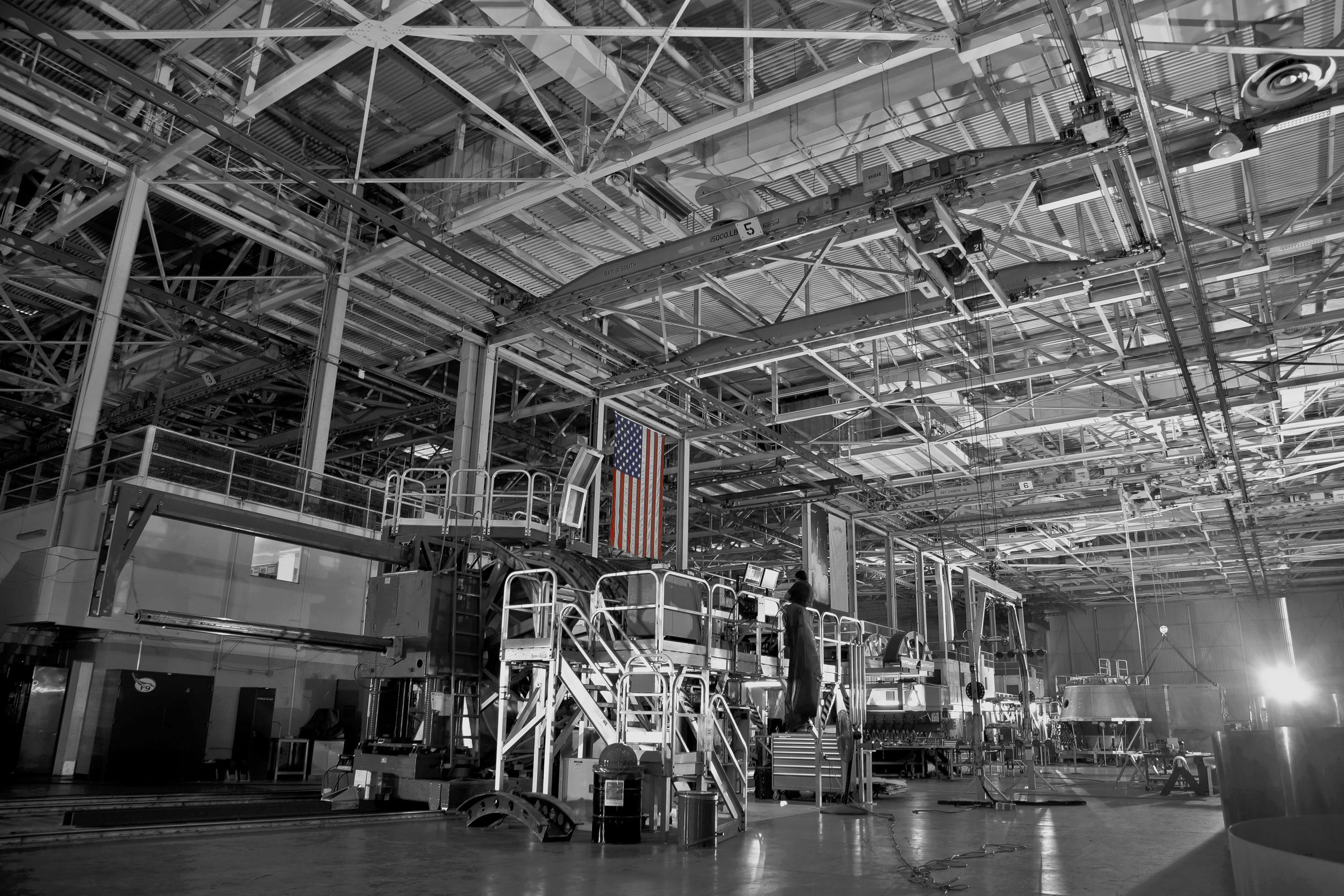
SpaceX to launch Koreasat-6A on a record-tying Falcon 9 flight, and 24 Starlink satellites later today.
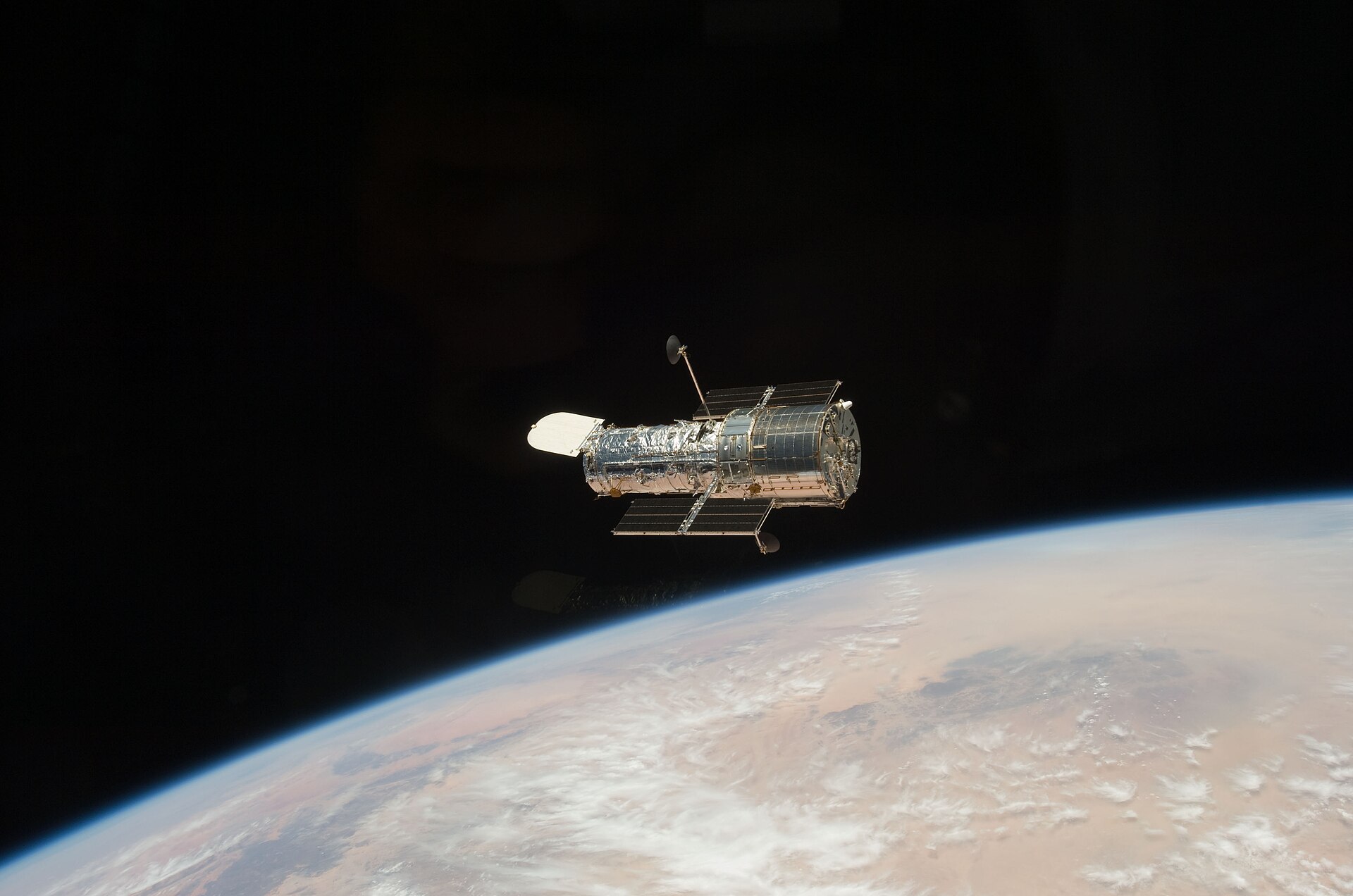
On April 25, 1990, the Space Shuttle Discovery's robotic arm lifted a 11,110-kilogram barrel of mirrors and instruments out of the payload bay and released it into orbit. Six weeks later, the first images came back badly out of focus. The Hubble Space Telescope had been ground to the wrong prescription, and America had just spent $2.5 billion on what the press was calling a 'technoturkey.'
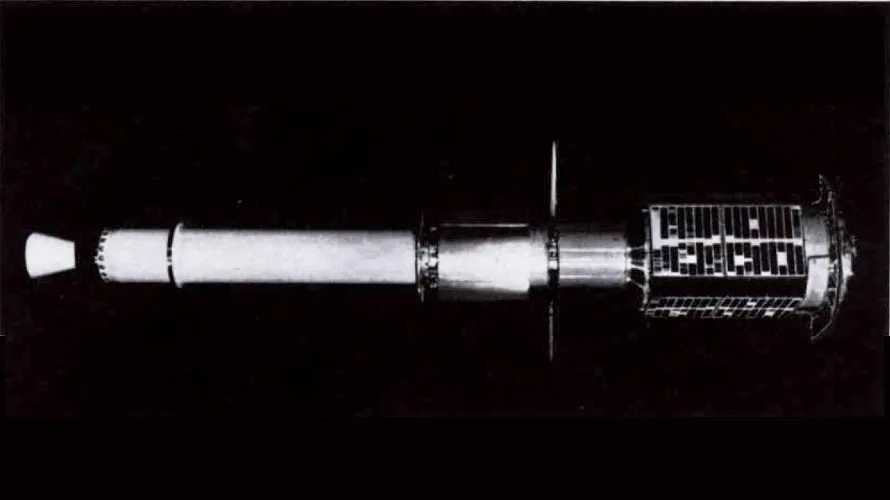
On April 27, 1961, a Scout rocket lifted a 37-kilogram NASA satellite into orbit from Wallops Island carrying the first serious instrument for detecting cosmic gamma rays. Explorer 11 operated for seven months before its tape recorder failed. In that time it registered 22 gamma-ray photons - a pitiful number by modern standards, but enough to launch an entire branch of astronomy.

Today's highlights include China's launch of the Shijian-25 for on-orbit refueling tests, major Pentagon contracts for solid rocket motors and hypersonic testing, and the US Space Force's record-setting year of launches.

Today's brief highlights key advancements in space technology and innovative military initiatives. Featuring deep space tracking system upgrades, a push towards quantum communications in orbit, and critical radar developments.
Today's Space Brief highlights the U.S. Air Force's $48 million investment in testing reentry capsules, a Pentagon-backed GPS alternative, and the Space Force's quest for funding autonomy.