


Space Force Awards $1.8B Andromeda Program to 14 Firms | KeepTrack Space Brief
Space Force selects 14 companies for $1.8 billion Andromeda program to replace GSSAP geosynchronous surveillance satellites with commercial alternatives through 2036.


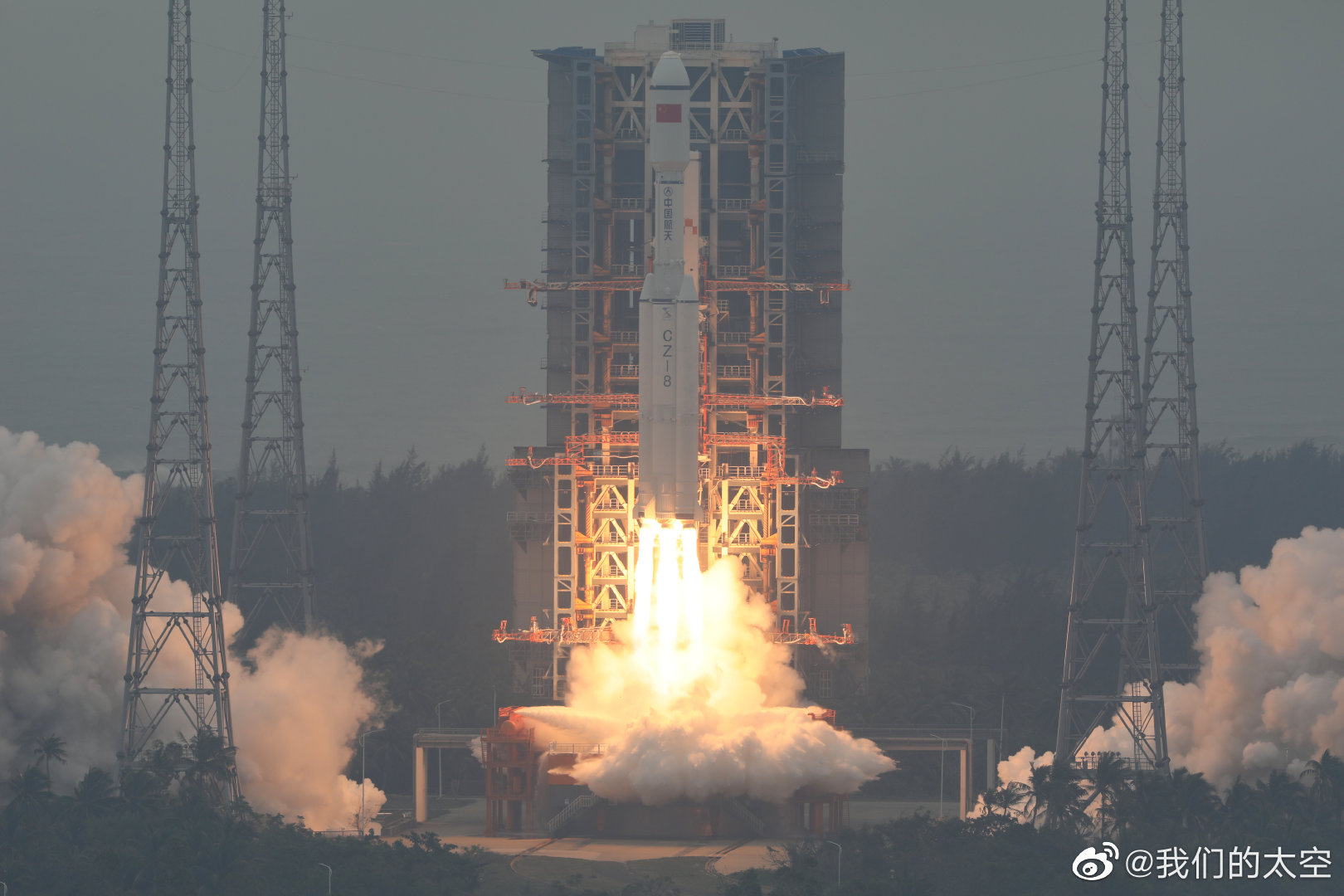
Launch Date
April 7, 2026
Launch Site
WSC
Launch Pad
LC1
Launch Vehicle
Chang Zheng 8
NORAD ID
68643
International Designator
2026-075H
Epoch
Sun, 19 Jul 2026 20:00:07 GMT
Apogee
Calculating...
Perigee
Calculating...
Inclination
88.99°
Right Ascension
317.65°
Eccentricity
Calculating...
Argument of Perigee
114.87°
Period
106.59 min
Mean Motion
13.51 rev/day
Latitude
Calculating...
Longitude
Calculating...
Altitude
Calculating...
Velocity
Calculating...
Name
QIANFAN-116
Alternative Name
N/A
Type
Status
Owner
YUANX
Country
China
Constellation
N/A
Related Satellites
Major Events
N/A
1 68643U 26075H 26200.83341757 .00000113 00000+0 15714-3 0 9990
2 68643 88.9910 317.6470 0002070 114.8708 245.2659 13.51015227 14218
Source: Celestrak
Apologies, there is no summary for this satellite yet. I am working to generate these for every object in the catalog, but it is going to take time.
Length
0.3
Diameter
3.0
Span
10.0
Dry Mass
267
Launch Mass
267
Shape
Box+pan
Radar Cross Section
Unknown
Visual Magnitude
Unknown
Color
Unknown
Material Composition
Unknown
Payload
Qianfan
Purpose
Unknown
Mission
Unknown
Manufacturer
SECM
Life Expectancy
Unknown
Bus
Qianfan
Configuration
Unknown
Motor
Unknown
Equipment
Unknown
Power System
Unknown
ADCS
Unknown
Transmitter Frequency
Unknown
Learn more about satellites and other related topics.
Space Force selects 14 companies for $1.8 billion Andromeda program to replace GSSAP geosynchronous surveillance satellites with commercial alternatives through 2036.
Recent Starlink launches, autonomous navigation for satellite swarms, major funding for asteroid mining, and insights into NASA's various projects and developments.
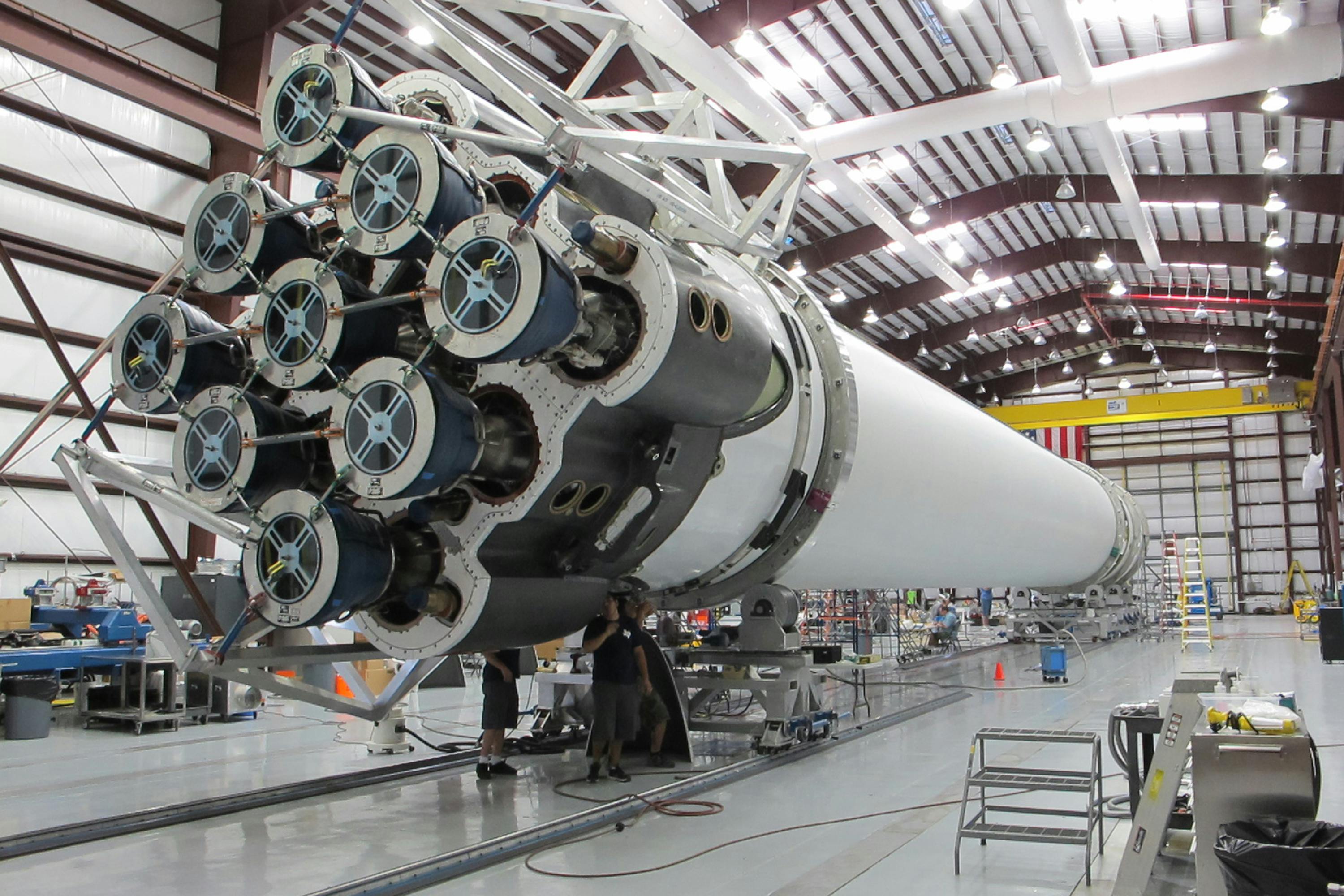
SpaceX ignited all 33 next-gen Raptor V3 engines on the Super Heavy booster at Starbase, Texas, marking a critical milestone toward the next Starship flight.
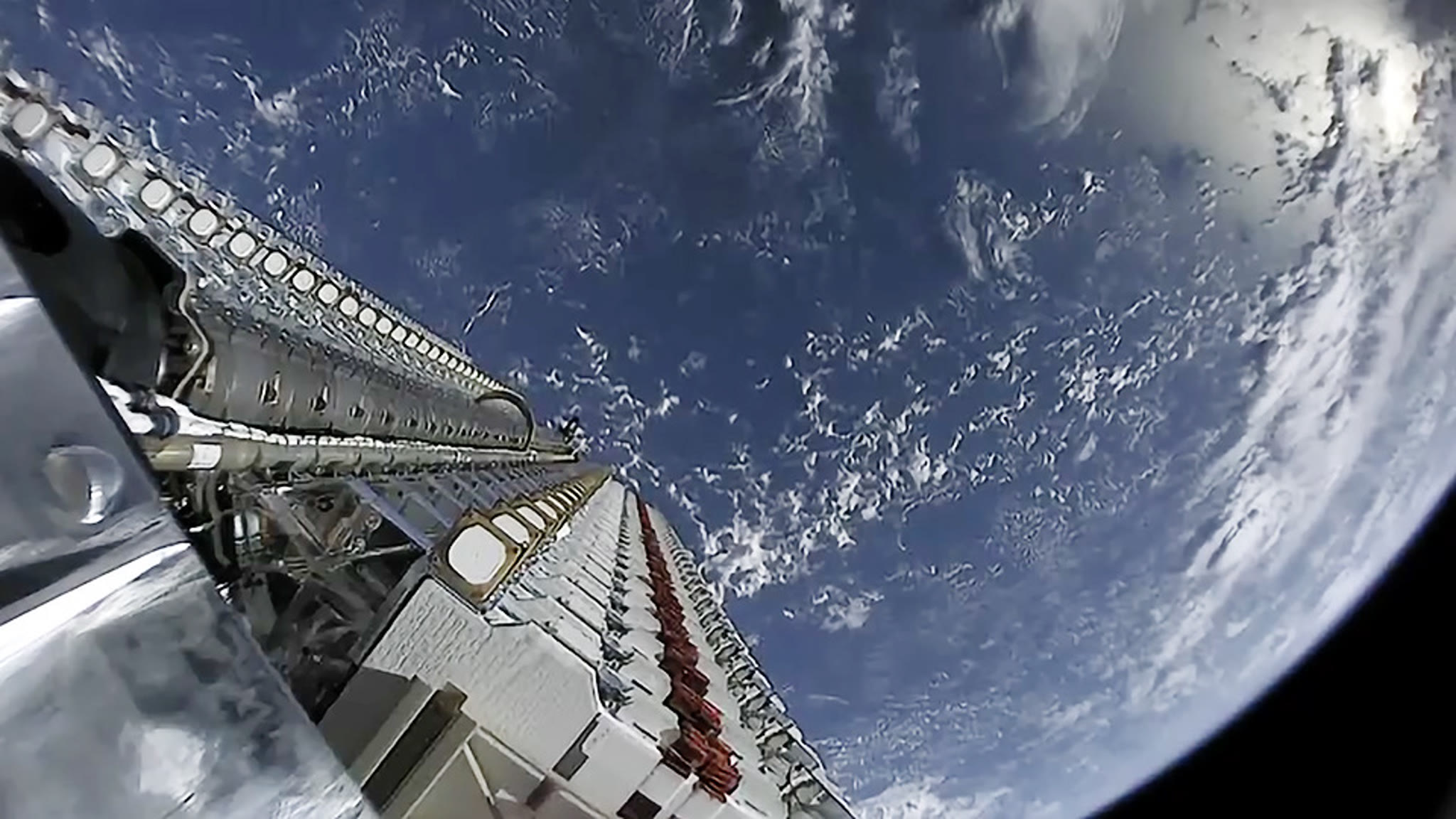
Starlink satellites fired their thrusters to dodge a collision roughly 300,000 times in 2025, about 822 times a day. Behind that number is a fragile, half-automated system of warnings, probabilities, and judgment calls that decides which close approaches are worth a maneuver and which are just noise.

Today's Space Brief highlights the latest developments in China's megaconstellation funding, Russia's nuclear posturing in Europe, and other significant military activities.
Elon Musk denies Starlink price reductions are driven by Amazon Kuiper competition. SpaceX launches 29 Starlink satellites in 18th constellation mission of 2026. Five more coming this week.

SpaceX celebrates significant milestones with its 500th Falcon launch and the continued expansion of Starlink connectivity.

Today's Space Brief highlights major developments in satellite launches, regulatory milestones for spectrum sales, and the evolving landscape of space-related cyber conflicts.