QIANFAN-110 (68637)

COSPAR: 2026-075B | Alt Name: N/A

Image
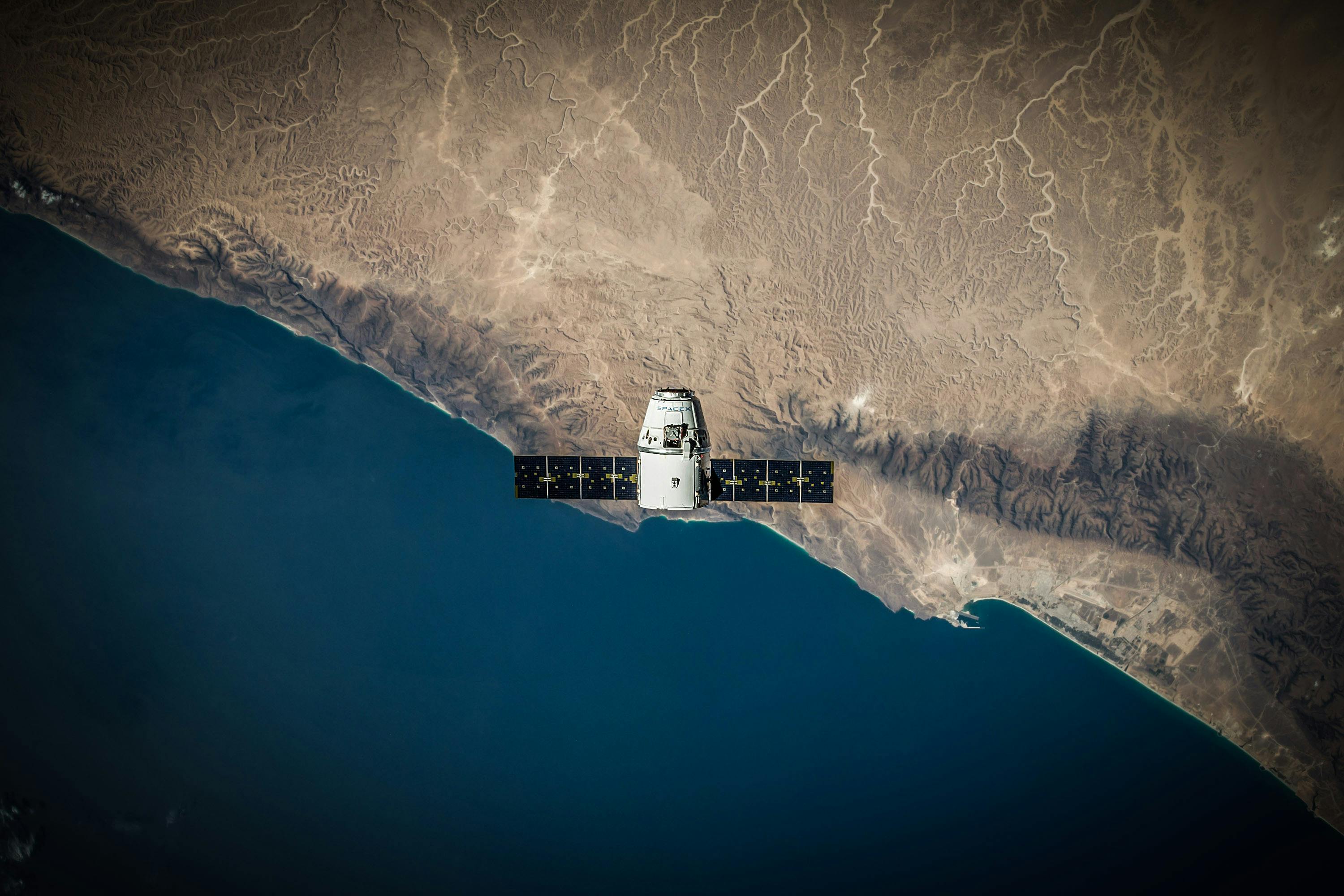
QIANFAN-110 Satellite Image
Additional Sources
Launch Details

Launch Date

April 7, 2026

Launch Site

WSC

Launch Pad

LC1

Launch Vehicle

Chang Zheng 8

Orbital Elements

NORAD ID

68637

International Designator

2026-075B

Epoch

Sun, 19 Jul 2026 19:30:44 GMT

Apogee

Calculating...

Perigee

Calculating...

Inclination

88.99°

Right Ascension

317.70°

Eccentricity

Calculating...

Argument of Perigee

104.58°

Period

106.59 min

Mean Motion

13.51 rev/day

Latitude

Calculating...

Longitude

Calculating...

Altitude

Calculating...

Velocity

Calculating...

Polar Plot
3D Visualization
Basic Satellite Info

Name

QIANFAN-110

Alternative Name

N/A

Type

Payload

Status

Unknown

Owner

YUANX

Country

China

Constellation

N/A

Related Satellites

Major Events

N/A

Latest TLEs
1 68637U 26075B   26200.81301220  .00000109  00000+0  14953-3 0  9991
2 68637  88.9919 317.7029 0002054 104.5786 255.5593 13.51016365 14197

Source: Celestrak

Summary

Apologies, there is no summary for this satellite yet. I am working to generate these for every object in the catalog, but it is going to take time.

Physical Characteristics

Length

0.3

Diameter

3.0

Span

10.0

Dry Mass

267

Launch Mass

267

Shape

Box+pan

Radar Cross Section

Unknown

Visual Magnitude

Unknown

Color

Unknown

Material Composition

Unknown

Technical Details

Payload

Qianfan

Purpose

Unknown

Mission

Unknown

Manufacturer

SECM

Life Expectancy

Unknown

Bus

Qianfan

Configuration

Unknown

Motor

Unknown

Equipment

Unknown

Power System

Unknown

ADCS

Unknown

Transmitter Frequency

Unknown

Map
This tool will help you track the satellite's position and predict its upcoming passes over your location. Simply input the coordinates or click the geolocation button to get started.
Next Pass
Azimuth Elevation Time (Local)
Start Azimuth
Max Elevation
Stop Azimuth
Time Until
Pass Duration

Satellite Articles

View All Posts »

Learn more about satellites and other related topics.

Space Force Opens Secret Tracking Data to Commercial Firms | KeepTrack Space Brief

Space Force Opens Secret Tracking Data to Commercial Firms | KeepTrack Space Brief

Space Force shares classified tracking data with commercial firms. Falcon 9 reentry linked to upper-atmosphere lithium plume. SpaceX launches 54 Starlink sats in one day.
Space Brief 23 Feb 2025

Space Brief 23 Feb 2025

SpaceX launches Starlink satellites from both coasts, while first 3D atmospheric map of an exoplanet reveals extreme weather patterns, and Starlink missions push total count over 8,000 satellites.

Varda W-5 Reentry Lands in Australia, Senate Passes $839B Defense Bill | KeepTrack Space Brief

Varda W-5 Reentry Lands in Australia, Senate Passes $839B Defense Bill | KeepTrack Space Brief

Varda Space's W-5 mission lands safely in Australia. Leonardo DRS wins SDA Tracking Layer Tranche 3 infrared payload contract. Senate passes $839B defense bill.

Cygnus NG-24 Carries 11,000 lbs to ISS | KeepTrack X Report

Cygnus NG-24 Carries 11,000 lbs to ISS | KeepTrack X Report

SpaceX's Falcon 9 lofts 11,000 lbs aboard Cygnus NG-24 to the ISS as Amazon pushes Leo's commercial debut to mid-2026.

Space Brief 1 Aug 2025

Space Brief 1 Aug 2025

Today's Space Brief covers a crucial weather data decision by the U.S. Defense Department, an innovative power supply for aerospace systems, advancements in satellite link technology, and Norway's maritime surveillance. AI/ML tools for airspace management and concerns about defense testing capabilities are also highlighted.

X Report 25 Jul 2025

X Report 25 Jul 2025

SpaceX successfully launched NASA's TRACERS mission while Starlink faced a brief global outage, affecting users worldwide.

Space Brief 31 Oct 2025

Space Brief 31 Oct 2025

Today we explore defense-driven shifts in satellite operations amid geopolitical tensions and innovative projects pushing the boundaries of space technology.

The Day Humanity's First Modular Space Station Reached Orbit

The Day Humanity's First Modular Space Station Reached Orbit

Thirty-nine years ago, a Proton rocket carried the core of the Mir space station into orbit, launching an unprecedented era of continuous human presence in space and international cooperation