


X Report 22 May 2025
SpaceX successfully launched 23 Starlink satellites on a brand-new Falcon 9 rocket, while preparations ramp up for Starship Flight 9 and a pioneering commercial docking mission approaches.



NORAD ID
68316
International Designator
2026-057Y
Epoch
Sun, 19 Jul 2026 14:59:22 GMT
Apogee
Calculating...
Perigee
Calculating...
Inclination
97.29°
Right Ascension
326.85°
Eccentricity
Calculating...
Argument of Perigee
65.98°
Period
93.91 min
Mean Motion
15.33 rev/day
Latitude
Calculating...
Longitude
Calculating...
Altitude
Calculating...
Velocity
Calculating...
Name
STARLINK-37154
Alternative Name
N/A
Type
Status
Owner
SPXS
Country
United States
Constellation
N/A
Related Satellites
Major Events
N/A
1 68316U 26057Y 26200.62456389 .00012899 00000+0 40098-3 0 9999
2 68316 97.2856 326.8497 0000989 65.9804 294.1542 15.33461278 18871
Source: Celestrak
Length
0.3
Diameter
4.1
Span
29.0
Dry Mass
530
Launch Mass
575
Shape
Box + pan
Radar Cross Section
Unknown
Visual Magnitude
Unknown
Color
Unknown
Material Composition
Unknown
Payload
Starlink Group 17-15-23
Purpose
Unknown
Mission
Unknown
Manufacturer
SPXS
Life Expectancy
Unknown
Bus
Starlink V2MO
Configuration
Unknown
Motor
Unknown
Equipment
Unknown
Power System
Unknown
ADCS
Unknown
Transmitter Frequency
Unknown
Learn more about satellites and other related topics.
SpaceX successfully launched 23 Starlink satellites on a brand-new Falcon 9 rocket, while preparations ramp up for Starship Flight 9 and a pioneering commercial docking mission approaches.
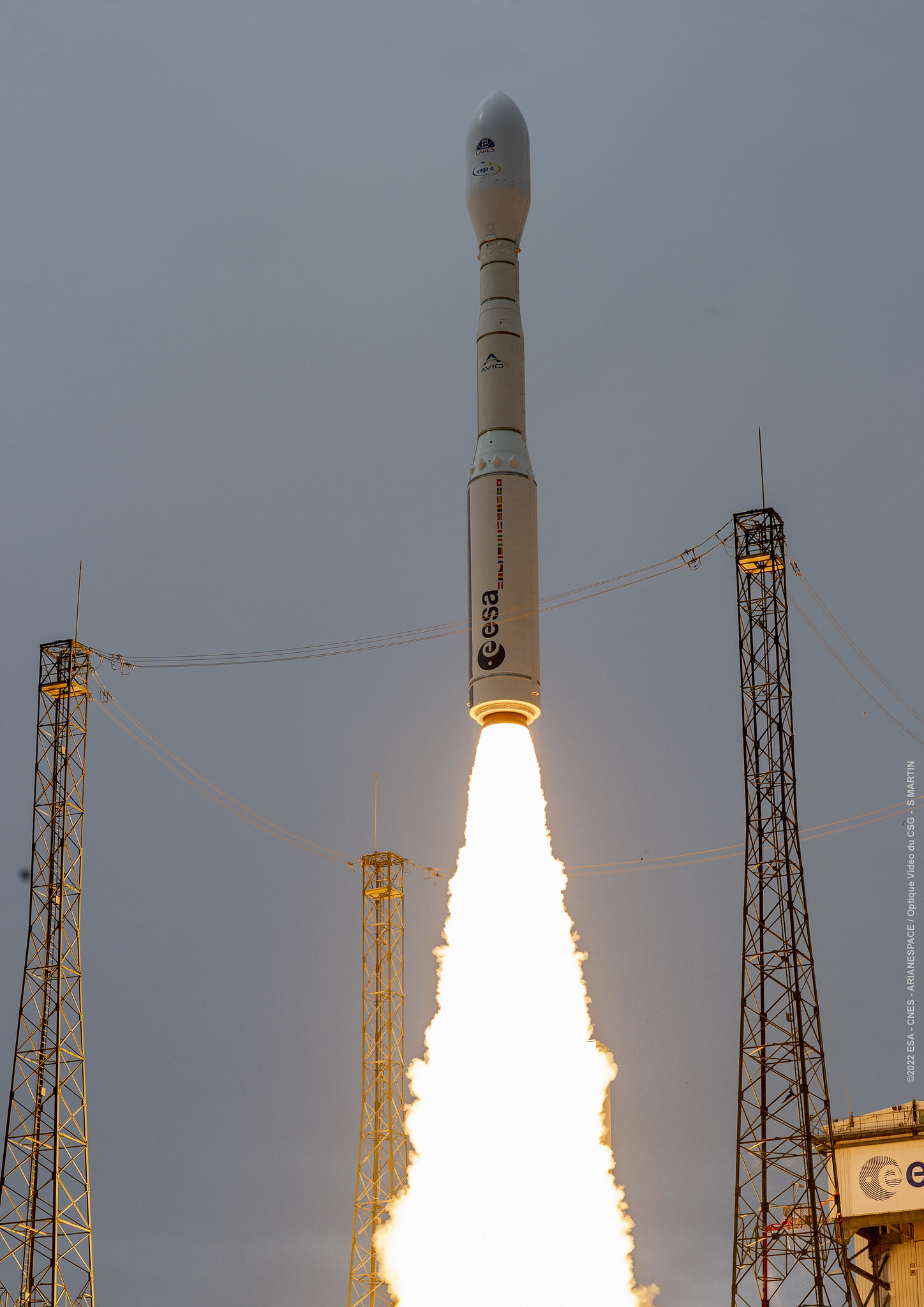
Today's Space Brief covers key topics including new defense mandates for space, Firefly Aerospace's public filing, major funding for Varda Space Industries, and updates on SpaceX's Crew-11 mission and a mystery satellite launch.

Today's Space Brief covers a significant signals intelligence launch, a record-breaking satellite deployment in China, a glimpse into the newest stealth drone, a potential delay for NASA's lunar lander, and more exciting updates from satellite world.

SpaceX's Falcon 9 launches SpainSat NG-1 satellite as Starlink compatibility causes market ripples.

Today's brief covers SpaceX's launch of a secret US spy satellite, national security satellite launches, and Japan's missile ambitions. Also highlighted are Estonia's AI defense upgrades and autonomous airpower in Australia.
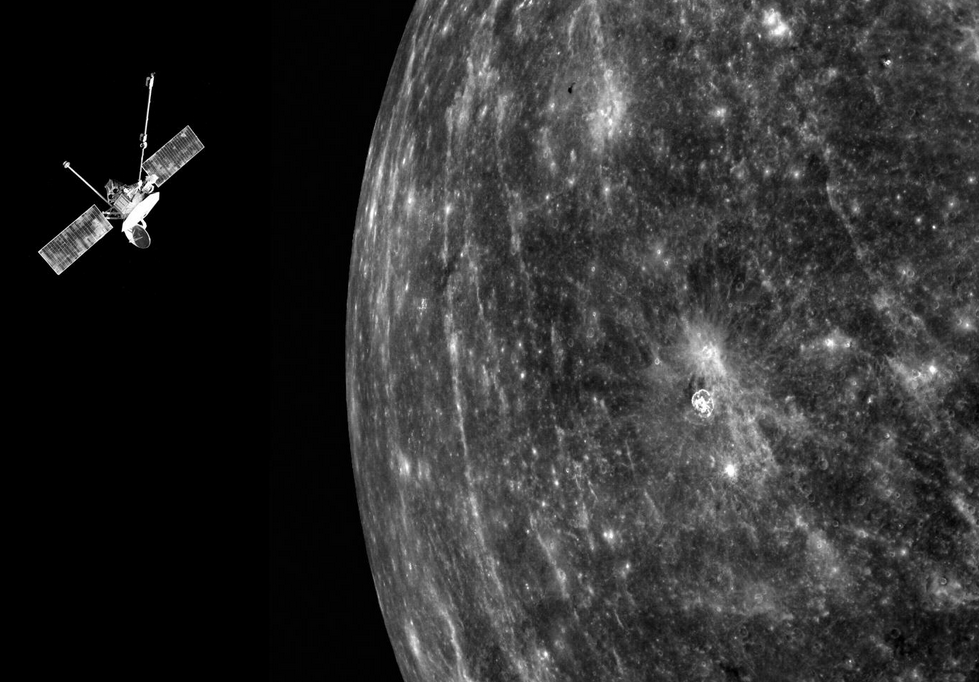
Fifty-one years ago, Mariner 10 revolutionized space exploration by executing the first-ever planetary gravity assist at Venus, pioneering a technique that would transform how we explore the solar system

Today's Space Brief covers significant events including a high-stakes missile defense program, recent Chinese satellite launches, military defense initiatives, and key profiles in defense leadership.

SpaceX successfully launched NASA's TRACERS mission while Starlink faced a brief global outage, affecting users worldwide.