



Space Brief 17 Jan 2025
Today's brief covers developments involving Space Force officials, Sierra Space's satellite milestone, and Voyager Space's rebranding for national security focus. Additionally, we spotlight the Cosmos 447 satellite.



NORAD ID
68231
International Designator
2026-053AA
Epoch
Mon, 20 Jul 2026 02:08:16 GMT
Apogee
Calculating...
Perigee
Calculating...
Inclination
97.29°
Right Ascension
75.82°
Eccentricity
Calculating...
Argument of Perigee
89.30°
Period
93.91 min
Mean Motion
15.33 rev/day
Latitude
Calculating...
Longitude
Calculating...
Altitude
Calculating...
Velocity
Calculating...
Name
STARLINK-37104
Alternative Name
N/A
Type
Status
Owner
SPXS
Country
United States
Constellation
N/A
Related Satellites
Major Events
N/A
1 68231U 26053AA 26201.08907625 .00009292 00000+0 28979-3 0 9993
2 68231 97.2851 75.8242 0002017 89.2953 270.8521 15.33444852 20510
Source: Celestrak
Length
0.3
Diameter
4.1
Span
29.0
Dry Mass
530
Launch Mass
575
Shape
Box + pan
Radar Cross Section
Unknown
Visual Magnitude
Unknown
Color
Unknown
Material Composition
Unknown
Payload
Starlink Group 17-24-25
Purpose
Unknown
Mission
Unknown
Manufacturer
SPXS
Life Expectancy
Unknown
Bus
Starlink V2MO
Configuration
Unknown
Motor
Unknown
Equipment
Unknown
Power System
Unknown
ADCS
Unknown
Transmitter Frequency
Unknown
Learn more about satellites and other related topics.
Today's brief covers developments involving Space Force officials, Sierra Space's satellite milestone, and Voyager Space's rebranding for national security focus. Additionally, we spotlight the Cosmos 447 satellite.
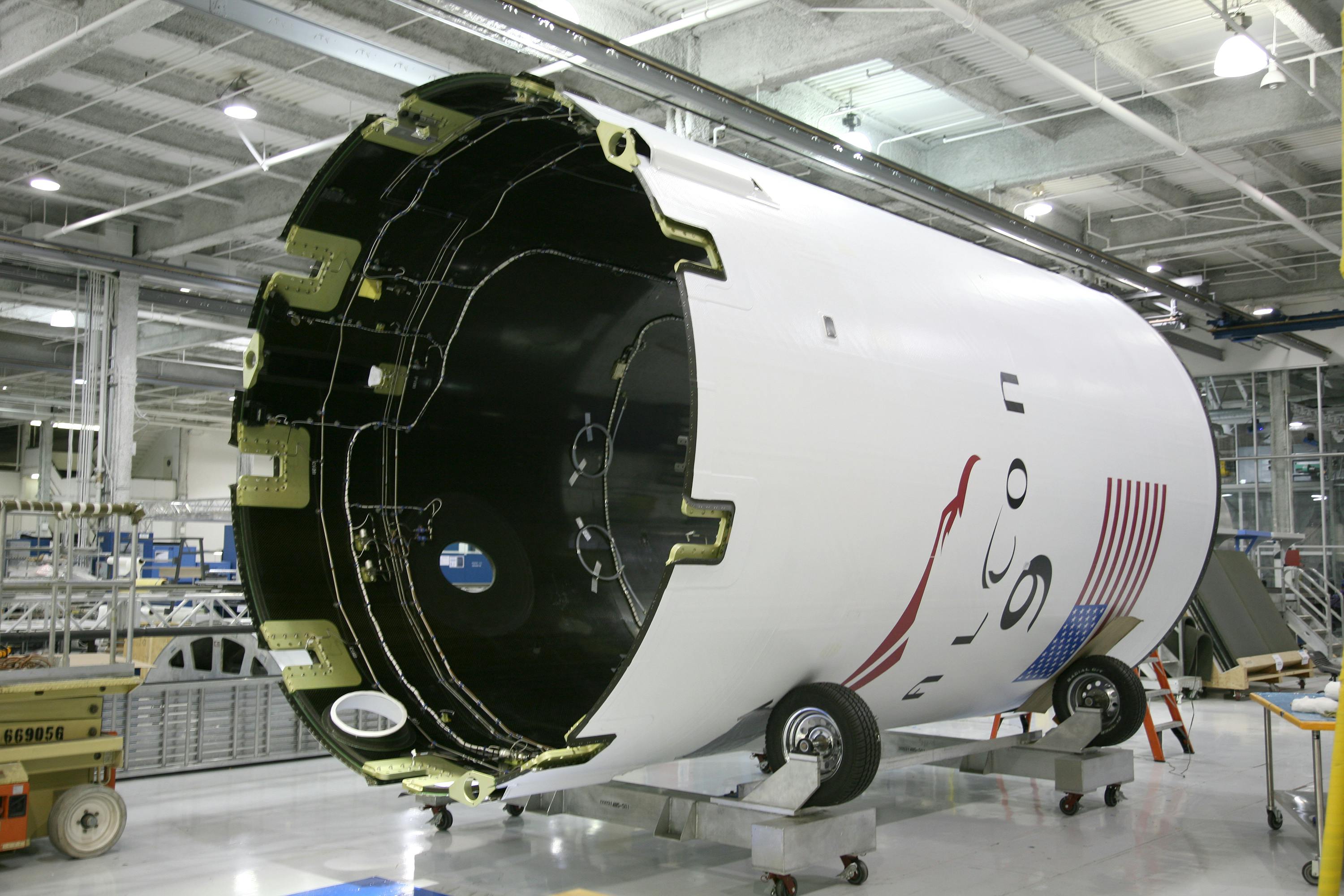
Falcon 9 targets ISS Cygnus resupply as Artemis II reaches its halfway mark and SpaceX HLS commitment draws NASA praise.
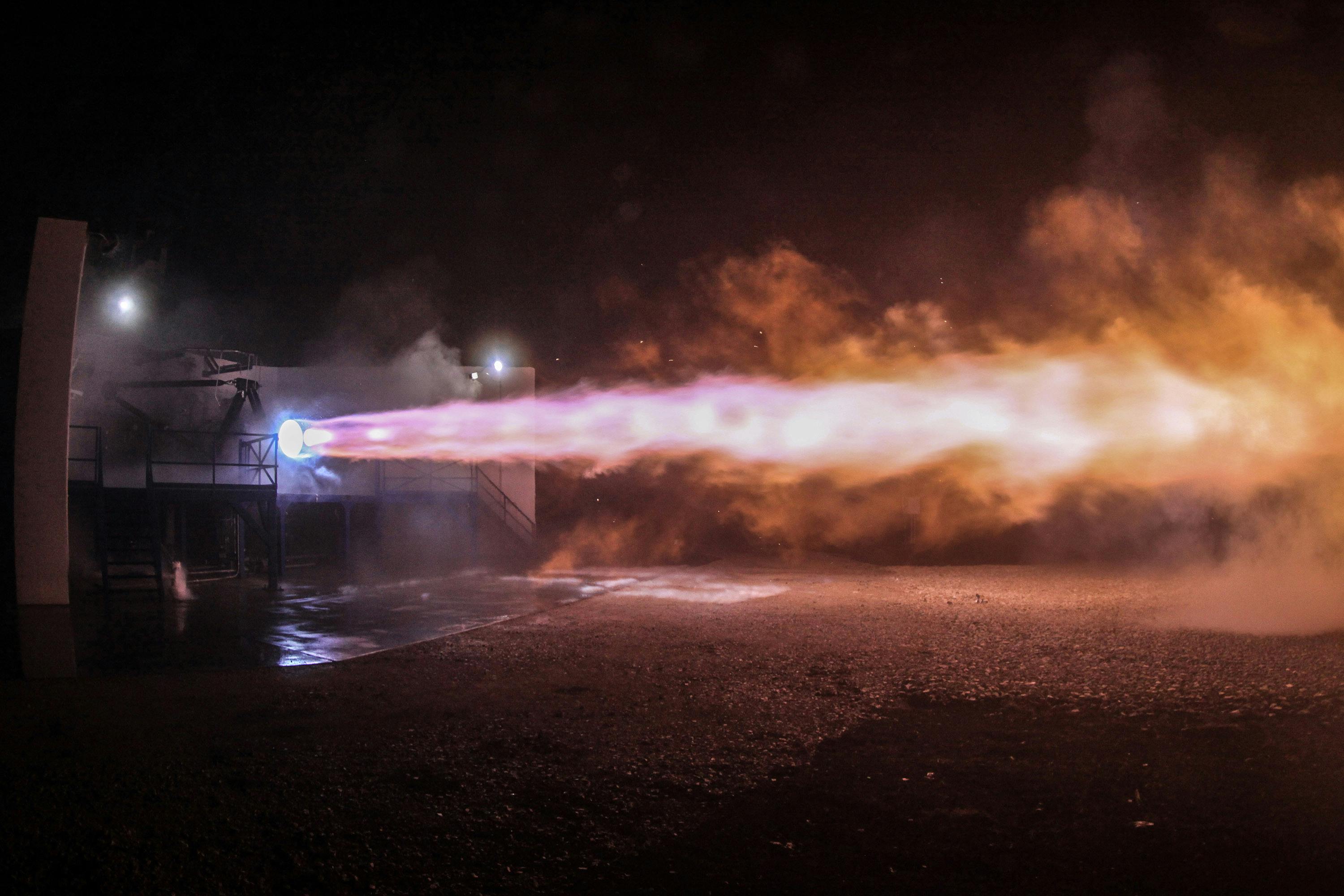
Today's brief highlights a nuclear battery startup's funding boost, advisory board additions in the space sector, and key military updates impacting space operations.
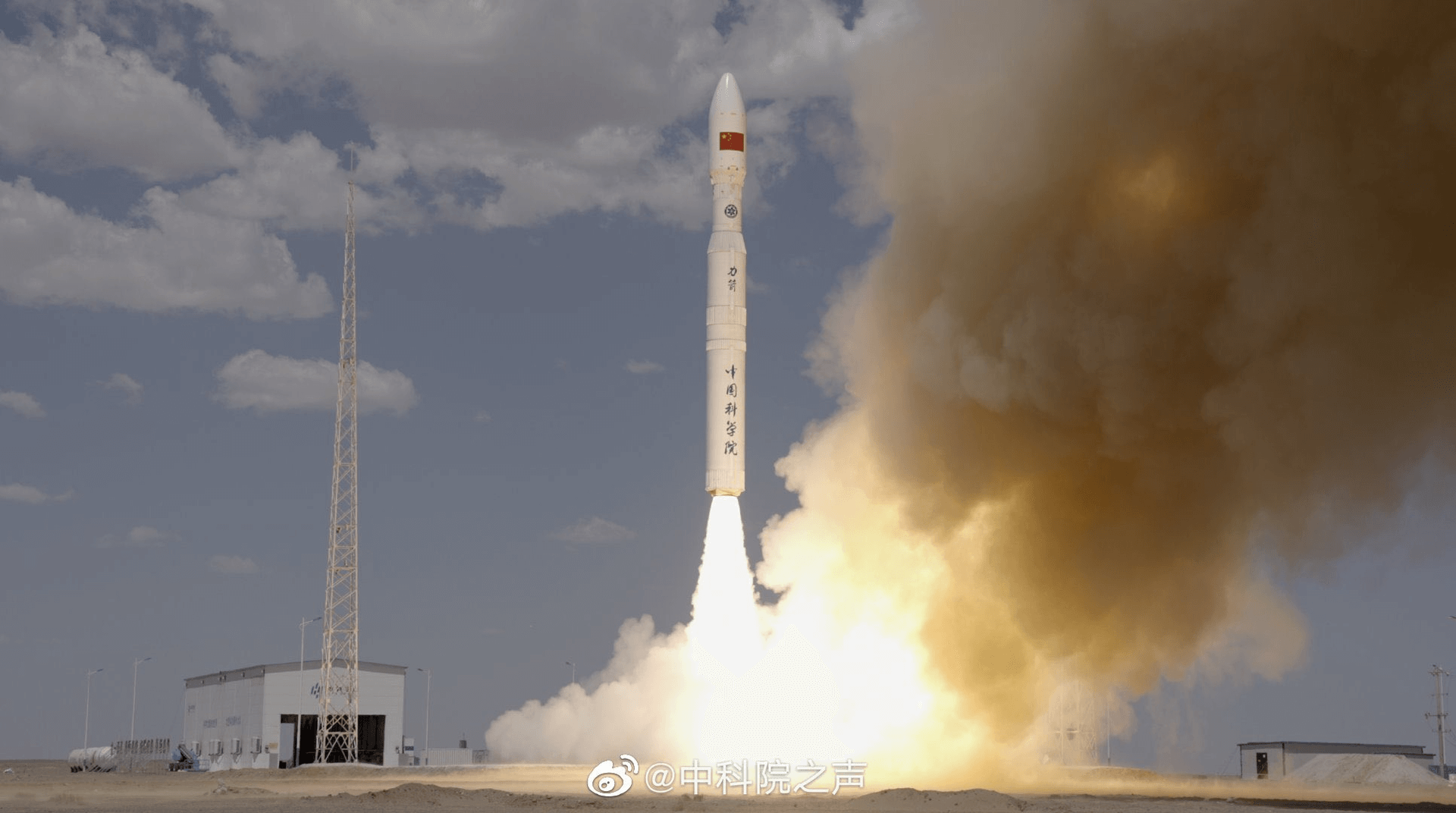
Today's report covers SpaceX's progress on Starship pad realignment and Rocket Lab's delay of its Neutron rocket debut, highlighting key advancements and competitive dynamics in the space industry.

SpaceX launches Maxar's high-resolution imaging satellites, Ontario reconsiders its Starlink contract, and the countdown to NASA's Lunar Trailblazer mission begins.

Key space events for today include potential changes in US space policy involving SpaceX, uncertainties regarding NASA's Starliner, and China's new steps in asteroid exploration.

On April 22, 2026, the FAA published a final rule implementing per-launch user fees for commercial space transportation — the first time the U.S. government has charged payload-based fees for rocket launches. Starting at 25 cents per pound with a $30,000 cap, the fees are modest today. By 2033, they won't be.
Today's brief covers next-generation missile defense strategies, NASA's Dream Chaser contract updates, and technological advances in Air Force cyber defense.