


SpaceX Hits 10,000 Starlink Satellites in Orbit | KeepTrack Space Brief
SpaceX surpassed 10,000 simultaneous Starlink satellites in orbit after Starlink 17-24 deployed 25 satellites from California. Milestone reached in under 7 years.



NORAD ID
68160
International Designator
2026-049U
Epoch
Sun, 19 Jul 2026 19:37:23 GMT
Apogee
Calculating...
Perigee
Calculating...
Inclination
97.29°
Right Ascension
221.65°
Eccentricity
Calculating...
Argument of Perigee
122.25°
Period
93.91 min
Mean Motion
15.33 rev/day
Latitude
Calculating...
Longitude
Calculating...
Altitude
Calculating...
Velocity
Calculating...
Name
STARLINK-36306
Alternative Name
N/A
Type
Status
Owner
SPXS
Country
United States
Constellation
N/A
Related Satellites
Major Events
N/A
1 68160U 26049U 26200.81762825 .00012416 00000+0 38626-3 0 9992
2 68160 97.2852 221.6471 0001122 122.2491 237.8860 15.33447474 19899
Source: Celestrak
Length
0.3
Diameter
4.1
Span
29.0
Dry Mass
530
Launch Mass
575
Shape
Box + pan
Radar Cross Section
Unknown
Visual Magnitude
Unknown
Color
Unknown
Material Composition
Unknown
Payload
Starlink Group 17-31-19
Purpose
Unknown
Mission
Unknown
Manufacturer
SPXS
Life Expectancy
Unknown
Bus
Starlink V2MO
Configuration
Unknown
Motor
Unknown
Equipment
Unknown
Power System
Unknown
ADCS
Unknown
Transmitter Frequency
Unknown
Learn more about satellites and other related topics.
SpaceX surpassed 10,000 simultaneous Starlink satellites in orbit after Starlink 17-24 deployed 25 satellites from California. Milestone reached in under 7 years.

Exciting SpaceX updates include the arrival of Athena moon lander, SPHEREx telescope's upcoming launch, and SpaceX's GigaBay development.
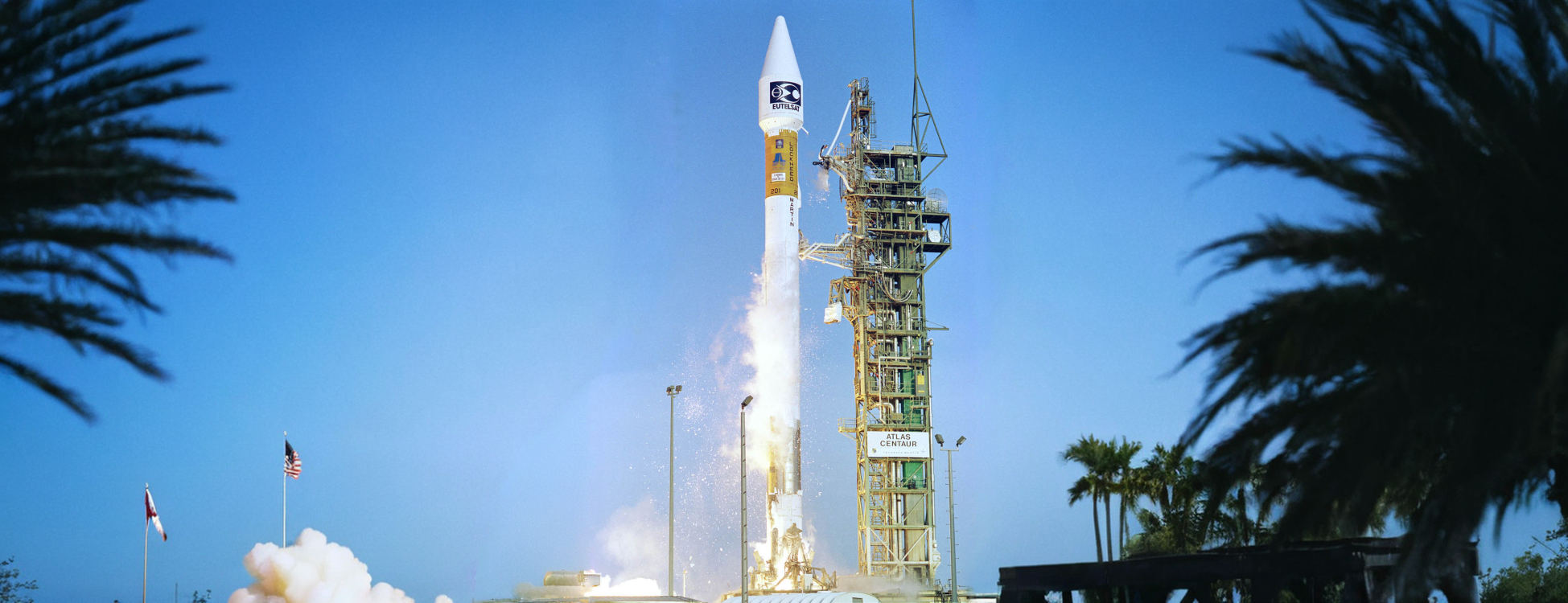
Twenty years ago, an Atlas rocket carrying a classified payload lifted off from Cape Canaveral, marking the end of a revolutionary spacecraft design that helped launch America into the Space Age

Key topics today include the US Space Force's new international strategy, China's partnership with Pakistan for astronaut training, and conservation concerns over SpaceX landing proposals.

Pentagon cancels Next-Generation OPIR Polar program after Northrop Grumman delivered sensor payload. LEO and MEO alternatives deemed sufficient for missile-warning coverage.
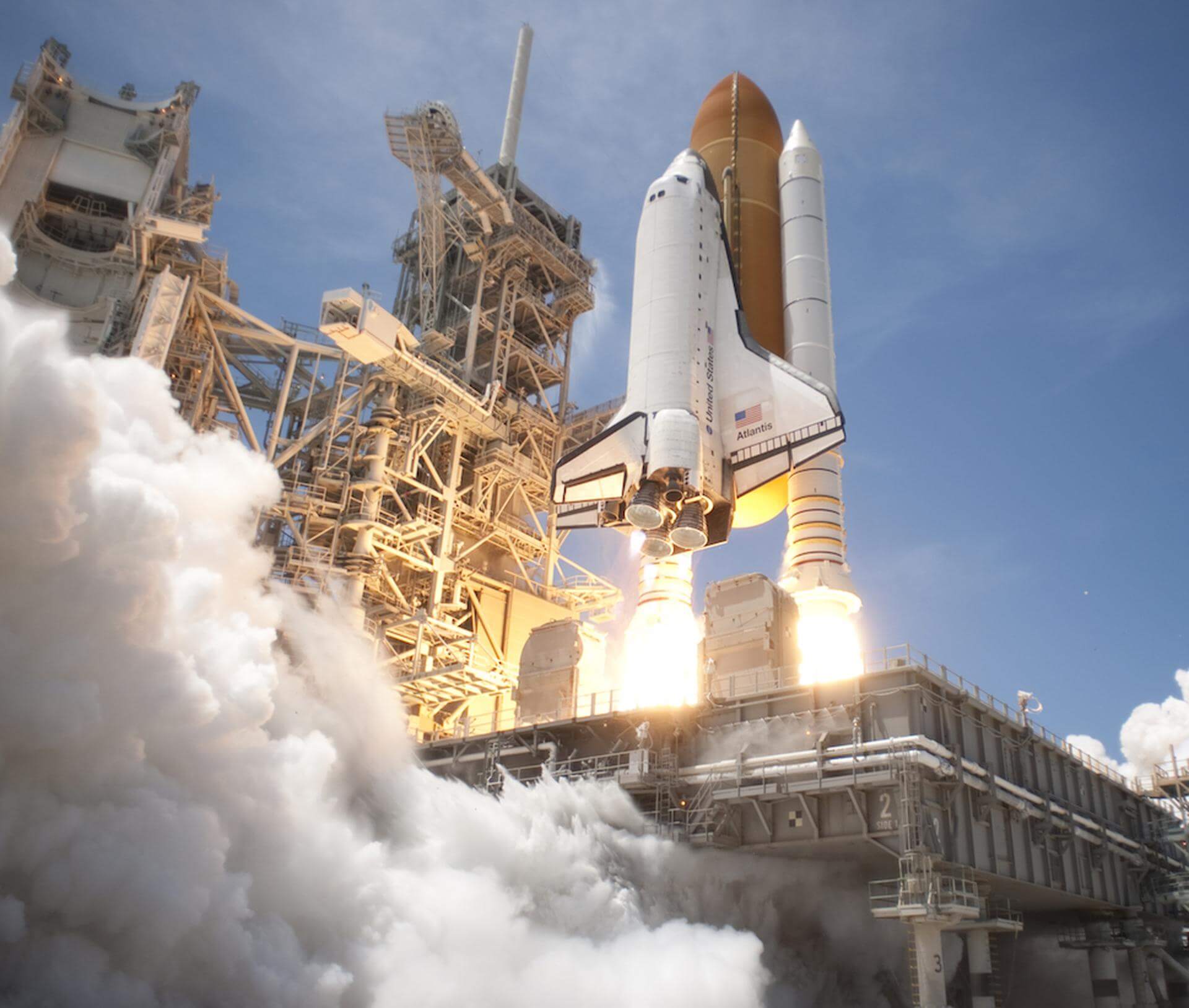
U.S. Space Force increased Andromeda contract ceiling to $6.2 billion for next-generation space situational awareness satellites replacing GSSAP and SILENTBARKER programs.
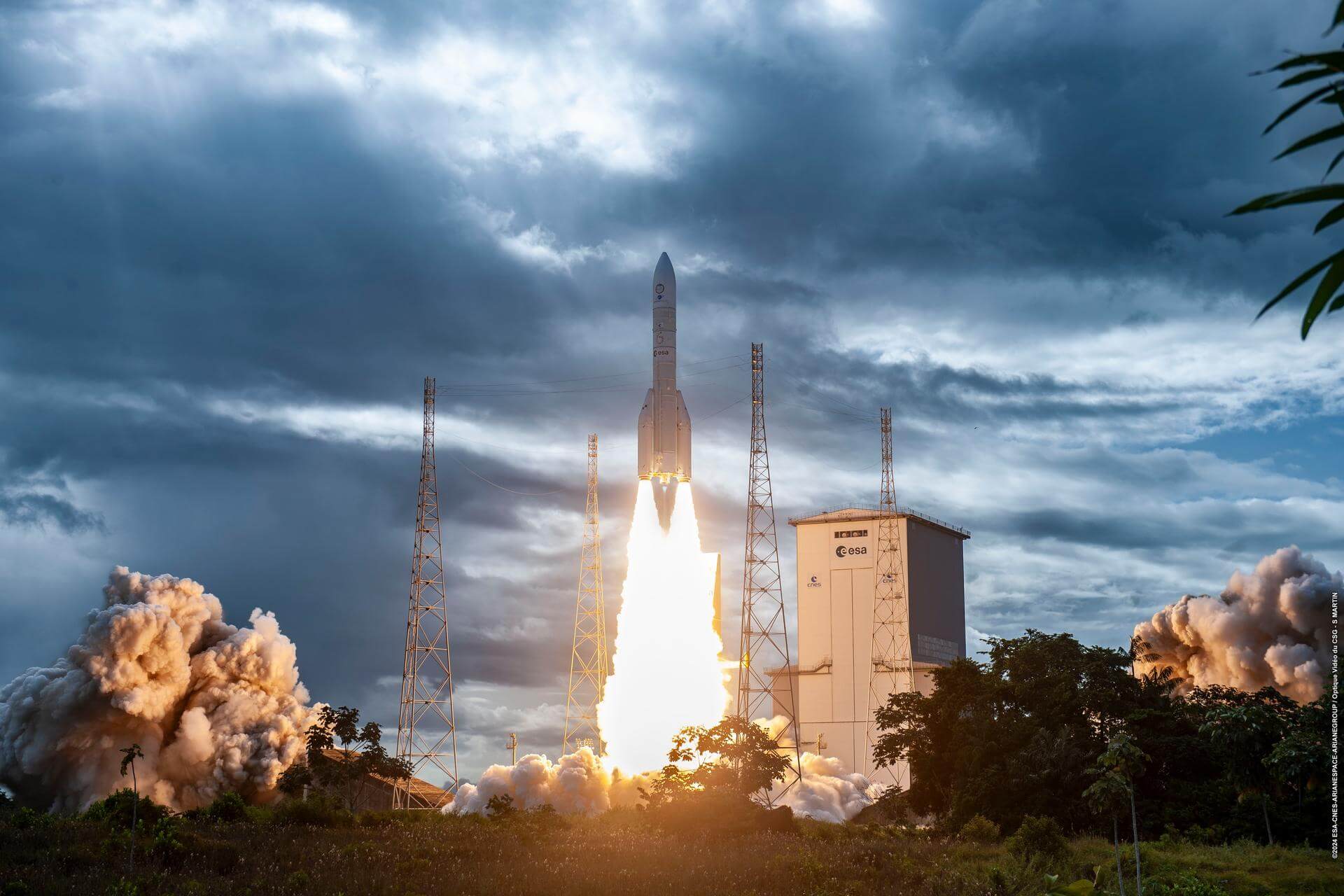
Today's space highlights include the US Space Force's advanced tracking contract, a milestone in SpaceX's Starlink program, and a new initiative to remove space debris.
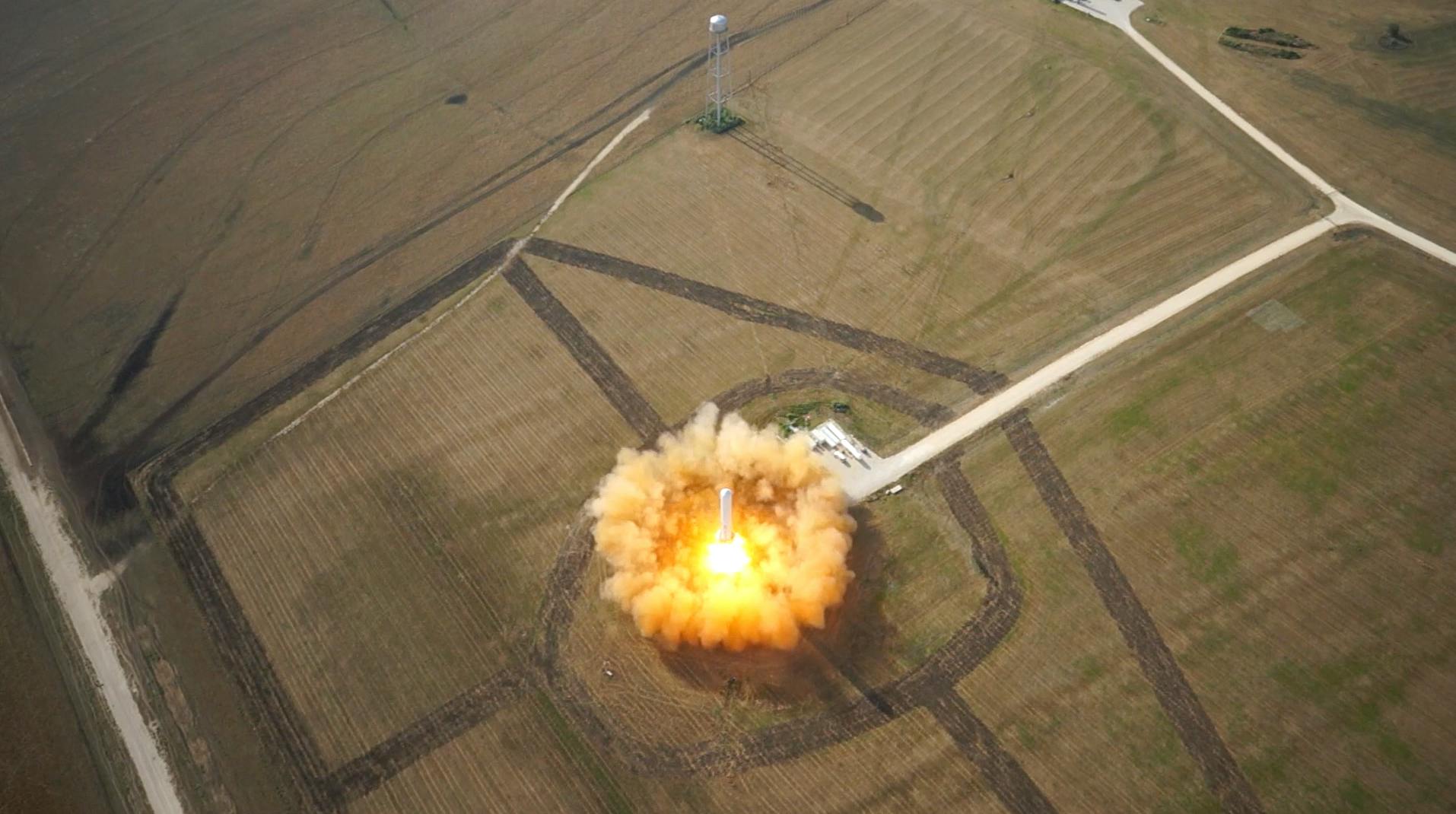
SpaceX prepares for its 10th Starship test flight, set for August 24, as the FAA grants approval following earlier setbacks.