


Mega-Constellations Are Set to Flood Earth's Orbit
We forecast how many satellites could be in orbit by 2030 and what capabilities we can expect.



Launch Date
August 24, 1973
Launch Site
Launch Pad
LC1
Launch Vehicle
Voskhod 11A57
NORAD ID
06816
International Designator
1973-059D
Decay Date
9/6/1973
Name
COSMOS 581 DEB
Alternative Name
Blenda
Type
Status
Owner
GUKOSR
Country
USSR
Constellation
N/A
Related Satellites
Major Events
N/A
Length
1
Diameter
0.4
Span
1
Dry Mass
20
Launch Mass
20
Shape
Box
Radar Cross Section
Unknown
Visual Magnitude
Unknown
Color
Unknown
Material Composition
Unknown
Payload
BZA
Purpose
Unknown
Mission
Unknown
Manufacturer
TSKBE3
Life Expectancy
Unknown
Bus
Zenit BZA
Configuration
Unknown
Motor
Unknown
Equipment
Unknown
Power System
Unknown
ADCS
Unknown
Transmitter Frequency
Unknown
Learn more about satellites and other related topics.
We forecast how many satellites could be in orbit by 2030 and what capabilities we can expect.

China's Tianlong-3 rocket failed during ascent on debut launch Friday. SpaceX secured $178.5M Space Force contract for missile tracking satellite launches beginning 2027.
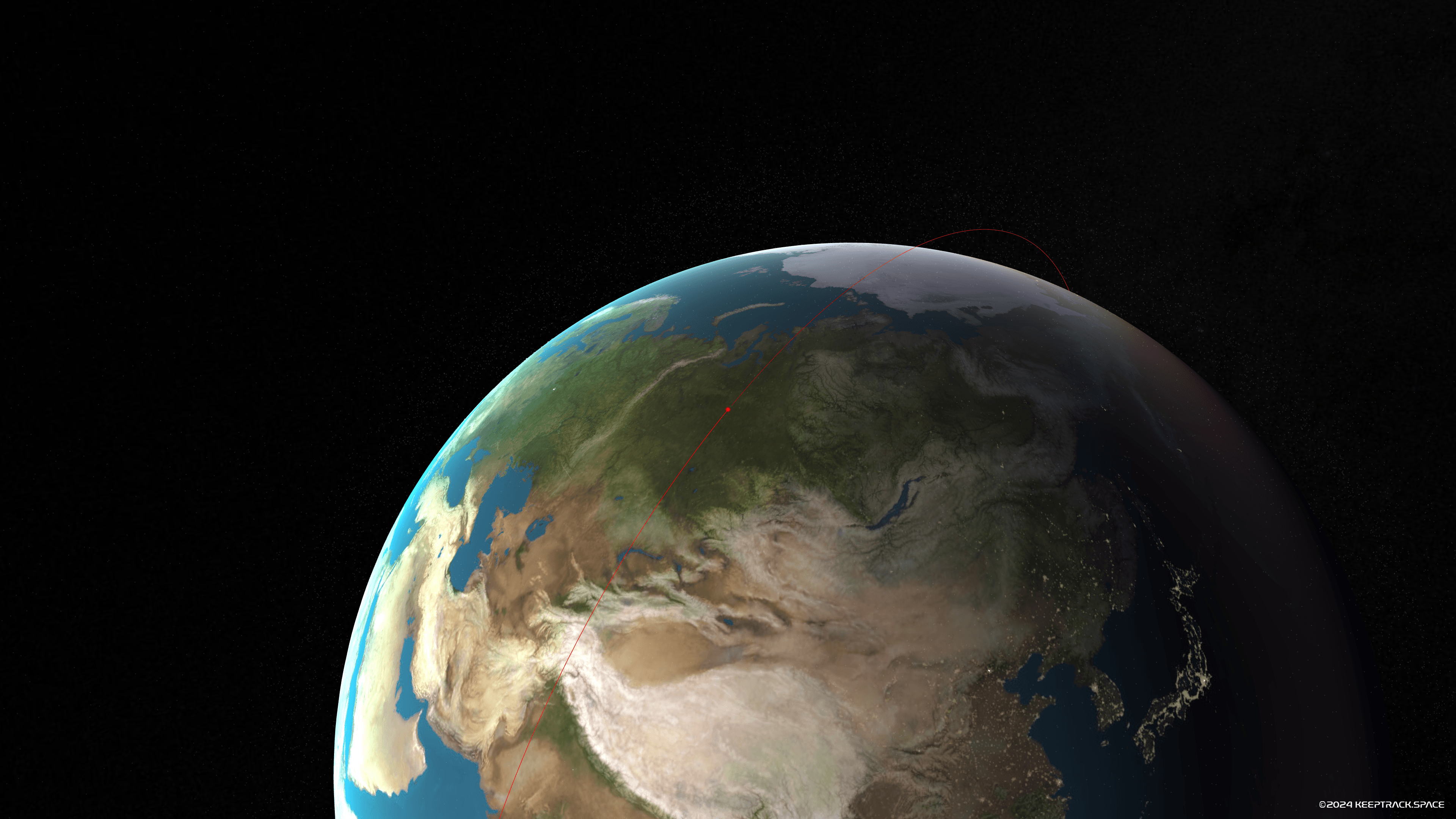
ESA's Cluster mission coming to an end, Europe's contributions to Artemis III, JUICE's groundbreaking maneuvers, Yaogan EO satellites, and amateur astronomers discovering exoplanets.

Today's Space Brief highlights pivotal defense budget evaluations, Lithuania's growing defense connections, the first CubeSat for ESA's Ramses mission, and the one-year milestone of the Aries satellite in orbit.

Today's briefing covers the US Space Force's pivotal journeys, emerging hypersonic weaponry, and innovative drone technologies, with a special satellite update featuring Jackal X-1L-001.
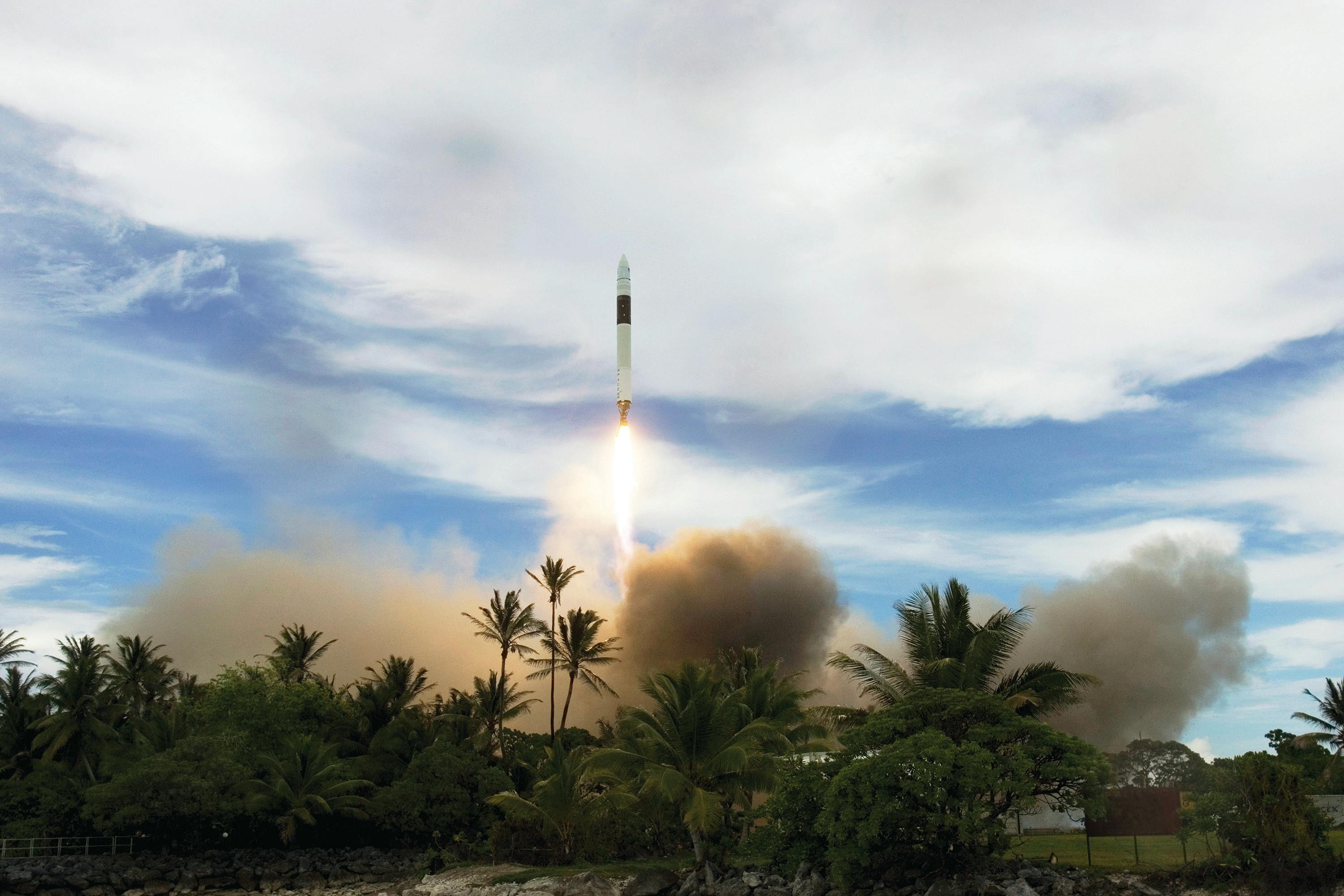
Starlink satellites in orbit May 2026: 10,374, with 10,358 working. Mission 17-29 lifts 24 more from Vandenberg and a satellite films the Starlink train.

SpaceX Falcon 9 booster B1067 set for 36th flight Thursday with Starlink 10-42 mission from Cape Canaveral. Long March 10B debuts Friday in China.
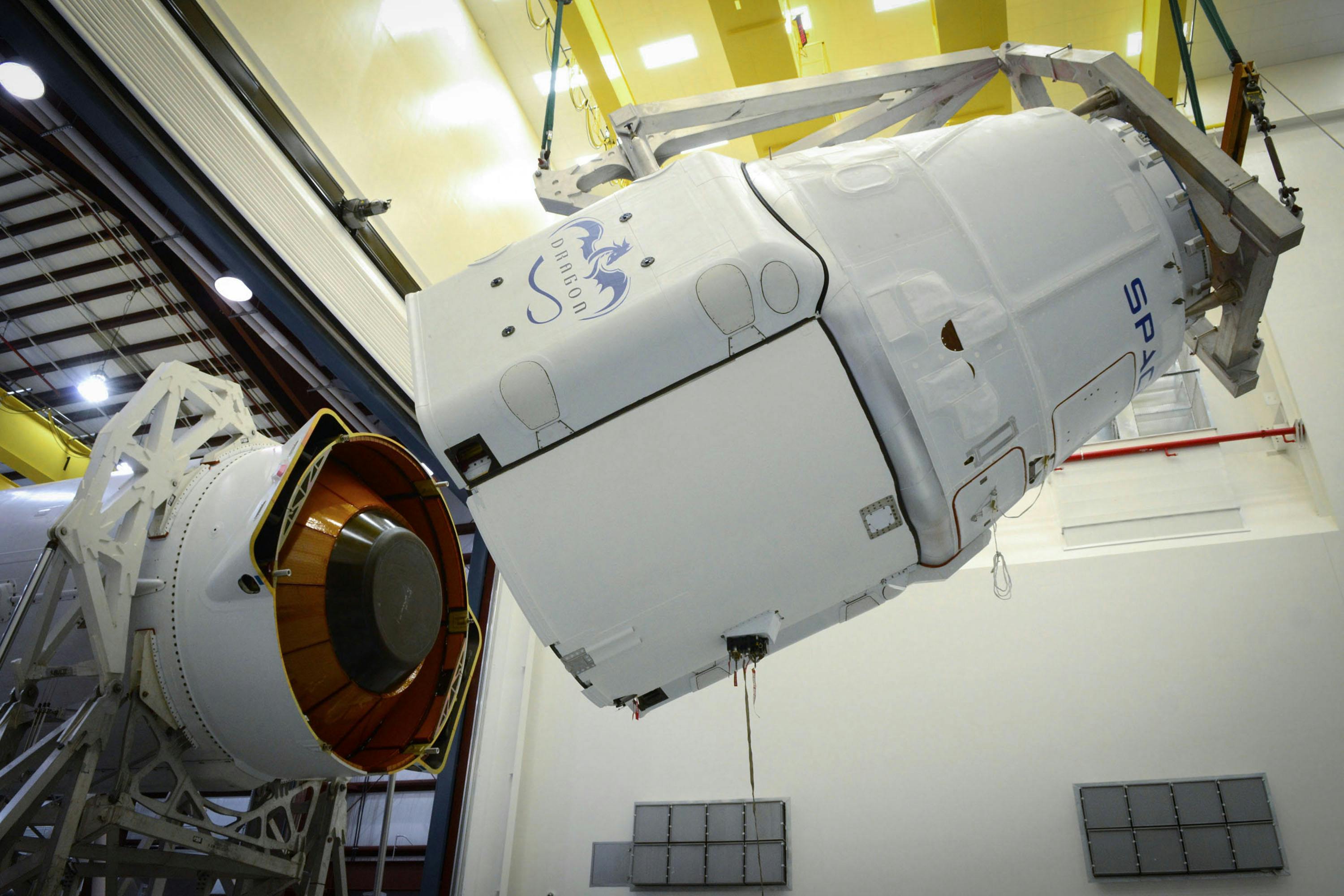
SpaceX advances with Starship, gains FCC approval for new services, and predicts a future shift in spacecraft dominance.