


2 Starshield Sats Fly on Rare Public Mission | KeepTrack X Report
SpaceX publicly confirmed 2 Starshield government satellites launched from Vandenberg on June 6, a rare disclosure for the classified Starlink variant.



Launch Date
February 24, 2026
Launch Site
Launch Pad
LC40
Launch Vehicle
NORAD ID
67948
International Designator
2026-037S
Epoch
Sun, 19 Jul 2026 07:15:14 GMT
Apogee
Calculating...
Perigee
Calculating...
Inclination
43.00°
Right Ascension
167.06°
Eccentricity
Calculating...
Argument of Perigee
287.05°
Period
94.27 min
Mean Motion
15.28 rev/day
Latitude
Calculating...
Longitude
Calculating...
Altitude
Calculating...
Velocity
Calculating...
Name
STARLINK-36873
Alternative Name
N/A
Type
Status
Owner
SPXS
Country
United States
Constellation
N/A
Related Satellites
Major Events
N/A
1 67948U 26037S 26200.30225082 .00005408 00000+0 20589-3 0 9997
2 67948 43.0021 167.0560 0001888 287.0467 73.0178 15.27585055 23475
Source: Celestrak
Length
0.3
Diameter
4.1
Span
29.0
Dry Mass
530
Launch Mass
575
Shape
Box + pan
Radar Cross Section
Unknown
Visual Magnitude
Unknown
Color
Unknown
Material Composition
Unknown
Payload
Starlink Group 6-110-17
Purpose
Unknown
Mission
Unknown
Manufacturer
SPXS
Life Expectancy
Unknown
Bus
Starlink V2MO
Configuration
Unknown
Motor
Unknown
Equipment
Unknown
Power System
Unknown
ADCS
Unknown
Transmitter Frequency
Unknown
Learn more about satellites and other related topics.
SpaceX publicly confirmed 2 Starshield government satellites launched from Vandenberg on June 6, a rare disclosure for the classified Starlink variant.

Today's brief covers Firefly's acquisition, military tracking from the moon, France's boost in military space funding, and more.

Key highlights on China's reusable rocket developments, U.S. military's Tranche 1 satellite launch, Space Force's weapons acquisition strategies, and more.
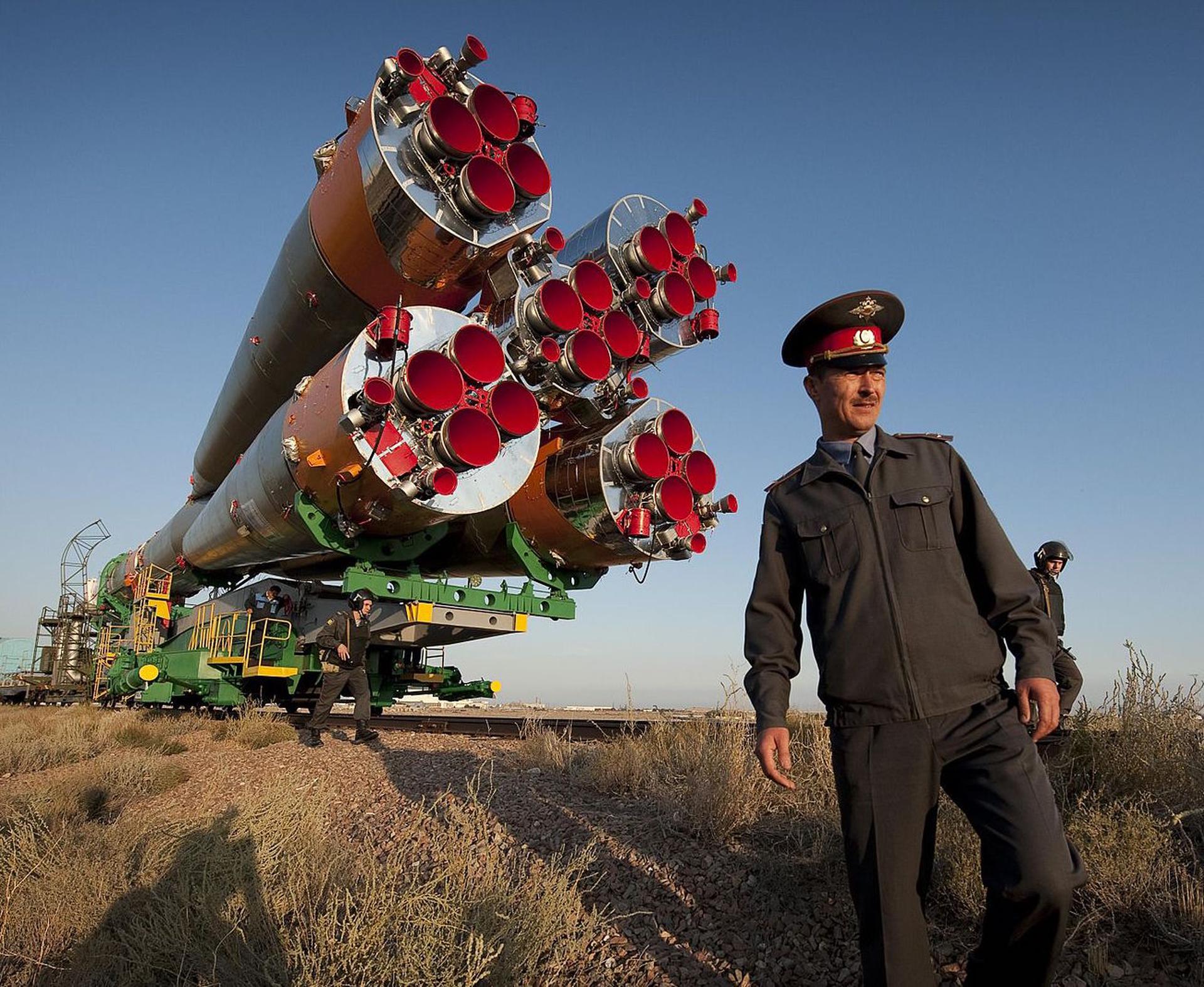
Today's Space Brief highlights emerging technologies in space, a contract for U.S. Space Force missions, developments in military operations, and updates on drone advancements.

Today's brief covers Blue Origin's launch delay, SpaceX's upcoming Starlink mission, and highlights the YAOGAN-43 O1C satellite.
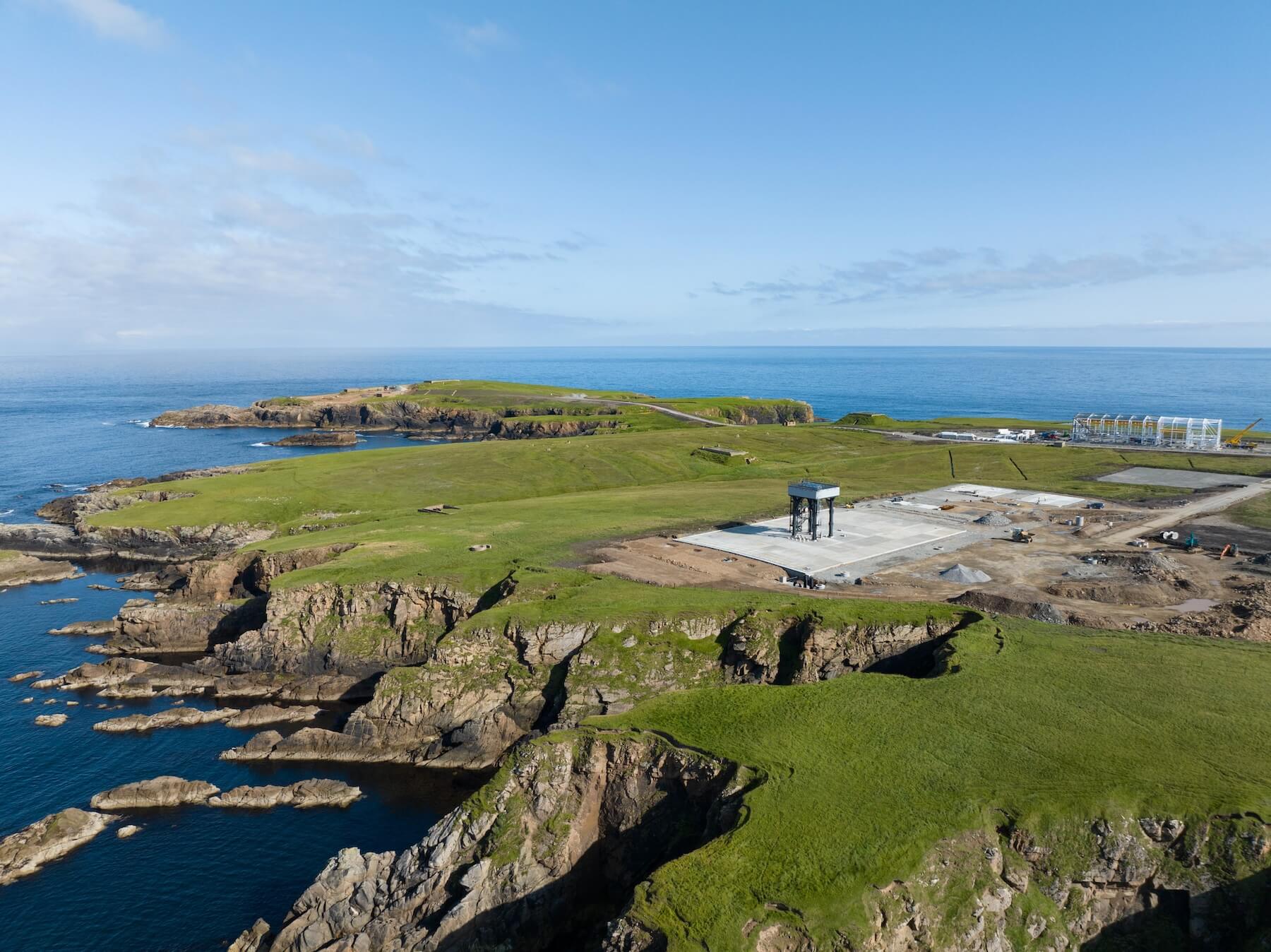
The UK's orbital ambitions rest on a remote Shetland island. How SaxaVord became Europe's first fully licensed vertical launch spaceport - and why, despite being ready for years, it's still waiting for a rocket that works.
Today's briefing covers a new naming system by Space Force, China's space advances, drone defense at Cape Canaveral, and more military updates impacting space operations.
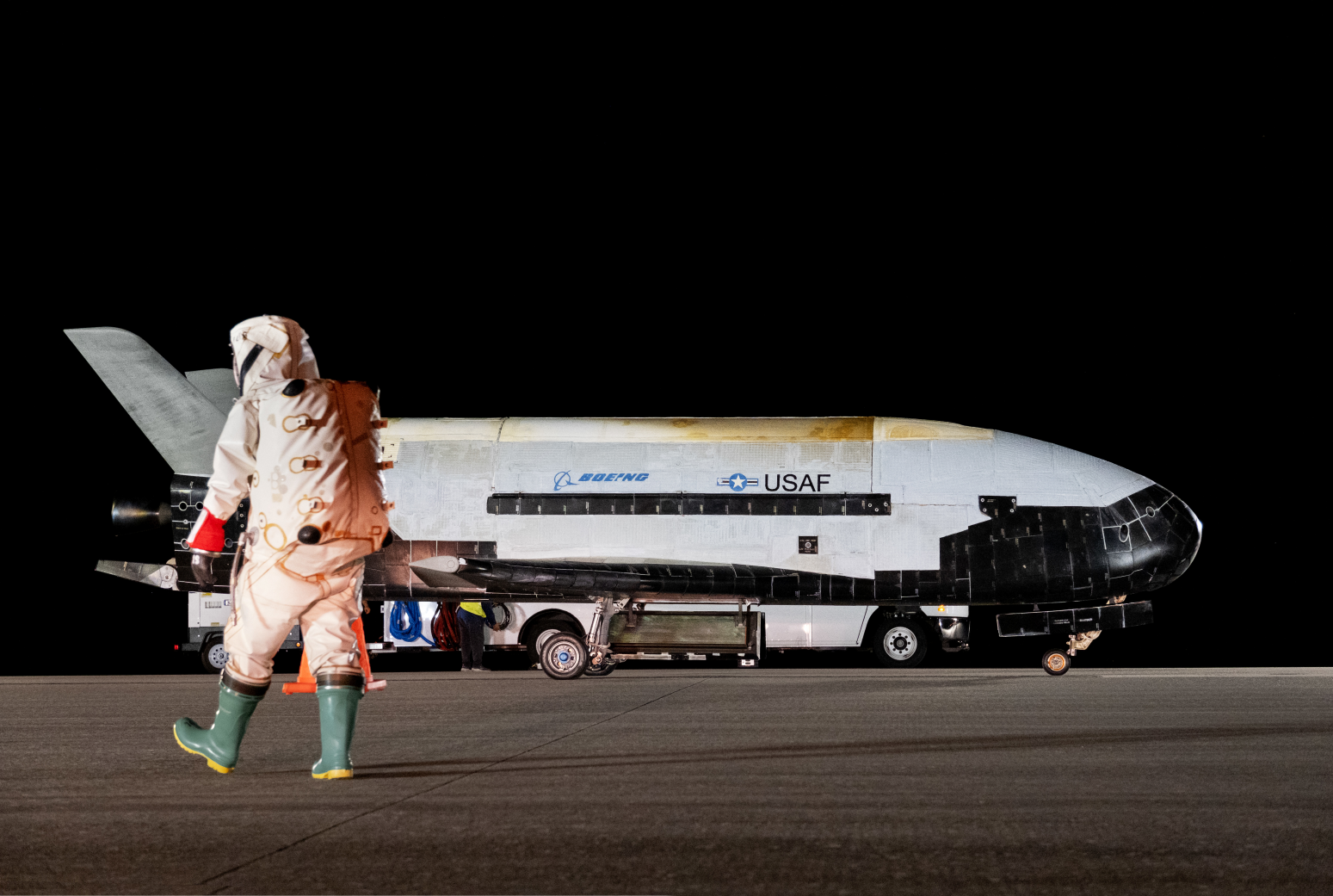
On April 22, 2010, an Atlas V lifted off from Cape Canaveral carrying a reusable robotic spaceplane so secret that the Air Force would not even confirm its mission duration. It came back 224 days later, lighter, quieter, and more operational than anyone outside Washington had expected. Fifteen years later, the X-37B is still flying, and the military still will not say what it does.