


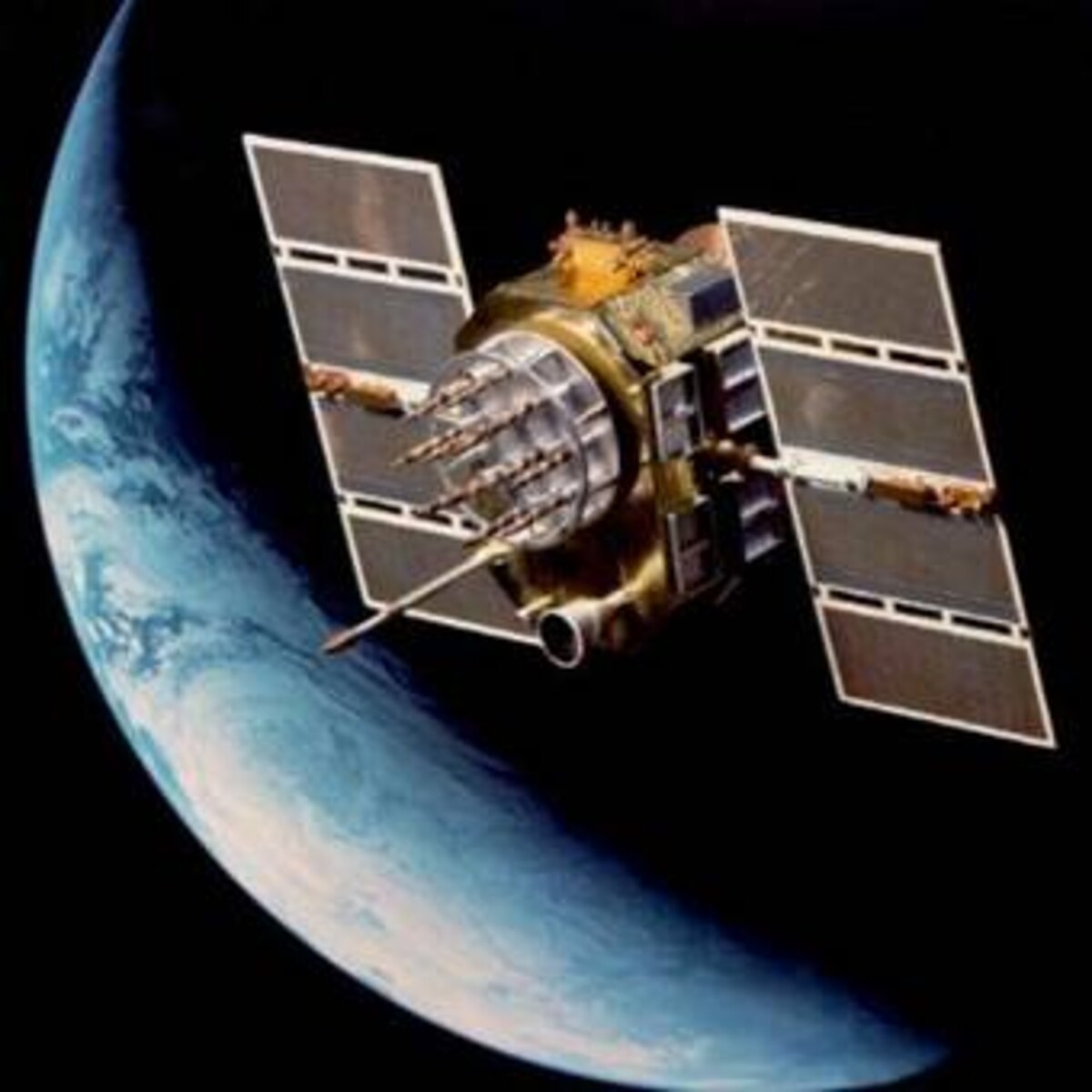
The Day That Changed How We Navigate Forever
Forty-seven years ago, an Atlas rocket carried the first GPS satellite into orbit, launching a revolution in navigation that would transform daily life across the globe



Launch Date
February 16, 2026
Launch Site
Launch Pad
LC40
Launch Vehicle
NORAD ID
67834
International Designator
2026-033P
Epoch
Sun, 19 Jul 2026 19:21:51 GMT
Apogee
Calculating...
Perigee
Calculating...
Inclination
43.00°
Right Ascension
240.57°
Eccentricity
Calculating...
Argument of Perigee
282.95°
Period
94.27 min
Mean Motion
15.28 rev/day
Latitude
Calculating...
Longitude
Calculating...
Altitude
Calculating...
Velocity
Calculating...
Name
STARLINK-36655
Alternative Name
N/A
Type
Status
Owner
SPXS
Country
United States
Constellation
N/A
Related Satellites
Major Events
N/A
1 67834U 26033P 26200.80684795 .00005159 00000+0 19685-3 0 9990
2 67834 42.9977 240.5732 0001506 282.9514 77.1169 15.27585112 24884
Source: Celestrak
Length
0.3
Diameter
4.1
Span
29.0
Dry Mass
530
Launch Mass
575
Shape
Box + pan
Radar Cross Section
Unknown
Visual Magnitude
Unknown
Color
Unknown
Material Composition
Unknown
Payload
Starlink Group 6-103-14
Purpose
Unknown
Mission
Unknown
Manufacturer
SPXS
Life Expectancy
Unknown
Bus
Starlink V2MO
Configuration
Unknown
Motor
Unknown
Equipment
Unknown
Power System
Unknown
ADCS
Unknown
Transmitter Frequency
Unknown
Learn more about satellites and other related topics.
Forty-seven years ago, an Atlas rocket carried the first GPS satellite into orbit, launching a revolution in navigation that would transform daily life across the globe

SpaceX gears up for significant upcoming launches while Starlink makes an impactful difference in disaster recovery efforts. Meanwhile, ESA and Avio reveal plans for competitive advancements in reusable rocket technology.
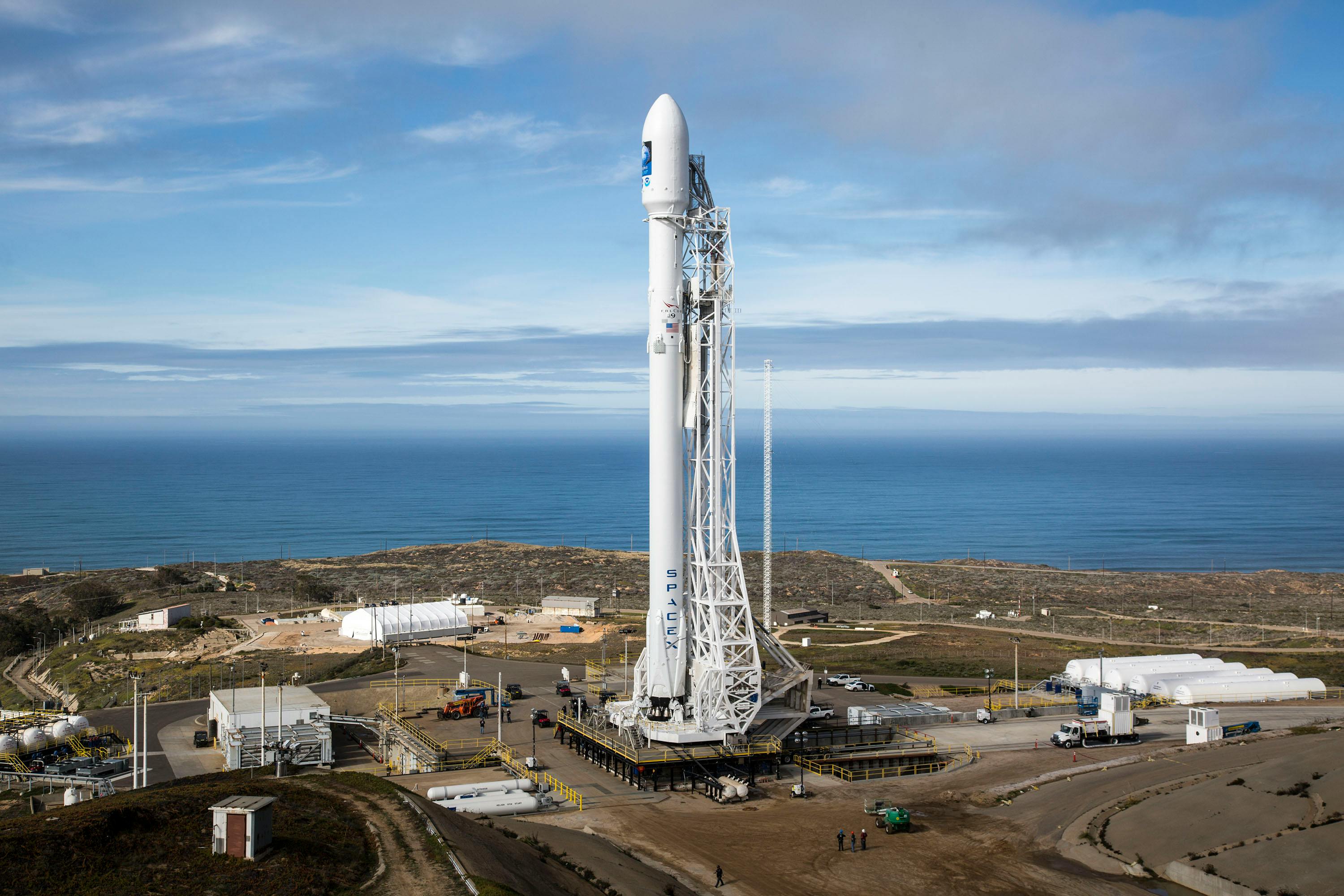
SpaceX readies Starlink 17-32 launch of 25 satellites from Vandenberg. Orbital data center economics draw attention from Musk and Bezos. 9,614 Starlink sats on orbit.

Key updates on strategic military shifts, technological advancements, and a critical replacement mission for Chinese astronauts highlight today's space news.
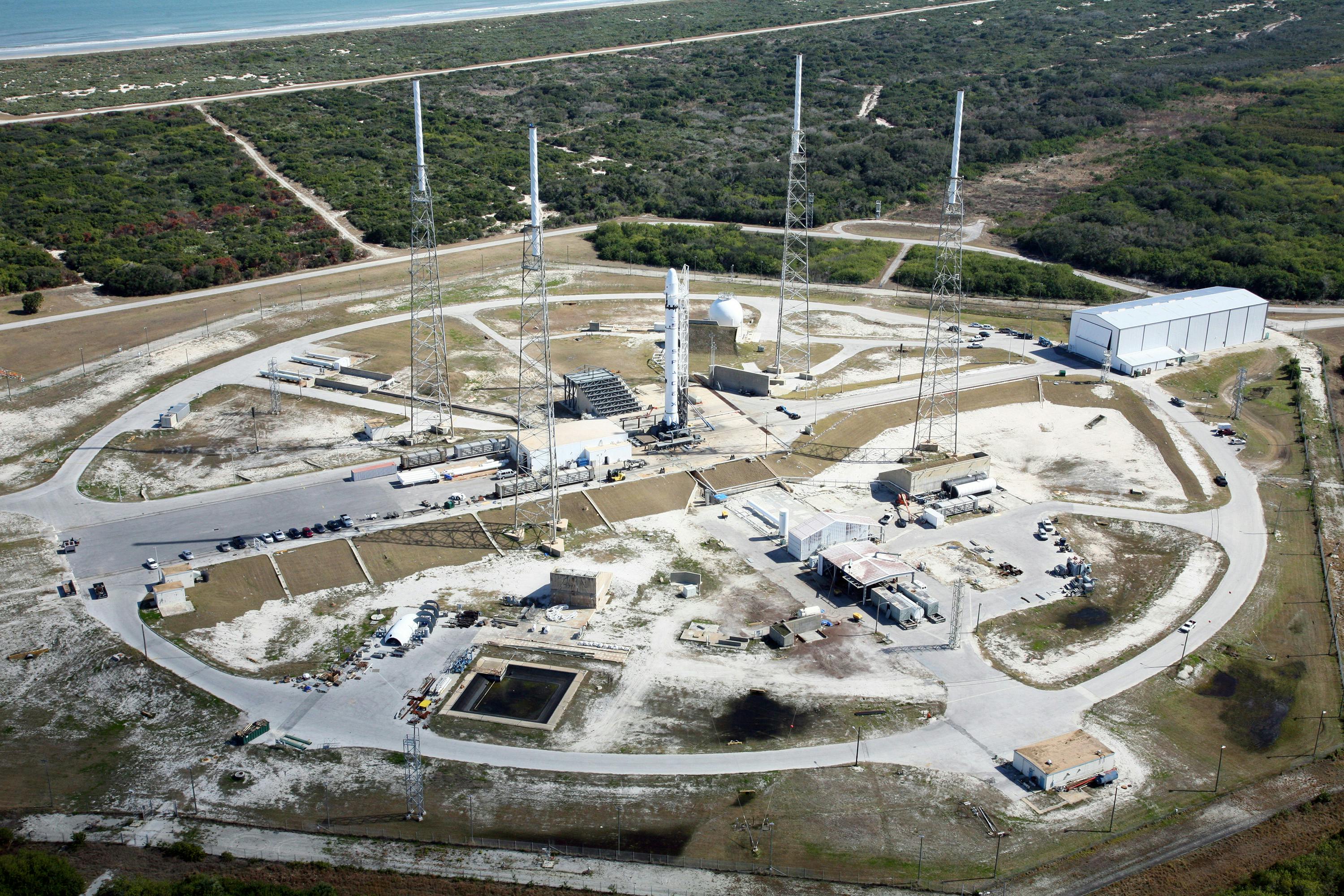
The FAA has approved an increase in Falcon 9 launches while reviewing the environmental impacts of Starship launches in Florida, amidst growing community concerns on noise and other issues related to the Starship program.
U.S. Space Force increased Andromeda contract ceiling to $6.2 billion for next-generation space situational awareness satellites replacing GSSAP and SILENTBARKER programs.
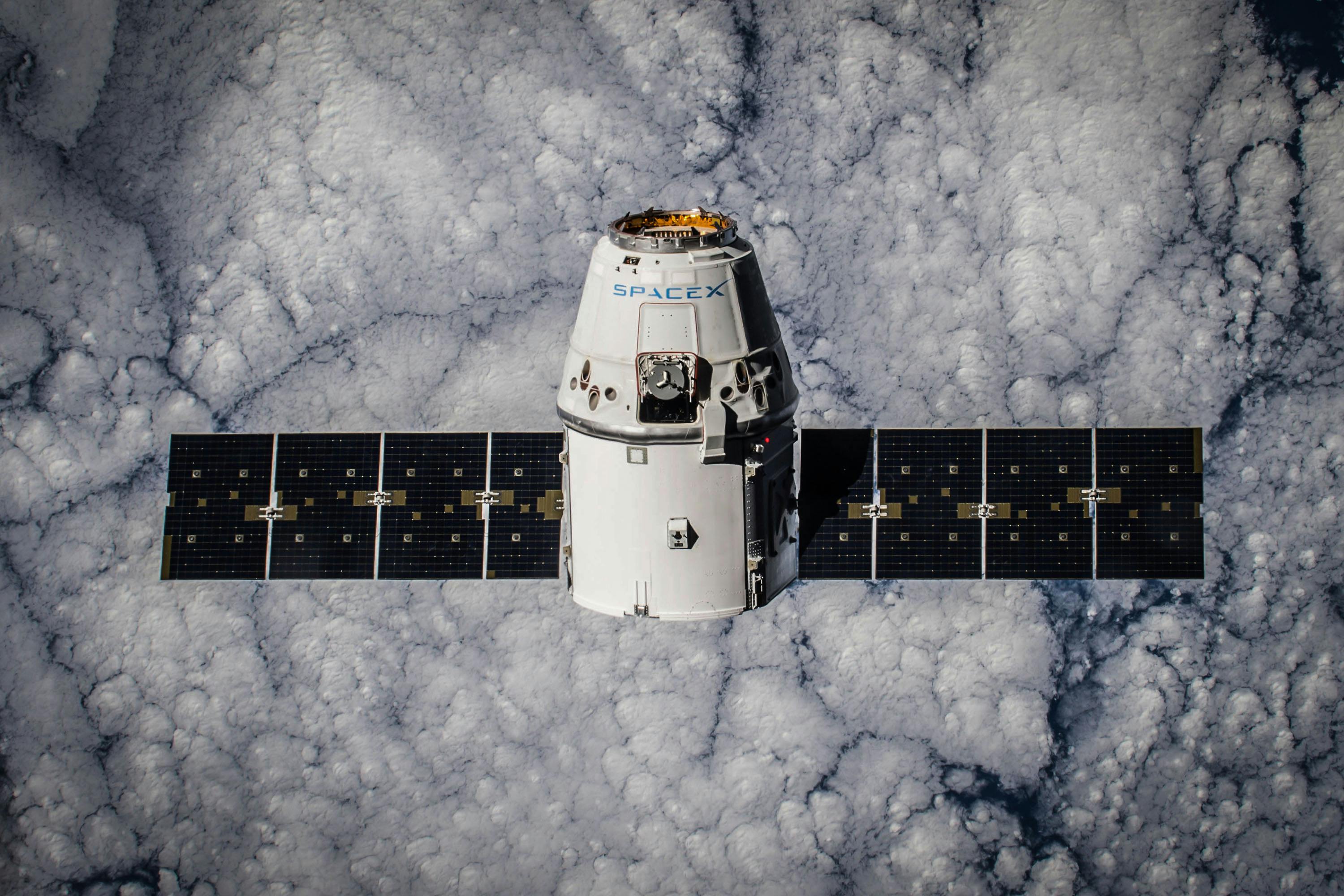
Exciting advancements from SpaceX include the debut of a new Dragon capsule for Axiom Space, continued Starlink deployments, and significant shifts in U.S. rural broadband funding that could benefit Starlink.
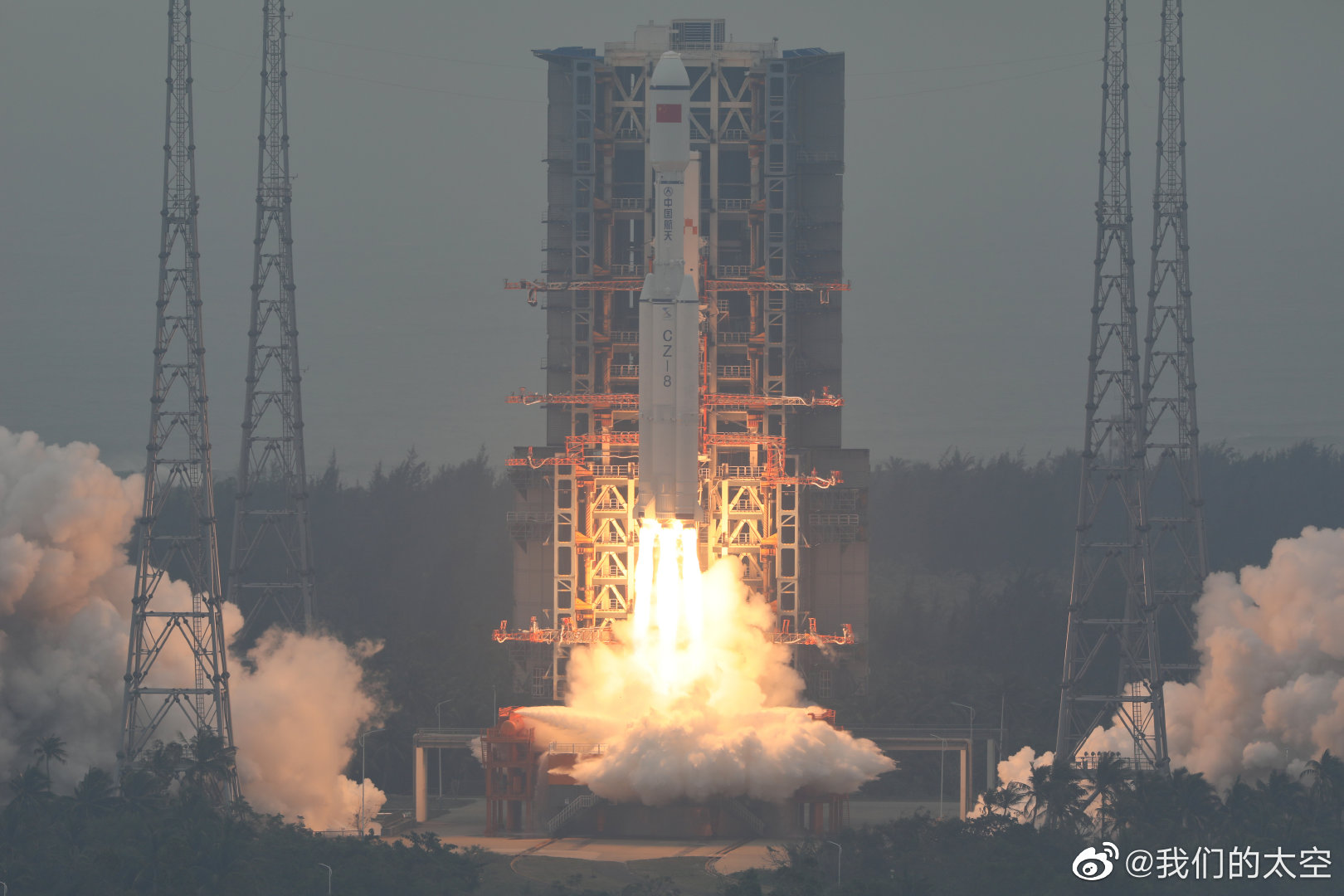
Today's Space Brief highlights SpaceX's return to Starlink launches, a call to address space debris, and changes in NASA leadership under the new Trump administration.