


X Report 2 Apr 2025
SpaceX's Fram2 mission marks a historic first in polar orbit travel, while DARPA unexpectedly detects Falcon 9 reentry using atmospheric listening.


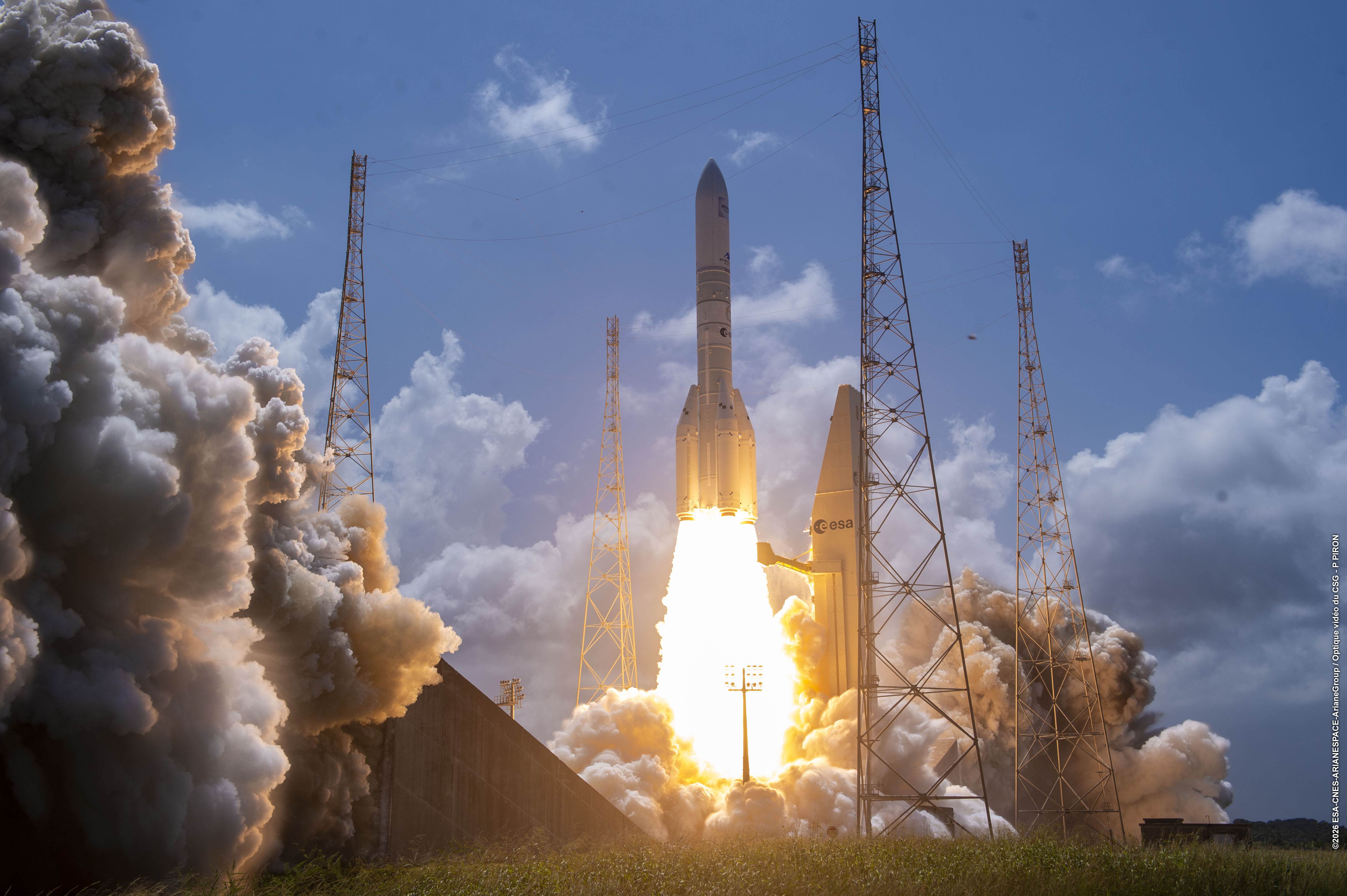
Launch Date
February 12, 2026
Launch Site
FRGUI
Launch Pad
ELA4
Launch Vehicle
Ariane 64
NORAD ID
67793
International Designator
2026-030AF
Epoch
Mon, 20 Jul 2026 07:30:28 GMT
Apogee
Calculating...
Perigee
Calculating...
Inclination
51.90°
Right Ascension
316.67°
Eccentricity
Calculating...
Argument of Perigee
142.91°
Period
97.30 min
Mean Motion
14.80 rev/day
Latitude
Calculating...
Longitude
Calculating...
Altitude
Calculating...
Velocity
Calculating...
Name
KUIPER-00275
Alternative Name
N/A
Type
Status
Owner
KUIP
Country
United States
Constellation
N/A
Related Satellites
Major Events
N/A
1 67793U 26030AF 26201.31282762 .00001727 00000+0 25546-3 0 9996
2 67793 51.9014 316.6696 0000439 142.9136 217.1857 14.79940057 25232
Source: Celestrak
Apologies, there is no summary for this satellite yet. I am working to generate these for every object in the catalog, but it is going to take time.
Length
1.8
Diameter
0.7
Span
5.0
Dry Mass
490
Launch Mass
490
Shape
Box + 2 pan
Radar Cross Section
Unknown
Visual Magnitude
Unknown
Color
Unknown
Material Composition
Unknown
Payload
Kuiper LE01-30
Purpose
Unknown
Mission
Unknown
Manufacturer
KUIP
Life Expectancy
Unknown
Bus
Kuiper
Configuration
Unknown
Motor
Unknown
Equipment
Unknown
Power System
Unknown
ADCS
Unknown
Transmitter Frequency
Unknown
Learn more about satellites and other related topics.
SpaceX's Fram2 mission marks a historic first in polar orbit travel, while DARPA unexpectedly detects Falcon 9 reentry using atmospheric listening.
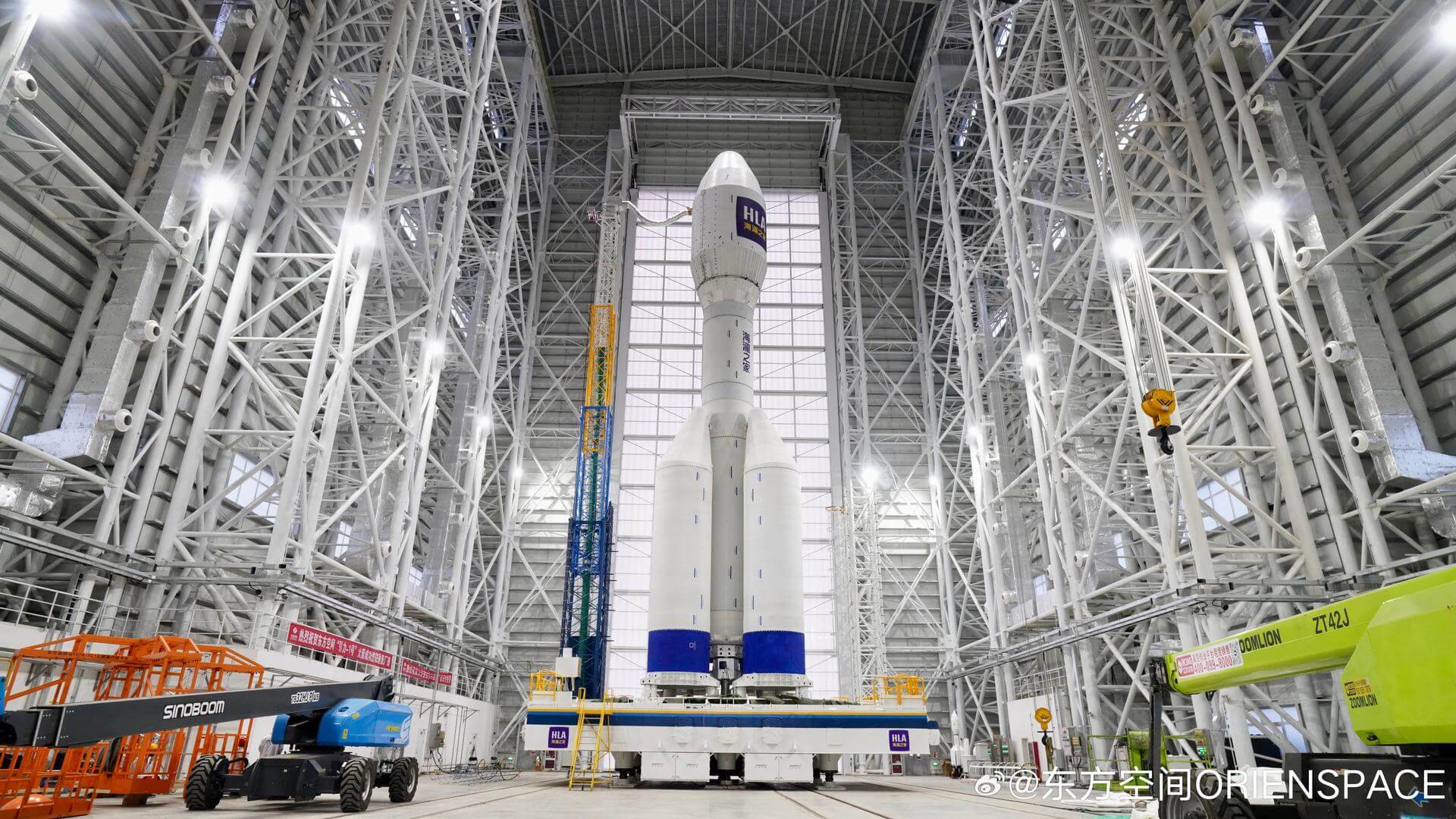
SpaceX Falcon 9 launches Starlink 10-50 with two Besxar semiconductor manufacturing test pods. In-space fabrication experiment explores cost reduction for commercial payloads.

SpaceX gears up for new Starlink shell deployment and secures updated licensing for Starship, amidst ongoing preparations for Falcon 9 launches.
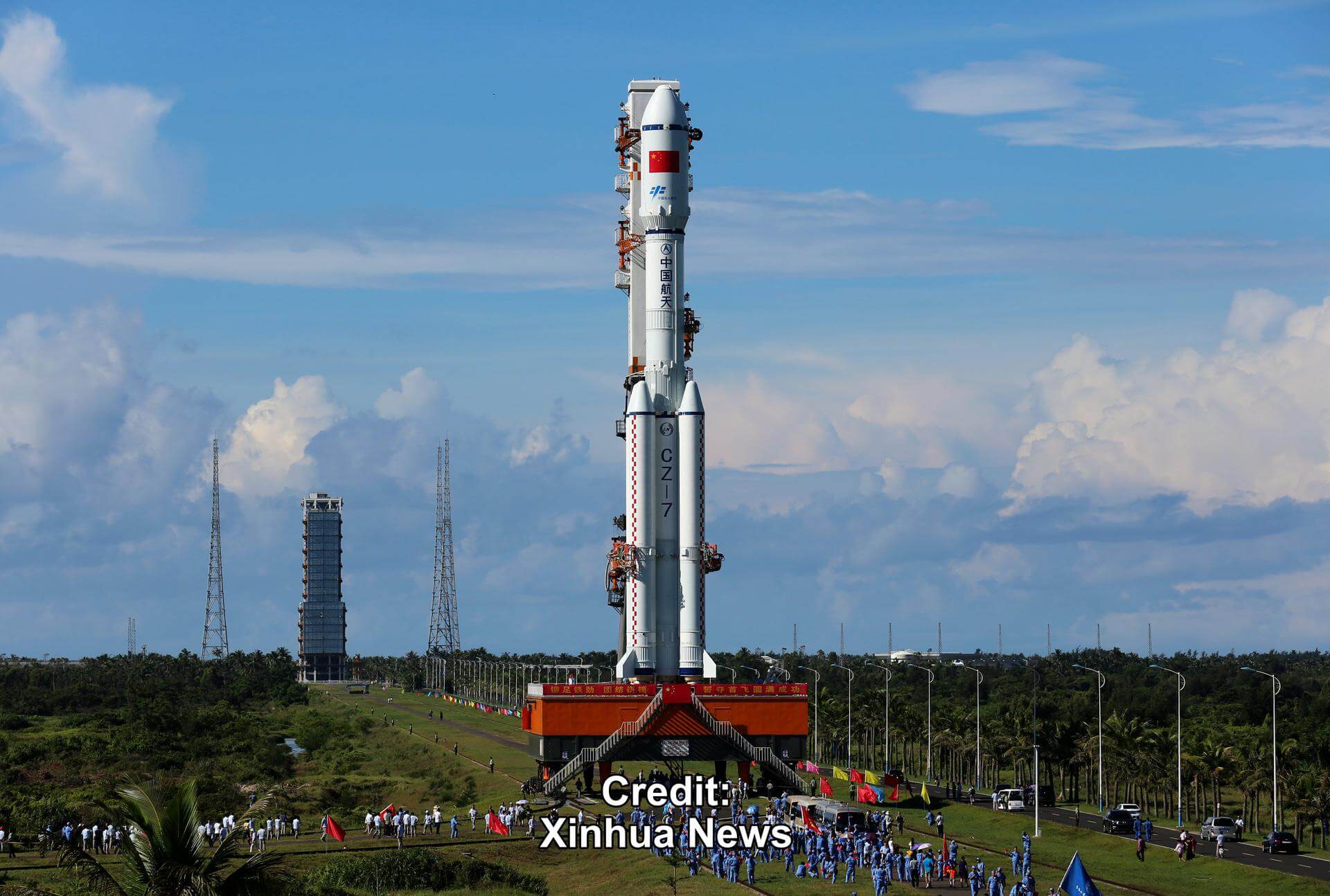
Today's key topics include the halting of the U.S. Air Force's rocket landing pad plans, the Space Force's shift to a flexible satellite strategy, delays in Australia's Eris 1 rocket launch, and the controversial cut of satellite sea-ice data to climate scientists.
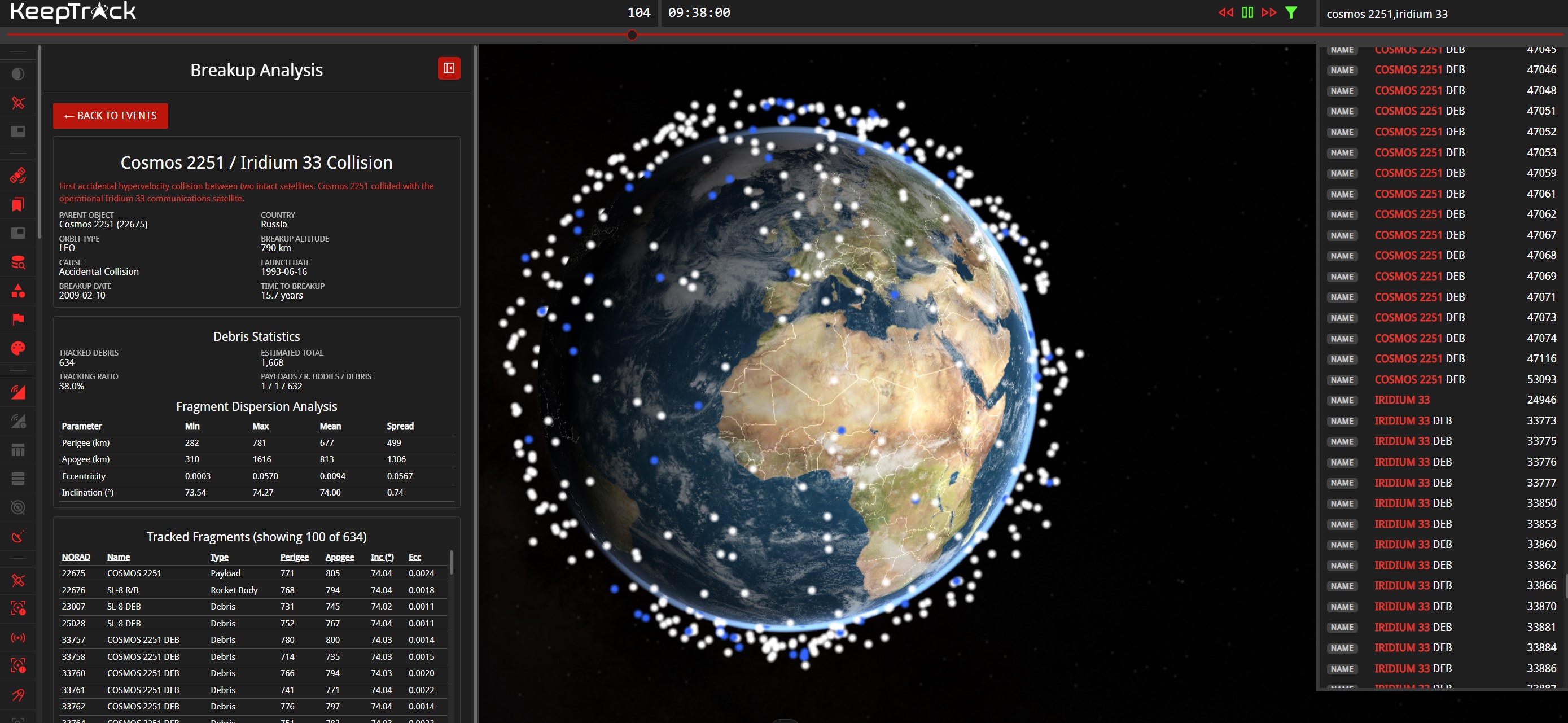
On February 10, 2009, an active Iridium communications satellite and a derelict Soviet military spacecraft slammed into each other 789 kilometers above Siberia. The collision produced more than 2,300 pieces of trackable debris that are still up there. Seventeen years later, the Iridium-Cosmos collision remains the event that made space debris a policy problem the world could no longer ignore.
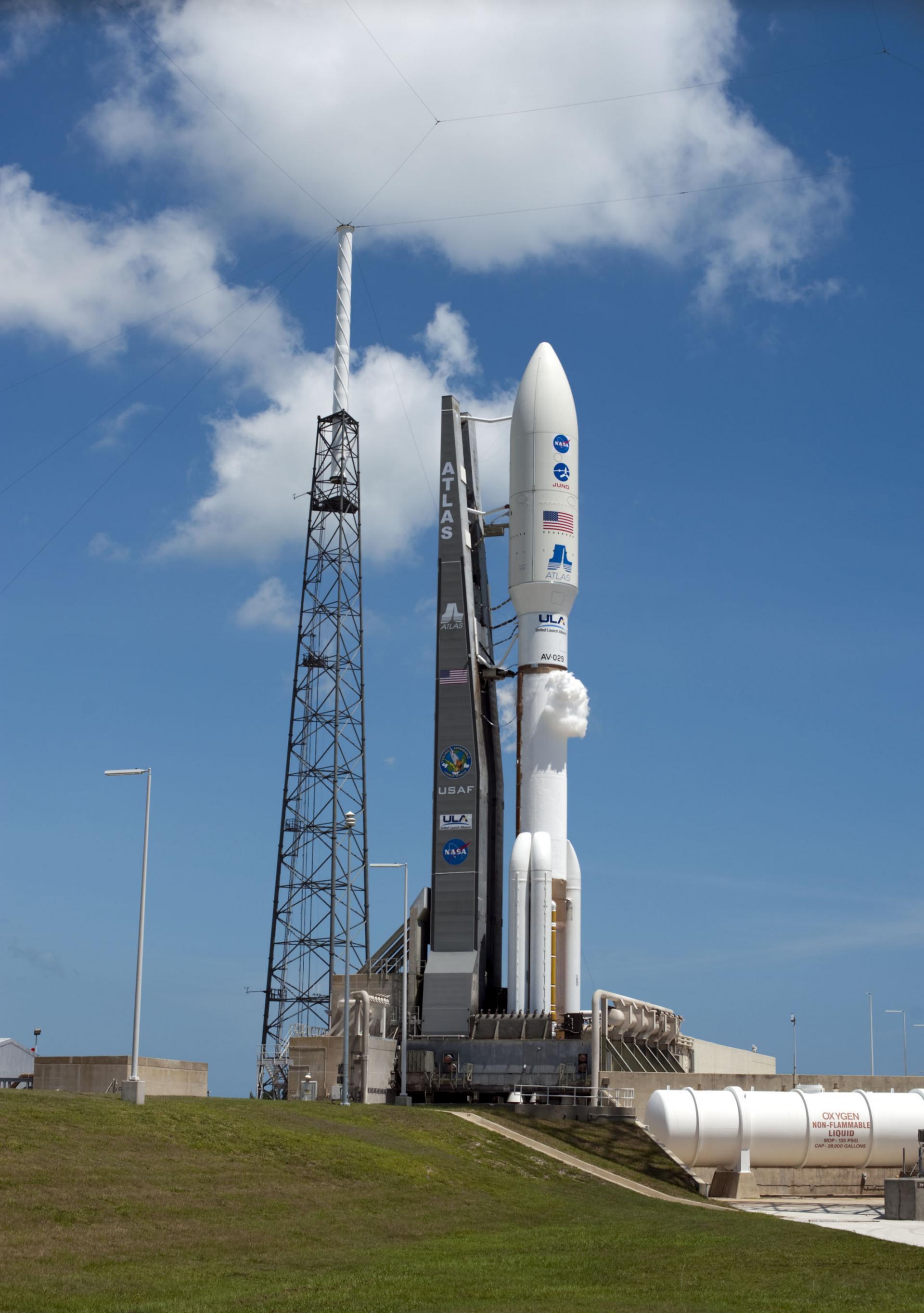
Today's brief covers SpaceX's potential government contract, the future of US Space Command headquarters, an auction record for Neil Armstrong's watch, and the volcanic history of Mars.
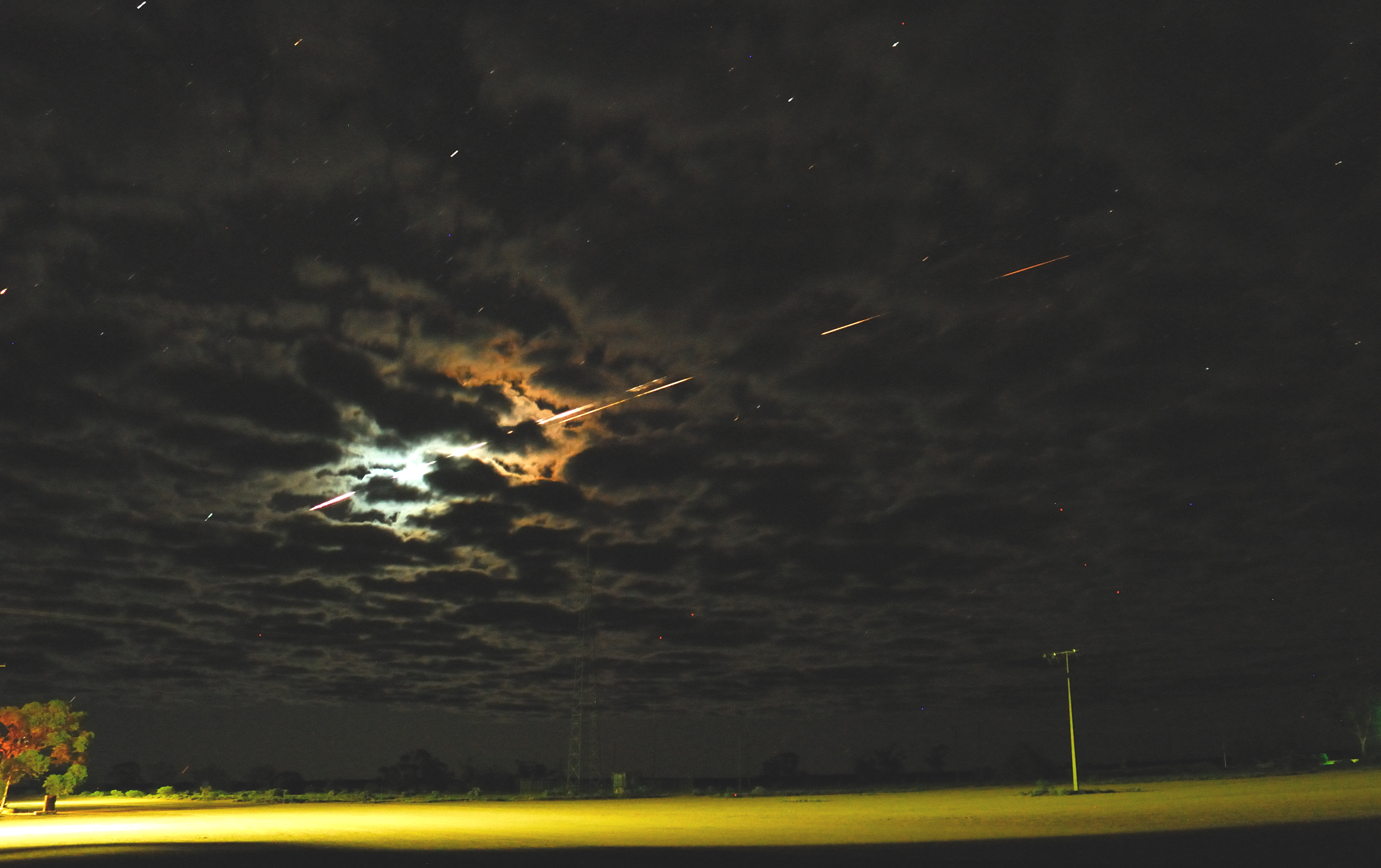
Sixteen years ago today, a fireball tore across the Australian outback. Most of it was a dying Japanese spacecraft burning up after a seven-year ordeal. The bright dot racing ahead of the wreckage was a capsule holding the first grains of an asteroid ever returned to Earth.

Today's brief covers a significant hypersonic flight by Stratolaunch, the US Space Force's missile warning upgrades, and major government space investments.