


Space Brief 3 Sep 2024
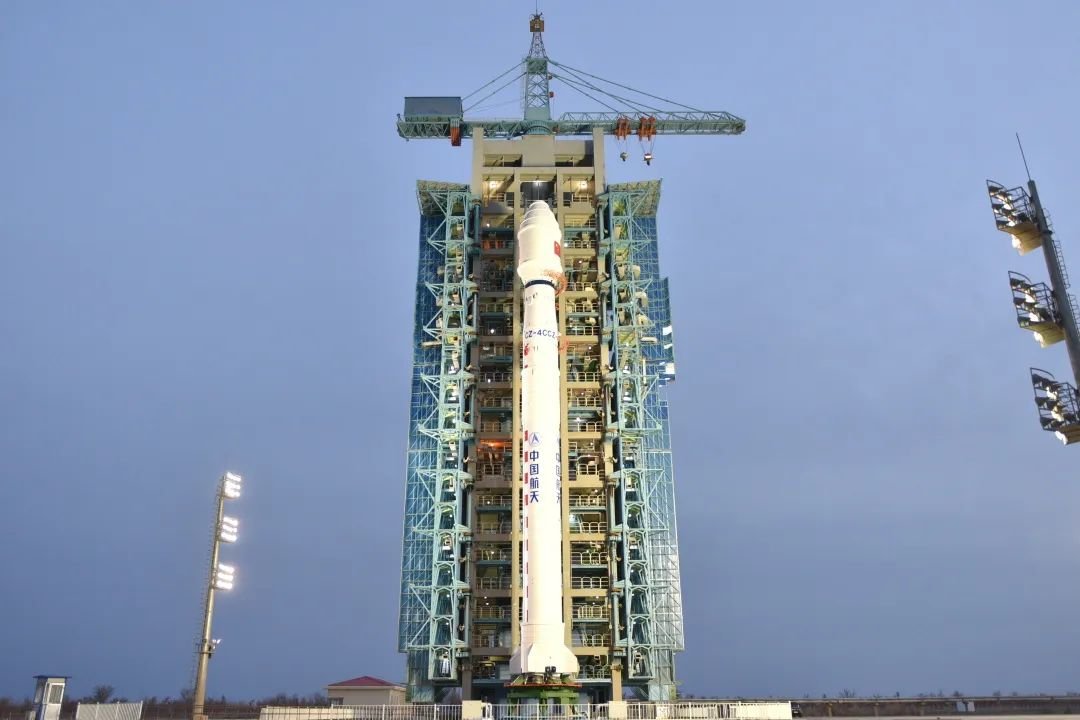
Today's brief covers China's Yaogan-43 satellite launch, delays in ESA's BepiColombo mission, regulatory approval for OHB's KKR deal, and an upcoming Sentinel-2C launch.



NORAD ID
67567
International Designator
2026-016G
Epoch
Mon, 20 Jul 2026 03:03:13 GMT
Apogee
Calculating...
Perigee
Calculating...
Inclination
97.28°
Right Ascension
260.71°
Eccentricity
Calculating...
Argument of Perigee
133.60°
Period
93.91 min
Mean Motion
15.33 rev/day
Latitude
Calculating...
Longitude
Calculating...
Altitude
Calculating...
Velocity
Calculating...
Name
STARLINK-36352
Alternative Name
N/A
Type
Status
Owner
SPXS
Country
United States
Constellation
N/A
Related Satellites
Major Events
N/A
1 67567U 26016G 26201.12723933 .00013004 00000+0 40436-3 0 9994
2 67567 97.2823 260.7099 0001276 133.6002 226.5347 15.33449921 27164
Source: Celestrak
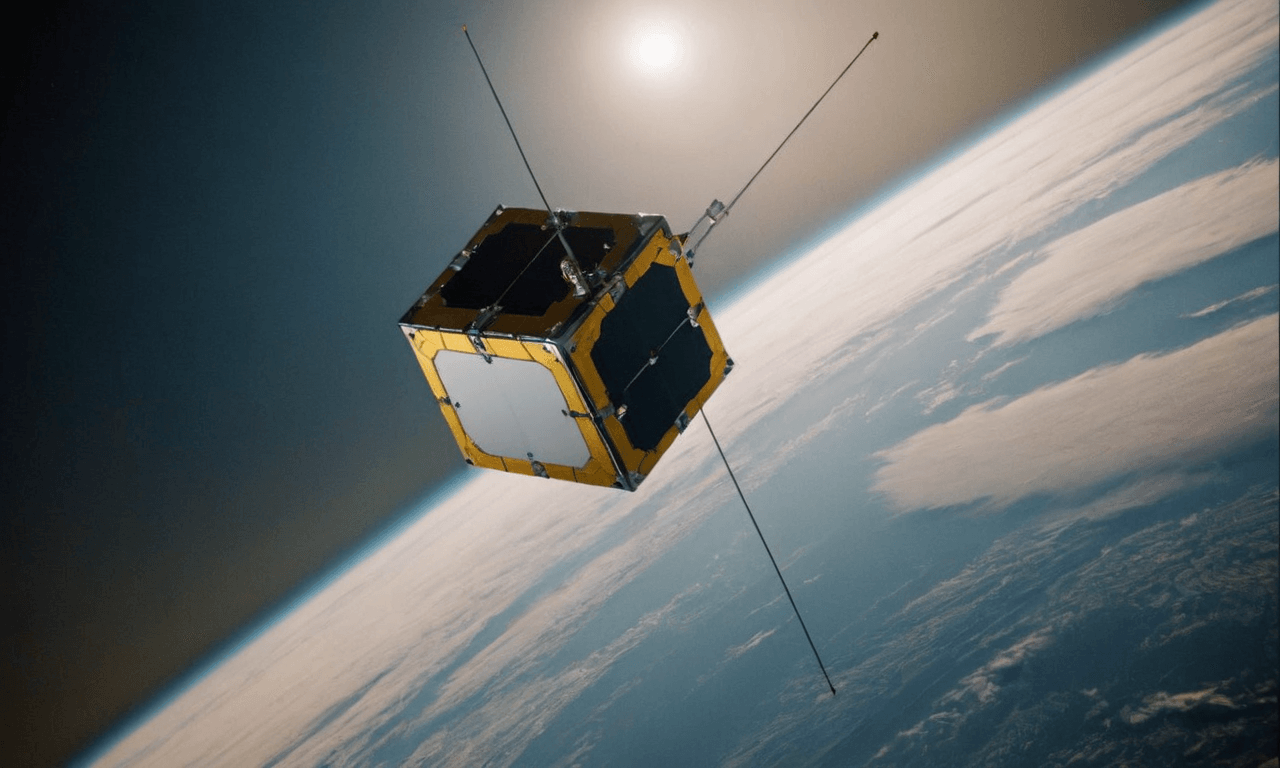
Length
0.3
Diameter
4.1
Span
29.0
Dry Mass
530
Launch Mass
575
Shape
Box + pan
Radar Cross Section
Unknown
Visual Magnitude
Unknown
Color
Unknown
Material Composition
Unknown
Payload
Starlink Group 17-20-07
Purpose
Unknown
Mission
Unknown
Manufacturer
SPXS
Life Expectancy
Unknown
Bus
Starlink V2MO
Configuration
Unknown
Motor
Unknown
Equipment
Unknown
Power System
Unknown
ADCS
Unknown
Transmitter Frequency
Unknown
Learn more about satellites and other related topics.
Today's brief covers China's Yaogan-43 satellite launch, delays in ESA's BepiColombo mission, regulatory approval for OHB's KKR deal, and an upcoming Sentinel-2C launch.

SpaceX secures environmental approval for Starship launches at SLC-37 while Castelion, a company founded by SpaceX veterans, raises $350 million for hypersonic missile production.

Iran successfully struck U.S. aircraft in Saudi Arabia despite maxed-out defensive posture. Space Force ISR and missile warning gaps exposed. Tracking impacts.

Exploring new defense agreements with Eutelsat, advances in U.S. Space Force projects, and updates on NATO's strategic discussions.

Exciting SpaceX updates include the arrival of Athena moon lander, SPHEREx telescope's upcoming launch, and SpaceX's GigaBay development.
Discover the latest in satellite technology with the launch of the world's first wooden satellite, new test materials for the ISS, and significant developments in orbital space debris.
Today's brief covers significant growth forecasts for global defense satellite communications, the integration of hypersonic missiles, cyber authority expansion in the Army, and more pivotal military developments.
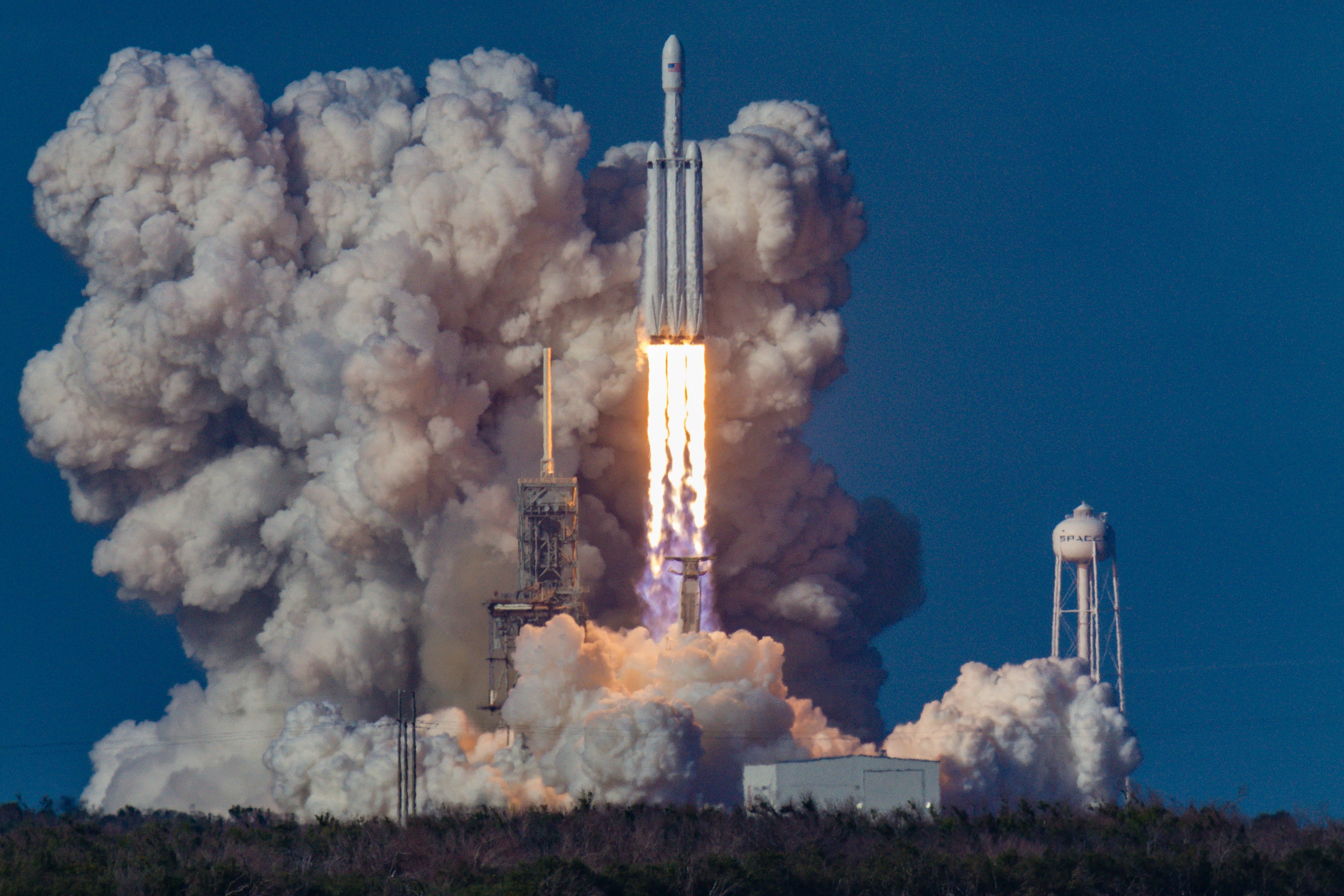
SpaceX successfully completed its 100th Starlink mission of the year and launched the 'Haven Demo' private space station along with 17 other satellites. The company also made strides in lunar lander development for Artemis III.