


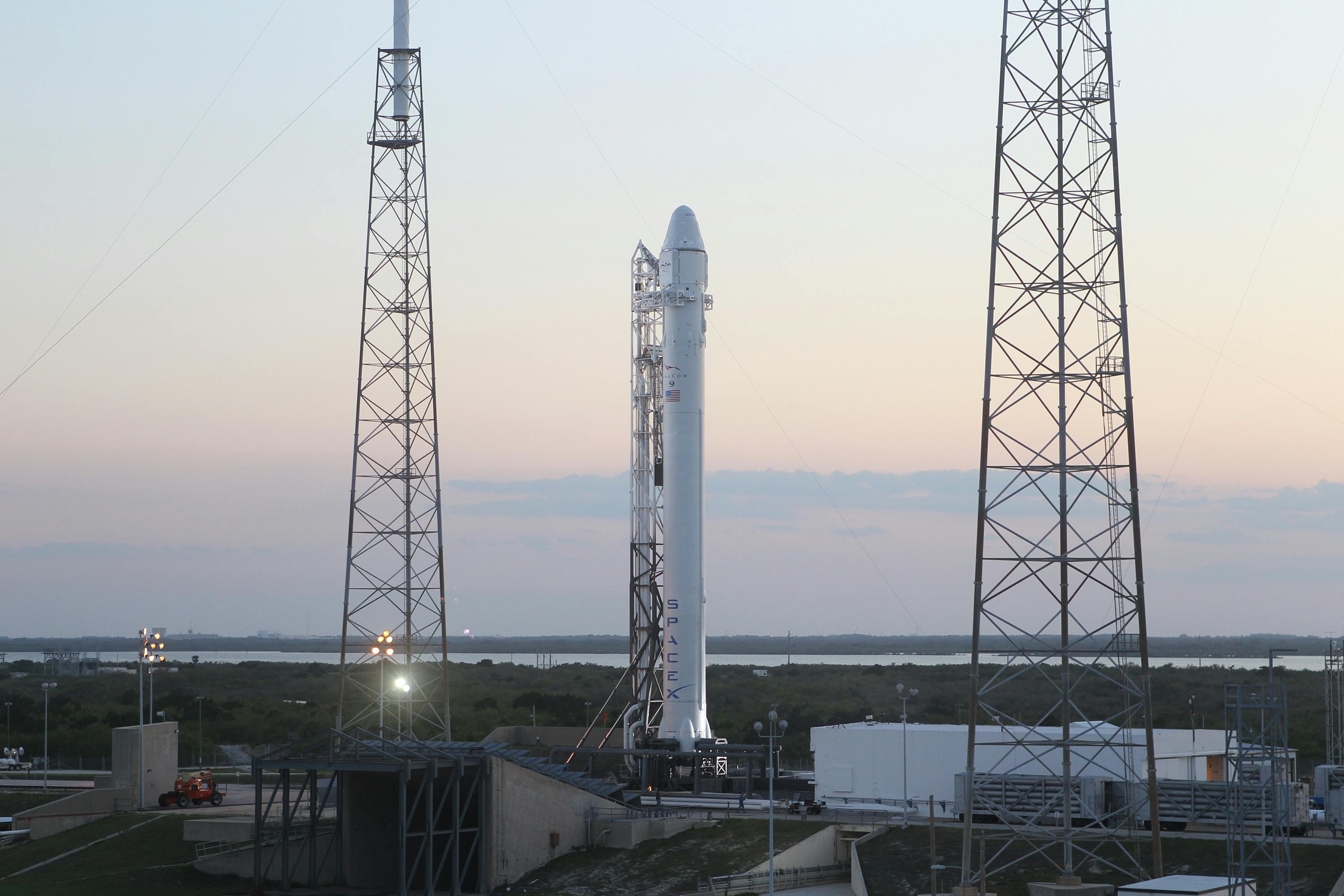
X Report 9 Jan 2025
Exciting advancements from SpaceX as Starshield satellites prepare for launch, Starship Flight 7 faces a short delay, and new Starlink satellites enter orbit.


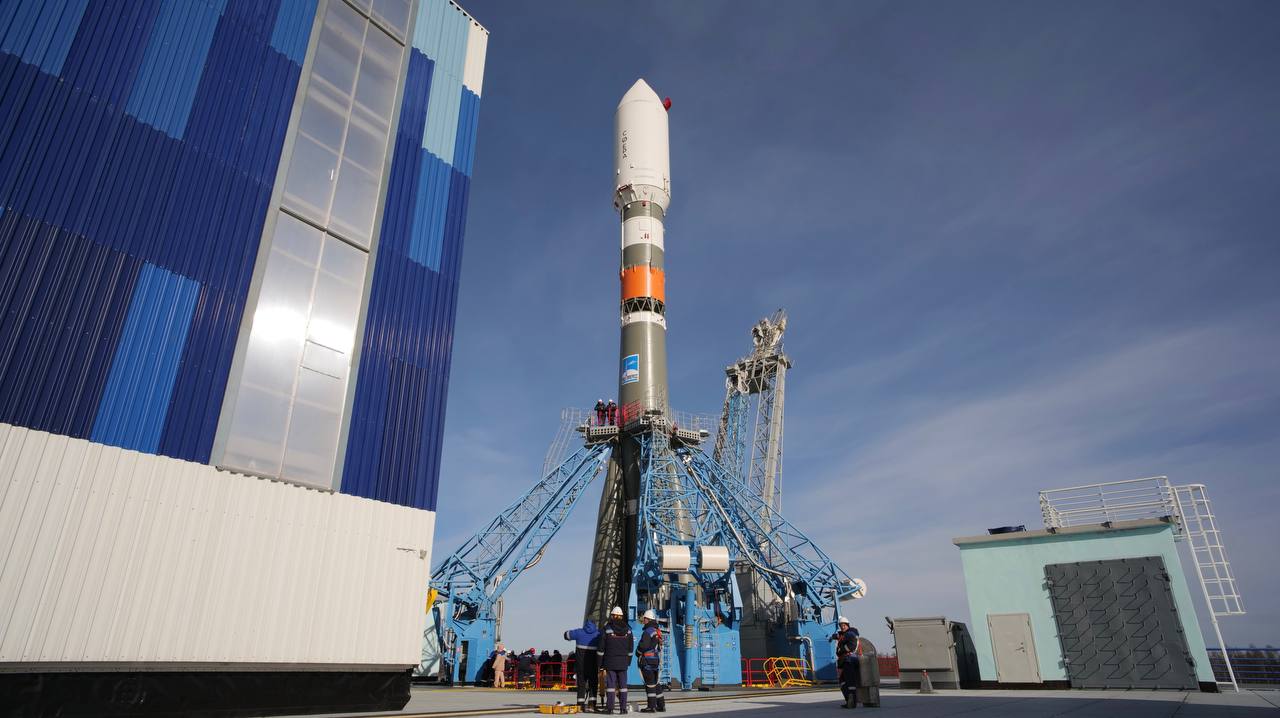
Launch Date
December 28, 2025
Launch Site
VOSTO
Launch Pad
PU1S
Launch Vehicle
Soyuz-2-1B
NORAD ID
67271
International Designator
2025-313Z
Epoch
Sun, 19 Jul 2026 20:07:49 GMT
Apogee
Calculating...
Perigee
Calculating...
Inclination
97.39°
Right Ascension
274.72°
Eccentricity
Calculating...
Argument of Perigee
243.74°
Period
94.62 min
Mean Motion
15.22 rev/day
Latitude
Calculating...
Longitude
Calculating...
Altitude
Calculating...
Velocity
Calculating...
Name
OBJECT Z
Alternative Name
SITRO-AIS-58
Type
Status
Owner
SITRO
Country
Unknown
Constellation
N/A
Related Satellites
Major Events
N/A
1 67271U 25313Z 26200.83876330 .00002042 00000+0 92817-4 0 9993
2 67271 97.3923 274.7169 0013393 243.7361 116.2499 15.21819973 30909
Source: Celestrak
Apologies, there is no summary for this satellite yet. I am working to generate these for every object in the catalog, but it is going to take time.
Length
0.3
Diameter
0.1
Span
0.3
Dry Mass
3
Launch Mass
3
Shape
Box
Radar Cross Section
Unknown
Visual Magnitude
Unknown
Color
Unknown
Material Composition
Unknown
Payload
SITRO-AIS-58
Purpose
Unknown
Mission
Unknown
Manufacturer
SPUT
Life Expectancy
Unknown
Bus
Cubesat 3U
Configuration
Unknown
Motor
Unknown
Equipment
Unknown
Power System
Unknown
ADCS
Unknown
Transmitter Frequency
Unknown
Learn more about satellites and other related topics.
Exciting advancements from SpaceX as Starshield satellites prepare for launch, Starship Flight 7 faces a short delay, and new Starlink satellites enter orbit.

Today's brief covers a diverse range of topics, including reentry mission approvals, leadership changes in the Space Development Agency, and innovative military satellite communications.

Blue Origin reveals plans for 5,400+ satellite constellation targeting enterprise and government with 6 Tbps capacity. SpaceX launches first West Coast Starlink mission of 2026 from Vandenberg.
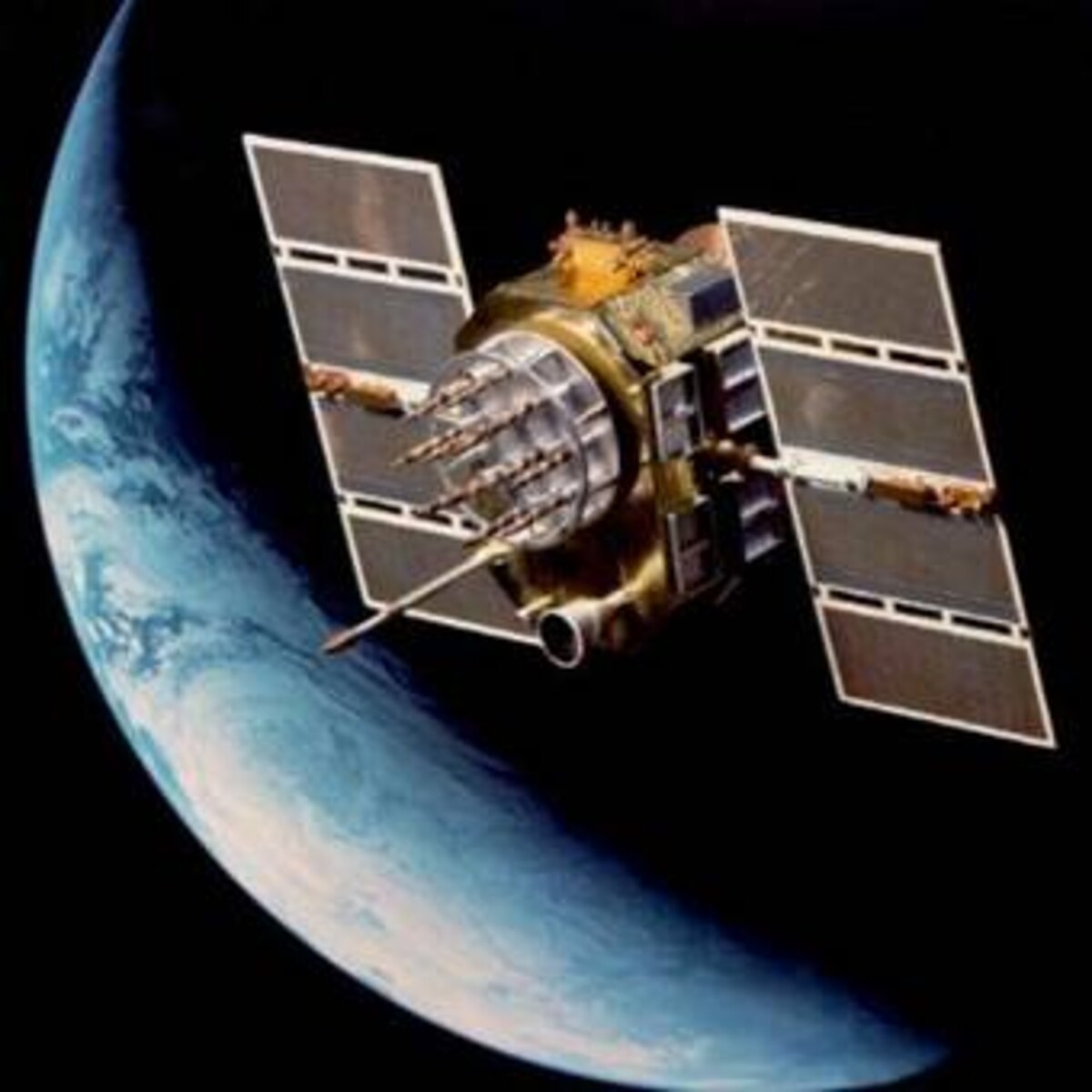
Forty-seven years ago, an Atlas rocket carried the first GPS satellite into orbit, launching a revolution in navigation that would transform daily life across the globe

Thirty-five years ago, NASA's Galileo spacecraft made a crucial flyby of Venus, pioneering a complex path through the inner solar system that would revolutionize planetary exploration

How a controversial telescope network has become a significant player in tracking the increasingly crowded orbital environment, raising important questions about transparency, dual-use technologies, and the future of space situational awareness.
SpaceX swaps Crew Dragon capsules with NASA to accelerate Crew-10 launch, and successfully launches multiple Starlink satellites into orbit.
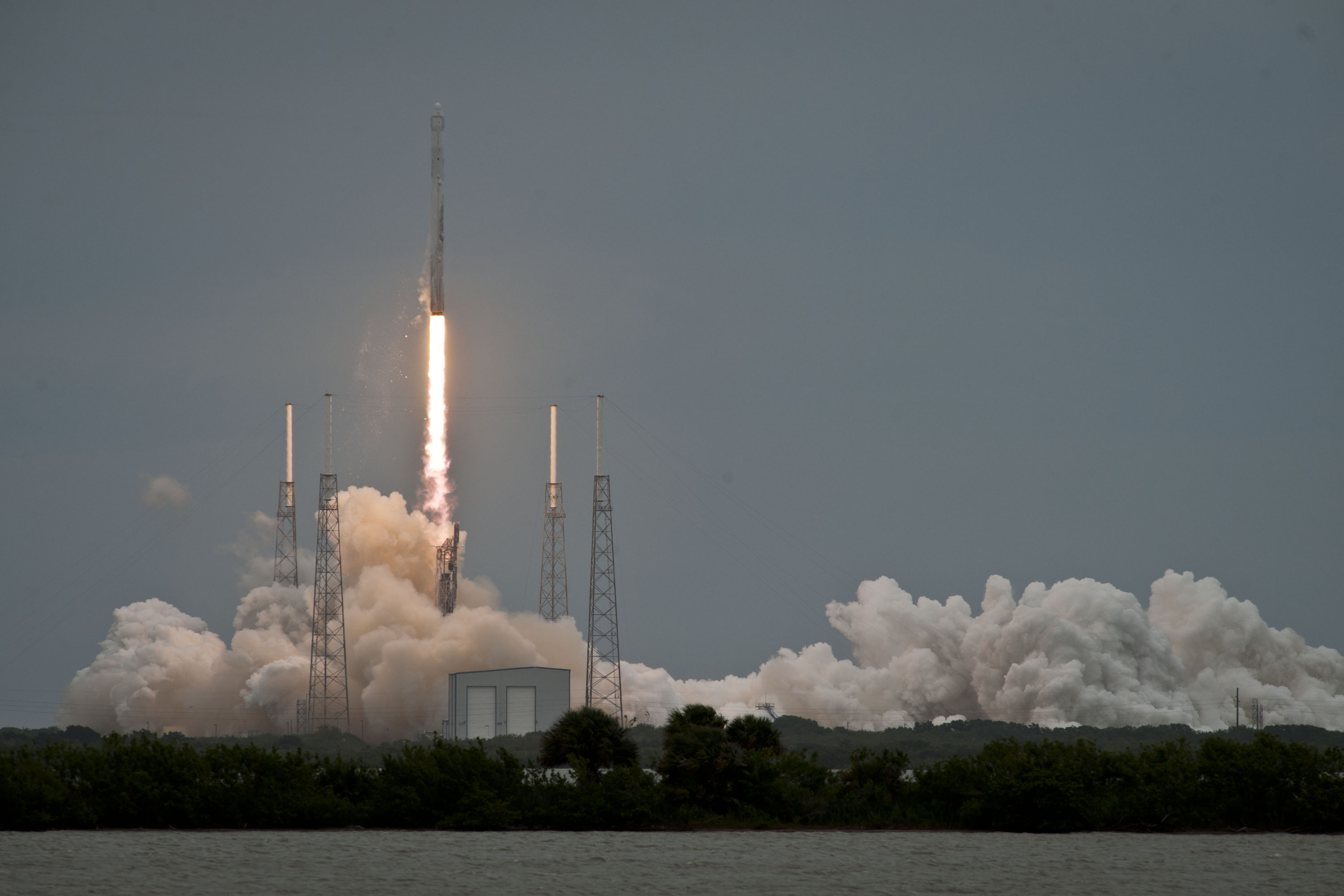
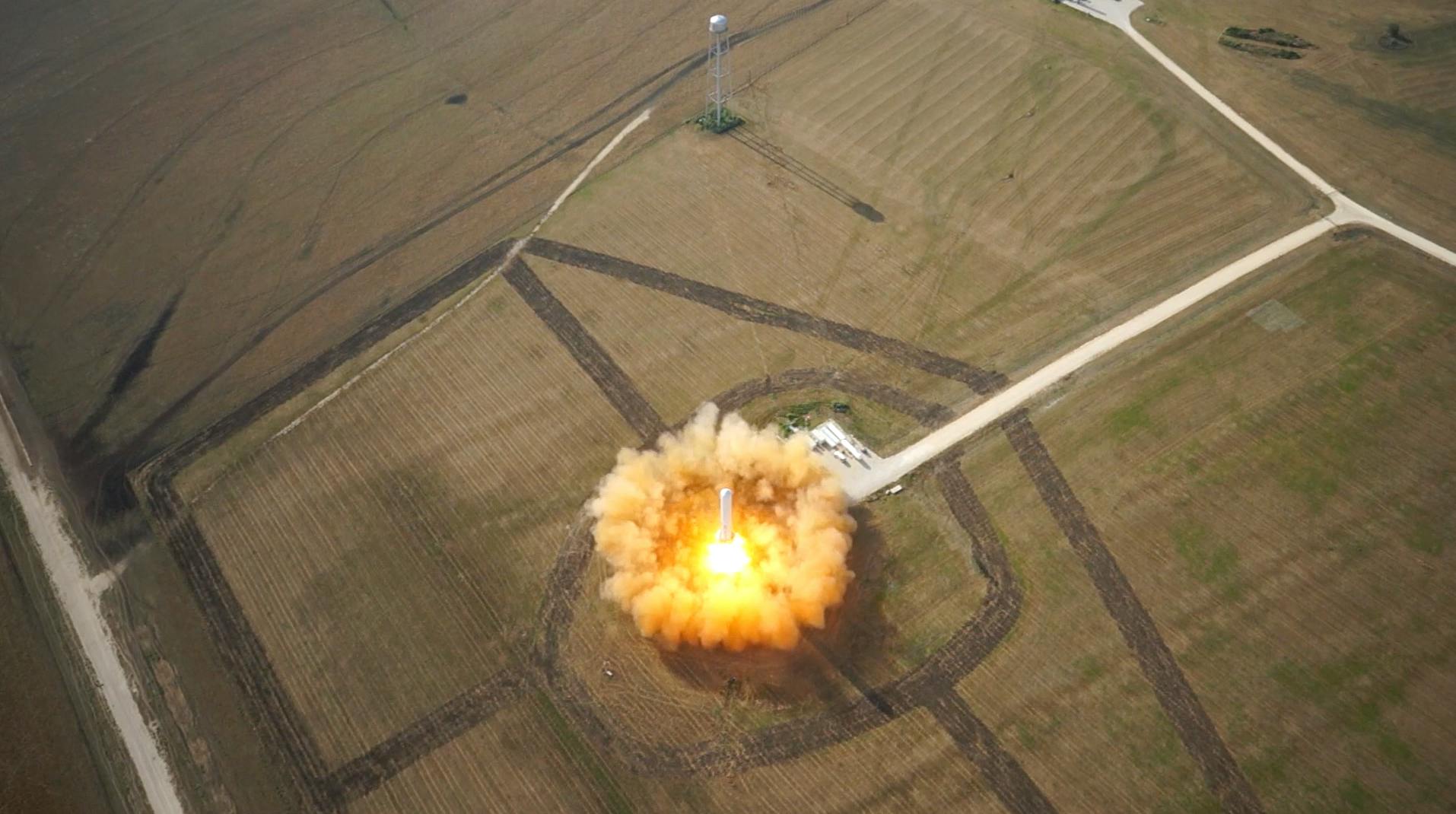
On April 18, 2014, a Falcon 9 first stage did something no orbital rocket had ever done before. It fired its engines on the way down, steered itself through the atmosphere using grid fins that did not yet exist, and touched the Atlantic Ocean softly enough to survive the impact. Nobody recovered it. The data was the whole point.