


Space Brief 27 Jun 2025
Today's Space Brief covers potential changes in the procurement strategies for the Space Force, developments in missile detection technology, and budgetary impacts on space programs.


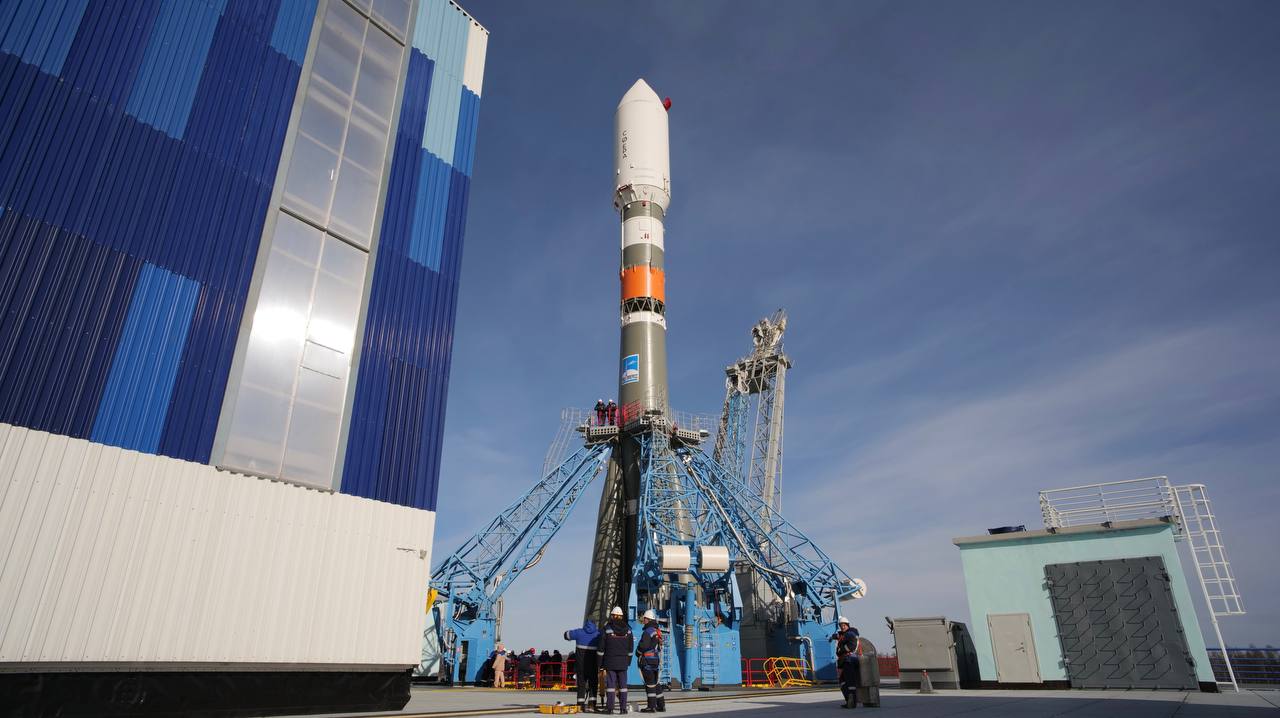
Launch Date
December 28, 2025
Launch Site
VOSTO
Launch Pad
PU1S
Launch Vehicle
Soyuz-2-1B
NORAD ID
67264
International Designator
2025-313S
Epoch
Sun, 19 Jul 2026 18:43:57 GMT
Apogee
Calculating...
Perigee
Calculating...
Inclination
97.40°
Right Ascension
275.01°
Eccentricity
Calculating...
Argument of Perigee
252.22°
Period
94.57 min
Mean Motion
15.23 rev/day
Latitude
Calculating...
Longitude
Calculating...
Altitude
Calculating...
Velocity
Calculating...
Name
OBJECT S
Alternative Name
N/A
Type
Status
Owner
OMID/ISRC
Country
Unknown
Constellation
N/A
Related Satellites
Major Events
N/A
1 67264U 25313S 26200.78052193 .00002976 00000+0 13067-3 0 9997
2 67264 97.4008 275.0128 0013237 252.2150 107.7643 15.22644293 30901
Source: Celestrak
Apologies, there is no summary for this satellite yet. I am working to generate these for every object in the catalog, but it is going to take time.
Length
0.4
Diameter
0.2
Span
0.4
Dry Mass
30
Launch Mass
30
Shape
Box
Radar Cross Section
Unknown
Visual Magnitude
Unknown
Color
Unknown
Material Composition
Unknown
Payload
Kowsar-1.5
Purpose
Unknown
Mission
Unknown
Manufacturer
OMID
Life Expectancy
Unknown
Bus
Kowsar
Configuration
Unknown
Motor
Unknown
Equipment
Unknown
Power System
Unknown
ADCS
Unknown
Transmitter Frequency
Unknown
Learn more about satellites and other related topics.
Today's Space Brief covers potential changes in the procurement strategies for the Space Force, developments in missile detection technology, and budgetary impacts on space programs.
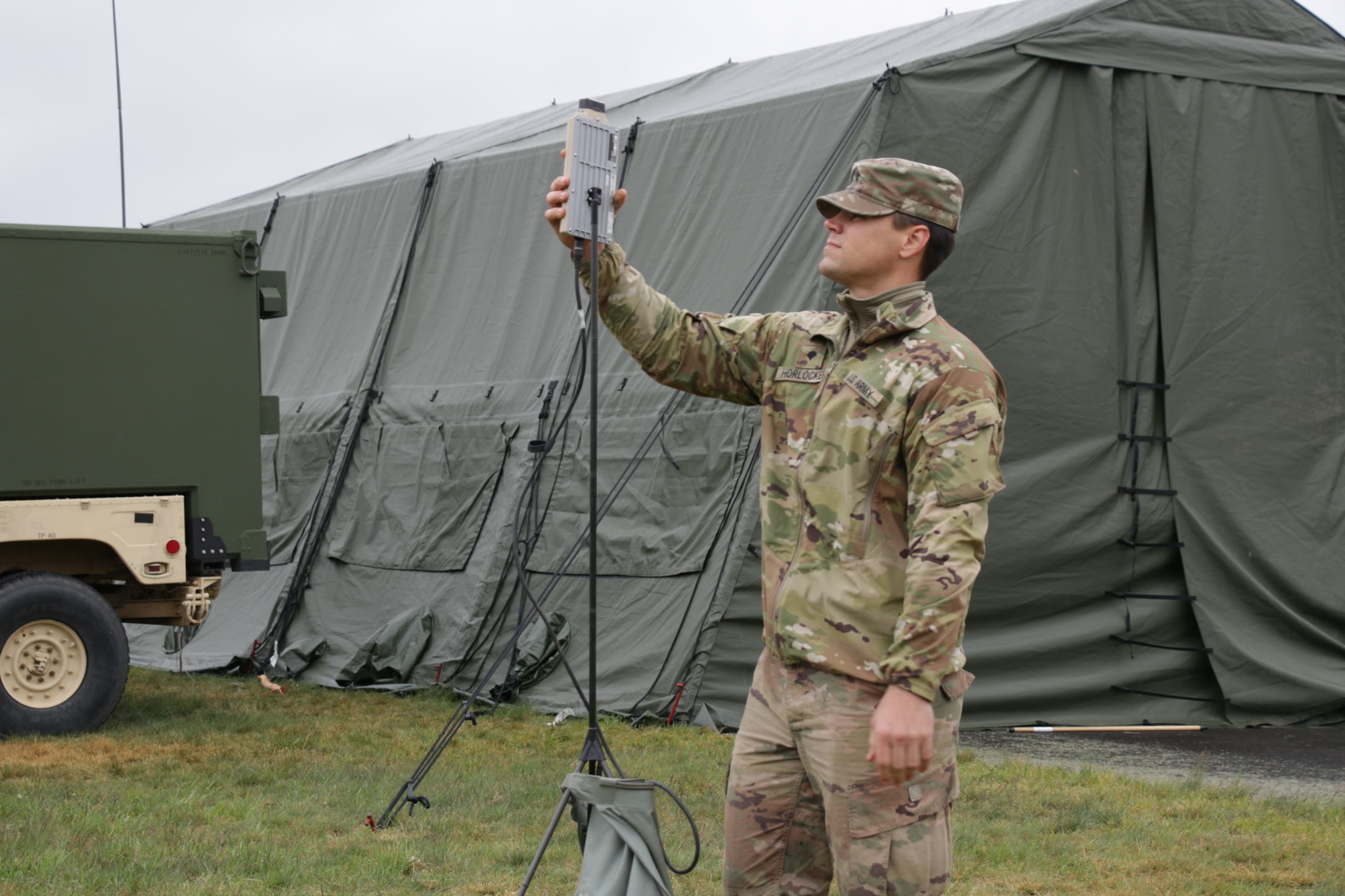
Russia's Volna Kupol Garant electronic warfare system was purpose-built to jam Starlink. It costs around $1.5 million per unit, covers just 20 square kilometers, and can only target one satellite at a time. Ukraine has been finding and destroying them within days of deployment.
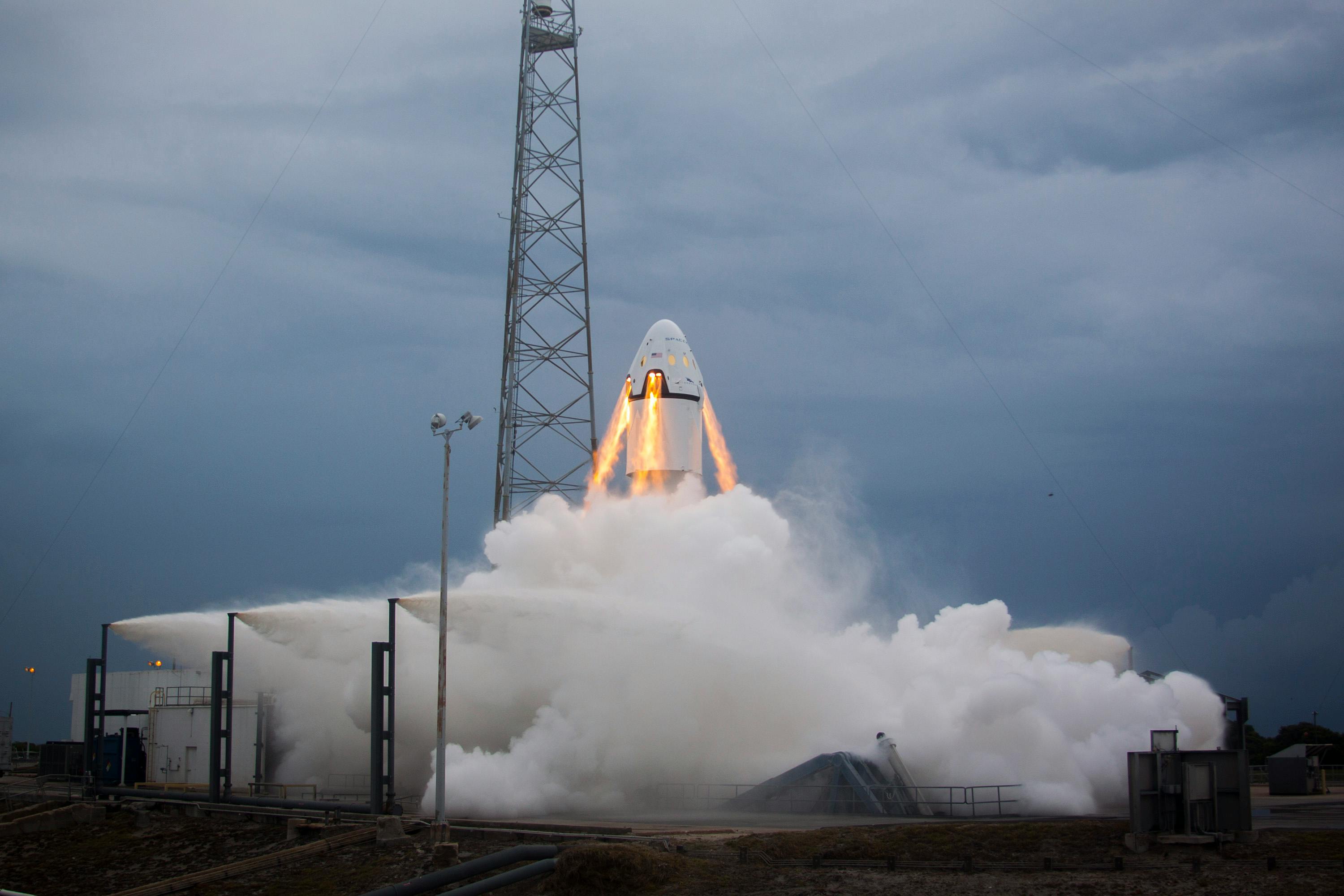
SpaceX's Starlink sparks market shifts and celestial awe as iPhones gain new connectivity and a satellite ignites the night sky.
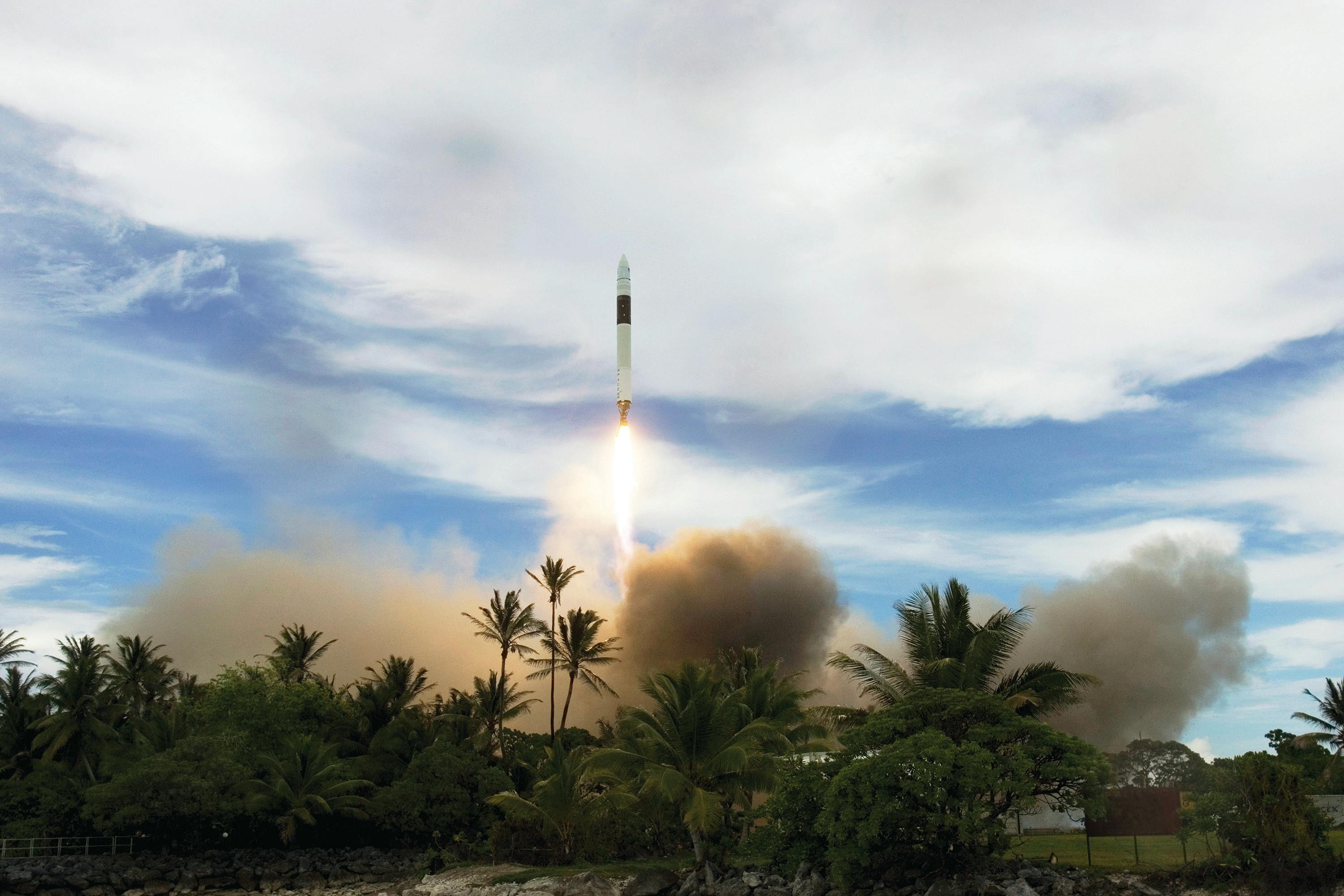
SpaceX launches 24 Starlink satellites, pushing its 2025 total beyond 2,000, while facing community pushback in Florida for its Starship operations.

Today's briefing covers the ULA's military application for Vulcan's upper stage, FAA's efforts to expedite launch licensing, and a fascinating flyby of Mercury by BepiColombo.

SpaceX continues to make strides with successful satellite launches and competitive maneuvering in the direct-to-device market, as AST SpaceMobile aligns with Verizon for space-based cellular services.

Lt. Gen. Doug Schiess nominated to lead Space Force, becoming the third Chief of Operations since the service's 2019 founding. Pentagon clears 8 firms for classified AI access.
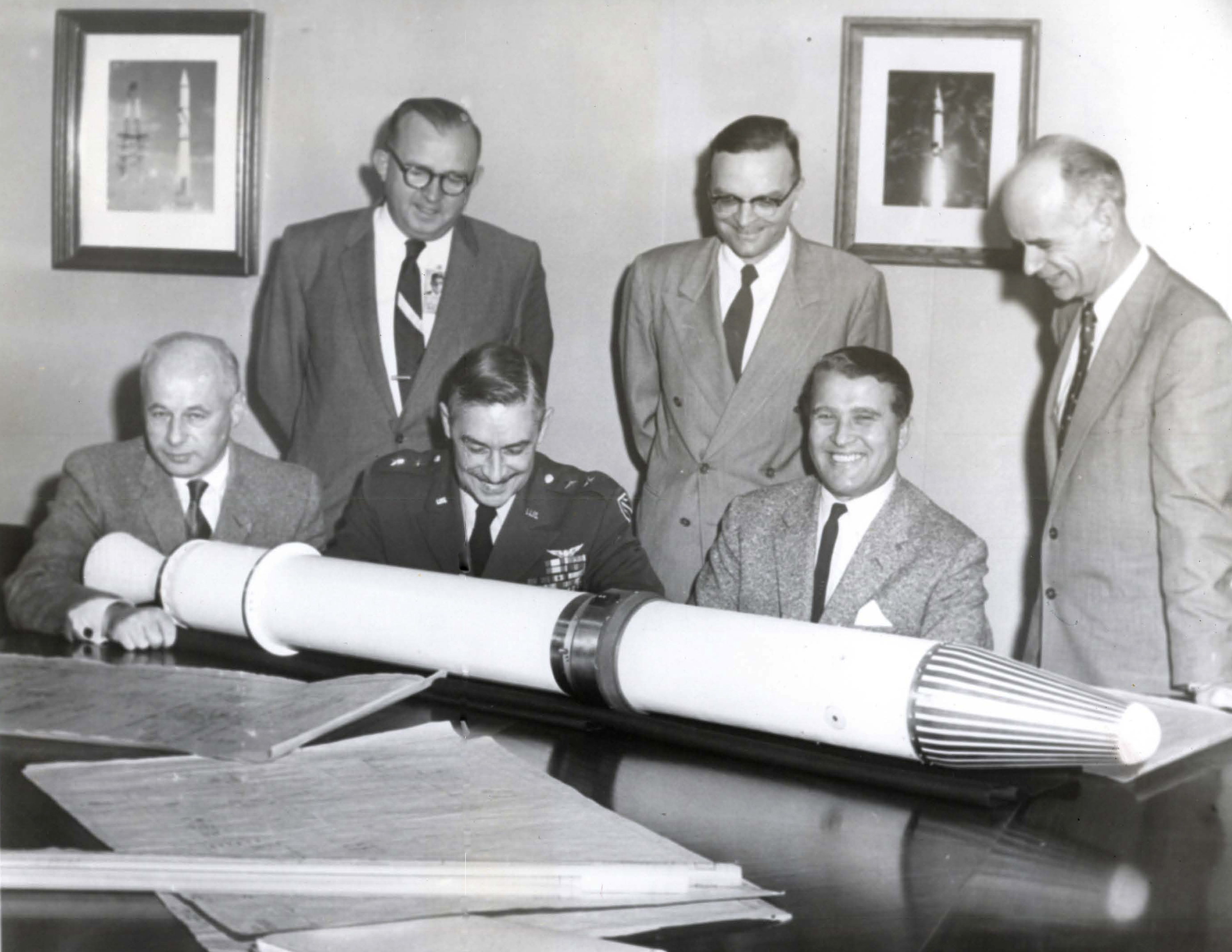
Sixty-seven years ago, a slender rocket carried America's first satellite into orbit, discovering a mysterious feature of our planet that would change our understanding of space forever