


Space Brief 26 May 2025
Today's highlights include China's lunar collaboration with Russia, new insights from Magellan's Venus mission, and stunning 8K images of the sun.



Launch Date
December 17, 2025
Launch Site
Launch Pad
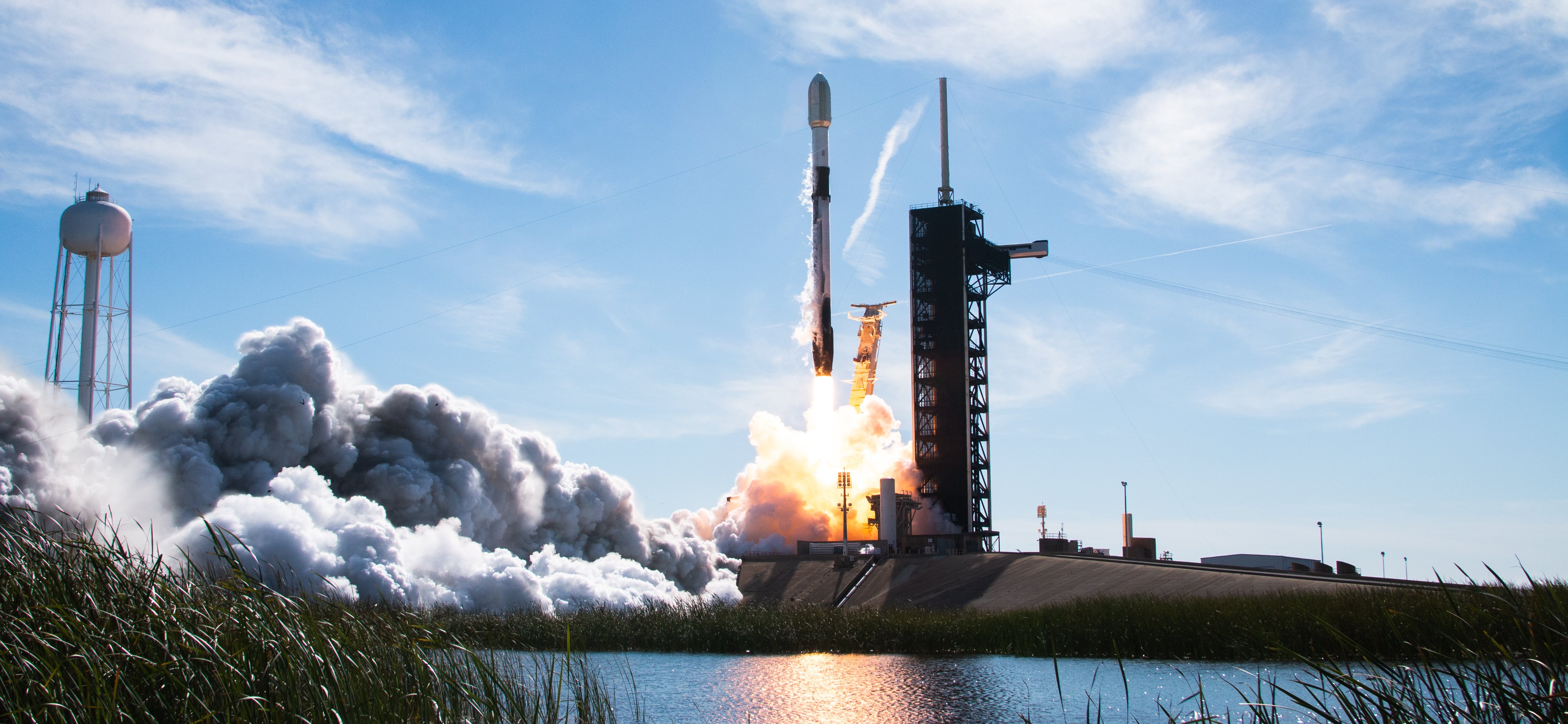
LC39A
Launch Vehicle
NORAD ID
67186
International Designator
2025-303Z
Epoch
Mon, 20 Jul 2026 06:33:29 GMT
Apogee
Calculating...
Perigee
Calculating...
Inclination
43.00°
Right Ascension
281.82°
Eccentricity
Calculating...
Argument of Perigee
274.57°
Period
94.27 min
Mean Motion
15.28 rev/day
Latitude
Calculating...
Longitude
Calculating...
Altitude
Calculating...
Velocity
Calculating...
Name
STARLINK-35857
Alternative Name
N/A
Type
Status
Owner
SPXS
Country
United States
Constellation
N/A
Related Satellites
Major Events
N/A
1 67186U 25303Z 26201.27326058 .00005784 00000+0 21953-3 0 9991
2 67186 43.0039 281.8177 0001709 274.5661 85.4996 15.27583771 33015
Source: Celestrak
Length
0.3
Diameter
4.1
Span
29.0
Dry Mass
530
Launch Mass
575
Shape
Box + pan
Radar Cross Section
Unknown
Visual Magnitude
Unknown
Color
Unknown
Material Composition
Unknown
Payload
Starlink Group 6-99-24
Purpose
Unknown
Mission
Unknown
Manufacturer
SPXS
Life Expectancy
Unknown
Bus
Starlink V2MO
Configuration
Unknown
Motor
Unknown
Equipment
Unknown
Power System
Unknown
ADCS
Unknown
Transmitter Frequency
Unknown
Learn more about satellites and other related topics.
Today's highlights include China's lunar collaboration with Russia, new insights from Magellan's Venus mission, and stunning 8K images of the sun.
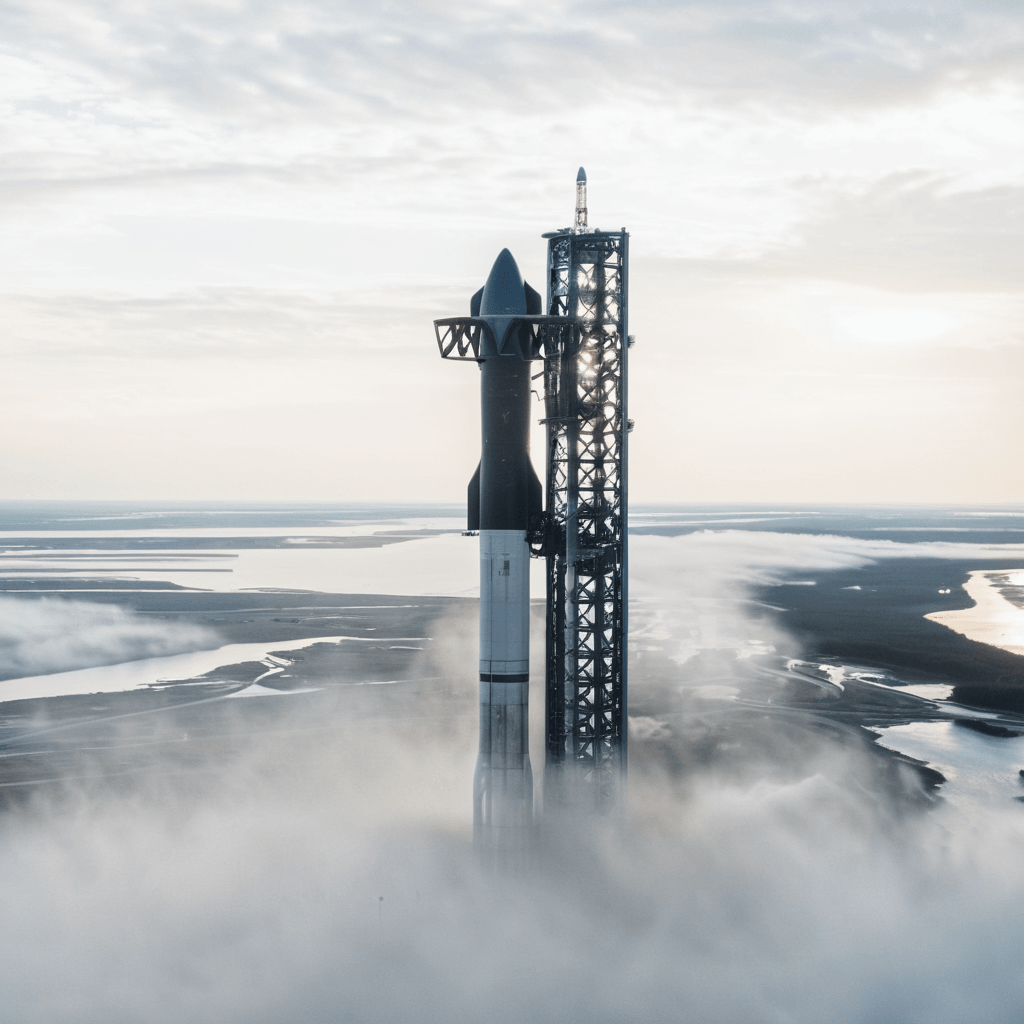
As the largest and most powerful rocket ever built, it's designed for full reusability and rapid launch turnaround. SpaceX claims it could carry over 100 tons to low Earth orbit at a fraction of current costs.

Rocket Lab secures $190M Pentagon deal for 20 hypersonic test flights over 4 years using Electron. Five missions annually trackable via Space-Track.
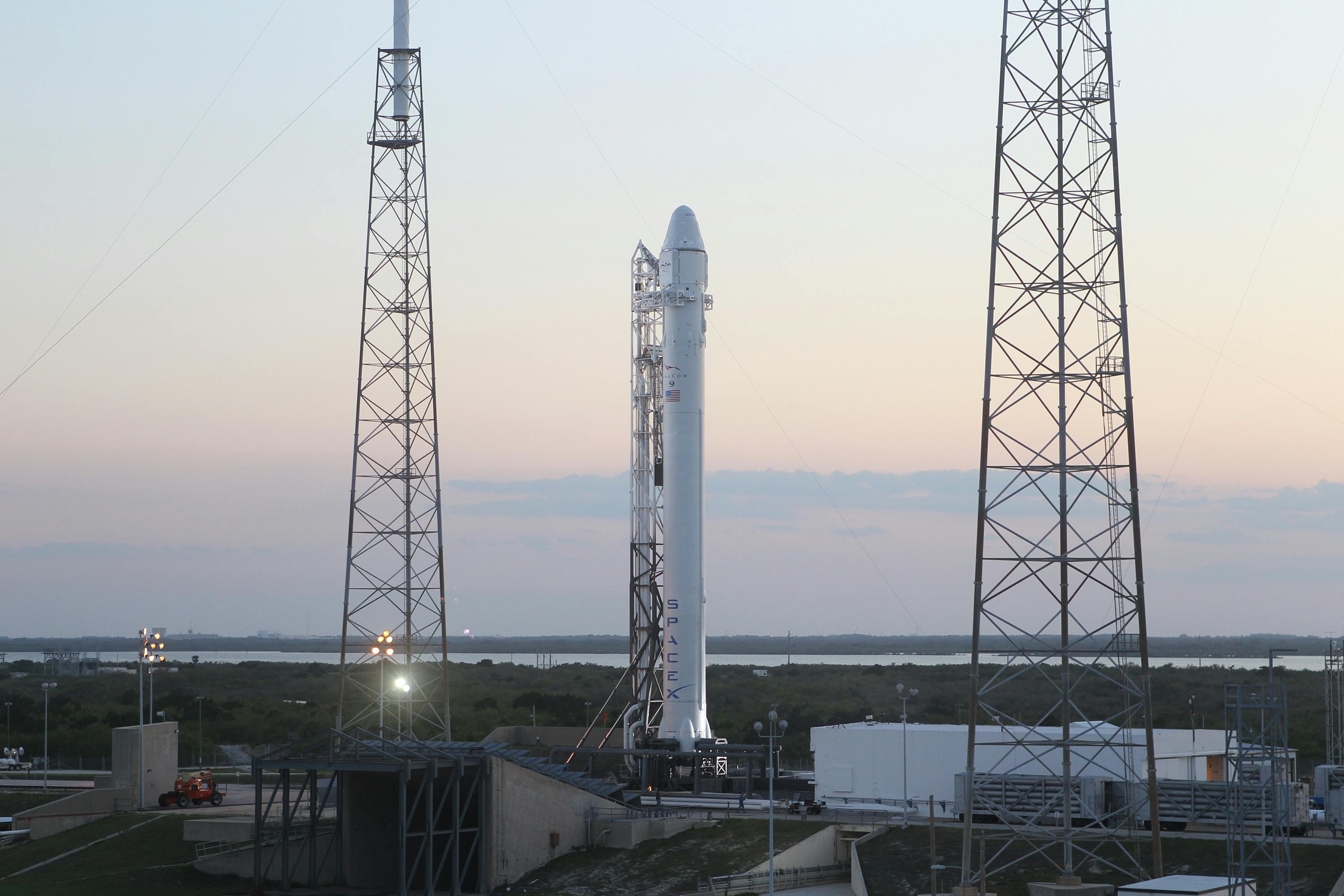
SpaceX successfully launches NASA missions, prepares for Crew-10 flight, and overcomes Falcon 9 launch anomalies.
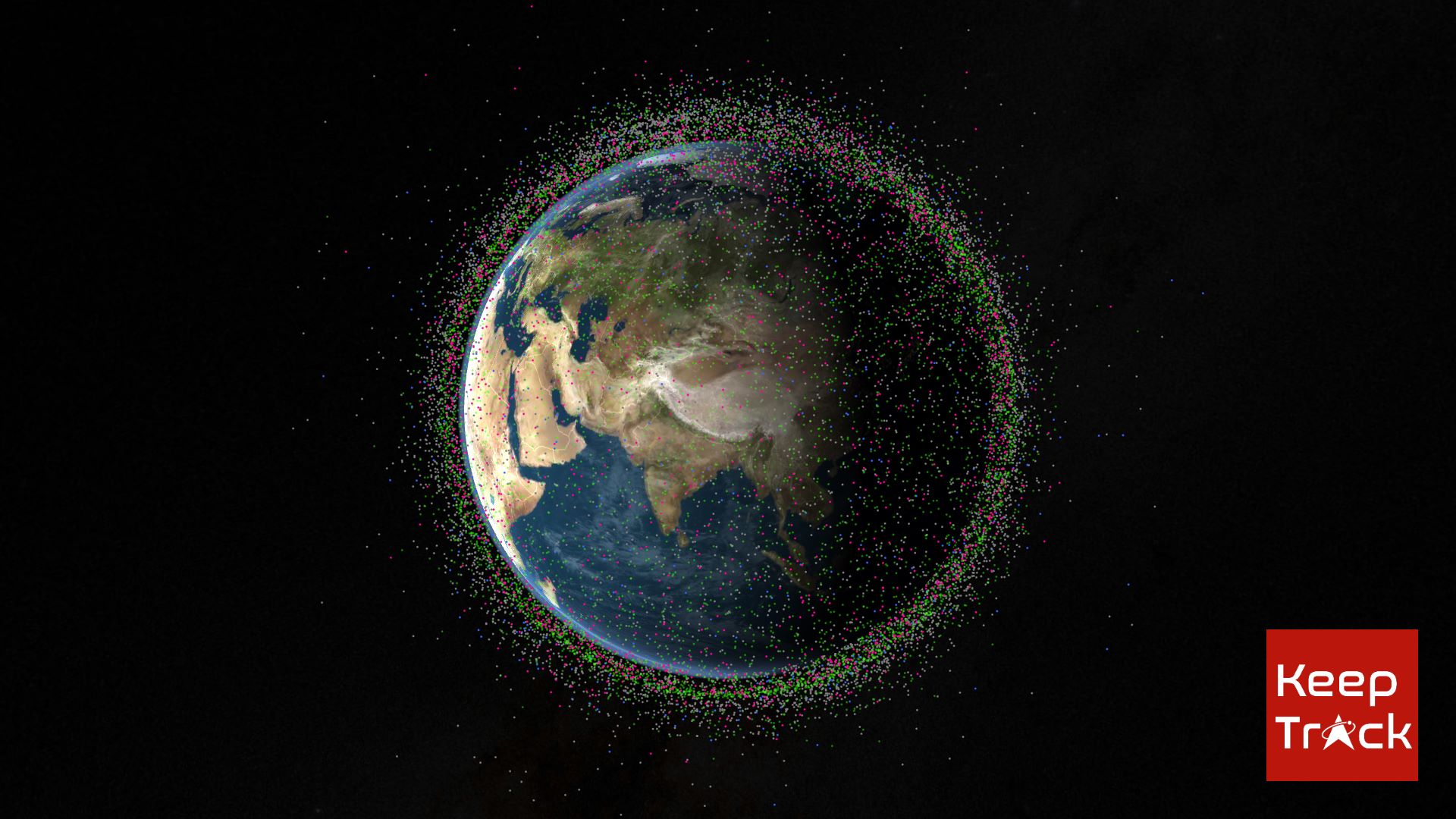
The bustling downtown of space: where most satellites operate, communication networks bloom, and the challenges of atmospheric drag and radiation shape our approach to space operations
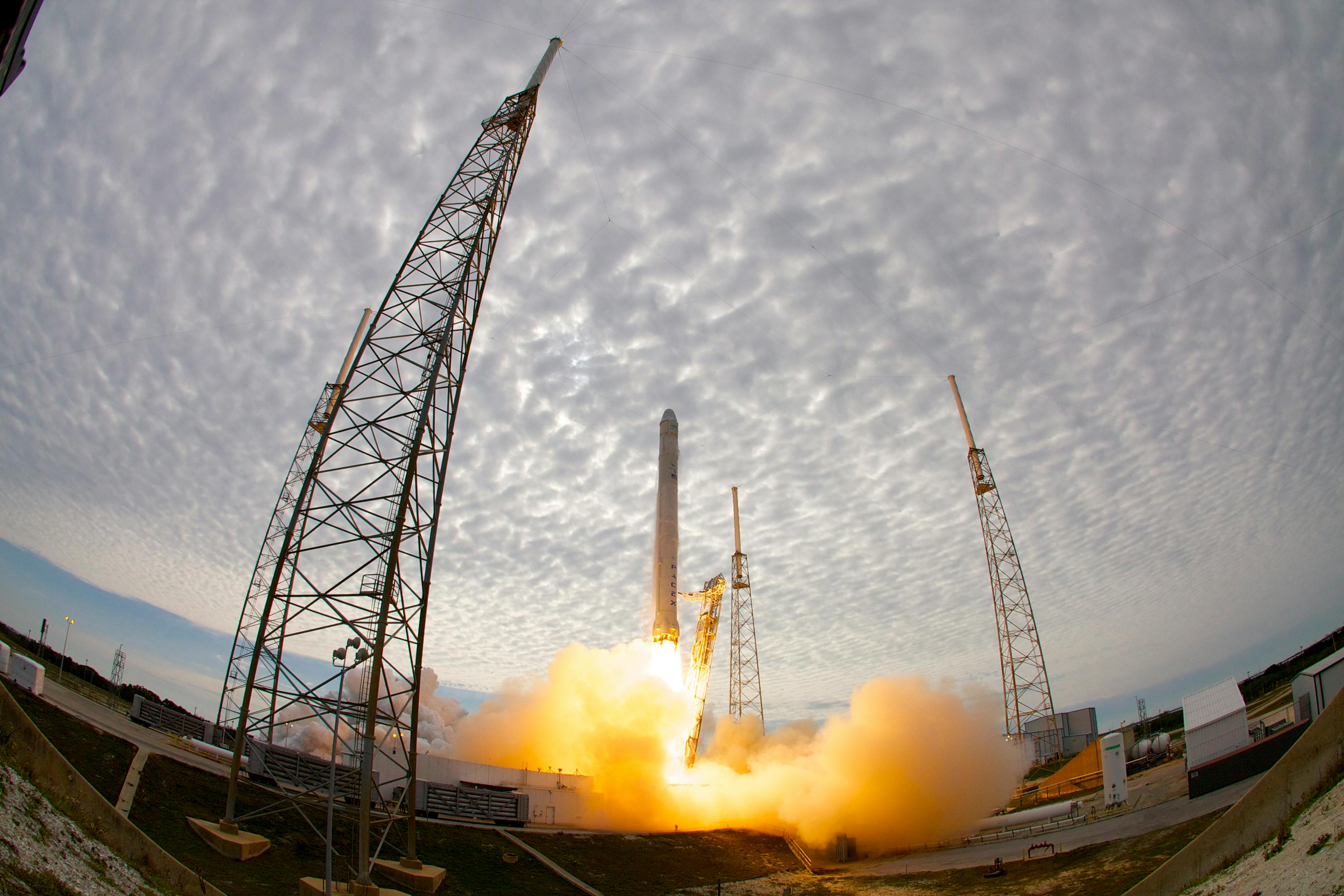
SpaceX conducts another Starship test flight, with high-profile audience; SEOPS secures Falcon 9 for rideshare mission; Ontario partners with Starlink for rural connectivity.
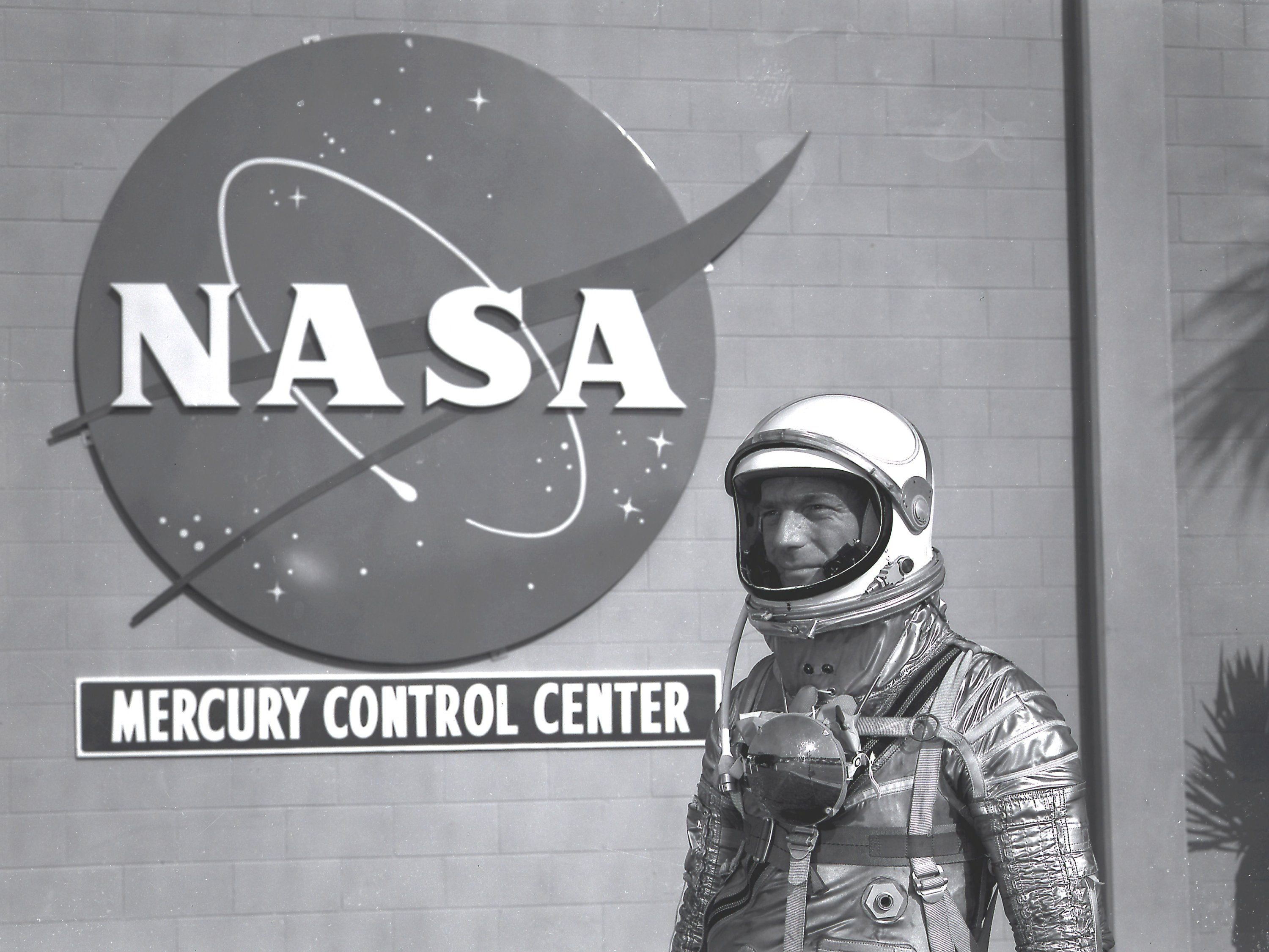
Exactly 64 years ago today, Scott Carpenter became the fourth American to orbit the Earth aboard Aurora 7. His five-hour flight produced new science, a tense reentry, and 39 minutes of silence in which the country wondered if it had just lost its astronaut.

Key military and technology developments in space; US Space Force and Army strategize national security with new rocket certifications and space training initiatives.